
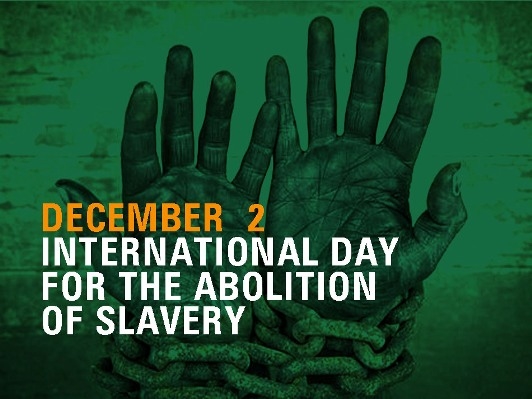
The International Day for the Abolition of Slavery on December 2 serves as a poignant reminder that despite advancements in human rights, millions still endure the shackles of modern slavery. As of the latest data from the United Nations, an estimated 50 million people are trapped in this abhorrent practice, with forced labor and forced marriage affecting 28 million and 22 million individuals, respectively. Disturbingly, almost one in eight victims of forced labor are children, with over half of them subjected to commercial sexual exploitation. This report delves into the philosophical perspectives on the wrongs of slavery, citing notable philosophers, and provides a chronology of key breakthroughs in the global fight against slavery.
Philosophical Analysis:
1. Immanuel Kant:
Kant, an Enlightenment philosopher, argued for the inherent dignity and autonomy of individuals. His moral philosophy emphasizes the categorical imperative, stating that we must act in a way that respects the humanity in others. Slavery fundamentally contradicts this principle, treating individuals as mere tools for labor or objects of exploitation. Kant’s philosophy condemns any system that denies individuals their agency and autonomy.
“Act in such a way that you treat humanity, whether in your own person or in the person of any other, never merely as a means to an end, but always at the same time as an end.”
This quote from Kant underscores the ethical imperative to recognize the humanity in every individual, denouncing slavery’s reduction of people to mere means for the benefit of others.
2. John Stuart Mill:
Mill, a utilitarian philosopher, focused on maximizing happiness and minimizing suffering. Slavery, with its systemic cruelty and deprivation of basic rights, stands in direct opposition to the utilitarian goal of promoting the greatest happiness for the greatest number. Mill’s utilitarianism provides a strong ethical foundation for the abolitionist movement.
“The worth of a state in the long run is the worth of the individuals composing it.”
Mill’s quote emphasizes the intrinsic value of individuals, reinforcing the argument against slavery, which devalues and exploits human lives.
Historical Overview:
1. 18th Century:
- 1772: The Somerset v Stewart case in England marks a significant legal milestone, declaring that chattel slavery is unsupported by English law. This sets the stage for the movement against slavery.
2. 19th Century:
- 1807: The United Kingdom passes the Slave Trade Act, prohibiting the slave trade.
- 1833: The Slavery Abolition Act in the UK emancipates slaves in British colonies, a crucial step towards global abolition.
3. 19th-20th Century:
- 1865: The 13th Amendment to the U.S. Constitution abolishes slavery in the United States after the Civil War.
- 1926: League of Nations adopts the Slavery Convention, committing to suppressing and preventing slavery.
4. 20th Century:
- 1948: The Universal Declaration of Human Rights declares the right to freedom from slavery as a fundamental human right.
- 1981: Mauritania becomes the last country in the world to abolish slavery, legally.
5. 21st Century:
- 2000s: Increased global awareness and advocacy lead to legislative measures and international collaborations to combat modern slavery.
- 2023: Ongoing efforts continue worldwide to eradicate modern slavery, with a focus on prevention, protection, and prosecution.
Conclusion:
The fight against slavery is deeply rooted in philosophical principles that champion individual dignity and human rights. The historical chronology showcases the gradual progress made in different regions and eras, reflecting a collective commitment to the abolition of slavery. As we commemorate the International Day for the Abolition of Slavery, it is essential to renew our dedication to eradicating this heinous practice and ensuring that the principles articulated by philosophers throughout history guide our path towards a more just and humane world.
© Francesc Borrull, 2023
 Francesc Borrull