
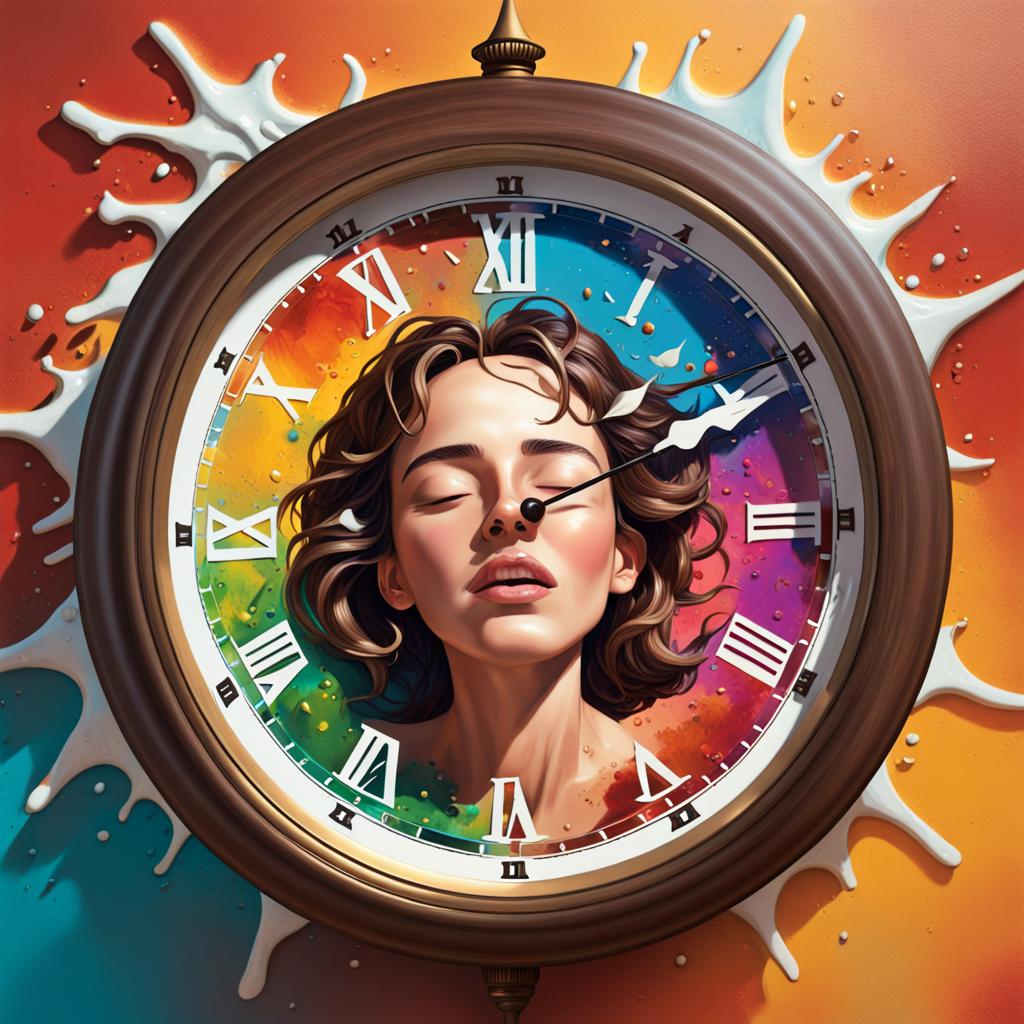
Hola, readers! Today, let’s explore a cultural aspect of Spain, where time takes on a unique rhythm that might leave the uninitiated feeling like they’re in a dance with the clock. As someone who transitioned from the lively beats of Spain for the steady cadence of the United States, I’ve come to appreciate the diverse ways in which these two cultures perceive and embrace time. In this blog entry, we’ll dive into the intriguing practices of Spanish time, shedding light on the late lunches, even later dinners, and the seemingly never-ending nocturnal festivities.
The Spanish Tempo
Imagine a sunny afternoon in Barcelona. The clock strikes 2 pm, and the city comes alive with the aroma of delicious cuisine as locals gather for lunch. It’s lunch time—a cherished tradition that sees the world briefly pausing for a midday break. While the United States may hustle through lunch hours, Spain chooses to linger, savoring the moment, enjoying flavorful dishes, and strengthening familial bonds. After this leisurely lunch, the Spanish siesta takes center stage, providing a restful interlude to recharge before the activities of the evening unfold.
The siesta, traditionally observed in the early to mid-afternoon, is a short nap or a period of rest. Rooted in Spain’s warm climate and historical agricultural practices, the siesta allows individuals to escape the heat of the day and rejuvenate their energy levels. While modern lifestyles have led to a decline in the strict observance of siestas, the cultural appreciation for taking a break endures.
Taking a siesta isn’t just about physical rest; it’s a mental and cultural pause that enhances overall well-being. Studies suggest that short naps can improve alertness, mood, and performance. Embracing the siesta reflects the Spanish commitment to a balanced and holistic approach to life—a moment to unwind, reflect, and return to the rest of the day with renewed vigor. And here’s the magic: because of this mindful break, the night in Spain can extend into the wee hours. The late-night dinners, the lively conversations under the stars, and the prolonged farewells are all a natural progression, fueled by the energy gained during the siesta. It’s a cultural domino effect, where the afternoon siesta sets the stage for a night that dances to the rhythm of its own clock—a clock that ticks to the beat of celebration, connection, and the joy of living life to the fullest. So, the next time you find yourself in Spain, don’t be surprised if the streets quiet down in the afternoon; it’s a collective nod to the importance of taking a mindful pause in the midst of life’s hustle and bustle.
Late-Night Dinners
Fast forward to 9:30-10:00 pm—the customary time for dinner in Spain. While this might seem fashionably late for many Americans, it’s an integral part of the Spanish lifestyle. The night air provides the perfect ambiance for extended conversations and shared meals, celebrating the joy of togetherness. It’s a cultural nuance that underscores the art of savoring life at a more leisurely pace.
The Art of Prolonged Farewells
As a visitor navigating the Spanish social scene, you might encounter a unique approach to farewells. Unlike the brisk and efficient goodbyes of the United States, Spain revels in prolonged farewells—an opportunity to extend the connection, share stories, and deepen bonds. My recent experience sharing dinner with friends perfectly exemplifies this, showcasing the beauty of lingering in the moment. When I felt ready to bid my farewells around 11:45 pm (already considered late by my American standards), they insisted we could enjoy another cup of tea. Little did I know, that additional cup of tea would extend our evening until I finally left at the wee hours of 1:45 am! It was a testament to the Spanish art of savoring time and cherishing the company of loved ones, even if it meant embracing the night until the stars began to fade.
Celebrating Diversity
In our interconnected world, understanding and appreciating diverse cultural practices is more important than ever. The Spanish perception of time may differ from what many are accustomed to, but it’s an integral part of a lifestyle that values connection, joy, and shared experiences.
Perspective is Key
As we navigate the intriguing contrasts of different cultural clocks, let’s remember that diversity is not a challenge but an opportunity to expand our horizons. Whether it’s the siesta, the late-night dinners, or the prolonged farewells, each cultural nuance contributes to the beautiful mosaic of our shared human experience.
So, dear readers, the next time you find yourself in Barcelona, let go of the conventional concept of time and embrace the local rhythm. Join the siestas, indulge in late-night feasts, and linger a little longer during goodbyes. In doing so, you’ll not only discover the beauty of Spanish time but also gain a deeper appreciation for the diverse ways in which cultures around the world dance to the beat of their own clocks. ¡Adéu for now, and may your journey through time be as rich and diverse as the cultures you encounter!
© Francesc Borrull, 2023
 Francesc Borrull