
By Francesc Borrull · January 15, 2024
I. Introduction to Greek Mythology
Definition and Significance
Greek mythology, a rich tapestry woven through the annals of ancient Greece, comprises a myriad of myths and stories. These narratives delve into the lives of gods, goddesses, valiant heroes, and mythical creatures, creating a captivating cosmos where mortals and immortals intersect.
These myths were not mere flights of fancy; rather, they formed the very fabric of Greek culture and religion. Serving as a profound framework, these tales elucidated the enigmatic origins of the world, unraveled the mysteries of natural phenomena, and provided a moral compass guiding human behavior. The gods and heroes of Greek mythology were not distant figures but integral aspects of everyday life, influencing rituals, traditions, and societal norms.
As we embark on a journey through these ancient tales, it’s essential to recognize that Greek mythology was more than a collection of stories—it was a living, breathing entity that shaped the worldview of an entire civilization. To truly appreciate the resonance of these myths, we must peel back the layers of misconception and grasp the profound significance they held for the people of ancient Greece.
Clarifying Common Misconceptions
Despite the enduring allure of Greek mythology, misconceptions often shroud its true nature. Let’s dispel some of these myths to gain a clearer understanding:
Mere Fairy Tales: Greek mythology is not a collection of whimsical fairy tales devoid of substance. These stories were integral to the cultural, religious, and philosophical identity of ancient Greece.
Pure Fiction: Contrary to popular belief, Greek mythology is not a product of pure imagination. It reflects the beliefs, values, and societal norms of a civilization that grappled with existential questions and sought moral guidance through these narratives.
Irrelevance to Modern Times: The tales of gods and heroes are not relics of a bygone era. They continue to resonate in modern times, shaping literature, art, and even contemporary thought. The themes explored—love, heroism, betrayal—transcend temporal boundaries.
Homogeneity: Greek mythology is not a monolithic entity. It comprises a diverse range of stories, each originating from different regions and periods. This diversity adds depth to the overall tapestry, showcasing the multifaceted nature of ancient Greek beliefs.
By dismantling these misconceptions, we can approach Greek mythology with a fresh perspective, recognizing its profound impact on the past and its enduring relevance in our present understanding of human experience.
Discussing the Enduring Appeal and Relevance of These Ancient Stories
As we peel away the layers of misconception surrounding Greek mythology, we uncover a treasure trove of narratives that transcends the confines of time. The enduring appeal of these ancient stories lies in their ability to resonate with the human experience across epochs. Here’s why these myths continue to captivate:
Universal Themes: At the heart of Greek mythology are universal themes that traverse cultural boundaries. Love, heroism, tragedy—these are not relics of a bygone era but threads woven into the very fabric of the human condition.
Archetypal Characters: The gods and heroes of Greek mythology are archetypal figures, embodying virtues and flaws that mirror our own. Their struggles, triumphs, and downfalls serve as mirrors reflecting the complexities of our own lives.
Influence on Western Thought: The impact of Greek mythology extends far beyond ancient Greece. It has left an indelible mark on Western literature, philosophy, and art. Countless writers, thinkers, and artists have drawn inspiration from these myths, perpetuating their significance through the ages.
Eternal Questions: Greek mythology grapples with fundamental questions about existence, morality, and the nature of the divine. These questions, posed by the ancients, continue to echo in the corridors of contemporary thought, inviting us to ponder our own existence and purpose.
As we embark on this exploration of Greek mythology, let us embrace the timelessness of these tales. Beyond the names of gods and the deeds of heroes, we find a mirror reflecting the human experience—a mirror that, despite the passage of centuries, remains as clear and captivating as ever. In the pages that follow, our focus will narrow to one poignant myth: the tale of Orpheus and Eurydice. Through the lens of their tragic love story, we delve into the intricate web of emotions, themes, and artistic interpretations that continue to echo through the corridors of time.
II. Orpheus and Eurydice: A Tragic Love Story
Overview of the Myth
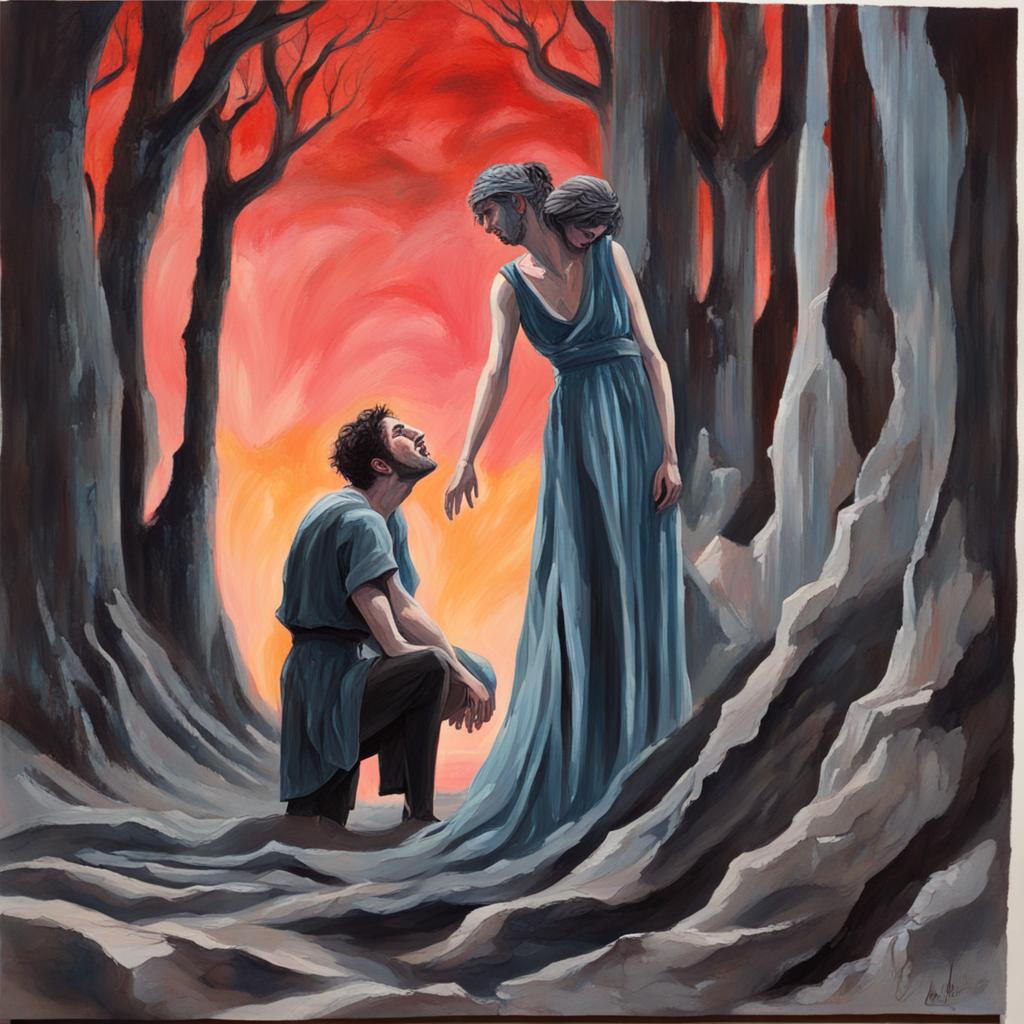
In the heart of Greek mythology lies the hauntingly beautiful tale of Orpheus and Eurydice—a narrative that transcends the boundaries of time. Orpheus, gifted with unparalleled musical talent, falls deeply in love with Eurydice. However, their happiness is abruptly shattered when Eurydice meets a tragic end, bitten by a serpent on their wedding day. Distraught and unwilling to accept her death, Orpheus embarks on a perilous journey to the Underworld, armed only with his lyre and the power of his enchanting music.
Key Characters and Their Roles
Orpheus: The consummate musician, Orpheus is the central figure in this tragic tale. His music possesses an otherworldly charm that captivates gods and mortals alike.
Eurydice: The object of Orpheus’s love, Eurydice’s untimely death propels the narrative forward, setting in motion Orpheus’s desperate quest to bring her back from the realm of the dead.
Themes of Love, Loss, and the Power of Music
Love: At the core of the myth is a profound exploration of love, both earthly and transcendent. Orpheus’s devotion to Eurydice becomes a force that defies the boundaries between life and death.
Loss: The narrative delves into the depths of loss as Orpheus grapples with the death of his beloved. The emotional resonance of this theme reverberates through the myth, mirroring the universal experience of grief.
Power of Music: Orpheus’s music becomes a potent force that transcends mortal realms. His lyre, guided by grief and love, has the ability to move even the heart of Hades, the ruler of the Underworld.
As we navigate the intricacies of Orpheus and Eurydice’s tragic love story, we will unravel the layers of emotion, symbolism, and artistic interpretation that have made this myth a timeless masterpiece in the tapestry of Greek mythology. From the underworld’s shadows to the ethereal notes of Orpheus’s lyre, we will explore how this tale has inspired generations of artists, writers, and musicians, each weaving their own threads into the enduring fabric of this poignant myth.
III. Modern Interpretations of Orpheus and Eurydice in Art
The myth of Orpheus and Eurydice, like a timeless melody echoing through the ages, has stirred the imaginations of countless artists across centuries and cultures. From the quills of poets to the strokes of painters and the lenses of filmmakers, this tragic love story has become a muse, inviting a myriad of interpretations that reflect the evolving facets of the human experience.
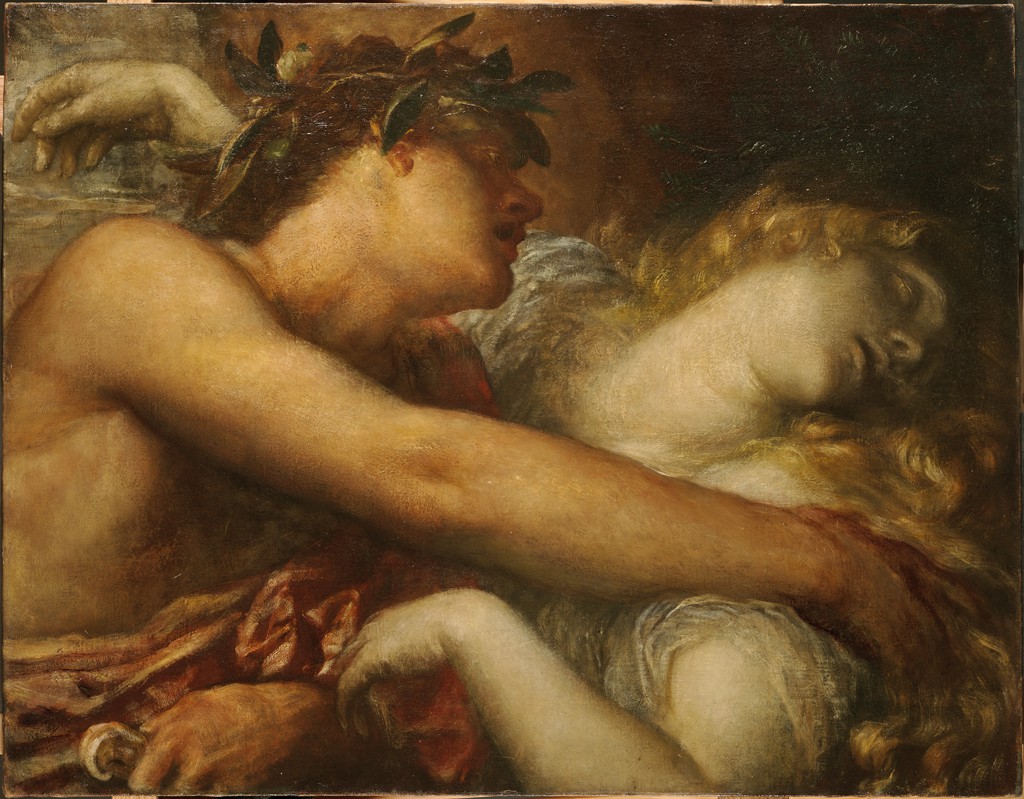
In the realm of visual arts, the canvases of renowned painters have brought the myth to life. Consider, for instance, the poignant painting “Orpheus and Eurydice” by the Victorian master George Frederic Watts (1817-1904). In this rendition, Watts captures Orpheus’s despair with a visceral intensity, while the ethereal allure of Eurydice’s shadow hovers delicately on the edge of existence.
In literature, the contemporary Orpheus finds his voice in the verses of Rainer Maria Rilke. Rilke’s exploration of Orpheus as a symbol of the artist seeking to communicate with another world adds a profound layer to the myth. Through Rilke’s words, we glimpse the modern resonance of Orpheus’s journey, not only as a tale of love and loss but as a profound reflection on the artist’s quest for connection beyond the mortal realm. Meanwhile, the operatic stage resonates with the powerful compositions inspired by Orpheus and Eurydice, none more iconic than Christoph Willibald Gluck’s opera of the same name. As we embark on this exploration, we’ll navigate the brushstrokes of painters, traverse the lyrical verses of poets, and resonate with the harmonies of composers, each offering a unique perspective on the enduring legacy of Orpheus and Eurydice in the realms of literature, visual arts, and music.
Orpheus and Eurydice by George Frederic Watts (1817-1904)
George Frederic Watts, a luminary of the Victorian era, took brush to canvas in 1865 to breathe life into the timeless tale of Orpheus and Eurydice. In his masterpiece, “Orpheus and Eurydice,” Watts encapsulates the essence of sorrow and yearning with a masterful touch.
The composition centers on Orpheus, his lyre in hand, eyes filled with a mix of desperation and determination. Eurydice’s spectral form, draped in ephemeral shadows, hovers delicately on the periphery of existence. Watts captures the very moment of Orpheus’s heartfelt plea to the gods of the Underworld, the crescendo of his music reaching beyond mortal realms.
The play of light and shadow in Watts’s painting amplifies the emotional depth of the scene. The chiaroscuro technique intensifies the contrast between Orpheus’s anguished figure and the ghostly presence of Eurydice. The Victorian artist masterfully uses color and form to convey the ethereal nature of this tragic union.
Watts’s interpretation of Orpheus and Eurydice transcends mere representation; it becomes a profound exploration of the human condition. Through his brushstrokes, he encapsulates the universal themes of love and loss, the boundaries between life and death, and the transcendent power of art. “Orpheus and Eurydice” stands as a testament to Watts’s ability to distill complex emotions into visual poetry, inviting viewers to immerse themselves in the enduring narrative of a love that defies the constraints of mortality.
Sonnets to Orpheus (1922) by Rainer Maria Rilke: A Contemporary Harmonic
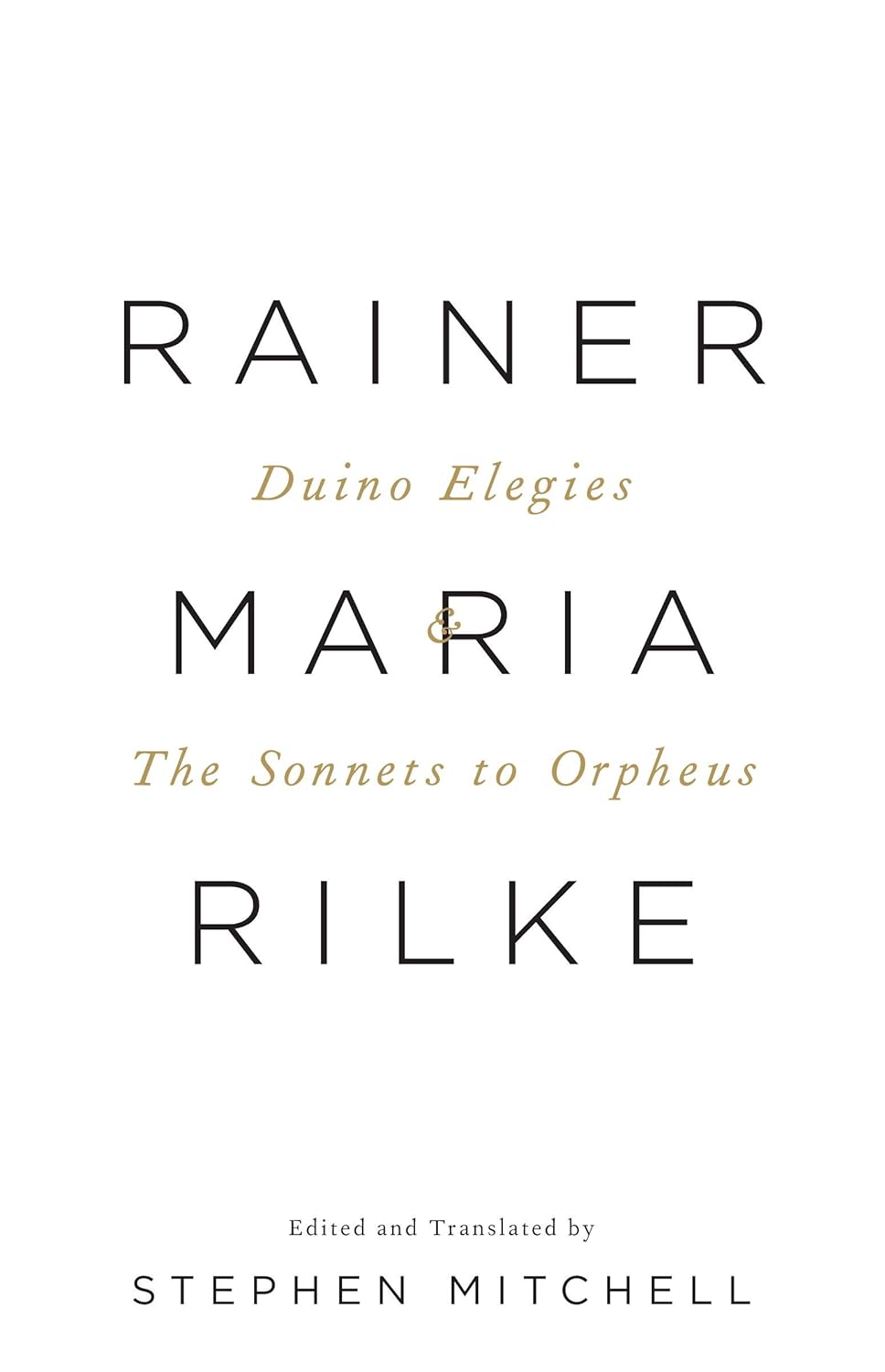
In the realm of literature, Rainer Maria Rilke takes center stage with his “Sonnets to Orpheus,” a collection of deeply introspective and musically infused poems that reimagine the Orpheus myth in a modern context. Rilke, a herald of German modernist poetry, brings a unique perspective to the age-old tale, infusing it with profound insights and a rich tapestry of emotions.
Themes Emphasized and Reinterpreted
The Artist’s Quest: Rilke delves into the myth of Orpheus as a symbolic representation of the artist’s journey. In contrast to the traditional narrative, where Orpheus seeks to retrieve Eurydice, Rilke’s Orpheus becomes a conduit for the artist’s quest to communicate with otherworldly realms. The poet, akin to Orpheus, explores the liminal spaces between life and death, seeking inspiration beyond the mortal sphere. In Sonnet II, Rilke encapsulates the artist’s quest, portraying Orpheus not as a mere mortal seeking to retrieve Eurydice but as an emissary of the divine. The lines “a tree of sounds, and he, within its nodding, / listens with the translucence of an apple” evoke the image of Orpheus as a vessel for celestial melodies, exploring the liminal spaces between the earthly and the divine.
Music as Transcendence: While the power of Orpheus’s music is a central theme in the classical myth, Rilke amplifies its significance. The poet sees music not merely as an enchanting force but as a transcendent language that bridges the realms of the living and the dead. In Rilke’s sonnets, the harmony created by Orpheus becomes a spiritual vibration resonating through the cosmic fabric. Rilke amplifies the significance of music as a transcendent language in Sonnet IX. The poem speaks of “the soundless other side of silence,” portraying Orpheus’s music not only as an enchanting force but as a profound resonance that goes beyond the audible, bridging the realms of the living and the dead.
Human Emotion and Its Complexity: Rilke intricately weaves the theme of human emotion and its intricate nuances. The poet doesn’t shy away from the complexities of love, loss, and the internal struggles of the artist. Orpheus, in Rilke’s vision, grapples not only with the external challenges of the Underworld but also with the internal turmoil of his own emotions. Sonnet XII delves into the intricate nuances of human emotion. Rilke portrays Orpheus not only as a grieving lover but as one who navigates the complexities of internal turmoil. Lines like “to be human is difficult, and one can hardly achieve it more fully / than by breaking the mind’s horizon / with our own internal thunder, and hearing it in the whole sky” illuminate the poet’s exploration of the multifaceted nature of human emotions.
In these examples from Rilke’s “Sonnets to Orpheus,” we witness the transformative nature of the artist’s journey. Rilke’s reinterpretation breathes new life into the myth, emphasizing the profound connection between the artist and the ineffable. Much like Orpheus, the poet seeks harmony, using music as a powerful bridge that transcends the tangible and embraces the ethereal. The specific verses chosen offer a glimpse into Rilke’s unique interpretation, portraying Orpheus not merely as a grieving lover but as a profound archetype embodying the complexity of the human experience.
Rilke’s exploration of the emotional landscape adds depth to the myth, delving into the intricacies of human emotion and the internal struggles of the artist. These sonnets become a lens through which readers can reflect on the profound role of art, transcending boundaries, and delving into the mysteries of existence. In this modern reinterpretation, Orpheus becomes a timeless allegory for the artist’s eternal quest, resonating with the ever-evolving dynamics of creativity and the human soul. Through Rilke’s poetic vision, the myth reverberates with a contemporary resonance, inviting us to explore the limitless possibilities of artistic expression and the perpetual quest for connection with the divine.
Gluck’s Opera – Orfeo ed Euridice: A Symphonic Journey into the Underworld
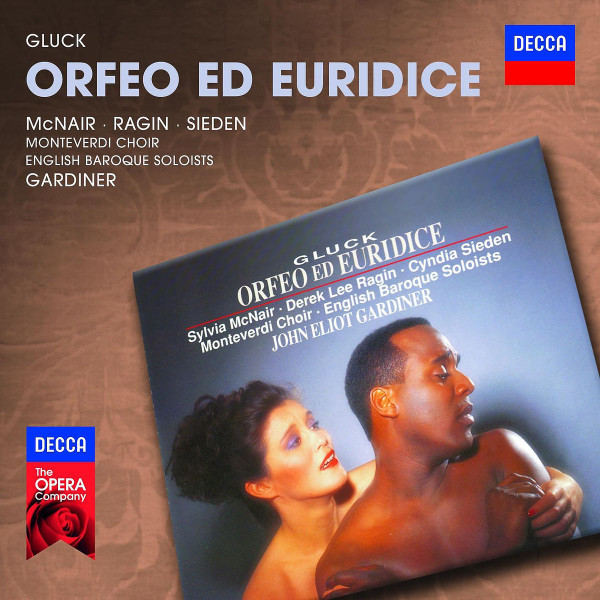
Christoph Willibald Gluck’s opera, “Orfeo ed Euridice,” stands as a pivotal work in the operatic repertoire. Premiered in Vienna in 1762, the opera marked a revolutionary departure from the conventions of the time. Gluck, in collaboration with librettist Ranieri de’ Calzabigi, sought to reform the operatic tradition, aiming for a more direct and emotionally resonant expression.
The opera unfolds the tragic tale of Orpheus, a grieving musician, who descends into the Underworld to retrieve his beloved wife, Eurydice. The emotional core of the opera lies in Orpheus’s journey and the profound power of his music. The orchestration is rich, with Gluck employing a diverse range of instruments to evoke the depths of human emotion.
Unique Elements in Gluck’s Interpretation
Simplicity and Naturalism: Gluck rejected the ornate and artificial conventions prevalent in opera seria. Instead, he embraced simplicity and naturalism, emphasizing clear and expressive vocal lines. This departure from embellished vocal displays allowed the emotions of the characters to take center stage.
Dramatic Integration of Music and Text: Gluck prioritized the unity of music and text, aiming for a seamless integration that served the dramatic narrative. The opera features accompanied recitatives, where the orchestra plays a more active role in supporting the emotional and narrative arcs.
Focus on Human Emotion: Unlike the detached and stylized characters often found in traditional opera, Gluck’s Orpheus is a deeply human figure. The emotional journey of grief, love, and despair is palpable, creating a more relatable and poignant experience for the audience.
Reception and Significance
Gluck’s “Orfeo ed Euridice” received mixed reactions upon its premiere, as its departure from established operatic norms challenged the expectations of the time. However, its revolutionary approach laid the groundwork for the opera reform movement. Gluck’s emphasis on the primacy of the drama and the emotional authenticity of the characters left an indelible mark on the evolution of opera.
In the broader context of the Orpheus and Eurydice narrative, Gluck’s opera remains a milestone, offering a fresh perspective on the timeless myth. The significance lies not only in its historical impact on the opera genre but in its ability to convey the universal themes of love, loss, and the transformative power of art. Gluck’s “Orfeo ed Euridice” continues to resonate as a masterful interpretation that bridges the classical and the emotive, cementing its place in the enduring legacy of the Orpheus myth.
Conclusion
In this exploration of Orpheus and Eurydice across different artistic realms, we’ve traversed the rich tapestry woven by painters, poets, and operatic composers. The journey began with George Frederic Watts’s haunting painting, capturing the essence of Orpheus’s despair and Eurydice’s ephemeral presence. Rainer Maria Rilke’s “Sonnets to Orpheus” breathed new life into the myth, emphasizing the transformative nature of the artist’s quest and the power of music as a bridge between the tangible and the ethereal. Christoph Willibald Gluck’s opera, “Orfeo ed Euridice,” marked a revolutionary departure in the operatic landscape, showcasing a harmonious blend of simplicity, naturalism, and emotional depth.
Reflecting on the Enduring Legacy
The enduring legacy of Orpheus and Eurydice persists as a timeless narrative that transcends the boundaries of time and artistic mediums. From the earliest interpretations in Greek mythology to the modern reimaginings by artists like Watts, Rilke, and Gluck, the myth continues to resonate. The themes of love, loss, the power of music, and the human experience provide a canvas for creative minds to explore and reinterpret. Orpheus and Eurydice become archetypes, symbols that echo through the corridors of artistic expression, offering new perspectives and depths with each iteration.
Why Ancient Myths Continue to Inspire
Ancient myths, like Orpheus and Eurydice, endure because they tap into the fundamental aspects of the human condition. These tales are timeless mirrors reflecting the universal experiences of love, loss, and the quest for meaning. They speak to our shared humanity, transcending cultural and temporal boundaries. The myths offer a rich and malleable source material, inviting artists to infuse their unique interpretations while maintaining the core essence that resonates across generations. As we navigate the complexities of existence, these myths serve as guides, providing narratives that transcend the mundane and elevate the human experience to the realm of the eternal and the sublime.
In the ever-evolving landscape of human creativity, Orpheus and Eurydice stand as beacons, their stories echoing in paintings, sonnets, and operas, each iteration adding a new layer to the collective tapestry of human expression. These ancient myths endure not as relics of the past but as living entities, constantly reborn in the imaginations of those who find inspiration in their timeless truths.
© Francesc Borrull, 2024
Disclaimer: Clicking on the provided links does not generate any financial benefit for the user or the content creator. These links are solely provided for convenience and accessibility to the referenced materials.
 Francesc Borrull
