
By Francesc Borrull · February 12, 2024

Spoiler Alert: Proceed with Caution Before diving into the exploration of “Succession,” a word of caution is warranted. The following discussion contains potential spoilers that could reveal key plot points, character developments, and significant moments from the series. If you haven’t experienced the gripping narrative of “Succession” in its entirety and wish to preserve the element of surprise, it’s advisable to tread carefully through the forthcoming pages. We aim to provide a comprehensive analysis, but this comes with the inherent risk of uncovering details that may impact your viewing experience. Consider this your spoiler alert, and venture forth with awareness.
Introduction
Welcome to the captivating world of “Succession,” a TV series created by the brilliant mind of Jesse Armstrong. As the mastermind behind this enthralling narrative, Armstrong skillfully delves into the drama of power, family dynamics, and unbridled ambition. For me, it all started on a flight back to the States from a stay in Europe. Little did I know that this transatlantic journey would become the unexpected backdrop for an immersive binge-watch of an entire season, turning my casual interest into a profound engagement with the lives of the Roy family.
Jesse Armstrong, the visionary creator of “Succession,” boasts a rich history in the world of television. With a career that spans acclaimed projects like “Peep Show” and “The Thick of It,” Armstrong has consistently demonstrated a keen understanding of narrative intricacies and character development. In “Succession,” his creative prowess takes center stage, earning the series critical acclaim for its storytelling, character depth, and a narrative that weaves through the corridors of power with unparalleled finesse.
in the following pages, we’ll dissect the initial allure that drew me into the narrative, exploring how Jesse Armstrong’s vision for “Succession” manages to captivate audiences with its unique blend of drama, power struggles, and the intricacies of family intrigue. Join me as we embark on an exploration of “Succession,” a show that not only entertains but also serves as a mirror reflecting the nuances of power dynamics and familial bonds.
II. The Initial Hook: A Transatlantic Tale
As I settled into my seat on a plane bound for the States from a European sojourn, little did I anticipate that this transatlantic journey would become the backdrop for my deep dive into the compelling world of “Succession.” With the entire first season available and an 11-hour flight ahead, the allure of an uninterrupted binge-watch was irresistible. Ten chapters, each spanning an hour, neatly aligned with the duration of my trip—making it the perfect opportunity to explore what had garnered such widespread acclaim for this HBO production.
What initially drew me in was the series’ formidable reputation, hailed as one of the best in the past two decades. Despite being unfamiliar with its content or plot specifics, the HBO label served as a reliable indicator of quality, given my penchant for their exceptional shows. Intrigued and armed with nothing more than the anticipation of a noteworthy viewing experience, I embarked on a journey with the Roy family.
As the plane soared above the Atlantic, “Succession” unfolded its narrative tapestry, and I found myself captivated by the intricate web of family dynamics that unfolded on the screen. The initial episodes sparked a desire to unravel the complexities of each character and left me eager to witness their development across the subsequent seasons. The power struggles, the nuanced relationships, and the palpable tension within the Roy family became the focal points that fueled my interest, transforming a casual decision to watch into an immersive experience that would extend far beyond that transatlantic flight.
III. Character Evolution and Narrative Arcs
“Succession” unfolds as a character-driven saga, rich with the evolution and interplay of its central figures. The series thrives on the complexities of the Roy family, each member contributing to the narrative tapestry in distinctive ways.
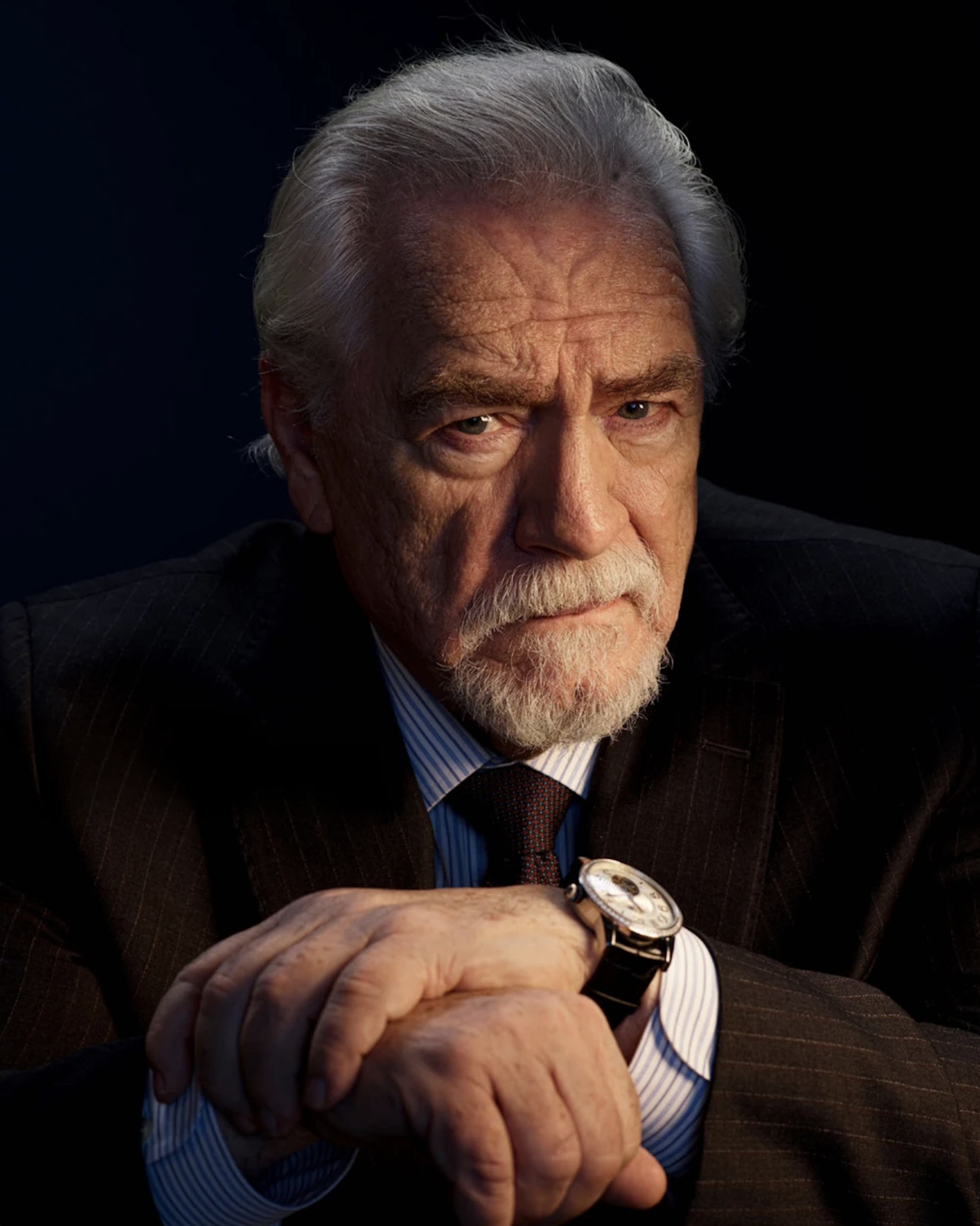
1. Logan Roy (Brian Cox):
At the nucleus of the Roy family empire stands Logan Roy, the formidable patriarch and visionary founder of Waystar Royco. Brian Cox’s portrayal infuses Logan with an undeniable gravitas, marking him as a commanding force within the intricate power dynamics of the Roy dynasty. As the series unfolds, Logan’s character transcends the traditional mold of a patriarch, evolving into a complex figure grappling with the burdens of legacy, control, and familial expectations.
Logan’s journey is defined by the perpetual struggle for succession planning, a battlefront where corporate machinations and familial intricacies collide. As the founder of Waystar Royco, Logan is not merely a captain of industry but a monarch presiding over a corporate kingdom. His decisions reverberate through boardrooms and family gatherings alike, creating a palpable tension that permeates every episode.
The evolution of Logan’s character is a study in the toll exacted by maintaining control over a vast and influential empire. Brian Cox skillfully navigates the nuances of Logan’s multifaceted personality, revealing layers of vulnerability beneath the exterior of a shrewd and unyielding businessman. The personal cost of leadership, the sacrifices made to secure the family legacy, and the constant dance with corporate power become intrinsic elements of Logan’s narrative arc.
As Logan grapples with the relentless demands of the business world and the complexities of familial bonds, his character undergoes a transformation that transcends the stereotypical archetype of a patriarch. Brian Cox’s performance brings a depth to Logan that goes beyond the surface, capturing the intricacies of a man who, despite his towering presence, is not immune to the weight of his own decisions. In this way, Logan Roy becomes more than a patriarch; he emerges as a poignant exploration of the price one pays for power and the intricate dance between control and vulnerability within the patriarchal role.
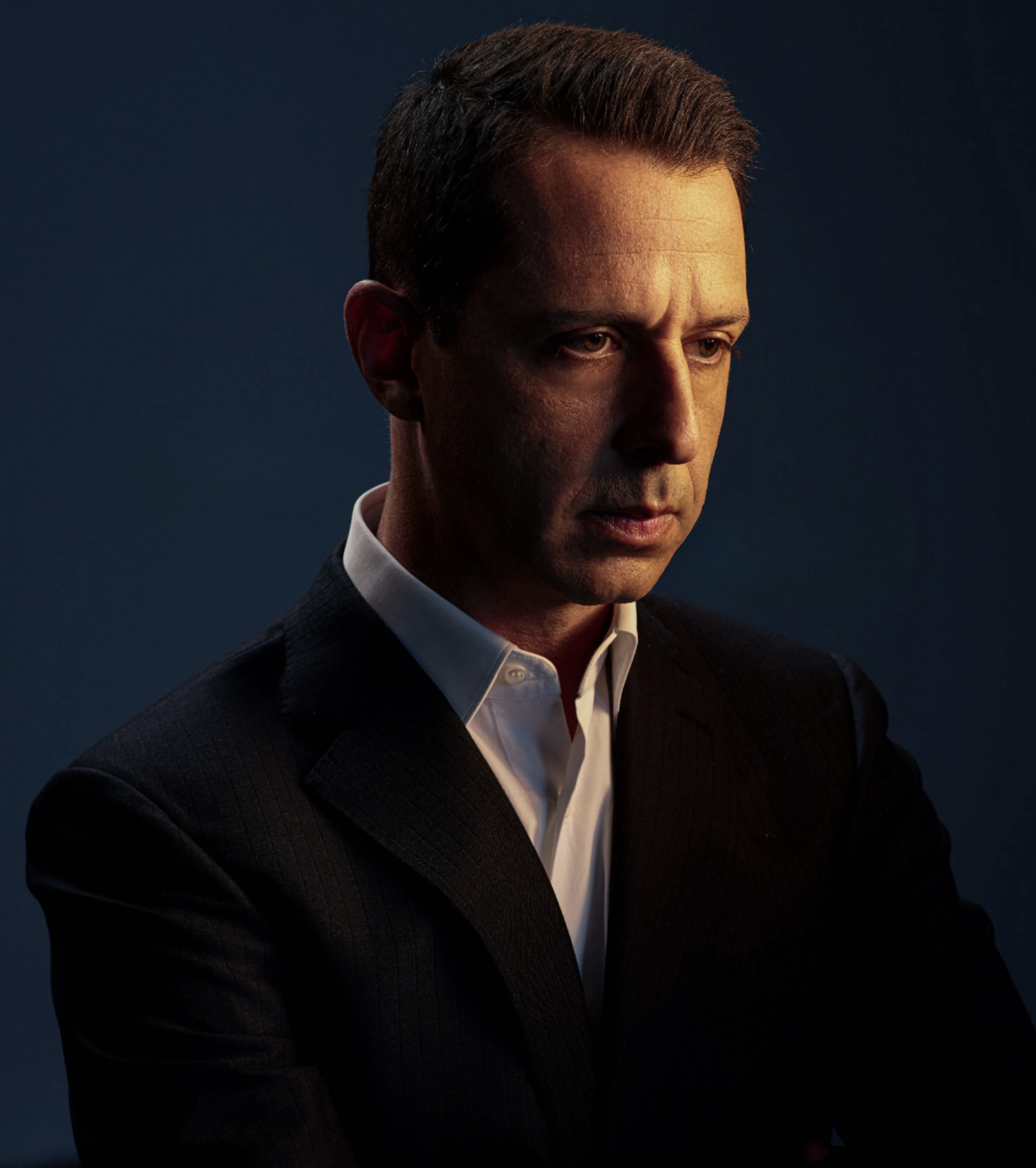
2. Kendall Roy (Jeremy Strong):
In the intricate narrative tapestry of “Succession,” Kendall Roy emerges as a central figure whose journey becomes a tumultuous exploration of ambition, addiction, and the relentless pursuit of his father’s elusive approval. Jeremy Strong’s nuanced and compelling performance delves deep into Kendall’s psyche, revealing layers of vulnerability beneath the exterior of a driven and ambitious corporate player.
Kendall’s arc unfolds as a riveting odyssey through the cutthroat corporate world, where the stakes are high, and the pursuit of success is relentless. As the designated heir to the Waystar Royco throne, Kendall grapples not only with the external pressures of maintaining the family legacy but also with the internal demons that threaten to unravel his carefully constructed façade.
Jeremy Strong’s portrayal captures the essence of Kendall’s internal struggle with remarkable authenticity. The vulnerability etched into Kendall’s character resonates as he confronts personal demons, battles addiction, and strives for a sense of identity within the formidable shadow cast by his father, Logan Roy. Each step in Kendall’s journey exposes the costs of ambition — the sacrifices made, the moral compromises undertaken, and the toll on personal relationships.
Kendall’s narrative serves as a poignant examination of the fragile nature of identity, especially when it is intricately intertwined with external expectations and the pursuit of validation from a formidable patriarch. The character’s trajectory becomes a mirror reflecting the harsh realities of the corporate world, where success often comes at a profound personal cost. As Kendall navigates the treacherous terrain of ambition, Jeremy Strong’s performance ensures that the audience witnesses not only the external battles but also the internal turmoil that defines Kendall’s quest for self-discovery and autonomy. In this way, Kendall Roy’s arc stands as a compelling exploration of the intricate dance between ambition, personal identity, and the relentless pursuit of paternal approval in the high-stakes arena of the Roy family.

3. Shiv Roy (Sarah Snook):
In the grand tapestry of the Roy family dynamics, Shiv Roy stands as a pivotal character who defies conventional norms and challenges traditional gender roles and familial expectations. As the sole daughter in the illustrious Roy lineage, Shiv becomes a symbol of strength, autonomy, and an independent force navigating the intricate corridors of corporate power. Sarah Snook’s portrayal breathes life into Shiv, endowing her with a multifaceted persona that resonates with authenticity and complexity.
Shiv’s introduction into the series immediately sets the stage for a character who refuses to conform to the preconceived roles assigned to women in powerful families. Sarah Snook brings a depth to Shiv that transcends the surface, portraying her not merely as an accessory to the Roy legacy but as a dynamic and influential player in her own right.
The evolution of Shiv’s character becomes a fascinating exploration of themes that extend beyond gender dynamics. As she maneuvers through the high-stakes corporate landscape, Shiv’s journey explores the delicate balance between autonomy and familial loyalty. Her quest for independence is not without its challenges, as familial obligations and the weight of the Roy legacy cast shadows on her desire for personal agency.
Sarah Snook’s performance captures the nuances of Shiv’s internal conflict, portraying the tension between personal desires and the expectations placed upon her as a Roy. Shiv’s evolution becomes a poignant narrative that dissects the complexities of forging one’s path within the confines of a powerful family, where the intersection of personal ambition and loyalty becomes a delicate dance.
Shiv’s character not only challenges traditional gender norms within the context of the Roy family but also becomes a symbol of broader themes of autonomy and the pursuit of individual identity. As Sarah Snook breathes life into Shiv’s journey, the character stands as a testament to the series’ commitment to exploring the intricacies of power, family, and personal agency through the lens of a woman navigating a world defined by patriarchal traditions.

4. Roman Roy (Kieran Culkin):
In the midst of the intense corporate drama that defines “Succession,” Roman Roy emerges as a breath of irreverence and humor, injecting the series with a distinctive charm. Kieran Culkin’s charismatic portrayal of Roman not only adds levity to the narrative but also unveils a character whose evolution becomes a compelling exploration of identity, ambition, and familial responsibility.
From the outset, Roman’s character is a delightful deviation from the seriousness that often permeates the Roy family dynamics. Kieran Culkin breathes life into Roman’s carefree, playboy persona, providing viewers with moments of comic relief amid the cutthroat boardroom maneuvers and familial tension. Roman’s irreverent humor becomes a defining feature, offering a counterbalance to the weighty decisions and power struggles that unfold within the Waystar Royco empire.
As the series progresses, Roman’s journey takes on a more nuanced trajectory. No longer merely the charming playboy, he transforms into a self-aware contributor to the family business. Kieran Culkin navigates this evolution with finesse, revealing the layers beneath Roman’s seemingly carefree exterior. Roman’s struggles with identity and ambition come to the forefront, adding depth to a character who initially appeared content to coast on charisma alone.
Roman’s growth becomes a pivotal aspect of “Succession,” highlighting his quest for legitimacy within the family fold and the broader corporate landscape. Kieran Culkin’s performance captures the delicate balance between Roman’s irreverent charm and his internal conflicts, offering viewers a character whose journey becomes a testament to the series’ ability to seamlessly blend humor with profound introspection.
In Roman, “Succession” not only finds its comedic heartbeat but also unravels a character whose evolution mirrors the larger themes of the series—identity, ambition, and the intricate dance between familial expectations and personal growth. As Kieran Culkin breathes authenticity into Roman’s narrative, the character emerges as a multifaceted gem within the Roy dynasty, adding both entertainment and substance to the intricate fabric of the show.

5. Connor Roy (Alan Ruck):
As the eccentric elder son of the Roy family, Connor Roy brings a unique and somewhat enigmatic perspective to the forefront, providing a lens through which “Succession” explores themes of wealth, privilege, and individuality. Alan Ruck’s performance captures the idiosyncrasies of Connor’s character, painting a portrait of a man whose journey diverges from the corporate maneuverings of his siblings.
Connor’s presence within the Roy family is marked by a deliberate departure from the cutthroat world of business and power that defines Waystar Royco. Alan Ruck infuses the character with a certain eccentricity, portraying Connor as a man who navigates a distinct path, seemingly uninterested in the power dynamics that consume his siblings. Instead, Connor’s interests lie in intellectual pursuits, unconventional hobbies, and a lifestyle that reflects his desire for autonomy.
In exploring Connor’s arc, “Succession” delves into profound questions of purpose, legacy, and the pursuit of personal happiness outside the confines of the family empire. As the eldest son who has chosen a trajectory quite different from the corporate ladder, Connor’s narrative becomes a study in contrasts. While his siblings grapple for control within the boardroom, Connor seeks fulfillment through unconventional means, offering viewers a character whose journey raises questions about the true nature of success and purpose.
Alan Ruck’s portrayal ensures that Connor’s eccentricities do not mask the complexity beneath the surface. Through Connor’s arc, “Succession” invites viewers to ponder the role of individuality within a family defined by wealth and influence. Connor’s pursuit of personal happiness becomes a quiet rebellion against the expected norms, adding a layer of depth to a character who, while perhaps the least overtly involved in the family’s power struggles, contributes a unique and thought-provoking perspective to the Roy family saga.

Special Mentions:
Greg Hirsch (Nicholas Braun): In the intricate tapestry of “Succession,” Greg Hirsch emerges as an unexpected gem, initially introduced as a peripheral figure but swiftly evolving into a fan-favorite. Nicholas Braun’s portrayal of Greg takes the character on a journey that becomes a testament to the intricacies of navigating the cutthroat corporate world within the orbit of the Roy family. However, Greg is not merely a witness to the family’s intense dynamics; he positions himself as one of the most hilarious and endearing characters in the series, offering viewers a refreshing and comical perspective.
Greg’s evolution within the Roy orbit is a study in contrasts, navigating the ruthless world of Waystar Royco with a mix of wide-eyed innocence and strategic acumen. As he grapples with the moral complexities inherent in the family’s dealings, Greg’s character becomes a touchstone for the audience—a relatable figure caught in the whirlwind of power and intrigue.
Nicholas Braun’s performance captures the nuances of Greg’s journey, portraying him as a character who, despite being on the periphery, quickly becomes a scene-stealer. Greg’s humor is not just a product of his awkward encounters and bumbling nature but also a reflection of the absurdity of the Roy family’s world. His dry wit and unexpected reactions provide a comedic respite amid the tension, making him a standout character known for his comedic timing and unexpected one-liners.
In the midst of the power plays and familial conflicts, Greg stands out as a beacon of humor, offering viewers a lens through which to observe the absurdity of the corporate elite. His interactions with the Roy family, particularly with Tom Wambsgans, showcase Braun’s ability to infuse levity into even the most intense moments.
Greg’s journey, marked by moral dilemmas and personal ambition, transforms him from a background player into a character who leaves an indelible mark on the series. As he navigates the complexities of loyalty and self-preservation, Greg Hirsch becomes a refreshing and often comical voice that adds both humor and heart to the intense world of “Succession.”
Tom Wambsgans (Matthew Macfadyen): Tom Wambsgans, portrayed with finesse by Matthew Macfadyen, is a character whose arc unfolds as a riveting exploration of the intricate tapestry woven by marriage, power dynamics, and personal identity within the confines of the Roy family’s world. Initially introduced as Shiv’s fiancé, Tom undergoes a transformation from an outsider seeking acceptance to a central figure grappling with the consequences of his choices. His marriage to Shiv thrusts him into the heart of Waystar Royco, exposing him to the ruthless corporate culture and familial intricacies that define the Roys.
As Tom ascends through the ranks within the company, his character becomes entangled in a web of moral ambiguity, corporate maneuvering, and a constant struggle to define himself within the Roy dynasty. The power dynamics at play, both within his marriage and the broader family structure, force Tom to confront his own aspirations and the compromises he is willing to make for success. Macfadyen’s portrayal adds layers to Tom’s character, portraying him not merely as a comedic foil but as a complex individual navigating the challenges of identity and ambition within the high-stakes world of the Roys. Tom’s arc serves as a compelling lens through which the audience witnesses the corrosive effects of power and the delicate balance between personal values and the allure of the Roy family legacy.
The dynamic interactions and evolving personas of the central characters in “Succession” serve as the lifeblood that weaves an intricate narrative fabric, ensuring that each season unfolds with new layers of complexity and depth within the Roy family saga. As the show progresses, the characters cease to be static entities, instead becoming living embodiments of the ever-shifting power dynamics, familial bonds, and individual ambitions that define the world of Waystar Royco.
The brilliance of “Succession” lies not only in its exploration of wealth, power, and familial complexities but also in its commitment to portraying characters with genuine humanity. Each central figure undergoes a metamorphosis, revealing vulnerabilities, moral dilemmas, and unexpected facets that challenge the audience’s preconceptions. Whether it’s Logan Roy’s iron-fisted control waning under the weight of legacy, Kendall’s tumultuous journey through addiction and ambition, Shiv’s defiance of gender norms, Roman’s evolution from playboy to a self-aware player, or Connor’s idiosyncratic pursuit of purpose, each character contributes a distinct hue to the ever-evolving canvas.
The narrative arcs of Greg, Tom, and other supporting characters add depth and texture, enriching the overarching story with their own unique perspectives and journeys. The interactions between these characters, often fraught with tension, comedy, or both, propel the narrative forward, creating a tapestry that is as intricate as it is engaging.
With each passing season, the showmakers expertly peel back the layers of the Roy family, revealing not just the veneer of opulence but the intricate web of relationships, desires, and conflicts beneath. This commitment to character development ensures that “Succession” transcends the typical trappings of a family drama, emerging as a thought-provoking exploration of the human condition within the realm of wealth and influence.
In essence, the central characters of “Succession” are not merely players within a corporate drama; they are conduits through which the audience can explore the complexities of power, ambition, and familial bonds. Their evolution shapes the very essence of the show, making each episode not just a progression in plot but a revelation in the intricacies of the human experience within the hallowed halls of the Roy dynasty. As the characters grapple with their destinies, the audience is invited on a riveting journey—one that transcends the screen, leaving an indelible mark on the collective consciousness of those who dare to delve into the compelling world of “Succession.”
IV. Themes and Motifs: Weaving Complexity into “Succession”
1. The Pursuit of Power:
At the heart of “Succession” lies a pervasive theme—the unrelenting pursuit of power. Whether within the confines of the boardroom or the intricate dynamics of familial relationships, the characters in “Succession” grapple with the intoxicating allure of authority. The series examines the lengths to which individuals are willing to go, the moral compromises made, and the consequences faced in the dogged pursuit of influence and control. This theme resonates not only within the context of the Roy family but also serves as a reflection of the broader societal obsession with power.
2. Family Dynamics and Dysfunction:
“Succession” dissects the complexities of family dynamics with surgical precision. The Roy family, despite its opulence, is marred by dysfunction, betrayal, and a constant power struggle. The series delves into the intricate relationships between siblings, the strain on parental bonds, and the toll of familial expectations. Through the lens of the Roys, the show explores the universality of family strife, rendering a narrative that is both intimate and universally relatable.
3. Wealth and Privilege:
The show confronts the inherent contradictions and moral ambiguities associated with immense wealth and privilege. As the Roys navigate their lives within the cocoon of opulence, “Succession” scrutinizes the impact of affluence on personal values, relationships, and the broader societal landscape. The series prompts viewers to question the consequences of unchecked privilege and the moral toll exacted by the pursuit and maintenance of wealth.
4. Identity and Authenticity:
The characters’ quests for identity and authenticity form a poignant undercurrent in “Succession.” Whether grappling with the expectations imposed by the family name or seeking autonomy within the corporate realm, each character confronts the tension between personal desires and societal expectations. The series scrutinizes the sacrifices made and the compromises undertaken as individuals navigate the delicate balance between self-discovery and conformity within the confines of the Roy empire.
5. Legacy and Mortality:
The theme of legacy looms large over the narrative, as characters confront the weight of their actions on the family’s future. “Succession” explores questions of mortality and the desire to leave a lasting impact on the world. The pursuit of legacy becomes a driving force, shaping characters’ decisions and illuminating the fragility of power in the face of the inevitable passage of time.
6. Corporate Machinations and Morality:
The cutthroat corporate world of Waystar Royco serves as a backdrop to the ethical dilemmas faced by the characters. As the Roys navigate the intricate web of business dealings, the series examines the moral compass of individuals in the pursuit of success. “Succession” probes the boundaries of corporate morality, forcing characters and viewers alike to confront the consequences of decisions made in the name of ambition.
7. Satire and Dark Humor:
A recurring motif in “Succession” is its masterful use of satire and dark humor. The series employs biting wit and sardonic commentary to dissect the absurdities of wealth, power, and familial relationships. The juxtaposition of intense drama with moments of levity provides a distinct tonal balance that elevates the show beyond conventional family dramas.
8. Media Influence and Public Perception:
In an era dominated by media scrutiny, “Succession” explores the impact of public perception on individuals and corporations. The series dissects the strategies employed to control narratives, manipulate public opinion, and navigate the treacherous waters of the media landscape. The theme of media influence adds an additional layer of complexity to the narrative, reflecting the contemporary challenges faced by the elite.
Analyzing the Tapestry:
Diving into the intricate tapestry of “Succession,” these recurring themes and motifs not only interweave seamlessly within the context of the series but also serve as reflective threads that connect with our current state of affairs. As we analyze the power dynamics, morality dilemmas, and explorations of the human condition within the show, it becomes apparent that “Succession” extends beyond the realm of television drama.
In a broader societal context, the series becomes a mirror reflecting the intricacies of our own world. The themes embedded in “Succession” resonate with contemporary issues, influencing our perceptions of power, privilege, and the pursuit of success. The characters’ navigation through the complexities of wealth and influence is not merely a fictional narrative but a nuanced exploration that prompts viewers to contemplate their own societal roles and expectations.
As we witness the characters grappling with the consequences of their actions and the moral dilemmas inherent in their pursuits, “Succession” becomes a thought-provoking commentary on the delicate dance between power and privilege in our reality. These themes challenge our preconceptions, inviting us to reconsider societal norms and expectations. In doing so, the series becomes a lens through which we critically examine our world, exposing the intricacies of our own societal tapestry.
In essence, “Succession” not only captivates with its compelling narrative but also serves as a cultural mirror, reflecting and influencing our collective understanding of power dynamics, morality, and the pursuit of success in the complex dance of contemporary society.
V. The Musical Landscape of “Succession”: Crafting a Sonic Identity
1. Introduction to Musical Significance:
The epic and dramatic musical landscape of “Succession” serves as a crucial pillar in creating a unique and immersive atmosphere for the series. Under the expert composition of Nicholas Britell, the music transcends its role as a mere accompaniment; it transforms into a narrative force, shaping the emotional contours of the show and leaving an indelible mark on the viewer’s experience. The sweeping and dramatic orchestral compositions, crafted with an epic sensibility, elevate pivotal moments, infusing them with heightened intensity and grandeur. Britell’s mastery in creating music that is not just heard but felt underscores the significance of the musical score as an integral element, making the viewing experience of “Succession” truly epic and dramatically resonant.
2. Exploring the Main Theme:
At the forefront of the musical brilliance is the legendary main theme of “Succession,” a composition that has become synonymous with the show itself. Nicholas Britell’s masterful creation encapsulates the essence of the series, marrying opulence with tension, mirroring the complexities of the Roy family dynamics. The main theme, with its soaring orchestration and haunting undertones, serves as a musical leitmotif, echoing through key moments and embedding itself in the collective memory of viewers.
3. Musical Themes and Emotional Impact:
Beyond the main theme, Britell’s musical score intricately weaves a tapestry of themes that elevate the emotional impact of each scene. The use of classical elements, modern compositions, and subtle variations creates a sonic palette that mirrors the multifaceted nature of the characters and their relationships. Whether conveying moments of triumph, betrayal, or introspection, the music becomes a silent storyteller, heightening the viewer’s connection with the narrative.
4. The Role of Nicholas Britell:
Nicholas Britell’s role as the composer for “Succession” cannot be overstated. His ability to capture the essence of the series through music demonstrates a profound understanding of storytelling through sound. Britell’s compositions not only enhance the visual narrative but also provide an emotional depth that transcends the screen. His collaboration with the creators and his keen insight into the characters contribute to the show’s sonic identity, making the music an integral part of the overall success of “Succession.”
5. Legendary Status of the Main Theme:
The main theme of “Succession” has achieved a legendary status, resonating beyond the confines of the show. Its recognition extends to popular culture, spawning countless covers, memes, and even inspiring orchestral performances. The theme’s timeless quality lies in its ability to encapsulate the show’s core themes of power, ambition, and familial intrigue in a musical arrangement that is both evocative and memorable.
6. Impactful Musical Moments:
Specific scenes, such as the opening credits accompanied by the main theme, exemplify the psychological impact of music in setting the tone for the entire series. The dissonant chords and gradual build-up foreshadow the internal conflicts within the Roy family, immersing the audience in an atmosphere of intrigue and suspense from the very start. Moments like Kendall’s infamous rap, accompanied by a remix of the main theme, infuse a sense of dark irony, emphasizing the character’s internal struggles and the intricate relationship between power and vulnerability.
7. Conclusion:
In conclusion, the musical landscape crafted by Nicholas Britell in “Succession” stands as a testament to the transformative power of music in visual storytelling. The legendary main theme, with its haunting beauty and undeniable impact, becomes an integral part of the show’s identity, enriching the viewing experience and leaving an enduring legacy in the realm of television soundtracks. As viewers are immersed in the sonic tapestry of “Succession,” specific scenes underscore how the music heightens the psychological impact, allowing them to not only witness but also deeply feel the complexities of the Roy family saga on a visceral and emotional level.
VI. Cultural Commentary: Unveiling the Layers of “Succession”
1. Introduction to Cultural Commentary:
“Succession” transcends the realm of a family drama, emerging as a poignant commentary on contemporary culture, societal issues, and the intricate portrayal of wealth and power. The series engages with the zeitgeist, offering a mirror to the complexities and contradictions of the world in which we live.
2. Adult Themes without Explicit Scenes:
One intriguing aspect of “Succession” is its ability to navigate adult themes and societal complexities without resorting to explicit scenes, particularly in the realm of sexuality. In a landscape saturated with explicit content, the absence of sex scenes within “Succession” is a deliberate choice that stands out. The series relies on the power of dialogue, character dynamics, and the nuances of power plays to convey the intricacies of adult relationships. This departure from the norm challenges conventional storytelling tropes and places a spotlight on the importance of substance over sensationalism.
3. Portrayal of Wealth and Power:
“Succession” offers a searing portrayal of wealth and power, peeling back the layers of opulence to reveal the moral and ethical decay beneath. The series delves into the consequences of unchecked privilege, examining how the Roys’ wealth shapes their relationships, decisions, and moral compass. By exploring the nexus between corporate machinations and personal morality, “Succession” becomes a reflection on the societal fascination with the elite and the often-corrosive effects of immense wealth.
4. Family Dynamics as a Microcosm:
The Roy family serves as a microcosm of societal structures and power dynamics, with each member representing a facet of contemporary culture. The show dissects the influence of patriarchal structures, gender norms, and familial expectations, offering a lens through which viewers can interrogate broader social issues. The Roys become a canvas upon which societal values, ambitions, and the pursuit of success are painted with both a critical and satirical brush.
5. Satirical Commentary:
A hallmark of “Succession” lies in its satirical commentary on contemporary culture. The series uses sharp wit and biting humor to critique corporate greed, media manipulation, and the intersection of wealth and politics. The satirical elements, often delivered through razor-sharp dialogue, provide both entertainment and a thought-provoking analysis of societal norms, making “Succession” a nuanced exploration of the contradictions inherent in modern culture.
6. Exploring Taboos and Power Structures:
Through its exploration of taboo subjects, such as mental health, addiction, and personal struggles, “Succession” dismantles traditional power structures and challenges the notion of invincibility associated with the elite. By humanizing the characters and exposing their vulnerabilities, the series underscores the universal nature of human experience, transcending societal hierarchies.
7. Conclusion:
In conclusion, “Succession” stands as more than a television series; it is a cultural commentary that dissects contemporary culture, societal norms, and the intricate dance between wealth and power. Through its strategic absence of explicit sex scenes, the series emphasizes substance over sensationalism, inviting viewers to engage in a narrative that goes beyond mere titillation. As the Roys navigate the complex terrain of family, business, and societal expectations, “Succession” becomes a mirror reflecting the multifaceted nature of the world we inhabit, challenging viewers to question their own assumptions and values in the face of the ever-evolving cultural landscape.
VII. Accolades and Achievements: Celebrating “Succession”
1. Critical Acclaim:
“Succession” has garnered widespread critical acclaim for its compelling storytelling, exceptional performances, and nuanced exploration of power dynamics. Reviewers and critics alike have praised the series for its sharp wit, intricate character development, and its ability to tackle complex themes with intelligence and sophistication.
2. Award-Winning Performances:
The ensemble cast of “Succession” stands as a testament to the series’ excellence, having garnered an impressive array of accolades and nominations over the years. Notably, Jeremy Strong’s compelling portrayal of Kendall Roy earned him the prestigious Emmy Award for Outstanding Lead Actor in a Drama Series. Beyond individual recognitions, the series itself has become a powerhouse in the awards circuit. In its remarkable five-year journey, “Succession” has clinched a staggering 81 awards, including nineteen Primetime Emmy Awards, eight Critics Choice Awards, nine Golden Globe Awards, two Producers Guild of America Awards, four Writers Guild of America Awards, and one Peabody Award. With a total of 223 nominations, the series has consistently been a frontrunner at various award ceremonies, even securing the title of the most nominated television series at the 81st Golden Globe Awards with an impressive 9 nominations. Notably, its third and fourth seasons garnered 25 and 27 nominations, respectively, marking them as the most nominated productions at the Primetime Emmy Awards of their respective years. The recognition at these esteemed ceremonies further underscores “Succession” as a critical and audience favorite, solidifying its place as a pinnacle of excellence in the television landscape.
3. Emmy Awards Dominance:
“Succession” has asserted its dominance at the Emmy Awards, one of the industry’s highest honors. The series has secured multiple Emmy wins, including Outstanding Drama Series, recognizing its overall excellence in the dramatic television category. The recognition at the Emmys serves as a testament to the show’s impact and influence within the television landscape.
4. Golden Globe Recognition:
The series has also made its mark at the Golden Globe Awards, with nominations and wins in key categories. The Hollywood Foreign Press Association has acknowledged “Succession” for its outstanding achievements in television, further solidifying its standing among the best in the industry.
5. Other Notable Awards:
In addition to the Emmys and Golden Globes, “Succession” has received recognition from various other industry awards, film festivals, and critics’ associations. The series’ achievements across a spectrum of accolades underscore its broad appeal and the universal acclaim it has garnered.
6. Conclusion on Accolades:
As we celebrate the brilliance of “Succession,” the multitude of accolades and achievements it has garnered serves as a testament to its impact on both audiences and industry professionals. The critical acclaim, award-winning performances, and the series’ consistent recognition at prestigious ceremonies affirm “Succession” as a hallmark of excellence in the world of television. The accolades not only honor the cast and crew but also underscore the enduring legacy of a series that has left an indelible mark on the landscape of contemporary television.
VIII. Conclusion: Unraveling the Tapestry of “Succession”
1. Summarizing Key Points:
In the exploration of “Succession,” we’ve journeyed through the intricate dynamics of the Roy family, delving into character evolution, recurring themes, the iconic musical landscape, and the series’ role as a cultural commentary. From the unexpected transatlantic tale that hooked viewers to the legendary main theme that resonates far beyond the screen, “Succession” unfolds as a multifaceted narrative that transcends traditional television storytelling.
2. A Tapestry Woven with Complexity:
At the heart of “Succession” is a tapestry woven with complexity—of power struggles, familial dynamics, and societal commentaries. The characters, brought to life by stellar performances, evolve into nuanced entities, each contributing to the intricate narrative fabric in their unique way. From Logan Roy’s formidable presence to Kendall’s tumultuous journey and Roman’s irreverent charm, the Roys become more than fictional entities; they become vessels through which the audience navigates the labyrinth of power, privilege, and ambition.
3. The Sonic Identity of Succession:
Nicholas Britell’s musical prowess stands as a defining element, with the legendary main theme becoming an emblem of the series’ sonic identity. The music not only enhances the emotional impact of key scenes but also solidifies “Succession” as a cultural phenomenon, transcending its television roots to permeate popular culture.
4. Cultural Commentary and Absence of Sex Scenes:
“Succession” emerges as a cultural commentary, dissecting contemporary culture, societal norms, and the allure of wealth and power. Its strategic absence of explicit sex scenes becomes a statement, emphasizing the series’ commitment to substance, character development, and the exploration of societal intricacies.
5. Lasting Impact:
As the curtain falls on this exploration, “Succession” leaves an indelible mark on the television landscape. Its legacy extends beyond critical acclaim, with a fan base that resonates globally. The series challenges norms, breaks storytelling conventions, and crafts a narrative that not only entertains but prompts introspection and societal critique.
6. Final Thoughts:
“Succession” stands not just as a television show but as a work of art—an intricate mosaic of characters, themes, and narratives. Its impact is not fleeting; it lingers, provoking discussions on power, family, and the societal structures that shape our world. As we bid adieu to the Roy family saga, the echoes of its brilliance endure, reminding us that, in the realm of television storytelling, “Succession” has etched its place as a landmark, leaving an enduring legacy in the annals of the small screen. Reflecting on my own television journey, “Succession” could easily find its place among the top 20 shows I’ve ever seen. While it might not claim the top spot, its compelling storytelling, exceptional character development, and thought-provoking themes have secured it a special niche in my TV-watching memories, attesting to the show’s undeniable allure and staying power.
In the end, “Succession” is not merely a series to be watched; it’s an experience to be savored—a journey through the complexities of human nature, power dynamics, and the indomitable pursuit of success.
Acknowledgments: A Gratitude-Filled Farewell
As we bring our exploration of “Succession” to a close, I extend heartfelt gratitude to you, dear reader, for investing your time and engagement in this journey through the intricacies of the Roy family saga. Your curiosity and passion for storytelling make this endeavor all the more meaningful.
A special acknowledgment goes to the creators, cast, and crew of “Succession” for crafting a masterpiece that transcends the boundaries of television. Jesse Armstrong’s vision, coupled with the exceptional performances of the cast and the dedication of the crew, has gifted us a series that will linger in our minds long after the credits roll.
To the characters who became our companions through the ups and downs of power struggles, familial dynamics, and the pursuit of success—thank you for the indelible mark you’ve left on the landscape of television storytelling.
As we bid adieu to the world of the Roys, may the echoes of “Succession” continue to resonate, provoking discussions, reflections, and perhaps even sparking a rewatch or two. Until our next shared exploration, thank you for being part of this captivating journey.
© Francesc Borrull, 2024
P.S. Explore Further: For a deeper dive into the world of “Succession” and its creator Jesse Armstrong, consider visiting the following links:
- Succession Wiki: Navigate through this dedicated wiki for “Succession,” widely recognized as one of the most comprehensive resources available. Here, you can delve into detailed character biographies, episode summaries, and engaging fan discussions.
- IMDb – Succession: Uncover detailed information about the cast, crew, episodes, and ratings on IMDb.
- HBO – Succession: Visit HBO’s official page for “Succession” for exclusive content, behind-the-scenes features, and more.
- Wikipedia – Succession (TV series): Delve into the comprehensive Wikipedia page for “Succession” to explore its background, critical reception, and cultural impact.
Watch “Succession” Max. Don’t miss out on the captivating drama. Stream “Succession” on Max for an immersive experience into the world of power, family, and ambition. Embark on your own journey of discovery and gain additional insights into the acclaimed series and its creator. Happy exploring!
Please note: Clicking these links won’t generate any revenue for me. They’re provided solely for your convenience and exploration.

 Francesc Borrull
[…] The show’s sharpness flows from character, not design. (For a more extensive analysis, see my essay on Succession published on Creative Cadence.)Even a non-HBO example like Homeland—despite its uneven later seasons—worked for me precisely […]
LikeLike