
By Francesc Borrull · February 19, 2024
Spoiler Alert: This article may contain spoilers for the movies discussed. Reader discretion is advised for those who haven’t watched “A Bronx Tale,” “Four Weddings and a Funeral,” and “The Talented Mr. Ripley.” Proceed with caution for an in-depth exploration of the cinematic magic woven into these films.
Introduction
In the realm of cinema, the marriage between visuals and music holds a profound influence, sculpting the viewer’s experience and etching indelible memories. Soundtracks, when crafted with precision, become more than mere accompaniments; they emerge as integral storytellers, guiding audiences through the nuances of narrative and emotion.
Within this symphony of cinematic expression, three films stand as exemplars of the symbiotic relationship between visuals and sound: “A Bronx Tale” (Robert De Niro, 1993), “Four Weddings and a Funeral” (Mike Newell, 1994), and “The Talented Mr. Ripley” (Anthony Minghella, 1999). Released within a span of six years, these cinematic gems not only showcase the prowess of their directors but also highlight the transformative role of their soundtracks.
As a cinephile who has savored the art form of filmmaking through countless frames, these movies hold a special place in my heart. They are not random selections but personal favorites that have become cherished companions on my cinematic journey. The carefully curated soundscapes of “A Bronx Tale,” “Four Weddings and a Funeral,” and “The Talented Mr. Ripley” resonate deeply with me, transcending mere entertainment to evoke a profound appreciation for the intricate dance between visual and auditory storytelling. As we delve into the auditory dimensions of these films, the goal is to unravel the magic woven by the marriage of moving images and melodic notes, enhancing the cinematic experience beyond the visual spectrum.
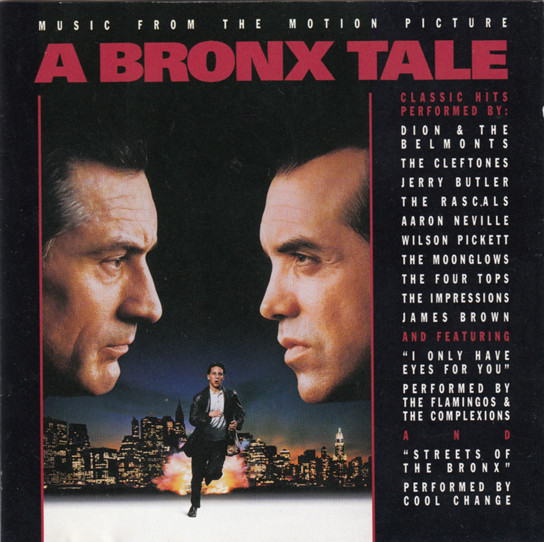
“A Bronx Tale” (1993): A Symphony of Loyalty, Family, and Coming-of-Age
Overview of the Film
“A Bronx Tale,” a poignant cinematic creation directed by Robert De Niro, unfolds against the backdrop of the Bronx in the 1960s, capturing the essence of a neighborhood grappling with cultural shifts and the challenges of coming of age. Significantly, this film marks Robert De Niro’s directorial debut, showcasing his multifaceted talents beyond acting. De Niro’s transition to the director’s chair adds a layer of personal investment and artistic vision to the project. With a keen understanding of the Bronx’s cultural nuances and a deep connection to the narrative, De Niro brings a unique perspective to the exploration of loyalty, family bonds, and the transformative journey of a young boy named Calogero. As both the architect behind the camera and a seasoned actor within the story, De Niro infuses “A Bronx Tale” with authenticity and emotional resonance, making it a remarkable debut in his directorial career.
Soundtrack’s Mix of Doo-Wop, R&B, and Classic Hits
The film’s soundtrack is a melodic journey through the vibrant sounds of doo-wop, R&B, and classic hits that resonated in the Bronx during that era. This musical selection serves as a sonic time capsule, transporting the audience to the streets and corners where the characters navigate life’s trials and triumphs. The authenticity of the soundtrack contributes significantly to the film’s immersive experience, creating a rich tapestry of sound that complements the visual storytelling. Notably, the inclusion of “I Only Have Eyes for You” stands out as an absolute personal favorite, adding a layer of personal resonance to the auditory landscape. This timeless classic becomes more than just a song; it becomes a sonic thread that weaves through the narrative, enhancing the emotional impact and making the film even more memorable for me. I simply love that song!
Doo-Wop Harmony: A Bronx Tale unfolds with the rhythmic beats of Doo-Wop, capturing the pulse of a multicultural Bronx neighborhood. Italian and African American cultures collide, creating a melodic symphony that echoes the vibrant tapestry of 1960s Bronx life.
Analysis of Key Musical Scenes
Several scenes stand out for their masterful integration of music to convey themes central to the narrative. One such scene is the neighborhood bar, where doo-wop harmonies provide the backdrop for pivotal moments of camaraderie and reflection. The music becomes a unifying force, reinforcing the sense of community and shared experiences.
In addition to these moments, the film strategically incorporates “All Along the Watchtower” by Jimi Hendrix in a scene that leaves an indelible mark. Set against a backdrop of tension and uncertainty, the haunting guitar riffs and evocative lyrics of Hendrix’s masterpiece serve as a powerful narrative device. This scene unfolds as the characters confront pivotal decisions and shifting dynamics. The song’s prophetic and enigmatic qualities amplify the atmosphere, creating a sense of impending change.
As “All Along the Watchtower” reverberates through the scene, it acts as a catalyst, heightening the emotional stakes and adding layers of meaning to the characters’ actions. The juxtaposition of Hendrix’s iconic track against the unfolding narrative creates a symbiotic relationship, where the music becomes an integral part of the storytelling process. This masterful incorporation of “All Along the Watchtower” not only showcases the film’s astute musical choices but also demonstrates the profound impact that a well-chosen song can have on the overall cinematic experience.
In moments of familial tension and self-discovery, the soundtrack subtly shifts to soulful R&B, mirroring the emotional landscape of the characters. For instance, during poignant conversations between Calogero and his father, the music becomes a poignant commentary, enhancing the depth of the relationships depicted on screen.
The coming-of-age theme is further heightened through classic hits that underscore Calogero’s personal growth. These songs become the soundtrack to his journey, encapsulating the spirit of the 1960s and reflecting the universal struggles of adolescence.
In essence, “A Bronx Tale” masterfully employs its soundtrack as a narrative tool, intertwining music with themes of loyalty, family dynamics, and the challenges of growing up in a culturally rich but turbulent environment. The result is a film where the music doesn’t merely accompany the story but becomes an integral part of its very soul, resonating with audiences long after the credits roll.
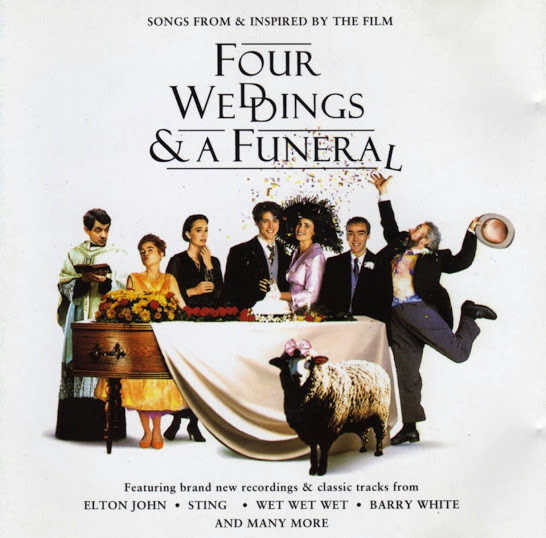
“Four Weddings and a Funeral” (1994): A Musical Symphony of Love and Laughter
Overview of the Film
“Four Weddings and a Funeral,” a romantic comedy directed by Mike Newell, emerges as a timeless classic within the genre. Against all odds, this film achieved unexpected success and became a cultural phenomenon. Set against the backdrop of a tight-knit group of friends navigating love and relationships, the movie boasts an ensemble cast that delivers memorable performances. Hugh Grant’s endearing portrayal of Charles, along with a cast of charismatic characters, sets the stage for a romantic odyssey filled with humor and heart. Despite its initial low budget and modest expectations, “Four Weddings and a Funeral” defied industry expectations, becoming a box office hit and a serious contender for Best Picture at the Academy Awards (Oscars).
Soundtrack’s Mix of Contemporary Pop Songs and Classic Tunes
The film’s soundtrack serves as a harmonious blend of contemporary pop songs and classic tunes, creating a musical palette that mirrors the eclectic nature of love itself. From the lively beats of contemporary hits to the timeless melodies of classic tracks, the soundtrack becomes a character of its own, weaving through the narrative and enhancing the film’s inherent charm. Notably, “Love Is All Around” by Wet Wet Wet emerges as an incredible song that holds a special place in the hearts of viewers, including myself. Its infectious melody and heartfelt lyrics add a layer of emotional depth to the film, becoming an anthem for the romantic journey depicted on screen. The song’s immense popularity is evident in its remarkable achievement, as it remained at number 1 on the UK Singles Chart for an astonishing fifteen weeks, solidifying its status as a cultural phenomenon. Furthermore, it earned its place as the ninth (now twelfth) biggest-selling single of all time in Britain, underlining the enduring impact of both the song and its association with “Four Weddings and a Funeral.”
Moreover, the soundtrack boasts the illustrious presence of Elton John, a musical icon, contributing not just one or two but three tracks. Each of these songs plays an essential role in moving the narrative forward, showcasing Elton John’s ability to capture the essence of love through his music. The synergy between these tracks and the unfolding story adds a dynamic layer to the film, making it a musical feast for audiences.
Additionally, Gloria Gaynor’s “I Will Survive” stands out as a climactic moment in both musical and narrative exploration. This classic anthem becomes a powerful expression of resilience and empowerment, resonating as a triumphant note within the film’s emotional crescendo. The inclusion of such iconic tracks, including those by Elton John and Gloria Gaynor, elevates the soundtrack to a level of excellence, contributing significantly to the film’s universal appeal and leaving an indelible mark on its viewers across generations.
Analysis of Key Musical Scenes
In “Four Weddings and a Funeral,” the film masterfully integrates its soundtrack into key scenes, heightening the emotional impact of pivotal moments. One such instance is the charming and light-hearted opening credits, where the upbeat and infectious melody of “Love Is All Around” by Wet Wet Wet sets the tone for the romantic journey ahead. The song’s catchy rhythm becomes a musical thread that weaves through the narrative, encapsulating the essence of love and relationships.
Another memorable musical moment occurs during the first wedding scene, where the soulful rendition of “Chapel of Love” by Elton John adds a touch of whimsy and romance. The choice of this classic tune not only complements the joyous celebration of love but also establishes a connection between the characters and the audience, creating a shared musical experience.
As the film progresses, the soundtrack becomes a dynamic part of the storytelling process during the climactic third wedding. The poignant and heartfelt “I Will Survive” by Gloria Gaynor becomes a cathartic anthem, symbolizing resilience and strength in the face of love’s challenges. This iconic track transforms the scene into a musical crescendo, reinforcing the film’s exploration of love’s complexities.
These carefully curated musical moments showcase the film’s ability to use its soundtrack as a narrative tool. Each song becomes a character within the story, contributing to the overall emotional landscape and making “Four Weddings and a Funeral” a memorable and resonant cinematic experience.
The charm of “Four Weddings and a Funeral” lies not only in its witty dialogue and endearing characters but also in its ability to leverage a carefully curated soundtrack. By aligning music with key emotional beats, the film elevates the romantic comedy genre, leaving an indelible mark on the hearts of viewers. This auditory journey, woven seamlessly into the fabric of the narrative, enhances the overall cinematic experience, showcasing the transformative power of music in storytelling.
The beautiful and romantic final scene, “Is It Still Raining?”
In conclusion, the impact of “Four Weddings and a Funeral” extends beyond the screen, resonating personally with viewers. For me, this film played a significant role in my journey of learning the English language. I watched it countless times, immersing myself in its clever dialogue and romantic nuances. With subtitles in English and a book guide containing the written dialogues, I delved into the intricacies of the language, learning passages by heart. The film became not just a source of entertainment but a language-learning companion, fostering a deeper appreciation for English. As a testament to its enduring allure, I can’t help but recall the beautiful and romantic final scene, “Is It Still Raining?”. This poignant moment encapsulates the film’s ability to capture the essence of love and longing, leaving an everlasting imprint on those who cherish its cinematic magic.
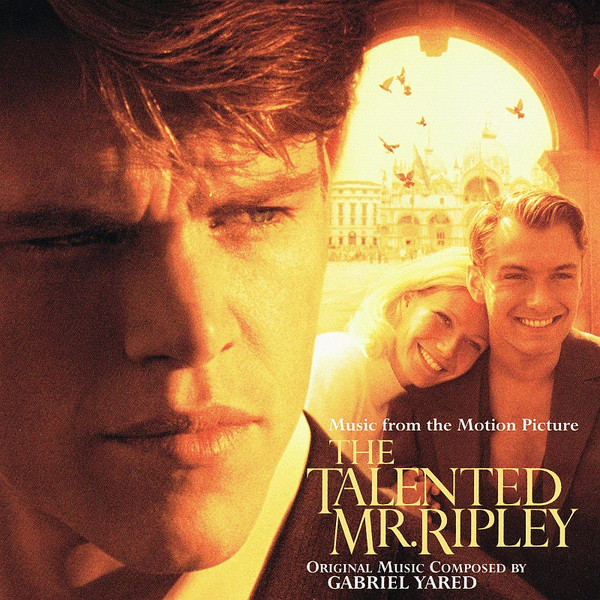
“The Talented Mr. Ripley” (1999): A Symphony of Suspense in 1950s Elegance
Introduction to the Film
“The Talented Mr. Ripley” unfolds against the backdrop of a suspenseful plot set in the glamorous world of 1950s high society. Directed by Anthony Minghella, the film, based on Patricia Highsmith’s 1955 novel of the same name, explores the complexities of identity, desire, and deception as Tom Ripley navigates a web of intrigue and obsession.
Gabriel Yared’s Jazz and Classical Music Soundtrack
The film’s atmospheric elegance is heightened by the masterful soundtrack crafted by Gabriel Yared. Yared seamlessly blends jazz and classical elements, creating a musical tapestry that mirrors the sophistication and tension of the narrative. The soundtrack becomes an integral part of the film’s allure, enhancing its suspenseful atmosphere with every note. Notably, the soundtrack also includes a mesmerizing track by the late Sinéead O’Connor, ‘Lullaby for Cain,’ adding an additional layer of haunting beauty to the auditory experience.
Musical Tapestry and Narrative Depth in “The Talented Mr. Ripley”
In the atmospheric world of “The Talented Mr. Ripley,” music proves instrumental in shaping character dynamics and emotional nuances, enriching the film’s narrative tapestry. One key instance unfolds within the Venice jazz club, where the vibrant jazz compositions, notably Charlie Parker’s “Ko-Ko,” provide a sonic backdrop to Ripley’s internal conflict and evolving relationships. Parker’s saxophone virtuosity artfully mirrors Ripley’s intricate emotions, adding depth to his character and the unfolding plot. The syncopated rhythms and bold improvisations immerse the audience in the psychological intricacies of the film.
Adding to the film’s musical allure, a captivating rendition of “Tu Vuo Fa L’Americano” becomes a standout moment. This jazz-infused take on the Italian classic encapsulates the cultural juxtapositions and identity struggles within Ripley’s world. As characters engage in a lively and deceptive dance, the music serves as a playful yet poignant reflection of the film’s themes, heightening the dramatic impact of unfolding events.
Musical magic: ‘Tu Vuo Fa L’Americano’ in ‘The Talented Mr. Ripley’ – a scene and musical moment for the ages.
Furthermore, the inclusion of ‘Stabat Mater (Excerpt)’ introduces a profound layer of meaning to the narrative. The medieval Catholic hymn, translating to “The Mother Was Standing,” reflects on the grief of the Virgin Mary during Jesus’s crucifixion. This haunting excerpt serves as a musical motif, symbolizing loss, remorse, and the consequences of Ripley’s actions. Its inclusion establishes a poignant connection between characters’ experiences and broader film themes, creating a haunting refrain that echoes the moral complexities faced by Ripley and intensifies the film’s impact.
These carefully chosen musical elements showcase Gabriel Yared’s mastery in using music as a narrative tool. The interplay of jazz compositions like “Ko-Ko” and the enchanting rendition of “Tu Vuo Fa L’Americano” reveals how music becomes integral to character development, contributing to the film’s enduring allure. In moments of heightened suspense, classical pieces take the forefront, accentuating themes of deception and blurred realities, intensifying the psychological drama. Yared’s meticulous selection of music enhances the overall cinematic experience, guiding the audience through the twists and turns of “The Talented Mr. Ripley” with silent yet powerful narration.
Conclusion
In the cinematic realm, the soundtracks of “A Bronx Tale,” “Four Weddings and a Funeral,” and “The Talented Mr. Ripley” stand as distinct musical achievements, each contributing uniquely to its respective film. “A Bronx Tale” immerses us in the cultural soundscape of the 1960s Bronx, enhancing the narrative’s authenticity with a mix of doo-wop, R&B, and classic hits. “Four Weddings and a Funeral” orchestrates a symphony of love and laughter, seamlessly blending contemporary pop songs and classic tunes to elevate the romantic comedy genre. Meanwhile, “The Talented Mr. Ripley” crafts a sophisticated tapestry of jazz, classical, and iconic tunes, underscoring the suspenseful elegance of 1950s high society in Italy.
These soundtracks transcend mere accompaniment, becoming integral components of storytelling, atmosphere, and emotional resonance. In “A Bronx Tale,” music shapes the neighborhood’s identity and becomes a sonic time capsule. For “Four Weddings and a Funeral,” the soundtrack becomes a character, guiding us through the complexities of love with its carefully curated blend of songs. In “The Talented Mr. Ripley,” music is a silent narrator, adding layers to character development and intensifying the psychological drama.
Closing Thoughts
These three movies, set in three very special places —New York City, London, and Italy— are not merely films; they are personal favorites, holding a special place in my relationship with filmmaking. While not instant Hollywood hits, they possess a unique charm and artistry that transcend mainstream expectations. Each soundtrack has become an indelible part of my cinematic journey, influencing not only my appreciation for storytelling but also my understanding of the power music wields in enhancing visual narratives.
I would also like to extend a special mention to some of their actors, who I admire so much and consider among the greatest of them all: Robert de Niro and Chazz Palminteri in “A Bronx Tale;” Hugh Grant, Kristin Scott Thomas, Andie MacDowell and even the one and only Rowan Atkinson in “Four Weddings and a Funeral;” and Matt Damon, Jude Law, Gwyneth Paltrow, and Philip Seymour Hoffman in “The Talented Mr. Ripley.” Their remarkable performances contribute significantly to the enduring impact of these cinematic gems.
I encourage fellow cinephiles to explore these films, not just for their compelling narratives but also for the artistry behind their musical selections. Delve into the vibrant sounds of the Bronx streets, dance through the weddings and funerals, and navigate the psychological twists of high society in Italy. Let the music guide you through these cinematic landscapes, and you may find, as I have, a deeper connection to the art of filmmaking and the profound impact of carefully curated soundtracks.
© Francesc Borrull, 2024
 Francesc Borrull