
By Francesc Borrull · March 4, 2024
1. Introduction
In the digital chaos of Napster’s heyday, a serendipitous encounter led me down a musical rabbit hole that forever changed my perspective on the power of a voice. It was the late ’90s, and the wild west of online file sharing was in full swing. In a quest to acquire a specific song—“Fields of Joy”—my virtual journey took an unexpected turn.
Little did I know, the version I downloaded carried with it a mesmerizing essence that transcended the typical auditory experience. It was through this illicit exchange that I was introduced to the ethereal voice of Eva Cassidy, a name unfamiliar and mysterious. The impact was immediate, her vocals wrapping around me like a warm embrace, leaving an indelible mark on my musical sensibilities.
Eva Cassidy, an artist not sought but stumbled upon, became a beacon of discovery, leading me to delve into her entire discography with a hunger for the unparalleled magic she wove into every note. This chance rendezvous sparked a musical journey, and Cassidy’s voice became a constant companion, guiding me through emotions I never knew a song could evoke.
This introduction marks the genesis of a profound connection with an artist whose voice transcended the digital realms of Napster, imprinting itself on the soundtrack of my life. The mystery of Eva Cassidy had begun, and the exploration of her melodic legacy unfolded as an unexpected yet cherished odyssey.
2. Discography
Eva Cassidy’s discography, though tragically brief, is a testament to her timeless artistry. From her early works to the posthumous releases that followed, each album unveils a kaleidoscope of musical hues, painting a portrait of an artist who defied categorization.
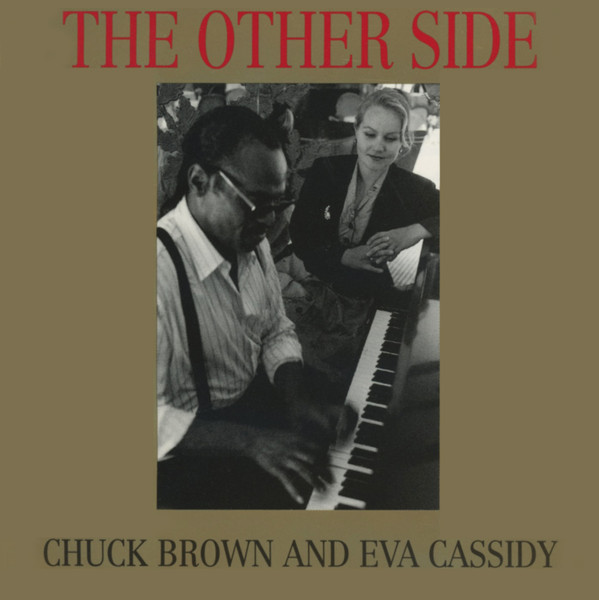
The Other Side (1992): Cassidy’s debut album, “The Other Side,” is a collaborative effort with the American go-go funk musician Chuck Brown, often hailed as the “Godfather of Go-Go.” Released in 1992 by Brown’s label Liaison Records, the album comprises jazz, blues, and soul standards, featuring a mixture of solos and duets. Noteworthy tracks from this collection include “God Bless the Child,” a soulful rendition of Billie Holiday’s classic performed by Eva Cassidy solo, and “You Don’t Know What Love Is,” showcasing Chuck Brown’s solo talents. One standout track is Cassidy’s masterful arrangement of “Over the Rainbow,” (written by Harburg and Arlen from the movie “The Wizard of Oz.”) This poignant rendition showcases her unique interpretive skills, illustrating her ability to infuse familiar tunes with a distinctive touch. “The Other Side” remains the sole studio album by Cassidy released during her lifetime, capturing the essence of her evolving musical style.
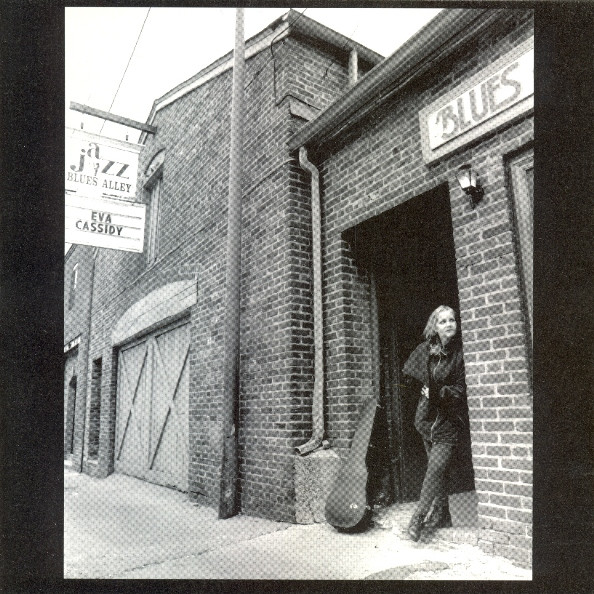
Live at Blues Alley (1996): Recorded live at the iconic Blues Alley in Washington, D.C., in January 1996, this album captures the raw intensity of Cassidy’s performances in a city known for its rich musical history. Released in May 1996, the album stands as a poignant testament to Eva Cassidy’s exceptional talent and remains a cherished showcase of her live artistry.
A poignant highlight of this live recording is Cassidy’s transformative rendition of “Autumn Leaves.” In the live environment of Blues Alley, her voice soars, creating a powerful connection with listeners as emotions reverberate through each note. Beyond “Autumn Leaves,” “Live at Blues Alley” features Cassidy’s soul-stirring interpretations of various classics. Her rendition of T Bone Walker’s “Stormy Monday” exudes bluesy elegance, while Paul Simon’s “Bridge Over Troubled Water” becomes a canvas for Cassidy’s emotive delivery. Curtis Mayfield’s “People Get Ready” showcases her ability to infuse spiritual depth into her performances.
This album also includes “Fields of Gold” by Sting, a track that served as an entrance point to the world of Eva Cassidy for many, including myself. Cassidy’s rendition of this song is a testament to her transformative touch, breathing new life into already beloved tunes.
The live recording concludes with “What a Wonderful World” (written by Bob Thiele and George David Weiss, first recorded by Louis Armstrong in 1967). This poignant finale encapsulates the beauty and emotional resonance that defined Eva Cassidy’s live performances. “Live at Blues Alley” immortalizes her ability to transform a live setting into an intimate, emotional journey through the tapestry of music.
Tragically, Cassidy passed away in November 1996, making this album one of the final glimpses into the extraordinary talent that left an indelible mark on the world of music. Before her passing, during a benefit concert in her honor on September 17, 1996, at The Bayou in Washington DC, Eva Cassidy made her last public appearance. Closing the set with “What a Wonderful World” in front of an audience comprised of family, friends, and devoted fans, this profound moment added an extra layer of significance to the song. The heartfelt performance at The Bayou became Eva Cassidy’s farewell, making “What a Wonderful World” not only a poignant conclusion to the live album but also a deeply emotional and symbolic farewell in her final public appearance.
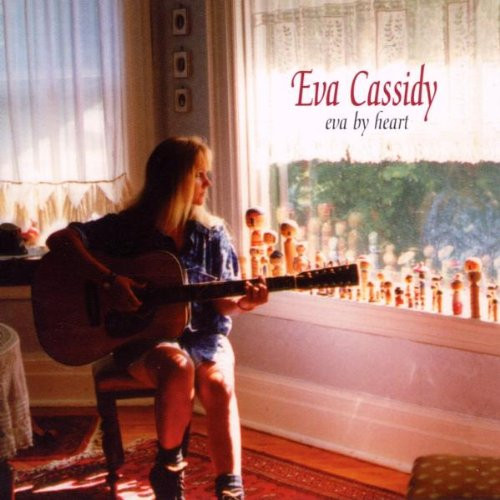
Eva by Heart (1997): Released posthumously, “Eva by Heart” seamlessly carries forward Cassidy’s musical alchemy, even beyond her time. This album not only showcases her prowess in breathing new life into well-known tracks but also reveals her ability to evoke profound emotions through her emotive delivery and nuanced interpretations. As a posthumous release, “Eva by Heart” epitomizes Cassidy’s enduring ability to transform familiar melodies into timeless masterpieces. This poignant testament to her artistry allows listeners to experience the emotional resonance that defined Eva Cassidy’s unique musical legacy, continuing to shine in the soulful embrace of her posthumous creations.
The inclusion of the traditional gospel song “Wade in the Water” is a defining moment on this album. Eva Cassidy transforms this timeless piece into a signature rendition, infusing it with a depth of emotion and vocal virtuosity that has become synonymous with her name. The track becomes a testament to her ability to take familiar melodies and make them uniquely her own, leaving an indelible mark on listeners.
Another gem within “Eva by Heart” is her rendition of “Songbird” by Christine McVie. Cassidy’s interpretation of this Fleetwood Mac classic is nothing short of enchanting. With a voice that exudes vulnerability and tenderness, she navigates the lyrics with a delicate touch, creating a rendition that is both heartwarming and emotionally resonant. The refrain, “And I love you, I love you, I love you, like never before” becomes a poignant expression, echoing Cassidy’s own unparalleled ability to convey deep emotions through her music.
The album, as a whole, radiates a sense of intimacy, inviting listeners into the very heart of Cassidy’s musical world. Whether she is delivering a soul-stirring original or offering her unique take on well-known classics, “Eva by Heart” stands as a testament to the depth and versatility of Eva Cassidy’s artistry. Her ability to infuse every note with emotion and meaning continues to make this album a cherished journey into the soul of one of music’s most exceptional voices.

Songbird (1998): Songbird holds a special place in my musical journey, being the first Eva Cassidy album I encountered, albeit through Napster downloads (later supplemented by a purchased CD to support her art). For anyone diving into the enchanting world of Eva Cassidy, Songbird serves as an unparalleled introduction. Notably, this compilation album marked a significant milestone as Eva Cassidy’s first U.K. No. 1 album. As a compilation, it beautifully encapsulates the breadth and depth of Cassidy’s talent.
It’s challenging to single out specific tracks, as each song is a gem in its own right. However, a few favorites stand out among the exquisite collection. Cassidy’s rendition of Sting’s “Fields of Joy” breathes new life into the song, infusing it with her unique style. “Wade in the Water,” a traditional piece, evokes memories of church performances, resonating with a spiritual and soulful depth. “Autumn Leaves,” a jazz classic, becomes a personal favorite, showcasing Cassidy’s versatility in navigating different genres.
Cassidy’s cover of Curtis Mayfield’s “People Get Ready” is a soul-stirring experience, emphasizing her ability to infuse a song with deep emotional resonance. The timeless “Over the Rainbow,” from “The Wizard of Oz,” holds a special place, not only for its significance in cinema but also as a lasting contribution to the musical landscape.
Songbird, with its diverse and captivating selection, stands as a testament to Eva Cassidy’s remarkable ability to interpret a wide range of genres with authenticity and soul. For me, it remains an evergreen starting point and a testament to the enduring beauty of her musical legacy.
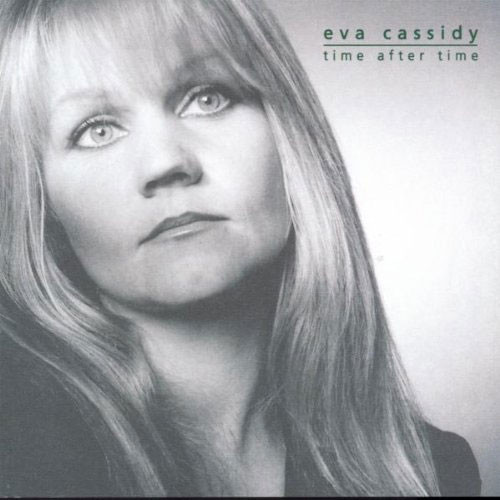
Time After Time (2000): Released posthumously, “Time After Time” stands as a poignant chapter in Eva Cassidy’s musical legacy, providing a bittersweet reminder of the immense talent lost with her untimely passing. This album cements her place as a timeless interpreter of songs, showcasing her unique ability to infuse familiar tunes with a personal and soul-stirring touch.
Eva Cassidy’s rendition of the title track, “Time After Time,” is a standout moment on the album. Her emotive depth and nuanced delivery breathe new life into the song, transforming it into a deeply personal experience for the listener. The way she navigates the lyrics with vulnerability and authenticity exemplifies her unmatched skill in connecting with the heart of a song.
Similarly, Cassidy’s interpretation of “True Colors” adds another layer of emotional resonance to the album. Her soulful delivery unveils the sincerity and vulnerability embedded in the lyrics, creating an intimate connection with the listener. Cassidy’s ability to make each song her own, even posthumously, underscores the enduring impact of her artistry.
“Time After Time” serves as both a celebration of Cassidy’s musical brilliance and a lament for the music that could have continued to blossom had she not left us so soon. The posthumous release of this album allows fans to revel in the richness of her interpretations, providing solace in the knowledge that her extraordinary talent continues to touch hearts even beyond her time.
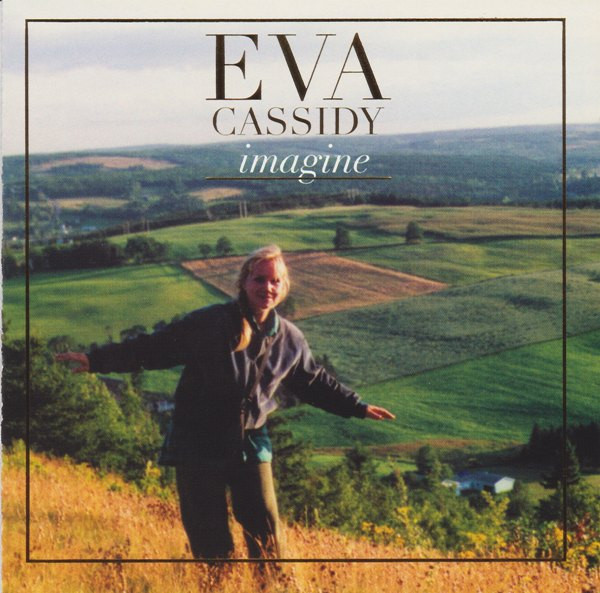
Imagine (2002): Released posthumously, “Imagine” showcases Eva Cassidy’s unparalleled ability to reinterpret iconic songs. The album is not only a testament to her enduring influence on subsequent generations of musicians but also a powerful testament to her artistry.
The title track, “Imagine,” originally penned by John Lennon, takes on a new dimension in Cassidy’s hands. Her interpretation echoes with poignant relevance, adding a layer of sensitivity and emotion to the already powerful lyrics. Cassidy’s delivery transforms the song into a personal and reflective journey, inviting the audience to envision a world of unity and peace.
Noteworthy is the album’s chart success, peaking at No. 32 on the U.S. Billboard Top 200 and securing her second U.K. No. 1 album. This accomplishment underscores the enduring appeal of Eva Cassidy’s music, even after her passing. “Imagine” stands as a testament to her ability to connect with the essence of a song, infusing each track with her unique artistry and leaving an indelible mark on the musical landscape.
Each album is a pivotal chapter in the captivating Eva Cassidy saga, unveiling layers of artistry that refuse to fade with time. The tracks, akin to musical chapters, intricately weave a journey of emotions, leaving an indelible mark on the soul. Personally, “Over the Rainbow” became a comforting lullaby in moments of solitude, a poignant reminder of Cassidy’s remarkable ability to transform the familiar into the extraordinary. Simultaneously, her rendition of “What a Wonderful World” stands as a testament to her profound attitude towards life. Despite battling cancer and departing at such a young age, Cassidy’s maturity allowed her to embrace the song and its profound meaning. Through her rendition, she shared her love and appreciation for life with the world, creating an extraordinary legacy that resonates with an enduring sense of beauty and grace. With the addition of the Songbird compilation, her discography becomes an even richer treasure trove of sonic gems, continuing to enchant and resonate. Each album and compilation, like a cherished anthology, invites both dedicated fans and new listeners alike into the enduring magic of Eva Cassidy’s expansive musical universe.
3. Technical Analysis
Eva Cassidy, a singular voice in the realm of music, possessed a set of remarkable technical abilities that contributed to her distinctive sound. Her vocal range was expansive, allowing her to effortlessly traverse octaves with a rare fluidity. Cassidy’s ability to seamlessly transition between registers, from the deep resonances to the delicate high notes, showcased a vocal dexterity that remains unparalleled. One exemplary song that showcases Eva Cassidy’s ability to seamlessly transition between registers is “Autumn Leaves.” In this rendition of the jazz standard, Cassidy masterfully navigates the song’s melodic range, effortlessly moving from deep, resonant tones in the lower register to delicate and poignant high notes. Her vocal dexterity is on full display, creating a captivating and emotionally rich interpretation of the classic tune. “Autumn Leaves” not only highlights Cassidy’s technical prowess but also demonstrates her unique ability to infuse a timeless piece with her own emotive depth, leaving an indelible mark on the listener.
Cassidy’s style was a rich tapestry woven from various genres, including jazz (“Autumn Leaves”), blues (“Drown in My Own Tears”), folk (“Songbird”), and gospel (“Wade in the Water”). This eclectic fusion formed the foundation of her musical identity, demonstrating a versatility that transcended traditional boundaries. Her interpretations of classic songs exhibited a profound understanding of musical dynamics, as she could navigate intricate melodies with an innate sense of timing and phrasing.
Influences on Eva Cassidy’s style were diverse, reflecting her appreciation for artists across genres and eras. From the soulful phrasing reminiscent of Billie Holiday (“Fine and Mellow”) to the folk influences reminiscent of Joan Baez (“The Water Is Wide”), Cassidy drew inspiration from a wide spectrum of musical traditions. This amalgamation of influences contributed to the creation of her unique sound, resonating with a timeless quality that defied categorization.
Comparisons with contemporaries or connections to modern artists reveal the enduring impact of Eva Cassidy’s artistry. While her career gained momentum posthumously, her influence can be sensed in the work of artists who appreciate her genre-defying approach and emotional depth. Musicians like Norah Jones, Katie Melua, and Alison Krauss have openly expressed inspiration drawn from Cassidy’s ability to convey authenticity and vulnerability through her interpretations.
Notable techniques contributing to Cassidy’s distinctive sound include her emotive phrasing, which went beyond technical precision to convey profound emotional resonance. Her gentle yet powerful delivery could evoke a range of feelings, from joy to sorrow, leaving an indelible imprint on the listener.
Eva Cassidy’s technical prowess was not confined to vocal abilities alone; her skillful guitar playing added another layer to her artistry. The delicate yet intricate arrangements showcased a musician with a profound understanding of the instrument, further enriching the sonic landscape of her performances.
In essence, Eva Cassidy’s technical brilliance lies not just in her vocal and instrumental abilities but in the alchemical combination of these elements. Her ability to seamlessly blend genres, interpret classics with a fresh perspective, and convey genuine emotion through her music cements her as a timeless figure in the musical landscape, leaving an enduring legacy for generations to come.
4. Tragic Demise
Eva Cassidy’s luminous musical journey was tragically cut short by her battle with cancer. Diagnosed with melanoma, a type of skin cancer, Cassidy faced the formidable challenge of fighting a disease that would ultimately claim her life at the young age of 33.
The impact of her health struggles on Cassidy’s career and recognition was profound. At the time of her diagnosis, her extraordinary talent had yet to receive widespread acknowledgment, and she remained largely unknown outside her local music scene. As the harsh reality of her illness set in, her focus shifted to personal battles, and the music industry at large remained oblivious to the imminent loss of a remarkable talent.
Despite her ongoing health struggles, Cassidy continued to perform, and her last performances hold poignant significance in her legacy. Notably, on September 17, 1996, she made her final public appearance at a benefit concert held in her honor at The Bayou in Washington DC. Closing the set with “What a Wonderful World,” this performance stands as a historic moment in Cassidy’s career. In front of a devoted audience comprising family, friends, and fans, it became a symbolic and emotional farewell, encapsulating the beauty and emotional resonance that defined her live performances.
Her battle with cancer did not diminish the intensity of her performances; rather, it added a layer of vulnerability and authenticity that resonated deeply with those who witnessed her live shows during this period. Despite the physical toll of her illness, Cassidy’s commitment to her craft remained unwavering, and her ability to connect with the audience on an emotional level persisted until the end.
Eva Cassidy’s tragic demise serves as a stark reminder of the fragility of life and the often-unseen struggles faced by artists behind the curtain. Her story is one of unfulfilled potential, yet her legacy endures as a testament to the indomitable spirit that persisted even in the face of adversity. The emotional depth and sincerity embedded in her music became an everlasting legacy, transcending the confines of time and solidifying her status as a timeless musical force.

5. Legacy
Eva Cassidy’s legacy is marked by a posthumous recognition that far surpasses the acknowledgment she received during her lifetime. In the years following her untimely death in 1996, Cassidy’s impact on the music world has grown exponentially.
Posthumously, Eva Cassidy has received several tributes and accolades recognizing her extraordinary contributions to music. The compilation album “Songbird,” released in 1998, played a pivotal role in introducing her work to a broader audience. Remarkably, it became her first album to reach the number one spot on the UK Albums Chart, a testament to the enduring appeal of her music.
Her influence extends beyond chart success, as contemporary artists continue to pay homage to her distinctive style and emotive interpretations. Cassidy’s ability to traverse genres and convey profound emotions has inspired a new generation of musicians. Notable artists such as Katie Melua, Norah Jones, and Christina Perri have openly expressed their admiration for Cassidy’s work, citing her as an influence on their own musical journeys.
Eva Cassidy’s songs have found a second life through numerous cover versions and adaptations. Artists across genres have been drawn to her timeless compositions, reinterpreting them in their own styles. This ongoing trend is a testament to the enduring quality of Cassidy’s music, as each new rendition introduces her artistry to fresh audiences.
Her music has also made significant appearances in popular media, further solidifying her legacy. Notably, her rendition of “Over the Rainbow” was featured in the movie “The Waitress” (2007), introducing her voice to a new generation of filmgoers.
The Eva Cassidy legacy extends beyond the world of music. For example, in 2022, “The Eva Cassidy Mural Project” in Annapolis, Maryland, paid homage to her enduring impact by creating a vibrant mural in her honor. This artistic tribute stands as a testament to the profound influence Cassidy had on her community and the broader world, commemorating her remarkable contributions to the arts.
While her career was tragically short-lived, Eva Cassidy’s legacy continues to grow, leaving an indelible mark on the hearts of those who discover her music. Her ability to transcend genres and connect with listeners on a profound emotional level ensures that her influence will persist for generations to come, solidifying her status as a timeless and revered musical figure.
6. Conclusion
In the tapestry of musical history, Eva Cassidy emerges as a mysterious artist, a hidden gem discovered by chance, much like the serendipitous encounter I had with her music on Napster in 1998. From that moment, her voice wove its way into my soul, leaving an indelible mark and sparking a journey through the enchanting landscapes of her discography.
Exploring Eva Cassidy’s musical realm, I uncovered not just a singer but a virtuoso who effortlessly traversed genres. Her debut album, “The Other Side,” showcased her versatility, and the live intensity captured in “Live at Blues Alley” became a visceral connection to her artistry. Each album, from the posthumously released “Songbird” to the emotive “Time After Time,” unfolded like a cherished chapter, revealing the layers of a talent that defied categorization.
The technical prowess displayed in her vocal range, the echoes of influences ranging from Billie Holiday to Joan Baez, and the poignant renditions of classics marked Cassidy as an artist of unparalleled depth. The tragedy of her untimely demise, battling cancer with unwavering commitment, added a layer of vulnerability to her performances, making each note a testament to resilience.
Eva Cassidy’s legacy extends far beyond music charts. The posthumous recognition, the influence on contemporary artists like Norah Jones and Katie Melua, and the vibrant mural in Annapolis, Maryland, all stand as tributes to her enduring impact. The mystery lies in why such a remarkable talent remained largely unnoticed during her lifetime, and why her name is not as widely recognized as her voice deserves.
For me, Eva Cassidy’s music is a treasure trove of emotions—a lullaby in solitude, a companion in joy, and a solace in sorrow. Her ability to infuse familiar tunes with newfound emotion, as seen in “What a Wonderful World,” is a testament to her transformative touch. In a world inundated with noise, her voice remains a cherished sanctuary, resonating with authenticity and vulnerability.
As I reflect on Eva Cassidy’s legacy, it becomes clear that the mystery lies not only in the enigma of her discovery but in the enduring question of why her brilliance isn’t a household name. Yet, perhaps it is this very obscurity that makes her artistry even more precious, a hidden gem waiting to be unearthed by those willing to venture beyond the mainstream. Eva Cassidy, the mystery artist, deserves more recognition—a recognition not just for what she was, but for what she continues to be—a timeless force in the musical landscape, leaving an everlasting imprint on those fortunate enough to uncover her magic.
© Francesc Borrull, 2024
Eva Cassidy at Blues Alley, singing “What a Wonderful World” (January 3, 1996).
 Francesc Borrull