
By Francesc Borrull · March 8, 2024
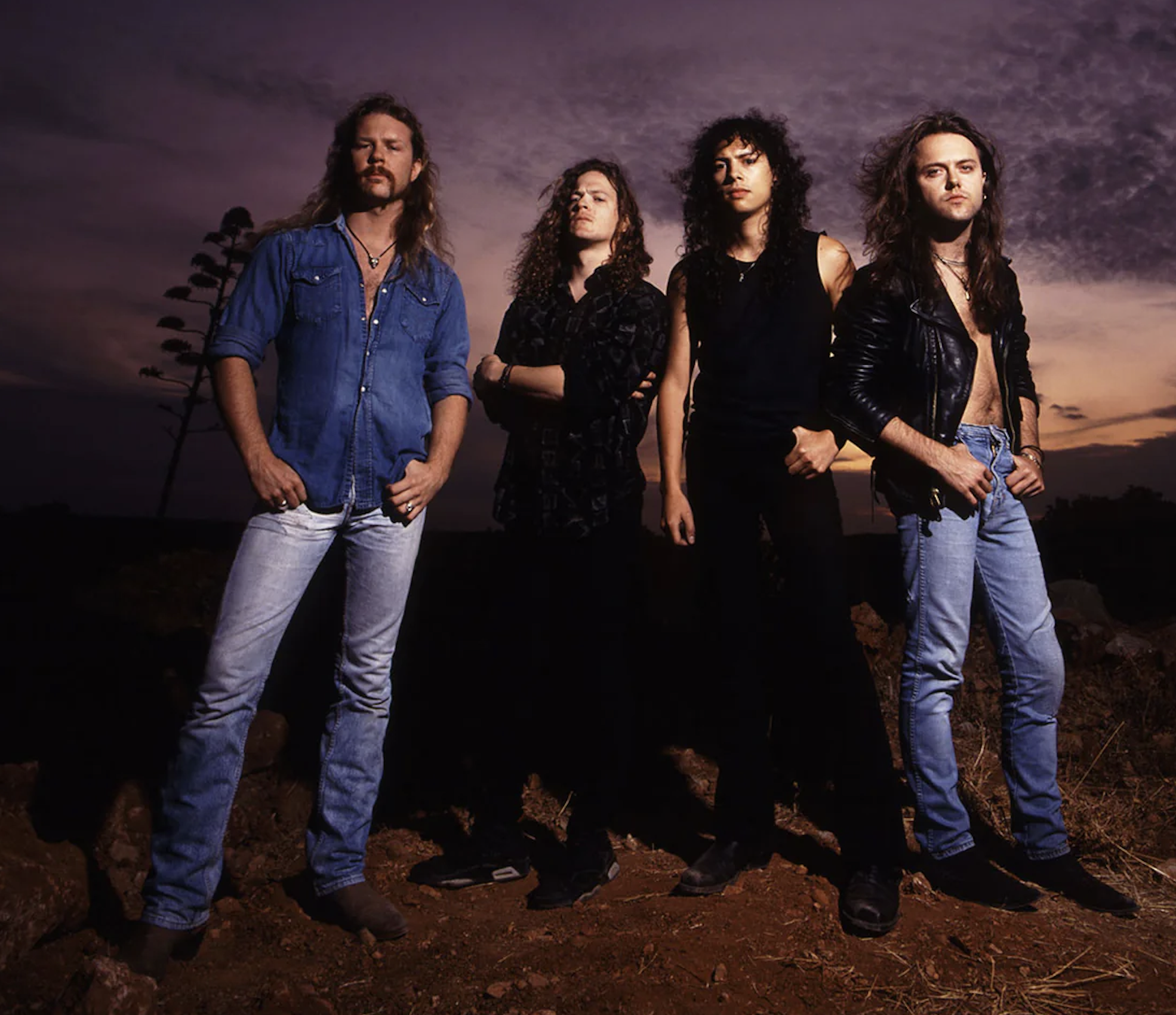
Photo: Ross Halfin
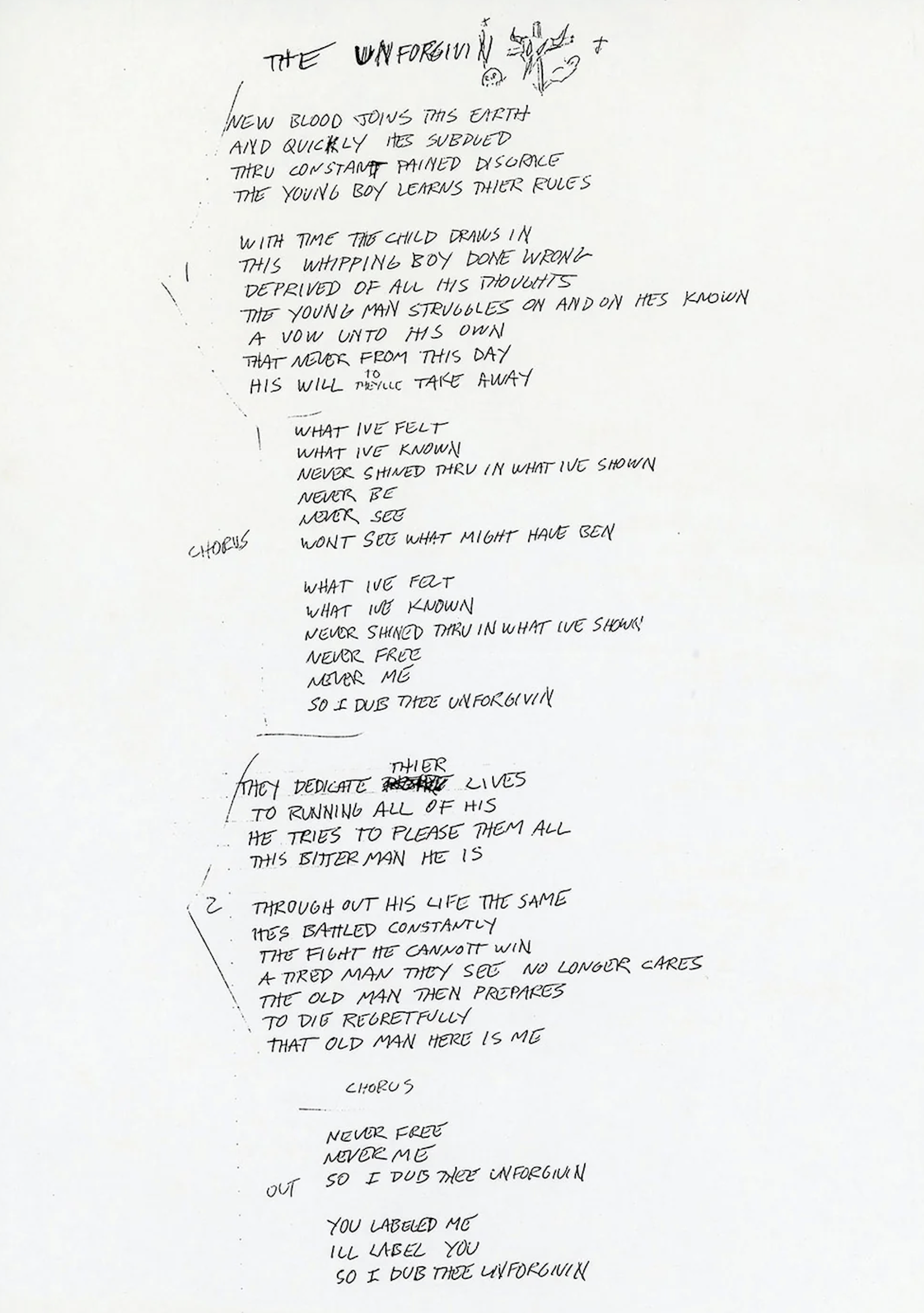
From the Collection of Lars Ulrich. Source: The Metallica Black Box.
Introduction
Being a dedicated Metallica fan since my early teens, the band has been an integral part of my musical journey. From collecting all of their music and proudly wearing their T-shirts to attending their concerts, Metallica’s influence has permeated every aspect of my musical identity. I even had the privilege of witnessing Cliff Burton play live before his tragic death.
While I would agree with many that Metallica’s glory days ended with the Black Album, my respect for the band has not diminished. I’ve continued to follow their journey, including the release of iconic tracks like “The Unforgiven,” which this paper deeply explores. This article delves into the evolution of “The Unforgiven” across its three iterations, offering a detailed analysis of the musical and lyrical progression. Rather than providing an overview of the band’s enduring impact, the focus is squarely on the song and its transformative journey through different albums. Join me as we dissect the nuances of “The Unforgiven” and unravel the layers that make it a timeless piece within Metallica’s extensive discography.
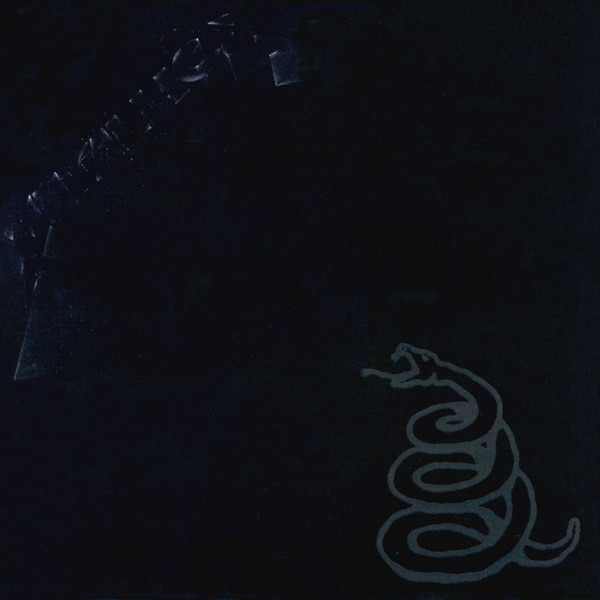
The Unforgiven (The Black Album)
“The Unforgiven” is a significant composition by Metallica, co-written by band members James Hetfield, Lars Ulrich, and Kirk Hammett. This iconic piece is the fourth track on Metallica’s eponymous fifth studio album, commonly known as the Black Album, which was released in 1991.
Musical Analysis
In the Black Album’s rendition of “The Unforgiven,” Metallica masterfully blends melodic elements with their trademark heavy sound, demonstrating a seamless integration of diverse musical elements. The song’s opening unfolds with a haunting clean guitar intro, a melancholic melody that sets the stage for the emotional journey to come. This deliberate choice of starting softly establishes a foundation for the dynamic shifts that characterize the composition.
As the song progresses, tension steadily builds, drawing listeners into the intricate layers of the music. James Hetfield’s vocal delivery adds depth to the narrative, intertwining with the musical arrangement to create a powerful sonic experience. The orchestration of Kirk Hammett’s guitar solos and Lars Ulrich’s drumming further contributes to the song’s complexity, showcasing the band’s technical prowess and collaborative synergy.
A distinctive feature of “The Unforgiven” lies in its ability to seamlessly transition between softer and heavier sections. This juxtaposition of dynamics is a hallmark of Metallica’s musical versatility, allowing them to craft a composition that engages listeners emotionally and intellectually. The interplay between light and heavy elements not only underscores the band’s musical dexterity but also enhances the storytelling aspect of the song.
In essence, the Black Album’s rendition of “The Unforgiven” is a testament to Metallica’s prowess in crafting a multifaceted musical experience. The deliberate choices in instrumentation, dynamic shifts, and collaborative execution contribute to the song’s enduring impact and make it a standout within the realm of heavy metal.
Lyrical Commentary
“The Unforgiven” unfolds as a profound exploration of the human psyche, delving into the intricate layers of internal conflict, societal expectations, and the pursuit of individual autonomy. Hetfield’s masterful storytelling within the lyrics creates a vivid narrative that resonates with listeners on a profound level. The lyrics delve into the internal struggle of an individual against external forces seeking to suppress them. The themes of betrayal, forgiveness, and the fight for autonomy resonate deeply. Hetfield’s poignant lyrics evoke a narrative that transcends the music, making “The Unforgiven” a timeless exploration of the human condition. Together, these elements converge to construct a rich tapestry of emotional depth and thematic complexity within the song.
Verse 1:
New blood joins this earth
And quickly he’s subdued
Through constant pained disgrace
The young boy learns their rules
With time the child draws in
This whipping boy done wrong
Deprived of all his thoughts
The young man struggles on and on, he’s known
Ooh, a vow unto his own
That never from this day
His will they’ll take away
Verse 1 of “The Unforgiven” delves into a narrative of new beginnings tainted by societal expectations and the harsh realities of life. The lyrics depict the arrival of a new life, marked by innocence and vulnerability. However, the optimism is short-lived as the young boy is quickly subdued, introducing an underlying theme of external forces imposing their will on the individual.
The mention of “constant pained disgrace” highlights the oppressive nature of the environment, suggesting a cycle of suffering that the young boy is forced to endure. The lyrics convey the harsh initiation into the rules and norms dictated by society, where the child becomes a “whipping boy done wrong.” This imagery evokes a sense of punishment and victimization, setting the tone for the protagonist’s struggles.
As time progresses, the child internalizes the pain and experiences a gradual withdrawal, symbolized by “drawing in.” The reference to a “whipping boy done wrong” implies a sense of injustice, where the young man is deprived of his thoughts and struggles to assert his identity within the constraints imposed upon him. The repetition of “on and on, he’s known” suggests a relentless journey marked by the weight of societal expectations.
The oath expressed in the lines “Ooh, a vow unto his own / That never from this day / His will they’ll take away” introduces a pivotal moment of self-awareness and determination. The young man, despite the adversity, makes a solemn vow to retain his autonomy and resist the external forces seeking to control him. This vow becomes a central theme in the song, representing a commitment to self-determination and the preservation of one’s individuality.
In essence, Verse 1 of “The Unforgiven” establishes a poignant narrative of a young life marred by societal pressures, injustice, and the internal struggle for autonomy. The lyrical depth and storytelling prowess contribute to the song’s resonance, inviting listeners to empathize with the protagonist’s journey of self-discovery and defiance.
Chorus:
What I’ve felt
What I’ve known
Never shined through in what I’ve shown
Never be
Never see
Won’t see what might have been
What I’ve felt
What I’ve known
Never shined through in what I’ve shown
Never free
Never me
So I dub thee unforgiven
The chorus of “The Unforgiven” encapsulates the emotional core of the song, expressing the protagonist’s inner turmoil and the consequences of societal expectations. The repetition of “What I’ve felt / What I’ve known” emphasizes the internal conflict, suggesting that the true emotions and experiences of the protagonist remain concealed or suppressed.
The poignant lines “Never shined through in what I’ve shown” convey a sense of inner darkness or struggle that the protagonist carries within. Despite external appearances or actions, the genuine emotions and experiences of the individual fail to manifest outwardly. This dissonance between inner feelings and external presentation becomes a central theme, reflecting the internalized nature of the protagonist’s struggles.
The phrase “Never be / Never see / Won’t see what might have been” introduces a lament for unrealized potential and missed opportunities. The protagonist expresses a sense of limitation, implying that the societal constraints placed upon them have hindered the realization of their true self. The repetition reinforces the permanence of these limitations, creating a somber refrain.
The lines “Never free / Never me” echo a profound sense of entrapment and a loss of personal identity. The use of “unforgiven” as a label implies a judgment placed upon the protagonist by external forces, contributing to a perpetual state of unfreedom and a denial of selfhood. The self-dubbing as “unforgiven” suggests a resignation to societal expectations, internalizing the judgment imposed upon them.
In essence, the chorus of “The Unforgiven” serves as a poignant reflection on the internal struggles of the protagonist, emphasizing the conflict between inner feelings and external expectations. The repetition of key phrases contributes to the emotional weight of the chorus, creating a memorable and evocative refrain that resonates with listeners.
Verse 2:
They dedicate their lives
To running all of his
He tries to please them all
This bitter man he is
Throughout his life the same
He’s battled constantly
This fight he cannot win
A tired man they see no longer cares
The old man then prepares
To die regretfully
That old man here is me
Verse 2 of “The Unforgiven” unveils a poignant narrative of a man’s life marked by the burden of societal expectations, continuous struggle, and eventual resignation. The lines “They dedicate their lives / To running all of his” suggest a collective force imposing expectations and judgments upon the protagonist. The use of “they” emphasizes the external pressures that shape and control his life.
The portrayal of the protagonist as a “bitter man” reflects the impact of a lifetime of attempting to meet the expectations placed upon him. The bitterness implies a sense of disillusionment and resentment stemming from the inability to please others and the realization of the futility of the struggle.
The repetition of “Throughout his life the same / He’s battled constantly” underscores the enduring nature of the protagonist’s internal conflict. The continuous battle, which the man cannot seem to win, symbolizes the struggle against societal norms and the weight of external judgments. The repetition emphasizes the relentlessness of the fight and the toll it takes on the individual.
The lines “A tired man they see no longer cares” reveal a weariness that has overtaken the protagonist. The exhaustion from the perpetual struggle has led to a point where he is perceived as indifferent. The external judgments and societal expectations have drained the man of his caring nature, leaving him fatigued and emotionally detached.
The imagery of the “old man” preparing “to die regretfully” adds a somber and reflective tone to the verse. The regret suggests a lifetime of unfulfilled aspirations and the burden of conformity. The revelation that the “old man here is me” connects the narrative to the personal experiences of the protagonist, making the verse a poignant self-reflection.
In summary, Verse 2 of “The Unforgiven” delves into the profound consequences of a life lived under societal expectations, depicting a man worn down by the constant battle and ultimately facing the regret of unfulfilled dreams. The emotional depth and relatable themes make this verse a powerful component of Metallica’s lyrical storytelling.
Guitar Solo and Outro:
The guitar solo in “The Unforgiven” is a masterful display of musical expression that complements the emotional depth of the song. Kirk Hammett’s intricate guitar work provides a voice to the unspoken struggles depicted in the lyrics. The solo serves as an emotional release, allowing listeners to connect with the internal turmoil and yearning for freedom without the need for words. The soaring notes and expressive phrasing contribute to the song’s overall intensity, creating a memorable musical moment.
As the song reaches its conclusion, the repeating refrain in the outro, “Never free, never me / So I dub thee unforgiven,” reinforces the central themes of societal judgment and the struggle for individuality. The haunting repetition of these lines serves as a powerful reminder of the lasting impact of external labels and the challenges faced in breaking free from societal expectations. The word “dub” adds a sense of formal imposition, highlighting the weight of the judgment placed upon the individual.
The concluding verses and outro bring the narrative full circle, emphasizing the enduring nature of the internal and external struggles depicted in the song. The repetition of the refrain intensifies the emotional resonance, creating a lingering impression on the listener. The outro serves as a musical reflection of the themes explored throughout the song, leaving a lasting imprint on the audience.
In essence, the guitar solo and concluding sections of “The Unforgiven” contribute to the song’s multifaceted exploration of the human experience. The instrumental interlude and lyrical outro combine to create a profound and resonant musical journey that transcends its metal roots, making it a timeless piece in Metallica’s repertoire. The song’s ability to evoke introspection and reflection showcases the enduring impact of Metallica’s artistic expression.
Music Video
The official music video for “The Unforgiven,” released in 1991, is a visually compelling and thematically rich piece that adds depth to the song’s narrative. Directed by Matt Mahurin, the black-and-white video unfolds as a poignant visual representation of the song’s lyrics.
The video revolves around a barefoot boy born into captivity, spending his life in a windowless stone room. The bareness of his surroundings reflects the emotional confinement explored in the song. As the video progresses, the boy ages into an adult and eventually an old man, symbolizing the passage of time and the enduring nature of the internal struggles depicted in the lyrics.
A central theme of the video is the boy’s relentless endeavor to carve into the stone walls, creating a window that offers a glimpse into the outside world. This act becomes a metaphor for the protagonist’s pursuit of freedom and escape from the confines of societal expectations. The recurring image of the key, his sole possession, adds a layer of symbolism, representing the elusive key to personal liberation.
The video introduces a subtle narrative of another captive living on the other side of the stone room, suggesting a shared experience of confinement and struggle. The connection between the two captives reinforces the broader theme of the human condition and the universal nature of the quest for freedom and self-discovery.
The climax of the video occurs when the old man finally succeeds in creating the window and deposits his possession—symbolically offering a glimpse of his inner self to the external world. However, the closing scenes take a poignant turn as the old man, having achieved his symbolic act of liberation, blocks off the tunnel he used to access the cell. This act, accompanied by his final moments of lying down to die, suggests a bittersweet resolution to the lifelong struggle.
An extended version of the video, lasting 11:33 minutes, provides additional introductory scenes that precede the main portion of the video. This version adds a theatrical dimension, offering viewers a more immersive experience into the visual narrative.
In summary, the music video for “The Unforgiven” enhances the song’s exploration of internal strife, societal expectations, and the quest for freedom. Matt Mahurin’s direction, coupled with the poignant imagery and symbolism, creates a lasting visual representation that complements the emotional depth of Metallica’s iconic track.
P.S. See “The Unforgiven” music video treatment & video storyboard here.
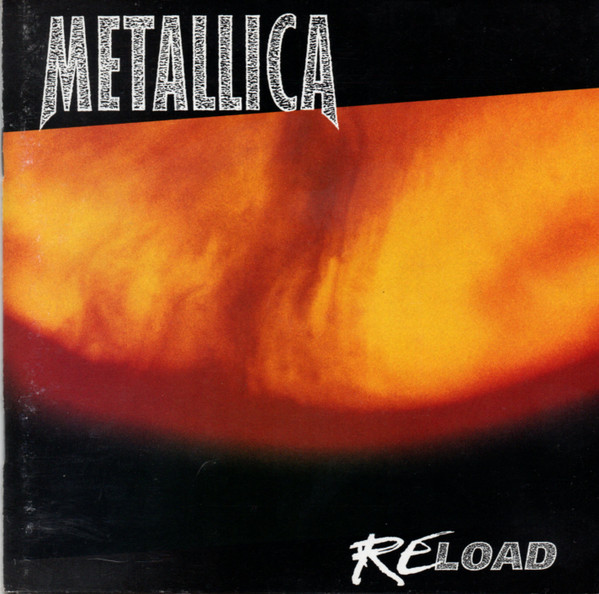
The Unforgiven II (Reload Album)
“The Unforgiven II” stands as a significant composition by Metallica, co-written by band members James Hetfield, Lars Ulrich, and Kirk Hammett. Serving as the second installment, or sequel, to the original “The Unforgiven” released in 1991, this iconic piece is the fourth track on Metallica’s seventh studio album, Reload, released in 1997. This period marked a distinctive shift in the band’s style, with shorter haircuts and the use of makeup and painted nails, contributing to the album’s divisive reception, widely considered one of their weakest efforts.
Musical Analysis
“The Unforgiven II” on the Reload album adeptly retains the core essence of its predecessor while elevating it with a more polished and refined sound. The song maintains the melodic undertones inherent in the original and builds upon them with additional layers of complexity. Noteworthy is the continued utilization of acoustic sections, a characteristic that resonates from the original composition. The introduction of harmonized guitar lines further enriches the musical landscape, demonstrating Metallica’s nuanced approach to musical evolution. The band’s willingness to weave intricate layers into a familiar tapestry showcases their artistic depth and commitment to musical exploration.
Lyrical Commentary
Building upon the foundation laid in the first iteration, “The Unforgiven II” explores the ongoing struggle, adding layers to the narrative. The lyrics delve deeper into the ongoing struggle, introducing additional layers to the protagonist’s story. Unlike its predecessor, this sequel maintains a heightened sense of introspection, inviting listeners into the internal landscape of the character’s continuous battle against external pressures. The thematic continuity underscores Metallica’s commitment to storytelling and lyrical depth. Together, these elements form a lyrical journey that extends and enriches the narrative, creating a profound exploration of the human condition across both iterations of “The Unforgiven.”
Verse 1:
Lay beside me
Tell me what they’ve done
Speak the words I wanna hear
To make my demons run
The door is locked now
But it’s opened if you’re true
If you can understand the me
Then I can understand the you
Lay beside me, under wicked sky
Through black of day, dark of night
We share this, paralyzed
The door cracks open
But there’s no sun shining through
Black heart scarring darker still
But there’s no sun shining through
No, there’s no sun shining through
No, there’s no sun shining
“The Unforgiven II” commences with a lyrically rich first verse, mirroring the themes of the original but infusing it with added depth. The opening lines, “Lay beside me, tell me what they’ve done / Speak the words I want to hear, to make my demons run,” immediately establish a sense of vulnerability and the need for solace. Unlike the assertive tone of the original’s first verse, this iteration reveals a character seeking understanding and release from internal struggles.
The opening verse of “The Unforgiven II” unfolds with a sense of vulnerability and a plea for understanding. The protagonist implores someone to lay beside them and recount the deeds committed against them. The desire to hear comforting words that can dispel inner demons reflects a yearning for solace and connection.
The lines “The door is locked now / But it’s opened if you’re true” introduce a metaphorical door, symbolizing the emotional barriers the protagonist has erected. The conditional opening of the door emphasizes the importance of authenticity and understanding in establishing a genuine connection.
The subsequent lines, “If you can understand the me / Then I can understand the you,” convey a mutual desire for comprehension and empathy. This reciprocity suggests that true understanding is a two-way street, requiring both parties to share their vulnerabilities.
As the verse progresses, the imagery becomes more evocative, with the mention of laying beside each other under a wicked sky. The contrasting elements of “black of day, dark of night” intensify the shared experience, highlighting a sense of unity in adversity. The word “paralyzed” reinforces the emotional weight of the situation, suggesting a state of emotional stagnation or helplessness.
The mention of the door cracking open introduces a glimmer of hope, but the absence of sunlight underscores a persistent darkness within. The repetition of “But there’s no sun shining through” serves as a somber refrain, emphasizing the enduring nature of the emotional struggle.
In essence, the first verse of “The Unforgiven II” masterfully sets the stage, portraying a yearning for understanding, the establishment of emotional boundaries, and the persistent darkness that permeates the emotional landscape.
Chorus:
What I’ve felt, what I’ve known
Turn the pages, turn the stone
Behind the door, should I open it for you?
Yeah, what I’ve felt, what I’ve known
Sick and tired, I stand alone
Could you be there?
‘Cause I’m the one who waits for you
Or are you unforgiven too?
The chorus of “The Unforgiven II” delves into the internal turmoil of the protagonist, expanding on the themes introduced in the original version. The repetition of “What I’ve felt, what I’ve known” emphasizes a reflection on past experiences and emotions, setting the stage for a journey of self-discovery.
“Turn the pages, turn the stone” suggests a metaphorical exploration, akin to flipping through the chapters of one’s life or unveiling hidden truths. The act of turning a stone implies a search for something solid or immutable, adding a layer of complexity to the protagonist’s introspection.
“Behind the door, should I open it for you?” introduces a symbolic door once again, referencing the emotional barriers mentioned in the first verse. The hesitation to open the door implies a cautious approach to revealing one’s true self. The question posed to the listener adds an interactive dimension, inviting them to consider their own willingness to confront inner demons.
“Yeah, what I’ve felt, what I’ve known / Sick and tired, I stand alone” conveys a sense of weariness and isolation. The repetition of feelings and knowledge emphasizes the enduring nature of the protagonist’s emotional burden. The acknowledgment of standing alone suggests a reluctance to share the internal struggles, creating a poignant contrast with the earlier desire for connection.
“Could you be there? / ‘Cause I’m the one who waits for you” introduces a plea for companionship and understanding. The vulnerability in seeking someone who can be there during moments of emotional hardship underscores the protagonist’s yearning for support. The role reversal with “I’m the one who waits for you” adds complexity, portraying the protagonist as both the seeker and the one who anticipates understanding.
The closing question, “Or are you unforgiven too?” creates a shared sense of vulnerability. The word “too” implies a recognition that others may also bear their own burdens, forging a connection between the protagonist and the listener. This questioning of mutual forgiveness adds a layer of complexity to the chorus, inviting introspection and empathy from the audience.
In essence, the chorus of “The Unforgiven II” intricately weaves together themes of introspection, hesitancy, and a yearning for connection, building upon the foundation set in the first version. The use of symbolic elements and poignant questions creates a multi-dimensional exploration of the human condition.
Guitar Solo:
The instrumental interlude, marked by a poignant guitar solo, serves as a reflective pause in the narrative. This section allows the emotions conveyed in the lyrics to resonate without words, providing a musical counterpart to the internal struggles expressed throughout the song.
Verse 2:
Come lay beside me, this won’t hurt I swear
She loves me not, she loves me still, but she’ll never love again
She lay beside me but she’ll be there when I’m gone
Black hearts scarring darker still, yes, she’ll be there when I’m gone
Yes, she’ll be there when I’m gone, dead sure she’ll be there?
The second verse of “The Unforgiven II” introduces a narrative that continues to explore the complexities of relationships and the lasting impact of emotional scars. The tone remains introspective, unveiling a poignant reflection on love, loss, and the enduring consequences of past actions.
“Come lay beside me, this won’t hurt I swear” initiates the verse with an invitation, suggesting a moment of intimacy. The assurance that it won’t hurt underscores the protagonist’s desire for connection without causing additional pain. This contrasts with the vulnerability expressed in the first verse, where the protagonist sought understanding and solace.
“She loves me not, she loves me still, but she’ll never love again” introduces a theme of unrequited love and the enduring consequences of past actions. The repetition of conflicting statements reflects the ambiguity and complexity of the protagonist’s emotional landscape. The acknowledgment that she’ll never love again suggests a profound impact on both the protagonist and the person referred to in the lyrics.
“She lay beside me but she’ll be there when I’m gone” portrays a paradoxical situation. While there is physical proximity, the emotional connection is implied to be ephemeral. The anticipation of someone being there when the protagonist is gone adds a layer of melancholy, suggesting a sense of inevitability and isolation.
“Black hearts scarring darker still, yes, she’ll be there when I’m gone” introduces the motif of black hearts, symbolizing the enduring emotional wounds. The repetition of “she’ll be there when I’m gone” emphasizes the haunting presence of past relationships, suggesting an inescapable emotional burden.
The questioning in “Yes, she’ll be there when I’m gone, dead sure she’ll be there?” adds a touch of uncertainty. The repetition of the question underscores the protagonist’s internal conflict and the complexity of the emotions involved. The use of the term “dead sure” adds a grim certainty, reinforcing the inevitability of the emotional baggage.
In essence, the second verse of “The Unforgiven II” contributes to the overarching narrative of the song, delving into the aftermath of relationships, unfulfilled love, and the lasting impact of emotional scars. The lyrical depth and introspective nature continue to shape a complex portrayal of the human experience.
Verse 3:
Lay beside me, tell me what I’ve done
The door is closed so are your eyes
But now I see the sun, now I see the sun
Yes now I see it
The third verse of “The Unforgiven II” unveils a shift in tone and perspective, bringing a sense of revelation and resolution to the narrative. The introspective nature of the lyrics continues, but there is a subtle transformation, marked by a newfound clarity.
“Lay beside me, tell me what I’ve done” echoes a recurring theme of seeking understanding and reconciliation. The protagonist, once again, invites someone to share insights into their actions, emphasizing a desire for mutual comprehension. This line maintains continuity with earlier verses while hinting at a potential resolution.
“The door is closed so are your eyes” introduces symbolism, suggesting a closure both emotionally (“closed door”) and figuratively (closed eyes). This imagery implies a state of emotional confinement or avoidance, aligning with the earlier mention of closed doors in the song. The closed eyes may signify a refusal to confront certain truths.
“But now I see the sun, now I see the sun” marks a pivotal moment in the narrative. The repetition of this line signifies a significant shift from darkness to light, metaphorically representing the emergence of clarity and understanding. The sun becomes a symbol of enlightenment, hinting at the protagonist’s newfound insight into their own actions or the dynamics of the relationship.
The affirmation “Yes now I see it” reinforces the sense of realization and acceptance. This acknowledgment adds a layer of personal growth and introspection, portraying the protagonist’s journey toward self-awareness. The contrast between the earlier verses, marked by emotional struggles, and this moment of clarity creates a dynamic narrative arc.
In essence, the third verse of “The Unforgiven II” introduces a transformative phase characterized by self-discovery and a shift towards emotional clarity. The symbolism of closed doors and eyes gives way to the metaphorical sunrise, symbolizing the emergence of understanding and acceptance. This verse adds depth to the overarching narrative, creating a nuanced exploration of the human experience.
Outro:
What I’ve felt, what I’ve known
Turn the pages, turn the stone
Behind the door, should I open it for you?
Yeah, what I’ve felt, what I’ve known
So sick and tired, I stand alone
Could you be there?
‘Cause I’m the one who waits
The one who waits for you
Oh, what I’ve felt, what I’ve known
Turn the pages, turn the stone
Behind the door, should I open it for you? (So I dub thee unforgiven)
Oh, what I’ve felt
Oh, what I’ve known
I’ll take this key and I’ll bury it in you
Because you’re unforgiven too
Never free, never me
‘Cause you’re unforgiven too, oh oh
The concluding verses of “The Unforgiven II” offer a poignant departure from the confrontational tone of the original version. Instead of engaging in reciprocal labeling, the outro introduces a more introspective and haunting resolution, exploring the complexities of emotional burdens and shared pain.
The lines “What I’ve felt, what I’ve known / Turn the pages, turn the stone / Behind the door, should I open it for you?” signify a contemplative moment, inviting reflection on past experiences. The protagonist grapples with the decision of whether to expose their vulnerabilities, questioning if the door should be opened. This imagery echoes the earlier theme of closed doors and emotional barriers, indicating a continued internal struggle.
As the outro progresses, the repetition of “So I dub thee unforgiven” from the original version appears, linking the two songs thematically. However, it is seamlessly interwoven with new lines, creating a more complex and layered conclusion. The addition of “Oh, what I’ve felt / Oh, what I’ve known” introduces a tone of resignation, acknowledging the weight of past emotions. The repetition serves as a reflective refrain, underscoring the enduring nature of the internal conflict.
The final lines, “I take this key (never free) / And I’ll bury it (never me) in you / Because you’re unforgiven, too (Never free, never me),” offer a profound resolution. The act of burying a key suggests an attempt to lock away the burdensome emotions, highlighting the ongoing struggle for freedom and individuality. The acknowledgment that the other party is also “unforgiven” introduces a shared sense of pain and culpability, adding a layer of complexity to the narrative.
In essence, the outro in “The Unforgiven II” diverges from the original’s confrontational tone, presenting a more introspective and haunting conclusion. The blend of familiar lines with new expressions deepens the emotional impact, showcasing Metallica’s ability to evolve and expand on their thematic explorations. The outro serves as a reflective coda, leaving listeners with a lingering sense of the internal struggles and shared burdens explored throughout the song.
Music Video
Released in 1998, “The Unforgiven II” is the second installment in Metallica’s thematic trilogy exploring the concept of forgiveness and accountability. Accompanying the song is an official music video directed by Matt Mahurin, which premiered on January 20, 1998, and was filmed in December 1997. The video provides a visually captivating and emotionally charged interpretation of the song’s lyrics, utilizing a meticulous blend of symbolism and imagery.
The video unfolds with a stark black and white scene, tinged with brown, featuring a young boy standing against a wall, which is later revealed to be on the edge of a cliff. This setting accentuates the boy’s vulnerability and isolation, establishing a powerful backdrop for the unfolding narrative.
Throughout the video, the band is intercut with scenes of an older man, portraying different stages of life and reflection. Close-ups of James Hetfield and the boy, now a young adult, coincide with the lyrics, emphasizing the protagonist’s confusion and unawareness of the imminent cliff’s edge.
Symbolically, visual cues, such as dramatic lighting cracking open a wall behind the band when the lyrics mention “the door cracks open,” mirror the growing pressure on the protagonist. The boy’s experience mirrors this symbolism, as the wall he faces cracks, but no light shines through, portraying his internal darkness and lack of hope.
A significant turning point occurs when a massive crack and falling rocks bring light, symbolizing a potential breakthrough or revelation for the protagonist.
The video delves into themes of confinement, self-discovery, and confronting personal demons. The young boy serves as a representation of the protagonist’s younger self, trapped by his past and grappling to find a path forward.
The recurring wall, often accompanied by menacing snakes, symbolizes both internal and external obstacles, while the falling rocks and opening door suggest progress and the possibility of breaking free from the burdens of the past. The snakes, a common symbol in various cultures, may represent temptation, transformation, or the lurking presence of personal demons. The appearance of water throughout the video could signify purification, emotional depth, or the fluidity of the protagonist’s journey, adding layers of symbolism to the visual narrative.
The dark and oppressive atmosphere throughout the video mirrors the protagonist’s emotional state, with glimpses of light hinting at potential redemption or resolution.
The mysterious woman at the end, initially invisible, introduces an element of ambiguity, possibly representing forgiveness, understanding, or an unattainable ideal. The boy’s final gesture, reaching backward, may signify the challenge of letting go of past mistakes or the difficulty of achieving a genuine connection.
The video’s deliberate use of black and white, contrasting imagery, and symbolic elements effectively conveys the intricate themes of the song, enhancing the overall viewer experience.
The connection between the young boy and the band members positioned at the cliff’s edge at the end emphasizes the universality of the struggle with personal demons, transcending individual experiences.
The video’s conclusion leaves room for interpretation, allowing viewers to contemplate the boy’s actions and ultimate fate, contributing to the overall depth and impact of the narrative.
An intriguing departure from Metallica’s usual style is noted as Hetfield plays a Fender Telecaster—the only instance we know of him playing this instrument. He typically opts for ESP and Gibson guitars.
The Unforgiven III (Death Magnetic Album)
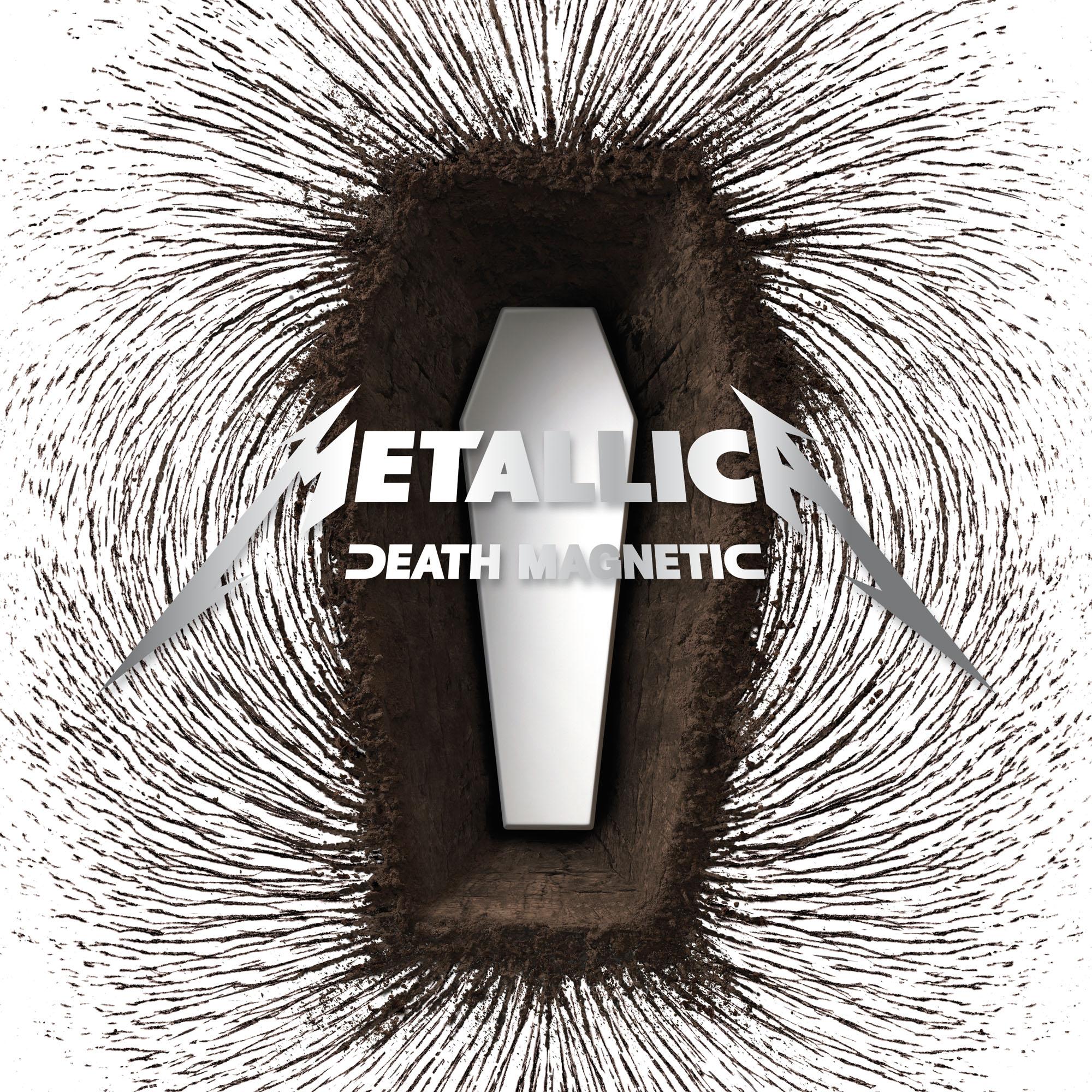
“The Unforgiven III,” co-written by band members James Hetfield, Lars Ulrich, Kirk Hammett, and Robert Trujillo, is the third and last installment or sequel to the original “The Unforgiven” released in 1991, this iconic piece is the seventh track on Metallica’s ninth studio album, Death Magnetic, released in 2008 and produced by the legendary Rick Rubin. It’s worth noting that this installment of “Unforgiven” did not receive a single release and lacks an accompanying music video.
In the ‘Making of Death Magnetic’ video (1:21:28 here), Hetfield passionately asserts his conviction to include “The Unforgiven III” on the album, emphasizing its significance: ”I’m not leaving this song off the album. It’s got to be on the album. If you don’t put this on the album, it’s a big mistake. Unforgiven III, it ties the past, it’s good, it’s hookie, it’s going to grasp the fan that’s hanging out in the middle I think. I always come back to this song. Maybe ’cause I’m the singer, maybe because I’m the melody guy. I always come back.” His words reveal a deep understanding of the song’s value as he describes how it intricately weaves together elements of the past, its inherent quality, and its potential appeal to a broad fanbase. The statement reflects Hetfield’s unwavering belief in the song’s merit, underlining its unique role in connecting with listeners and standing out within the album’s repertoire. His repeated return to the song suggests a personal resonance, attributing it to his role as the singer and melody enthusiast, emphasizing its enduring impact on him as an artist. Overall, Hetfield’s declaration adds a layer of insight into the creative process behind “The Unforgiven III” and underscores its importance within both the Death Magnetic album and Metallica’s broader discography.
Musical Analysis
“The Unforgiven III” within the Death Magnetic album marks a notable departure from its predecessors, signaling a bold evolution in Metallica’s musical journey. The band deliberately embraces a heavier sound, characterized by aggressive guitar riffs and a relentless drum beat. This deliberate return to a more assertive and impactful musical style harkens back to Metallica’s earlier, more metal-centric roots, marking a departure from the orchestral elements present in previous iterations.
Structurally, the song maintains a familiar pattern observed in its direct precursor, “The Unforgiven,” featuring a juxtaposition of heavy verses and softer choruses. This structural similarity serves to connect the third installment to its thematic predecessors while allowing the band to experiment with the sonic landscape. Interestingly, this structure diverges from the approach taken in “The Unforgiven II,” which presented a softer verse and a heavier chorus. This deliberate departure from the established pattern adds a layer of unpredictability to the musical experience.
A distinctive aspect of “The Unforgiven III” lies in its introduction. Departing from the familiar horn note that characterized the opening of the earlier versions, the third installment opts for a more subdued entrance. An acoustic piano takes the lead, accompanied by a subtle horn section in the background. This nuanced change in the introductory elements contributes to the song’s overall dynamic range, setting it apart from its predecessors. It’s worth noting that despite these differences, the chord progression during the piano intro maintains a deliberate connection to the familiar choruses of the preceding songs. This subtle musical link serves to unify the “Unforgiven” trilogy, providing a thread of continuity while allowing each installment to stand on its own.
In essence, “The Unforgiven III” in the Death Magnetic album not only showcases a return to the band’s heavier musical roots but also strategically integrates new elements to shape a distinct sonic identity. The deliberate choices in structure and instrumentation contribute to the song’s evolution within the broader context of the “Unforgiven” trilogy, creating a musical journey that is both familiar and refreshingly innovative.
Lyrical Commentary
Building upon the foundation laid in the introduction, the lyrical landscape of “The Unforgiven III” navigates uncharted territories within the trilogy. Unlike its predecessors, the song veers away from a direct narrative, opting for a more contemplative and introspective approach. It introduces a profound sense of reflection and acceptance, immersing the listener in the consequences of one’s actions. This departure adds a layer of complexity to the overarching theme, unveiling Metallica’s lyrical maturity and their willingness to explore the depth of emotional consequences.
A distinctive aspect of the lyrical evolution is the omission of the familiar refrain, “What I’ve felt, what I’ve known,” in the chorus. This deliberate departure from the established pattern introduces a sense of thematic renewal, challenging the listener to engage with the song in a fresh context. The absence of this recurring phrase contributes to the unique identity of “The Unforgiven III” while prompting a reevaluation of the emotional journey within the trilogy.
In an MTV interview, James Hetfield shed light on the song’s narrative, describing it as a “continuation of the same storyline about sin and consequence, forgiveness and unforgiveness.” This insight from the primary songwriter provides a glimpse into the conceptual continuity within the “Unforgiven” series. Hetfield’s particular fondness for this installment suggests a personal connection to the lyrical exploration, further emphasizing its significance within Metallica’s body of work.
Adding further depth to the understanding of the song, Robert Trujillo’s commentary reveals additional layers. Describing the song as possessing a “great flow” and being “very dynamic,” Trujillo underscores the intricate interplay between lyrics and music. The seamless integration of lyrical depth with the overall musical tapestry of the album reinforces the idea that “The Unforgiven III” is not merely a standalone piece but an integral part of the broader thematic and sonic journey presented in Death Magnetic.
Verse 1:
How could he know this new dawn’s light
Would change his life forever?
Set sail to sea, but pulled off course
By the light of golden treasure
Was he the one causing pain
With his careless dreaming?
Been afraid, always afraid
Of the things he’s feeling
He could just be gone
He would just sail on
He’ll just sail on
Building upon the contemplative tone introduced in the song’s lyrical commentary, the first verse of “The Unforgiven III” unfolds with a poetic exploration of unforeseen consequences and the perennial struggle with fear. The lyrics paint a vivid picture of a protagonist facing the uncertainty brought about by a newfound enlightenment.
The opening lines, “How could he know this new dawn’s light / Would change his life forever?” evoke a sense of innocence and unwitting discovery. The metaphor of a new dawn’s light suggests an awakening, an illumination that carries transformative implications. The prospect of life-altering change hangs in the air, setting the stage for a narrative that delves into the profound impact of unforeseen circumstances.
The subsequent lines delve into a seafaring metaphor, narrating a journey set off course by the allure of golden treasure. This metaphorical voyage mirrors the unpredictable trajectory of life, where ambitions and desires can lead one astray. The choice to explore the theme through nautical imagery adds a layer of metaphorical richness, aligning with Metallica’s penchant for intricate storytelling.
The questioning tone emerges in the lines, “Was he the one causing pain / With his careless dreaming?” Here, the protagonist grapples with self-reflection, questioning whether their aspirations and dreams have inadvertently caused harm. The notion of “careless dreaming” suggests a recklessness or lack of awareness, highlighting the complex interplay between personal aspirations and their potential consequences.
The theme of fear, introduced in the lyrical commentary, resurfaces with intensity in the lines, “Been afraid, always afraid / Of the things he’s feeling.” The persistent fear becomes a recurring motif, underscoring the internal struggle that shapes the protagonist’s journey. The paradoxical nature of being afraid of one’s feelings adds a psychological depth, emphasizing the internal conflict at the heart of the narrative.
The final lines of the verse, “He could just be gone / He would just sail on / He’ll just sail on,” convey a poignant resignation. The protagonist, faced with the weight of consequences and internal turmoil, contemplates the possibility of departure. The repetition of “sail on” captures a sense of relentless forward motion, even in the face of uncertainty.
In essence, the first verse of “The Unforgiven III” introduces listeners to a narrative characterized by unforeseen transformations, the allure of desires, and the internal turmoil arising from self-reflection. The lyrical richness invites interpretation and sets the stage for a profound exploration of the human experience within the context of Metallica’s musical tapestry.
Chorus:
How can I be lost
If I’ve got nowhere to go?
Search for seas of gold
How come it’s got so cold?
How can I be lost
In remembrance I relive?
And how can I blame you
When it’s me I can’t forgive?
The chorus of “The Unforgiven III” deviates from the familiar “What I’ve felt, what I’ve known” phrase found in its predecessors, signaling a departure from the established pattern. Instead, the chorus introduces a series of poignant questions and reflections, elevating the introspective nature of the song.
The lines “How can I be lost / If I’ve got nowhere to go?” echo the existential questioning seen in the earlier verses, further emphasizing the internal struggle with purpose and direction. The notion of being lost without a defined destination underscores the protagonist’s internal turmoil, raising philosophical inquiries about the nature of personal journeys.
The search for metaphorical “seas of gold” takes on a more prominent role in the chorus, creating a thematic connection with the verses. The repetition of the question “How come it’s got so cold?” adds an emotive layer, linking the pursuit of aspirations with the emotional chill described in previous sections. This connection implies that the quest for something precious may have come at the cost of emotional warmth.
The chorus’s central inquiry, “How can I blame you / When it’s me I can’t forgive?” resonates as a powerful self-reflection. The acknowledgment of personal responsibility and the challenge of self-forgiveness become pivotal themes. The internal conflict between blaming external factors and facing one’s own shortcomings contributes to the depth of the narrative.
In an MTV interview, James Hetfield described “The Unforgiven III” as a “continuation of the same storyline about sin and consequence, forgiveness and unforgiveness.” This overarching theme is encapsulated in the chorus, where the protagonist grapples with the complexities of blame, forgiveness, and the internal struggle that defines their journey.
The absence of the familiar lines from the earlier versions adds a layer of uniqueness to the chorus, emphasizing Metallica’s artistic evolution within the “Unforgiven” series. The lyrics of the chorus serve as a poetic and philosophical exploration of the human condition, inviting listeners to reflect on their own struggles with forgiveness and self-acceptance.
In essence, the chorus of “The Unforgiven III” contributes to the song’s lyrical depth, offering a nuanced exploration of existential questions, emotional consequences, and the intricate dynamics of forgiveness. As Metallica continues to weave a complex narrative, the chorus becomes a poignant focal point that resonates with listeners on a profound level.
Verse 2:
These days drift on inside a fog
It’s thick and suffocating
He’s seeking life
Outside it’s hell, inside intoxicating
He’s run aground, like his life
Water much too shallow
Slipping fast down with his ship
Fading in the shadows
Now a castaway
They’ve all gone away
They’ve gone away
In Verse 2 of “The Unforgiven III,” the lyrical landscape takes a darker turn, exploring the protagonist’s internal struggles in vivid detail. The opening lines, “These days drift on inside a fog / It’s thick and suffocating,” paint a vivid picture of a life shrouded in confusion and despair. The metaphorical fog symbolizes a state of mental and emotional obscurity, creating a suffocating atmosphere that encapsulates the protagonist’s current reality.
The assertion that “He’s seeking life / Outside it’s hell, inside intoxicating” reveals the complexity of the protagonist’s quest for meaning. The external world is depicted as a harsh and hellish environment, contrasting with the internal realm that is described as intoxicating. This duality hints at the internal conflict faced by the protagonist, torn between the harsh realities of the external world and the allure of an internal escape.
The imagery of being “run aground, like his life” reinforces the sense of stagnation and hopelessness. The metaphor of water being “much too shallow” suggests a lack of depth and substance, amplifying the futility of the protagonist’s journey. The use of nautical imagery, such as “slipping fast down with his ship,” evokes a sense of inevitability and impending doom.
As the protagonist faces the harsh realities, there’s a poignant acknowledgment of fading into the shadows. This imagery signifies a gradual retreat from the light, a descent into obscurity and isolation. The transformation into a “castaway” further emphasizes the sense of abandonment and isolation, as the protagonist finds himself detached from the world around him.
The poignant lines “They’ve all gone away / They’ve gone away” encapsulate a profound sense of loss and abandonment. The repetition underscores the isolation and loneliness experienced by the protagonist, highlighting the impact of internal struggles on external relationships. The use of the phrase “castaway” reinforces the idea of being abandoned and left to navigate the tumultuous sea of life alone.
In summary, Verse 2 of “The Unforgiven III” delves into the depths of the protagonist’s internal turmoil, painting a vivid portrait of despair, isolation, and the harrowing journey of self-discovery. The use of evocative imagery and metaphors adds layers of complexity to the narrative, inviting listeners to empathize with the profound struggles faced by the central character.
Interlude before guitar solo:
Forgive me
Forgive me not
Forgive me
Forgive me not
Forgive me
Forgive me not
Forgive me
Forgive me
Why can’t I forgive me?
The interlude before the guitar solo in “The Unforgiven III” introduces a powerful moment of self-reflection and inner turmoil. The repetition of the phrases “Forgive me” and “Forgive me not” creates a poignant and contemplative atmosphere, capturing the essence of the protagonist’s internal struggle with self-forgiveness.
The rhythmic cadence of the repeated lines enhances the emotional weight of the moment, echoing the internal dialogue of the protagonist as they grapple with the complexities of forgiveness. The contrast between the plea for forgiveness and the subsequent withdrawal of that plea reflects the inner conflict and indecision within the character.
The central question posed during the interlude, “Why can’t I forgive me?” encapsulates the core theme of self-forgiveness and introspection. This introspective inquiry delves into the profound challenge of accepting one’s flaws, mistakes, and the consequences of past actions. The repetition of the question emphasizes the persistent and unresolved nature of the internal struggle.
The use of the first-person perspective, with the protagonist directly addressing the concept of self-forgiveness, adds a personal and intimate dimension to the lyrical narrative. It invites listeners to empathize with the internal turmoil of the character, creating a connection between the song’s themes and the broader human experience.
As the interlude unfolds, it serves as a crucial moment of introspection, capturing the vulnerability and raw emotion of the protagonist. The repetition of the plea for forgiveness and the ultimate question of self-forgiveness contribute to the overall thematic depth of “The Unforgiven III,” making it a pivotal section in the lyrical journey of the song.
The interlude seamlessly transitions into a compelling guitar solo, adding a musical dimension to the introspective atmosphere of “The Unforgiven III.” The solo, played with emotive precision, becomes an expressive extension of the internal struggle depicted in the lyrics. The intricate melodies and soaring notes mirror the complexity of the protagonist’s emotions, conveying a sense of yearning, reflection, and perhaps a glimpse of resolution.
As the guitar solo unfolds, it intertwines with the lyrical themes, creating a harmonious marriage of music and storytelling. The solo serves as a cathartic release, allowing the listener to feel the intensity of the emotional journey articulated throughout the song. It is not merely an instrumental interlude but a melodic expression of the internal conflict and the quest for self-forgiveness.
In this way, the guitar solo in “The Unforgiven III” becomes a pivotal moment in the song, bridging the gap between the reflective interlude and the subsequent verses. It showcases Metallica’s ability to convey profound emotion not only through lyrics but also through the evocative power of instrumental performance. The interplay between the solo and the preceding interlude contributes to the overall emotional impact of the song, creating a poignant musical narrative.
Verse 3 and outro:
Set sail to sea, but pulled off course
By the light of golden treasure
How could he know this new dawn’s light
Would change his life forever?
How can I be lost
If I’ve got nowhere to go?
Search for seas of gold
How come it’s got so cold?
How can I be lost
In remembrance I relive?
So how can I blame you
When it’s me I can’t forgive?
The final verse and outro of “The Unforgiven III” bring the lyrical journey full circle, echoing themes from earlier sections while offering a contemplative resolution. The repetition of lines from the earlier verses, such as “Set sail to sea, but pulled off course / By the light of golden treasure,” creates a sense of cyclical reflection. The protagonist’s journey, once driven by the allure of riches, is revisited with a newfound understanding of the consequences of their actions.
The recurrence of the chorus encapsulates the overarching themes of the song, emphasizing the protagonist’s internal struggle with self-forgiveness and the complexities of blame. The familiar questions, “How can I be lost / If I’ve got nowhere to go?” and “How come it’s got so cold?” retain their existential weight, inviting the listener to reflect on the enduring nature of internal conflicts.
The reflective tone of the concluding verses, combined with the repetition of the chorus, suggests a continuous loop of introspection and contemplation. The lyrical journey, spanning philosophical inquiries, introspective reflections, and emotional struggles, finds its resolution in the repetition of the central questions. This cyclical nature implies an ongoing quest for self-understanding and forgiveness.
In essence, the final verses and outro of “The Unforgiven III” serve as a poignant conclusion to the lyrical narrative. Metallica skillfully weaves together themes of self-forgiveness, consequence, and introspection, creating a song that resonates on both a philosophical and emotional level. As the chorus echoes into the musical fade-out, the listener is left with a sense of the enduring complexities inherent in the human experience.
In conclusion, the lyrical exploration of “The Unforgiven III” unveils a tapestry of introspection, philosophical inquiry, and emotional complexity that sets it apart from its predecessors. Departing from the direct narrative seen in the earlier iterations, the song ventures into uncharted territories of self-forgiveness and acceptance, demonstrating Metallica’s lyrical maturity and willingness to evolve.
The absence of the familiar refrain, “What I’ve felt, what I’ve known,” in the chorus marks a deliberate departure from the established pattern, emphasizing the unique identity of this installment. This deviation invites listeners to engage with a fresh perspective, compelling them to navigate the thematic nuances without the anchor of the recurring motif.
Moreover, the insights from band members James Hetfield and Robert Trujillo, as shared in an MTV interview, provide valuable context to the song’s creation. Hetfield’s description of the song as a “continuation of the same storyline about sin and consequence, forgiveness and unforgiveness” deepens our understanding of the thematic continuity within the “Unforgiven” trilogy. Trujillo’s remarks about the song’s flow and dynamism offer a glimpse into the band’s creative process and its connection to the broader musical landscape of the Death Magnetic album.
“The Unforgiven III” not only enriches the thematic narrative of its predecessors but also serves as a testament to Metallica’s musical evolution. Returning to a heavier sound while maintaining orchestral elements, the band successfully bridges the gap between their established roots and the experimentation seen in Death Magnetic. This sonic journey complements the lyrical exploration, creating a harmonious blend of raw intensity and refined introspection.
In essence, “The Unforgiven III” emerges as a multifaceted gem within Metallica’s extensive discography, inviting listeners to unravel its lyrical and musical layers. The song not only contributes to the overarching narrative of the “Unforgiven” trilogy but also stands on its own as a powerful and thought-provoking piece. As fans delve into the complexities of this musical tale, they are treated to an immersive experience that showcases Metallica’s artistic prowess and their ability to push boundaries while staying true to their iconic sound.
The Unforgiven III with The San Francisco Symphony Orchestra
While “The Unforgiven III” did not receive an official music video like its predecessors, its journey takes a distinctive turn in the S&M2 album. Released in 2020, this live performance with the San Francisco Symphony Orchestra provides a captivating rendition, highlighting the song’s enduring relevance and versatility. Unlike the studio version, this orchestral collaboration offers a fresh perspective, adding layers of complexity to the already intricate composition.
In this rendition, the orchestral overture, conducted by Michael Tilson Thomas, sets the stage for a grand and immersive experience. The symphony’s rich and dynamic accompaniment serves as a powerful backdrop, emphasizing the emotional depth of the song.
What makes this performance truly exceptional is James Hetfield’s solo presence. Stripped of his guitar and standing alone in front of the microphone, he takes center stage without the accompaniment of the rest of Metallica. This intentional absence of the band members creates a unique atmosphere, placing Hetfield in the spotlight, highlighting his raw and emotive vocal performance.
The decision to present “The Unforgiven III” with James Hetfield as the sole performer enhances the intimacy of the performance. The synergy between Hetfield’s evocative delivery and the orchestral arrangement creates a profound connection with the audience, inviting them to delve deeper into the emotional core of the song.
It takes immense courage for an artist to step into the spotlight without the familiar comfort of their instrument, especially in front of a symphony orchestra. Hetfield’s decision to perform without a guitar highlights both his artistic versatility and a commitment to presenting the song in a novel and compelling manner.
This rendition of “The Unforgiven III” with the San Francisco Symphony Orchestra stands as a testament to Metallica’s commitment to artistic evolution. The band’s collaboration with symphony orchestras, beginning with the original S&M album, showcases their willingness to explore new dimensions in their music.
In essence, this live performance breathes new life into “The Unforgiven III,” offering fans a fresh perspective on a familiar masterpiece. As Metallica continues to redefine their musical boundaries, this orchestral collaboration becomes a noteworthy chapter in the ongoing saga of “The Unforgiven” trilogy.
Evolution of “The Unforgiven”
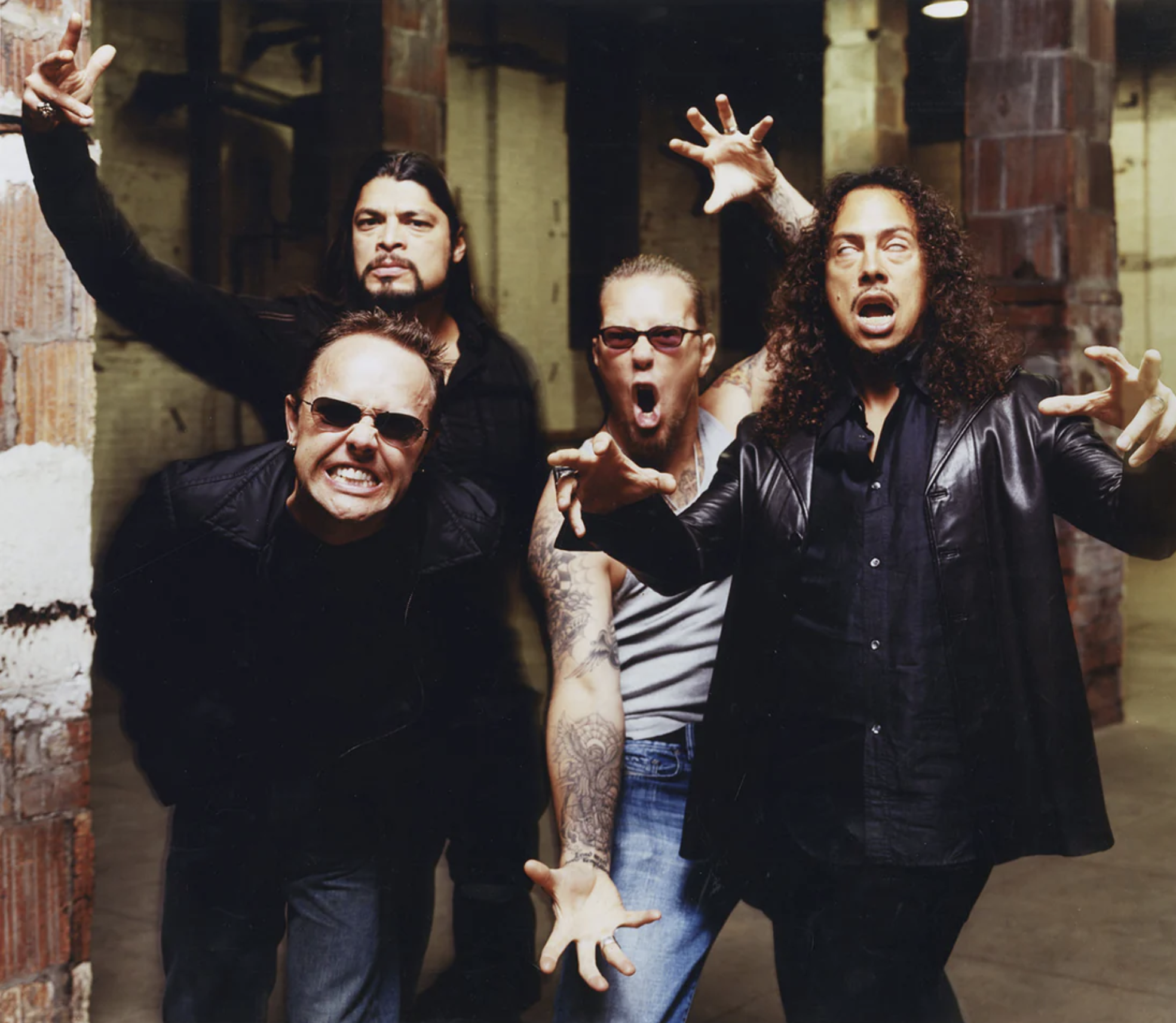
Assessing the three iterations of “The Unforgiven” inevitably involves subjective interpretation, as personal preferences play a significant role. Each version possesses distinct qualities that contribute to the song’s overall impact.
“The Unforgiven” from the Black Album stands out as a landmark piece in Metallica’s discography. Its orchestral arrangements, blending seamlessly with heavy guitar riffs, create a timeless and iconic sound. The raw emotional power and introspective lyrics make this version a fan favorite, capturing the essence of Metallica’s ability to deliver both intense and melodic compositions.
“The Unforgiven II” introduced a shift in dynamics, featuring a softer verse and a heavier chorus. While some fans appreciate the variation, others might miss the raw intensity of the original. The incorporation of acoustic sections and harmonized guitar lines adds complexity, contributing to the song’s unique character within the trilogy.
“The Unforgiven III” marks a return to a heavier sound while maintaining orchestral elements, showcasing Metallica’s evolution. The absence of the familiar refrain in the chorus and the exploration of self-forgiveness introduce a fresh perspective. The song’s intricate musical landscape and philosophical lyricism add depth, making it a compelling continuation of the trilogy.
In terms of musical analysis, the evolution of “The Unforgiven” highlights Metallica’s versatility and commitment to innovation. The Black Album version, with its orchestral grandeur, set a precedent for blending metal with symphonic elements. “The Unforgiven II” demonstrated the band’s willingness to experiment with softer dynamics, while “The Unforgiven III” showcases a fusion of the heavy roots and refined textures, providing a snapshot of Metallica’s diverse musical journey.
Analyzing the evolution of “The Unforgiven” across its three iterations reveals a nuanced progression in both music and lyrics. While the core themes persist, each version introduces subtle shifts in perspective and musical expression. The differences among the versions highlight Metallica’s commitment to reinvention and exploration within their established sound.
In my personal opinion, “The Unforgiven” from the Black Album stands as the pinnacle of the trilogy, showcasing Metallica’s prowess in blending orchestral arrangements with heavy guitar riffs. The raw emotional intensity, coupled with introspective lyrics, creates a timeless masterpiece that resonates deeply. The original version captures a unique balance of heaviness and melody, making it my preferred iteration of “The Unforgiven.”
“The Unforgiven III,” with its philosophical lyricism and return to heavier roots, holds a special place in my appreciation. The absence of the familiar refrain in the chorus adds a layer of complexity, and the song’s intricate musical landscape provides a fresh perspective. The exploration of self-forgiveness contributes to the depth of the narrative, making it a close second in my preference.
“The Unforgiven II,” while introducing interesting dynamics with its softer verse and heavier chorus, falls slightly behind the other two in my ranking. The experimentation is commendable, but the original’s impact and the nuanced evolution seen in the third iteration make it my least favored among the trilogy.
Ultimately, determining the “best” version is a matter of personal taste. However, the trilogy as a whole reflects Metallica’s artistic evolution, showcasing their enduring impact on the rock and metal genres. Each iteration contributes uniquely to the overarching narrative,
Conclusion
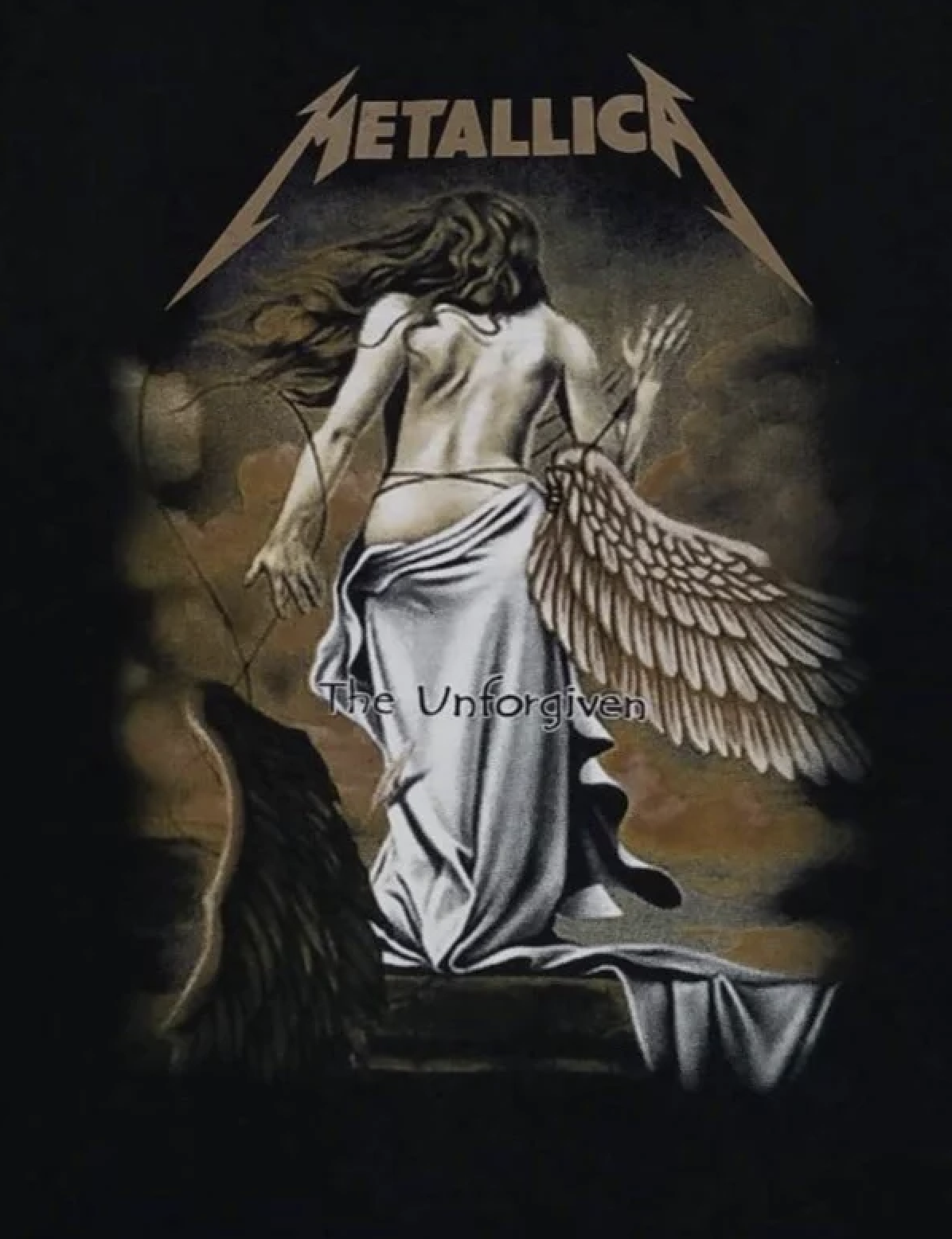
In bringing this exploration to a close, “The Unforgiven” emerges not only as a song but as a living testament to Metallica’s enduring creativity. The evolution of this iconic piece reflects the band’s transformative journey—an odyssey marked by daring experimentation, profound growth, and an unwavering commitment to authenticity. Much like the evolving notes and verses of “The Unforgiven,” Metallica’s musical odyssey has been a dynamic symphony, continually shaping the landscape of heavy metal.
On a personal note, “The Unforgiven” remains a poignant and resonant musical and lyrical journey. As the song unfolds across its trilogy, it becomes a narrative thread that weaves through the very fabric of Metallica’s timeless impact on the world of heavy metal. The ability to navigate the complexities of musical evolution while retaining a distinctive identity is a hallmark of Metallica’s artistry. It serves as a testament to their resilience and innovation, solidifying their status as trailblazers in the ever-evolving world of rock and metal.
Reflecting on Metallica’s journey prompts a genuine appreciation for a band that not only defies expectations but also forges its own path. The post-Black Album trajectory, with all its nuances and transformations, sparks varied opinions. However, one cannot overlook the indelible mark that Metallica has imprinted on the vast canvas of music. It is a mark that speaks not only to their historic achievements but also to their ability to resonate with diverse audiences, transcending generational boundaries.
As we conclude this exploration, “The Unforgiven” emerges as a microcosm of Metallica’s artistic odyssey. It leaves behind a rich tapestry—a collection of musical and lyrical experiences that reverberate through time and continue to captivate fans across generations. Through the evolution of this song, Metallica stands not only as a rock and metal giant but as a force that thrives on innovation, leaving an enduring legacy in the annals of musical history.
© Francesc Borrull, 2024
 Francesc Borrull