
By Francesc Borrull · March 11, 2024
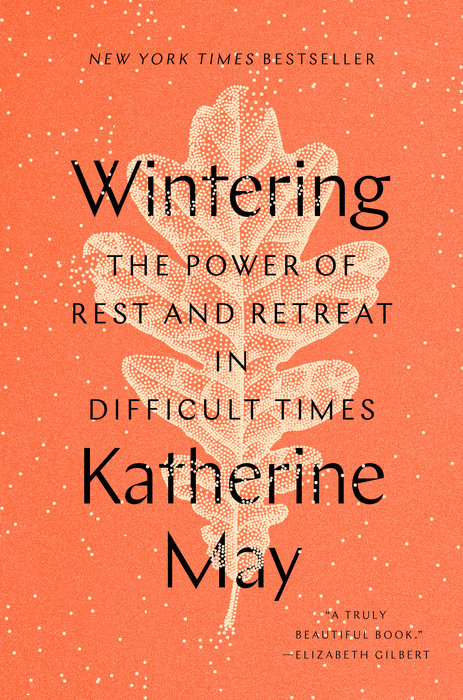
Having finished Katherine May’s “Wintering,” I was so captivated by the beautifully poetic prose that I couldn’t resist sharing my thoughts in this blog post. In the midst of completing the final chapters, the enchanting journey it offered became an experience I was eager to express. Discovered through ‘The Farewell’ podcast (Chapter 013, Feb 15, 2024), this exquisitely crafted exploration of the human experience during challenging times became even more poignant. Coincidentally, the book was also part of my local library’s March reading challenge—read a book by a neurodivergent author. This unexpected alignment added an extra layer of significance to my appreciation of May’s profound and comforting guide for navigating life’s inevitable winters. Drawing inspiration from the natural world, May weaves together personal narratives, insightful observations, and research to create a compelling tapestry that resonates deeply with the complexities of human existence.
Themes
At the heart of “Wintering” is the metaphor of winter, a season characterized by stillness, retreat, and rest in the natural world. May skillfully applies this metaphor to various aspects of life, demonstrating how periods of difficulty, loss, or change can be viewed as necessary pauses for reflection and rejuvenation.
Personal Narratives
May shares her own experiences of “wintering,” creating a deeply personal connection with readers. Her candid storytelling allows readers to empathize with the challenges she faced and find solace in the universality of the human struggle. The book becomes not just a guide but a companion for those navigating their own winters.
Connection to Nature
One of the strengths of “Wintering” is its connection to the natural world. May draws parallels between the seasonal cycles of nature and the emotional cycles of human life. This interweaving of natural imagery adds a layer of beauty and timelessness to the narrative, making the book resonate on a profound level.
The Importance of Rest
A central theme is the acknowledgment of the value of rest and retreat during difficult times. May challenges the societal notion of constant productivity and advocates for embracing moments of stillness as opportunities for growth and self-discovery. This message is particularly relevant in our fast-paced, modern lives.
Research and Insights
May incorporates relevant research on psychology, philosophy, and anthropology to support her observations. This lends credibility to the book’s insights, offering readers a well-rounded perspective on the benefits of embracing the wintering periods in their lives.
Writing Style: A Personal Journey Through May’s Literary Landscape
Katherine May’s writing in “Wintering” unfolded before me like a cherished journey through emotions and beauty that spoke directly to my soul. The prose, elegantly crafted, felt more like poetry, drawing me into an intimate exploration of the human experience that I hadn’t anticipated.
In every passage, May masterfully captured the essence of emotions and experiences, creating landscapes of the soul that resonated deeply within me. It wasn’t just reading; it was feeling the words seep into my own experiences. May’s writing transcended the page, inviting me to immerse myself fully in the emotional tapestry she artfully painted.
The beauty of May’s writing lies in its ability to be both accessible and rich. The language is not a barrier but a bridge that connects readers to the profound richness of the narrative. It’s like savoring a perfectly balanced dish, where each word contributes to the overall flavor and depth of the experience.
May’s gift for seamlessly blending personal anecdotes with broader concepts made the book feel like a shared journey. As I walked alongside her through her own experiences, I found echoes of my own emotions and reflections. The personal became universal, and within those shared moments, I discovered a profound connection with the author.
May’s writing is not just a collection of words; it’s a tapestry of emotions — a dance between vulnerability and strength, sorrow and hope. There were passages that didn’t just resonate; they reverberated within me. These were the moments when the beauty of the language took my breath away, and I found myself pausing to absorb the sheer brilliance of May’s expression.
In the realm of literature, “Wintering” became a personal masterpiece, and May’s writing felt like a direct conversation with my innermost thoughts. It transformed from a mere book into a trusted companion, offering solace and understanding in moments of reflection.
May’s writing is not just a pleasure to read; it’s an intimate exploration of the human heart and mind. Each word felt like a brushstroke, creating a canvas of emotions that left an indelible mark on my soul. “Wintering” became more than a book; it became a personal odyssey, and May’s writing, a beacon guiding me through the complexities of the human experience.
In the spirit of preserving the magic within the pages of “Wintering” and respecting the author’s creative sanctum, I’ll share just a glimpse, a whisper, from one of the book’s remarkable passages without unraveling its entirety. May beautifully articulates:
“Snow creates the quality of awe in the face of a power greater than ours. It epitomises the aesthetic notion of the sublime, in which greatness and beauty couple to overcome you—a small, frail human—entirely.” (p. 165)
This poetic reflection on snow’s transformative power resonated deeply with me. May’s choice of words paints a canvas of emotions, evoking not just the visual beauty of snow but the overwhelming sense of awe it instills—a reminder of the vastness and majesty in our world. It’s a testament to May’s ability to infuse profound insights into the ordinary, making each page an invitation to explore the profound within the seemingly simple.
Conclusion
“Wintering” is a luminous and timely exploration of resilience, growth, and self-compassion. Katherine May’s wisdom and compassion shine through every page, offering a comforting guide for those navigating the inevitable challenges of life. This book is not just a literary work but a companion for the soul, reminding readers that even in the coldest winters, there is the promise of spring.
In a subtly profound manner, May makes a compelling case for the necessity of accepting change, a theme deeply rooted in Buddhist philosophy though left unmentioned. As echoed in my Feb 5, 2024 post “Embracing the Ephemeral: A Philosophical Contemplation on the Nature of Change,” her insights resonate with my own contemplation on the fluid and transformative nature of existence. May’s exploration of accepting change becomes a harmonious melody with the enduring wisdom found in ancient philosophies, inviting readers to embrace the ever-changing seasons of life with grace and resilience.
© Francesc Borrull, 2024
P.S. For those eager to embark on their own transformative “Wintering” journey and explore Katherine May’s eloquent prose, you can find more about the author and her works on her website: Katherine May’s Website. Additionally, if you wish to delve into the pages of “Wintering: The Power of Rest and Retreat in Difficult Times,” it is available for purchase on Amazon (here). Please note that I do not receive any compensation from purchases when you click on these links, ensuring that my sole focus is to enrich your reading experience. Happy reading!
 Francesc Borrull