
By Francesc Borrull · March 15, 2024
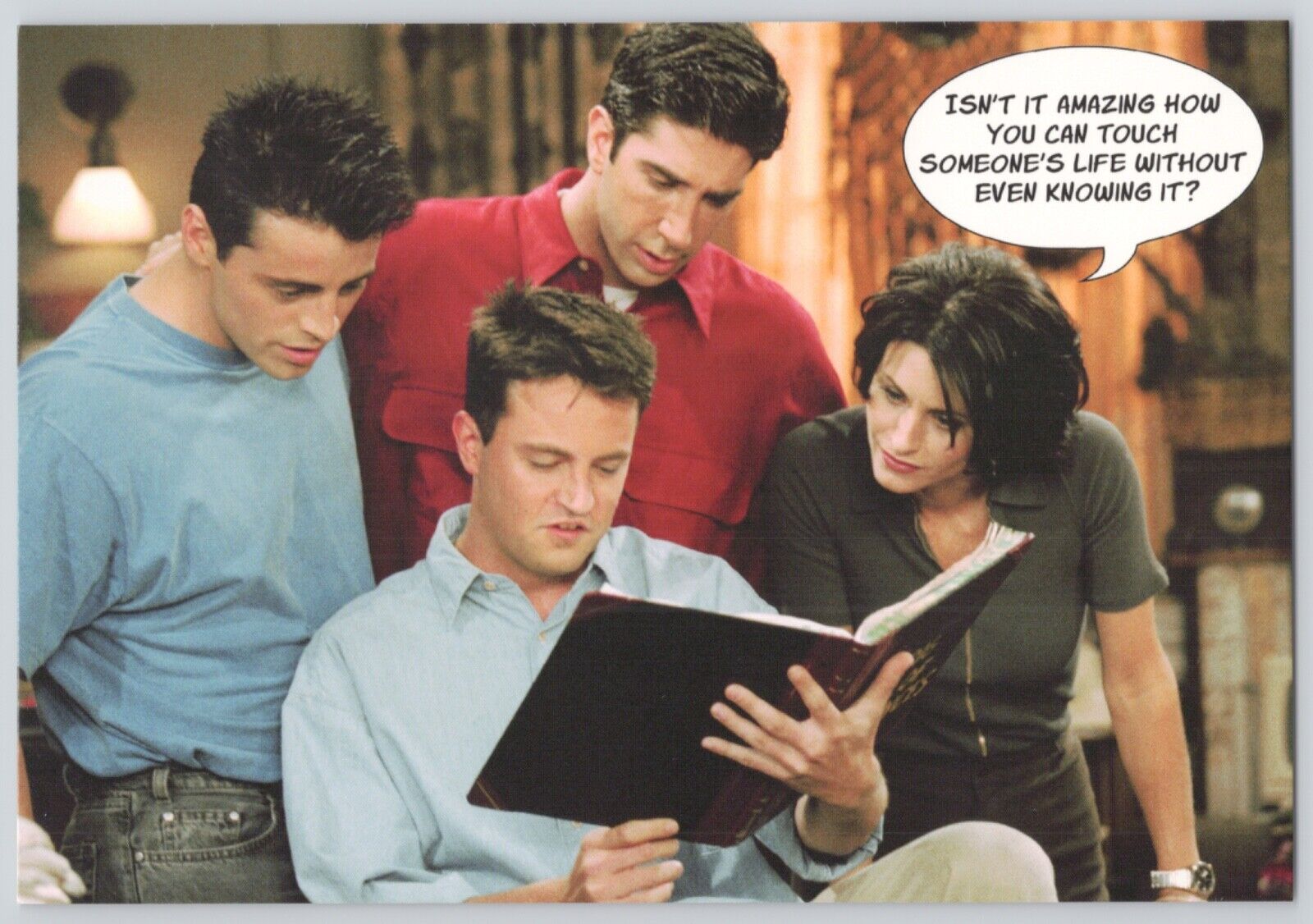
SPOILER ALERT: This article may contain spoilers related to Friends, The Office, and Seinfeld. Proceed with laughter and nostalgia at your discretion.
In memory of Matthew Perry (1969–2024)
In the vast landscape of television comedy, three remarkable series have emerged as the cornerstone of laughter in my personal repertoire: Friends, The Office, and Seinfeld. This trio, standing tall among the plethora of comedic offerings, holds a special place in my heart as the epitome of timeless humor. To maintain an unbiased stance, we embark on this journey in alphabetical order, ensuring that no inadvertent preferences are hinted at: Friends, The Office, and Seinfeld.
Within the confines of Central Perk, the Dunder Mifflin Scranton branch, and the iconic Monk’s Café, these sitcoms have crafted their distinct comedic universes. As we delve into the warmth of friendship in New York City, navigate the hilarious mundanity of office life, and witness the “show about nothing,” we aim to unravel the intricacies that make each show a standout in its own right.
This comparative analysis seeks to dissect the comedic brilliance, character dynamics, and cultural impact that have collectively solidified Friends, The Office, and Seinfeld as my all-time favorites. Join me in this exploration of humor that transcends eras and continues to bring joy to audiences around the globe.
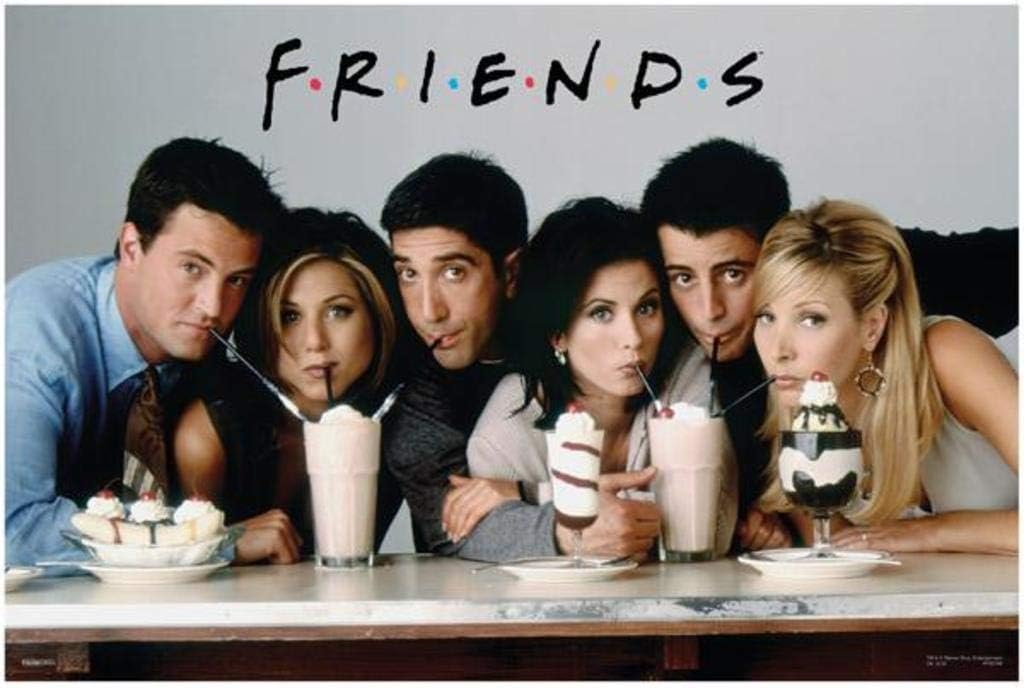
Friends (1994-2004): A Decade of Laughter and Legacy | 10 Seasons, Created by David Crane and Marta Kauffman
In the intimate tapestry of my own television journey, few shows have woven themselves as intricately into the fabric of my life as Friends. This sitcom, adorned with its iconic orange couch and a melody that sparks instant recognition, holds a special place in my heart that transcends mere entertainment. The laughter of camaraderie and the trials of adulthood, as portrayed by the Central Perk gang, resonates not just as a spectator but as a companion through the various chapters of my life.
I first encountered Friends in the late ’90s, in a cozy Barcelona apartment that I shared with my best friend, David. Sunday nights were a ritual as he, accompanied by his girlfriend, would settle onto the living room couch, armed with a pint of Ben & Jerry’s ice cream, to watch the show live. In those days, I often found myself engrossed in class preparations or other distractions, passing on the opportunity to join the weekly viewing. Yet, the allure of the show lingered, its depiction of three couples navigating the complexities of friendship mirroring the very dynamics of my own life. It struck me then that, in a way, I was both Ross and Chandler—a reflection of the show’s characters and their relatability.
Fast forward a decade, and my geographical shift to the United States brought with it a decision to fully immerse myself in the world of Friends. I invested in the complete DVD box set, comprising all the seasons—an act of commitment in an era preceding the ubiquity of streaming platforms. The marathon viewing sessions that followed marked a solo pilgrimage through the lives of Rachel, Ross, Monica, Chandler, Joey, and Phoebe. Little did I anticipate that, somewhere between the episodes and the passing years, Friends would cease to be merely a show and become a cherished part of my identity.
During those intervening years, love blossomed, and the woman who would eventually become my wife entered the picture. In a serendipitous alignment, our affection for each other deepened alongside our shared love for Friends. The show, with its timeless humor and endearing characters, served as a backdrop to our evolving relationship, forging connections and shared memories that endure to this day.
Now, in the year 2024, as news of Matthew Perry’s passing casts a shadow, it feels as if a chapter of my life is closing. His struggles with addiction were no secret, yet the loss resonates deeply—a poignant reminder that the characters we invite into our lives through the screen are more than actors; they become integral threads in the tapestry of our own stories. The sadness is not just for the performer but for the part of me, and perhaps all of us, that feels an indelible connection to the laughter, the camaraderie, and the shared moments that Friends encapsulated.
As we delve into the comedic brilliance of Friends, it is not merely an analysis of a television show but a journey through the echoes of my own life—a journey where laughter, love, and the passing of time are intricately interwoven with the tales from Central Perk.
Genre and Style
Friends, at its core, is a classic sitcom that thrives on the ups and downs of a group of six friends navigating the tumultuous waters of love, work, and friendship in New York City. The show’s comedic style leans heavily on witty banter, situational humor, and the timeless theme of friendship, with each episode chronicling the hilarious escapades and heartfelt moments of the Central Perk gang.
Setting and Premise
The heart of Friends beats within the cozy confines of Monica’s apartment and the iconic coffeehouse, Central Perk. The show masterfully uses the New York City backdrop to enhance comedic elements, whether it’s the chaos of the Thanksgiving parade, the quirky neighbors, or the nuances of urban living. The premise revolves around the everyday struggles of a group of friends, allowing the relatable setting to amplify the humor.
Character Dynamics
Friends excels in creating memorable characters, each contributing a unique flavor to the ensemble. From the neurotic quirks of Ross to the free-spirited antics of Phoebe, the dynamics between the characters form the backbone of the show. The central theme of friendship is skillfully woven into the tapestry of their lives, creating a bond that resonates with audiences worldwide.
Humor and Themes
The humor of Friends is predominantly character-driven, relying on the distinct personalities and quirks of each friend. Whether it’s Chandler’s sarcastic one-liners, Joey’s lovable naivety, or Monica’s obsessive-compulsive tendencies, the show seamlessly blends observational humor with witty dialogue. Themes of love, loyalty, and the trials of adulthood are explored with a lighthearted touch, making the show both relatable and endlessly entertaining.
Cultural Impact
Friends holds a very special place in popular culture, influencing fashion, language, and the very concept of “hanging out.” The ’90s and early 2000s were marked by the phenomenon of “Friends mania,” and the show’s impact is still evident today through its continued popularity on streaming platforms. Central Perk and the six friends have become cultural touchstones, transcending generations.
Critical Reception
Critically acclaimed and beloved by audiences, Friends garnered praise for its sharp writing, memorable characters, and seamless blend of humor and heart. The show received numerous awards, including Emmys, Golden Globes, and Screen Actors Guild Awards, solidifying its status as a comedic powerhouse.
Innovation and Influence
While Friends may not have introduced groundbreaking formats or techniques, its success paved the way for other ensemble comedies. The show’s ability to balance humor with genuine emotion set a standard for sitcoms that followed, leaving an indelible mark on the landscape of TV comedy.
Character Development
Throughout its monumental ten-season run, Friends exhibited an unparalleled commitment to character development, transforming the six central figures into beloved icons of television. The interwoven stories of Ross Geller (David Schwimmer), Rachel Green (Jennifer Aniston), Monica Geller (Courteney Cox), Chandler Bing (Matthew Perry), Joey Tribbiani (Matt LeBlanc), and Phoebe Buffay (Lisa Kudrow) unfolded with a delicate balance of humor and poignant moments.
Ross Geller (David Schwimmer): Ross, a paleontologist with an endearing awkwardness, navigates the complexities of love, marriage, and fatherhood. From his on-again, off-again relationship with Rachel to his distinctive linguistic quirks (think “we were on a break”), Ross evolves from the lovable, nerdy brother to a character embodying the trials and tribulations of adulthood.
Rachel Green (Jennifer Aniston): Initially introduced as a fashion-conscious and somewhat naive woman, Rachel undergoes a remarkable transformation from a waitress at Central Perk to a successful executive in the fashion industry. Her journey explores themes of independence, self-discovery, and the pursuit of career goals, making her one of the most relatable and influential characters.
Monica Geller (Courteney Cox): Monica, a chef and Ross’s sister, is the embodiment of obsessive cleanliness and competitiveness. Over the seasons, her character matures, focusing on personal growth, her tumultuous yet endearing relationship with Chandler, and the challenges of becoming a mother.
Chandler Bing (Matthew Perry): Chandler, known for his sarcastic wit and fear of commitment, undergoes significant personal growth. His sarcastic defense mechanisms crumble as he grapples with issues of self-worth, the pursuit of a meaningful career, and the profound joy of finding love and companionship in unexpected places.
Joey Tribbiani (Matt LeBlanc): Joey, the lovable aspiring actor, provides comic relief with his charming naivety and womanizing tendencies. While maintaining his carefree persona, Joey’s journey explores the pursuit of artistic dreams, genuine friendships, and, ultimately, finding fulfillment beyond his career ambitions.
Phoebe Buffay (Lisa Kudrow): Eccentric and whimsical, Phoebe brings an air of unpredictability to the group. As a quirky musician with a mysterious past, her character evolves through explorations of her unconventional upbringing, personal relationships, and the complexities of motherhood.
The show seamlessly weaves the individual narratives of these characters, allowing each one to grow, face challenges, and find fulfillment both within and beyond the confines of their group. From the monumental Ross and Rachel saga to the enduring bonds of friendship and love, Friends stands as a testament to the art of character evolution, ensuring that each member of the Central Perk gang leaves an indelible mark on the hearts of its viewers.
Cohesion and Consistency
Friends maintained a remarkable level of consistency in its comedic tone and style. The chemistry among the cast members, coupled with the enduring writing, ensured that the show’s humor remained fresh and engaging from the first episode to the last.
Memorable Moments: The Tapestry of Laughter
Friends, a timeless sitcom, weaves a rich tapestry of laughter through its myriad of unforgettable moments. These instances, etched into the collective memory of fans, contribute to the show’s enduring legacy as a perennial source of joy and humor.
Ross’s Infamous “We Were on a Break!”: Few phrases from Friends have permeated popular culture quite like Ross Geller’s impassioned declaration, “We were on a break!” This line, stemming from a tumultuous moment in Ross and Rachel’s relationship, became a catchphrase representing the complexities of modern romance. It epitomizes the show’s ability to infuse humor into relatable relationship struggles.
The Pivot-Worthy Couch-Moving Episode: The sheer physical comedy and absurdity of attempting to move a couch up a narrow staircase marked another unforgettable moment. Ross’s incessant and increasingly frustrated cries of “pivot!” while attempting the maneuver remain etched in the comedic history of television, showcasing the impeccable timing and chemistry of the ensemble cast.
Catchphrases that Endure: Friends gifted the world a treasure trove of catchphrases that have transcended the confines of the small screen. From Joey’s signature “How you doin’?” to Chandler’s sarcastic “Could I be more…,” these linguistic gems have become enduring components of everyday conversation, demonstrating the show’s linguistic influence on modern colloquialism.
Thanksgiving Mishaps: The annual Thanksgiving episodes are a testament to Friends’ ability to turn familial chaos into comedic gold. Whether it’s Monica dancing with a turkey on her head or the infamous football match, these episodes have become essential holiday viewing, blending warmth, absurdity, and familial quirks into a perfect comedic concoction.
“Smelly Cat” Song: Phoebe Buffay’s musical escapades, particularly the “Smelly Cat” song, showcase the character’s whimsical personality and Lisa Kudrow’s comedic prowess. The recurring musical interludes, complete with quirky lyrics and Phoebe’s unconventional guitar strumming, have become iconic within the Friends universe and in the broader realm of television history.
These memorable moments are more than just comedic interludes; they are the building blocks of Friends’ cultural imprint. They represent the show’s ability to find humor in the everyday, transforming ordinary situations into extraordinary moments that resonate across time and space. As we revisit these instances, we not only recall the laughter they elicited but also the enduring impact Friends has had on shaping the way we view friendship, love, and the hilarity inherent in the human experience.
Memorable Theme: “I’ll Be There for You” by The Rembrandts
An indelible part of Friends’ cultural identity, “I’ll Be There for You” by The Rembrandts stands as more than just a theme song; it’s a melodic time capsule, instantly transporting fans to the vibrant world of Central Perk. From the infectious hand claps that kick off the track to the catchy guitar riff, the song encapsulates the spirit of friendship, laughter, and the shared experiences that define the show.
The song accompanies the iconic opening credits, featuring the cast engaging in the legendary fountain dance. This sequence, etched into the memories of millions, serves as a visual anthem for the enduring camaraderie and support the characters provide one another.
“I’ll Be There for You” transcended its role as a mere TV theme, becoming a cultural touchstone of the ’90s and beyond. Its popularity reached such heights that it earned a permanent place on the airwaves, even beyond the show’s original run. The song’s infectious chorus became an anthem for friendship, resonating with audiences and cementing its status as one of the most recognizable TV theme songs of all time.
The Rembrandts’ creation achieved remarkable commercial success, reaching the top of music charts in multiple countries. The song’s release as a single garnered widespread acclaim, with its catchy lyrics and upbeat tempo ensuring its place in the hearts of fans and non-fans alike.
The moment the opening chords of “I’ll Be There for You” fill the air, it triggers an immediate sense of nostalgia for fans. The song encapsulates not only the essence of Friends but also an era when the show’s popularity reached a fever pitch, becoming a cultural phenomenon that transcended the television screen.
Beyond its initial cultural impact, the song continues to maintain a timeless connection with audiences. Whether heard on the radio, in a coffee shop, or as a ringtone, “I’ll Be There for You” serves as a sonic reminder of the enduring friendships forged in a Manhattan apartment, creating an instant bond among those who shared in the laughter and love of Friends.
As we celebrate the brilliance of Friends, it’s impossible to overlook the cultural resonance and emotional depth encapsulated in those familiar chords. “I’ll Be There for You” isn’t just a theme song; it’s a musical testament to the enduring power of friendship, echoing through the years and promising to be there for all of us, just like the cherished characters from Central Perk.
Conclusion: A Timeless Ode to Friendship
As we traverse the labyrinthine halls of Central Perk, the resonance of laughter and camaraderie within Friends echoes through the corridors of time. From its inaugural moments in 1994 to the bittersweet farewell in 2004, spanning a decade of joy, the sitcom remains a beacon of light in the vast realm of television. Notably, this enduring masterpiece has earned its place as a cultural touchstone, securing the #8 spot in The TOP 200 Best Comedy Shows of All Time by Rotten Tomatoes, a testament to its lasting impact and universal acclaim.
The cultural impact of Friends stretches far beyond the confines of its fictional New York City apartment, touching the hearts of millions worldwide. The poignant narratives, intertwined with humor and humanity, have formed an indelible connection with viewers of diverse ages, cultures, and backgrounds. David Crane and Marta Kauffman, the masterminds behind this enduring masterpiece, sculpted a narrative that transcends its sitcom label, metamorphosing into a timeless ode to friendship.
The ten seasons of Friends unfold like chapters in a cherished book, chronicling the trials, triumphs, and transformations of Ross, Rachel, Monica, Chandler, Joey, and Phoebe. Each episode, each catchphrase, and each pivot-worthy moment contributes to the mosaic of shared experiences that define the show’s enduring legacy.
Beyond the screen, Friends has become a cultural touchstone, a symbol of the universal themes that bind humanity — love, friendship, and the inexorable passage of time. The show’s influence is not confined to its original run; it persists in the streaming era, where new generations discover the magic of Central Perk and the timeless camaraderie of the six friends.
As we bid adieu to this comedic gem, its laughter lingers in the air, a melodic reminder that true friendship withstands the tests of time. Friends is not just a TV show; it is a cherished companion, a repository of timeless moments that continue to bring joy to the hearts of those who wander into its comforting embrace. In the grand tapestry of television history, Friends stands as a testament to the enduring power of laughter, love, and the unwavering bonds that echo across the halls of Central Perk — an eternal favorite, a classic, and a symphony of friendship that will resonate for generations to come.
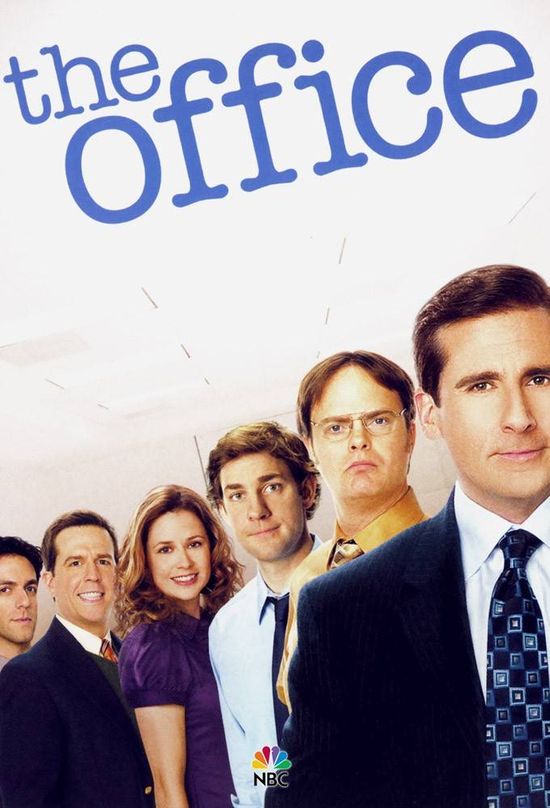
The Office (2005-2013): Crafting Comedic Chaos at Dunder Mifflin | 9 Seasons, Developed by Greg Daniels
Stepping into the quirky world of Dunder Mifflin feels like a familiar journey through the absurdities of office life, and for me, The Office is not just a show; it’s a comedic sanctuary. As the credits roll and the mundane yet extraordinary antics of the Scranton branch unfold, the politically incorrect humor becomes a comforting companion in this peculiar workplace symphony. The American adaptation, born in 2005, pays homage to its British predecessor (The Office 2002 UK), reimagining and expanding upon the humor that has since become a hallmark of my comedic palate.
The magnetism of The Office lies not only in its witty banter and cringe-worthy moments but also in the delicate dance between the diverse cast of characters. From the clueless yet endearing Michael Scott to the ambitious yet quirky Dwight Schrute, each personality adds a layer to the intricate comedic tapestry. So, let’s delve into the mockumentary wonderland of Dunder Mifflin, where politically incorrect humor meets heartfelt connections, and laughter is the universal language spoken in the hallways of the ordinary yet extraordinary workplace.
Genre and Style
The Office, a groundbreaking workplace mockumentary, redefined the sitcom landscape with its innovative format. Merging elements of sitcom and mockumentary, the show adopted a documentary-style approach, offering a unique glimpse into the mundane yet hilarious happenings at Dunder Mifflin.
Setting and Premise
Set in the uninspiring confines of a paper company’s Scranton branch, The Office ingeniously transforms the everyday monotony of office life into a comedic goldmine. The mockumentary format amplifies the humor, exploiting the mundane setting to deliver cringe-worthy yet relatable workplace scenarios.
Character Dynamics: The Ensemble Brilliance of Dunder Mifflin
The ensemble cast of The Office, led by Steve Carell as the bumbling yet endearing Michael Scott, boasts a diverse array of personalities. From Jim and Pam’s charming romance to Dwight Schrute’s eccentricities, each character is meticulously crafted, contributing to the distinctive and memorable dynamics within the office.
Pam Beesly (Jenna Fischer): Pam Beesly, portrayed with sublime nuance by Jenna Fischer, is the beating heart of The Office. Initially the receptionist, Pam undergoes a transformative journey from a quiet, aspiring artist to a confident, assertive saleswoman. The evolution of her character is beautifully entwined with her charming romance with Jim Halpert, creating a narrative thread that resonates with viewers as they witness the blossoming of both her personal and professional life.
Jim Halpert (John Krasinski): John Krasinski’s portrayal of Jim Halpert, the affable salesman, is the quintessential embodiment of charm and wit. From his legendary pranks on Dwight to the tender moments with Pam, Jim’s character development is a testament to the delicate balance between humor and genuine emotion. Jim’s evolution from a prankster to a dedicated family man is a captivating arc that defines the heart of The Office.
Dwight Schrute (Rainn Wilson): Rainn Wilson’s Dwight Schrute is an eccentric force of nature, the beet-farming, Assistant to the Regional Manager whose peculiarities make him a standout character. Dwight’s journey is a rollercoaster of hilarity, showcasing his absurd yet endearing commitment to the job and his unexpected moments of vulnerability. As Jim’s foil and Michael’s right-hand man, Dwight’s dynamic presence adds a layer of comedic brilliance to every episode.
Erin Hannon (Ellie Kemper): Erin Hannon, brought to life by Ellie Kemper, injects a breath of fresh air into the Dunder Mifflin office. Initially introduced as the receptionist, Erin’s infectious optimism and naivety evolve into a narrative of self-discovery. Her quirky personality and earnest endeavors in both her personal and professional life make Erin a standout character in the latter seasons of the show.
Andy Bernard (Ed Helms): Ed Helms portrays Andy Bernard, the ambitious yet often misguided salesman with a penchant for theatrics. Andy’s journey from an arrogant preppy salesman to the Nard Dog, a more self-aware and lovable character, showcases The Office’s knack for dynamic character development. His relationships, particularly with Erin, contribute to the emotional tapestry of the show.
Kevin Malone (Brian Baumgartner): Brian Baumgartner’s portrayal of Kevin Malone, the lovable but intellectually challenged accountant, provides a consistent source of comedic brilliance. Kevin’s deadpan humor and memorable one-liners make him an integral part of the ensemble cast. Despite his simplicity, Kevin’s character is surprisingly nuanced, and his camaraderie with the rest of the office adds depth to the overall dynamics of Dunder Mifflin.
Michael Scott (Steve Carell): The Inimitable Heartbeat of The Office. In the grand tapestry of Dunder Mifflin, there exists a character who stands as the cornerstone, the comedic maestro orchestrating the symphony of workplace absurdity — Steve Carell’s Michael Scott. For me, personally, Michael isn’t just a character; he is the vibrant pulse that makes The Office beat with unparalleled energy. With an extraordinary blend of cringe-inducing antics and moments of genuine vulnerability, Michael is not only the bumbling Regional Manager but the undisputed king of the show. As the helmsman of Dunder Mifflin, Michael’s misguided attempts at leadership and his unintentional forays into awkward situations are the stuff of legend. Yet, within the folds of his often perplexing decisions, lies a character whose evolution transcends the realm of mere comedy. Michael transforms from a clueless boss to an earnest friend, and it is this metamorphosis that cements his status as the beating heart of The Office. Beyond the facade of inept management, Michael surprises viewers with glimpses of wisdom and heartfelt moments that elevate his character to extraordinary heights. The show, for me, would be incomplete without Steve Carell’s masterful portrayal, as he navigates the intricacies of Michael Scott’s personality with unparalleled finesse. As I delve into the world of Dunder Mifflin, Michael isn’t just a character; he’s an indispensable companion, a source of laughter, and the very soul of The Office.
The character dynamics within The Office are a testament to the show’s brilliance in crafting a diverse ensemble, each contributing a unique hue to the canvas of workplace humor. As these characters navigate the ordinary yet extraordinary challenges of office life, they form an indomitable bond, leaving an enduring impact on the hearts of viewers worldwide.
Humor and Themes: The Irreverent Charm of The Office
The Office is a comedic marvel, but it’s essential to acknowledge that its humor, while brilliant, dances on the tightrope of irreverence and political incorrectness. This irreverence, far from a flaw, is a key element that contributes to the show’s distinct charm. The Office doesn’t tiptoe around taboos; instead, it fearlessly dives into the murky waters of politically incorrect humor, creating a comedic landscape that is raw, unapologetic, and decidedly not for everyone.
The show’s irreverent humor manifests in various forms, from Michael Scott’s unintentionally offensive remarks to the cringe-inducing awkwardness of certain situations. Yet, it’s precisely this fearless approach that gives The Office its unique flavor. The “talking head” interviews, where characters unabashedly share their inner thoughts, often highlight the unfiltered nature of their perceptions, adding another layer to the irreverent tapestry of the show.
In its exploration of themes like friendship, ambition, and the absurdities of corporate culture, The Office uses irreverent humor as a sharp lens, dissecting societal norms with surgical precision. This irreverence isn’t gratuitous; rather, it serves as a mirror reflecting the awkward, uncomfortable truths of the real world. By embracing politically incorrect humor, The Office invites viewers to confront and question societal norms, challenging them to find humor even in the most uncomfortable situations.
However, it’s crucial to recognize that this irreverent charm might not resonate with everyone. The humor is an acquired taste, and what some find hilarious, others might find discomforting. The show’s unapologetic approach forces viewers to confront the darker corners of human behavior, and in doing so, it doesn’t seek universal approval. The irreverence is a double-edged sword — a source of comedic brilliance for some and a potential point of contention for others.
Ultimately, The Office’s irreverent charm is a defining feature that adds depth and complexity to its humor and themes. It challenges conventional comedic norms, providing a nuanced reflection of the human experience that, while not universally embraced, has left an indelible mark on the landscape of television comedy.
Cultural Impact
The impact of The Office extends beyond television, permeating popular culture with its distinct brand of humor. Phrases like “That’s what she said” and the concept of “Office Olympics” have become ingrained in everyday conversation. Its influence is particularly evident in the proliferation of mockumentary-style sitcoms that followed its success.
Critical Reception
Critically acclaimed, The Office garnered praise for its fresh approach, clever writing, and outstanding ensemble cast. Steve Carell’s portrayal of Michael Scott earned widespread acclaim, while the show received numerous awards and nominations, including multiple Emmy wins.
Innovation and Influence
The Office revolutionized TV comedy by embracing the mockumentary format, breaking the fourth wall, and blurring the lines between fiction and reality. Its influence is evident in subsequent sitcoms that adopted similar styles, acknowledging the show’s pioneering role in reshaping the comedic landscape.
Cohesion and Consistency
Maintaining a consistent tone of cringe-worthy humor, The Office skillfully evolves its narrative while preserving its unique style. The integration of new characters and storylines seamlessly contributes to the overall cohesiveness, ensuring a balance between humor and heartfelt moments.
Memorable Moments: The Chronicles of Hilarity
In the illustrious annals of television history, The Office has etched its narrative with an abundance of unforgettable moments, each a gem sparkling in the comedic crown of the show. The “Dundie Awards” stand as an annual testament to the hilarity and awkwardness that permeate the Scranton branch. Michael Scott’s eccentric attempts at recognizing his employees’ achievements become a cringe-worthy yet endearing tradition, encapsulating the absurd charm of the series.
However, the true brilliance of The Office lies in its ability to transform mundane scenarios into uproarious spectacles. Jim Halpert’s legendary pranks on Dwight Schrute, executed with impeccable timing and mischievous creativity, have become iconic moments that define the essence of the show. Whether it’s placing Dwight’s stapler in a mold of Jell-O or orchestrating an elaborate identity theft, these pranks serve as a testament to the camaraderie and playfulness within Dunder Mifflin’s walls.
Michael Scott, the unwitting maestro of comedic chaos, leads the charge with his hilariously misguided leadership seminars. From the infamous “That’s what she said” quips to his unconventional motivational tactics, Michael’s absurd yet strangely poignant attempts at leadership have become legendary moments in the show’s history. Each seminar is a masterclass in cringe-inducing humor, a testament to Steve Carell’s unparalleled comedic prowess.
The teapot Christmas gift exchange stands as a holiday tradition in the Scranton office, encapsulating the blend of heartwarming sincerity and comedic absurdity that defines The Office. The intricacies of the gift-giving process, coupled with the characters’ idiosyncrasies, result in a comedic crescendo that resonates with viewers, making it a perennial favorite among fans.
Perhaps one of the most unforgettable episodes in the show’s repertoire is the “Fire Drill” episode. Michael Scott’s misguided attempt to teach his employees fire safety devolves into chaotic hilarity, showcasing the impeccable ensemble cast’s ability to navigate absurd situations with unparalleled comedic timing. The episode exemplifies The Office’s genius in turning seemingly mundane scenarios into uproarious spectacles.
As we revisit these memorable moments, we aren’t just recalling laughter-inducing scenes; we are revisiting the essence of The Office — a show that transforms the ordinary into the extraordinary, leaving an indelible mark on the comedic landscape. Each episode, each prank, and each cringe-worthy seminar contribute to the treasure trove of hilarity that defines The Office as a timeless masterpiece of television comedy.
Conclusion: A Timeless Ode to Office Hilarity
As we wrap up our visit to the Dunder Mifflin Scranton branch, The Office stands not merely as a sitcom but as a revolutionary force in the realm of workplace comedies. Its ingenious blend of mockumentary style, memorable characters, and innovative storytelling has not only garnered critical acclaim but has cemented its position as a cultural phenomenon. Holding the #6 spot in The TOP 200 Best Comedy Shows of All Time by Rotten Tomatoes, The Office’s impact extends far beyond its Scranton confines, leaving an indelible legacy on the cultural landscape.
Personally, my journey through The Office, from the very first season to the last, streamed online, has been a joyous adventure. Every witty remark, every awkward situation, and every heartfelt connection has made this journey not just a viewing experience but a daily delight. The show has become more than just a series to me; it’s a companion that encapsulates the beauty of the absurdities in everyday office life.
Remarkably, my connection with The Office has found a new dimension. Each day at the gym, as I step onto the treadmill, the familiar antics of Michael Scott and his eclectic team unfold on the screen before me. It’s a delightful twist of fate, providing me with the opportunity to revisit the hilarity of Dunder Mifflin while breaking a sweat. This unexpected daily reunion has only deepened my appreciation for the show’s timeless humor and its ability to bring joy, even in the most unexpected places.
Through laughter, awkward yet endearing moments, and the genuine connections formed among its characters, The Office invites viewers to share in the sheer absurd beauty of everyday office life. It has become not just a sitcom but a cultural touchstone, a timeless and indispensable addition to the sitcom pantheon that continues to capture the hearts of viewers, old and new, as it unfolds on the treadmill screen and beyond.
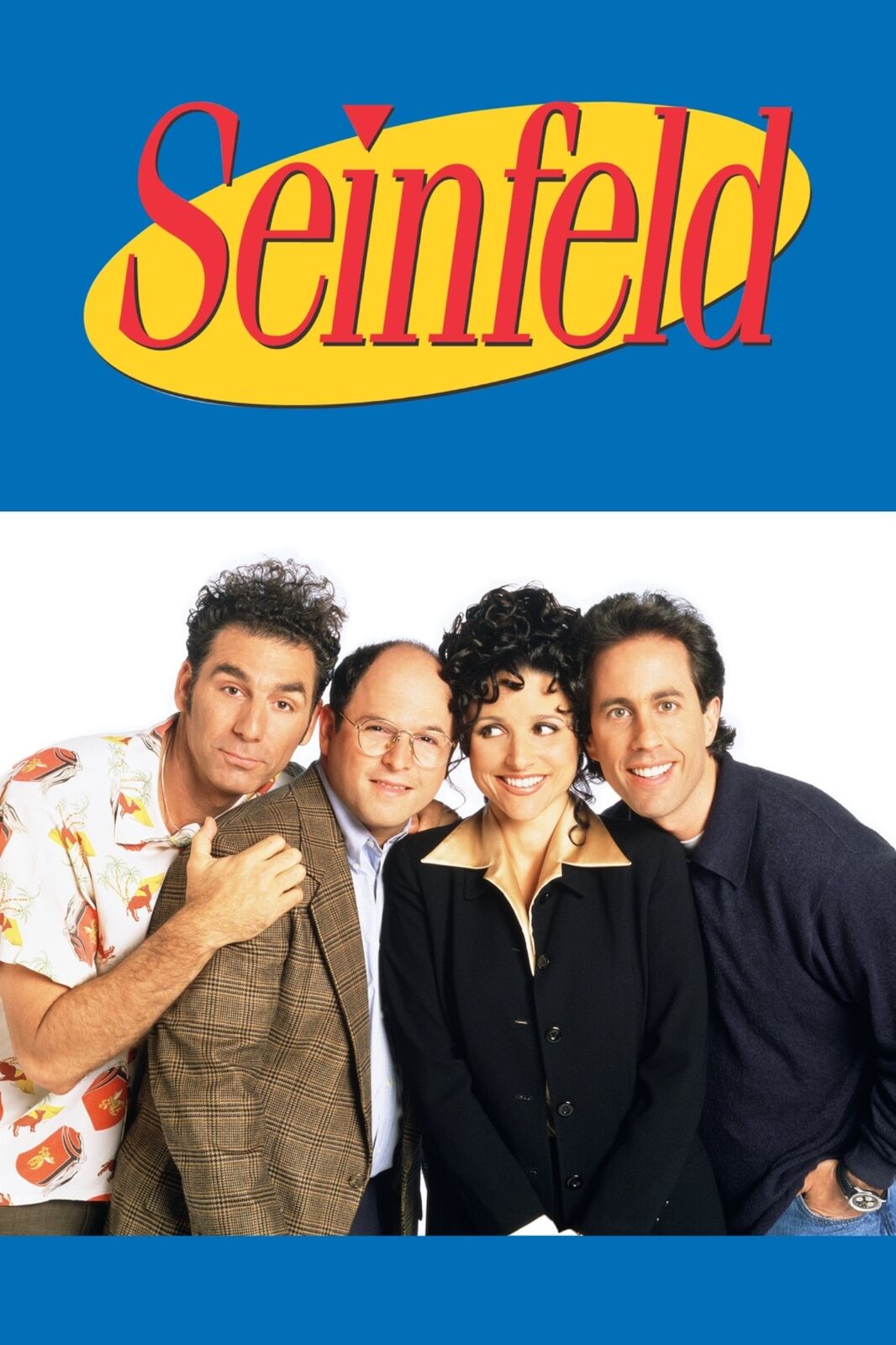
“Seinfeld (1989-1998): The Art of Nothingness | 9 Seasons, Created by Larry David and Jerry Seinfeld”
Embarking on a stroll down memory lane with Seinfeld feels like unlocking a treasure chest of comedic brilliance, a journey I unexpectedly embarked on just a couple of years ago. Despite encountering the show’s iconic characters plastered across buses and marquees countless times, it remained an untapped reservoir of humor until a serendipitous rendezvous with HULU changed everything.
Notoriously hailed as the “show about nothing,” Seinfeld had been a ubiquitous presence in my surroundings, yet it took the digital realms of HULU to beckon me into its quintessential New York City apartment. As I delved into the lives of Jerry, Elaine, George, and Kramer, the magnetic pull of their neurotic escapades drew me in. What started as a casual decision to explore the much-lauded sitcom quickly transformed into a daily ritual of watching at least a chapter or two. With nine seasons to explore, Seinfeld became more than a show; it became a captivating saga that kept me delightfully occupied, revealing the comedic magic woven into the minutiae of life. Little did I know that those seemingly mundane moments would evolve into a comedic touchstone, etching Seinfeld into the fabric of my daily life.
Genre and Style
Seinfeld, often hailed as the quintessential sitcom, masterfully weaves observational humor with a unique style that sets it apart. Rooted in the stand-up comedy nature of its creator, Jerry Seinfeld, the show becomes a comedy of manners, navigating the absurdities of everyday life with a razor-sharp wit. It boldly deviates from conventional sitcom structures, earning its reputation as the “show about nothing” and, paradoxically, making it about everything. The essence of Seinfeld’s style draws inspiration from the observational humor embedded in Jerry Seinfeld’s stand-up, creating a seamless blend that transcends the boundaries of traditional television comedy.
Interestingly, among the three shows discussed in this paper, Seinfeld is the one that, in a good manner, carries a certain timelessness marked by its slightly dephased appearance. It stands as a testament to its enduring charm, showcasing a vintage quality that adds to its appeal rather than detracting from it. The show, like a fine wine, has aged gracefully, becoming a classic that continues to resonate with audiences despite the passage of time.
Setting and Premise
Set against the backdrop of New York City, Seinfeld transforms the mundane into comedic gold. The city becomes an integral character, offering a canvas upon which the quirks and idiosyncrasies of its inhabitants unfold. The show’s premise, revolving around the daily lives of a stand-up comedian and his eclectic group of friends, embraces the chaos of urban living, turning the ordinary into extraordinary comedic moments.
Character Dynamics
Seinfeld’s charm lies in its characters, each a caricature of real-life quirks and foibles. The quartet of Jerry, Elaine, George, and Kramer forms the comedic nucleus of the show, each contributing a distinct flavor to the ensemble.
Jerry Seinfeld (played by Jerry Seinfeld)
As the titular character and the show’s anchor, Jerry Seinfeld’s on-screen persona mirrors his real-life stand-up comedy. With a sarcastic yet affable demeanor, Jerry serves as the calm amidst the storm, navigating the chaos of his friends’ lives. His observational humor and deadpan delivery make him the quintessential straight man, a role that grounds the absurdity swirling around him. Jerry’s character is a lens through which the audience views the idiosyncrasies of daily life, providing a relatable anchor to the show’s comedic brilliance.
Elaine Benes (played by Julia Louis-Dreyfus)
Elaine Benes, portrayed by the incomparable Julia Louis-Dreyfus, injects Seinfeld with a vibrant energy. Her assertive and eccentric personality, characterized by iconic dance moves and an unmistakable laugh, adds a dynamic dimension to the group. Elaine’s independence, professional prowess, and unwavering friendship with Jerry contribute to the show’s progressive portrayal of a strong and complex female character. Her romantic entanglements, including an on-again, off-again relationship with Jerry, add layers of humor and depth to her character.
George Costanza (played by Jason Alexander)
Enter George Costanza, brought to life by Jason Alexander, whose neurotic self-loathing and perpetual misfortune make him an endearing yet exasperating character. George’s relentless pursuit of success and love, often thwarted by his own insecurities and bad luck, creates a comedic narrative that resonates with the human struggle for self-improvement and acceptance. George’s character serves as a mirror reflecting the absurdity of societal expectations, turning mundane situations into uproarious comedy.
Cosmo Kramer (played by Michael Richards):
Cosmo Kramer, played by Michael Richards, bursts onto the scene with unpredictable antics and a larger-than-life personality. With his wild hair, sliding entrances, and eccentric schemes, Kramer elevates Seinfeld’s humor to new heights. His role as Jerry’s neighbor adds an element of absurdity to the quartet, and Richards’ physical comedy prowess brings an unforgettable dimension to the character. Kramer’s character embodies the spirit of spontaneity, injecting chaos into the group dynamic and contributing to the show’s unpredictable comedic brilliance.
Each of these characters, with their distinctive traits and interactions, forms an integral part of Seinfeld’s enduring legacy, showcasing the timeless appeal of the “show about nothing” that turned the mundane into comedic gold. It is almost impossible not to identify oneself with at least one character, and in the spirit of disclosure, I found echoes of myself in the unpredictable spontaneity of Kramer and the neurotic misadventures of George. Yet, if I had to choose one character who resonates with me the most, Kramer takes the crown. His quirky charm, unpredictable nature, and unbridled enthusiasm mirror some facets of my own personality (or at least I’d like to think I was that kind of guy once upon a time), making him a comedic alter ego that adds a personal touch to the laughter-filled journey through Seinfeld’s unique brand of humor.
Humor and Themes
The humor in Seinfeld is observational at its core, mining hilarity from the minutiae of everyday existence. It thrives on the awkward and the mundane, turning seemingly trivial situations into comedic masterpieces. Themes of friendship, dating, and the triviality of daily life serve as a canvas for the show’s distinct brand of humor.
A well-known anecdote about Jerry Seinfeld’s creative process adds an intriguing layer to Seinfeld’s humor. When asked about his seemingly inexhaustible well of jokes, Jerry attributed it to disciplined work habits. Every single day, he commits to writing at least one joke, crossing the calendar as a testament to the completed task. This dedication to the craft illuminates the show’s commitment to finding humor in the ordinary, showcasing the meticulous effort behind the creation of Seinfeld’s comedic brilliance.
Cultural Impact
Seinfeld isn’t just a show; it’s a cultural touchstone that left an indelible mark on the cultural landscape. Phrases like “yada yada yada” and “no soup for you” have become ingrained in popular culture. Its exploration of social etiquette and relationships set a precedent, influencing not only sitcoms but societal conversations.
This cultural impact prompts a nuanced reflection on the separation of fiction and reality. One wonders if shows like Seinfeld ‘teach’ people how to behave, or if it is the other way around. Does the show only offer a mirror into our society for all to see, reflecting the quirks and idiosyncrasies we recognize in ourselves and those around us? The symbiotic relationship between sitcoms and societal norms becomes a fascinating dialogue, blurring the lines between entertainment and a reflection of the world we inhabit. Seinfeld, in this light, stands not only as a source of laughter but as a compelling lens through which we explore the intricate dance between fiction and reality.
Critical Reception
Critically acclaimed, Seinfeld stands as a paragon of television comedy. Its witty writing, innovative approach, and the chemistry of its cast garnered widespread praise. Though not immune to criticism, particularly for its unconventional format, the show’s positive reception solidified its place in the comedic hall of fame.
Innovation and Influence
Seinfeld’s legacy extends beyond its runtime. It pioneered the concept of a sitcom about nothing, influencing a new wave of comedies that embraced a more realistic, everyday approach. Its impact on the sitcom landscape is immeasurable, shaping the future of television comedy.
Cohesion and Consistency
Seinfeld maintains a remarkable consistency in its comedic tone, skillfully navigating the balance between absurdity and relatability. The show’s ability to find humor in the mundane remains a hallmark of its enduring appeal.
Memorable Moments
Seinfeld, a comedic juggernaut, weaves an intricate tapestry of unforgettable moments that have secured their places in the annals of television history. The Soup Nazi’s dictatorial soup stand, with his ruthless “No soup for you!” decree, transcends the confines of fiction to become a cultural phenomenon, echoing in real-life soup establishments. The “Master of Your Domain” episode, a hilariously candid exploration of the challenges of self-control, showcases the cast navigating the delicate dance of abstinence with comedic finesse, leaving audiences both laughing and introspective.
The Festivus celebration, a unique and unconventional holiday tradition introduced in the show, adds a touch of absurdity to the festive season. The airing of grievances, feats of strength, and the unadorned aluminum pole became iconic symbols of a holiday that exists solely in the Seinfeld universe. Meanwhile, the Junior Mint mishap, where the characters inadvertently become confectionery culprits in an operating room, humorously explores the consequences of culinary interference in serious matters.
And who could forget George’s answering machine song, a quirky and memorable expression of his neuroticism, as he croons, “Believe it or not, George isn’t at home, please leave a message at the beep.” This whimsical moment captures the essence of George’s character, creating a symphony of comedic genius that resonates with fans.
These moments, etched in the comedic hall of fame, contribute to Seinfeld’s enduring legacy, showcasing the brilliance of its writers and the unparalleled chemistry of its cast.
Conclusion
As we bid farewell to the iconic apartment on 129 West 81st Street, Seinfeld’s legacy endures as a testament to the brilliance of observational comedy. Its impact on television, culture, and the very fabric of humor is immeasurable. In the realm of sitcoms, Seinfeld isn’t just a show; it’s a philosophy that celebrates the hilarity inherent in life’s trivial pursuits, reminding us that sometimes, laughter is the best response to the absurdity of existence.
And as the familiar slap-bass melody fades away, it’s worth noting that Seinfeld continues to accompany my daily endeavors, even as I pound away on the treadmill at the gym. The show’s enduring presence in the background of my workouts serves as a reminder of its timeless appeal and its ability to add a comedic rhythm to the mundane.
Refusing to succumb to the temptation of ranking these three beloved shows, I must confess that Kramer stands out as one of the most beloved TV characters in my extensive viewing history. There’s an ineffable charm to his quirky persona, making him an enduring favorite amidst the multitude of characters encountered over the years. I can’t help but love that guy!
In the grand tapestry of television history, Seinfeld claims the coveted #1 spot in The TOP 200 Best Comedy Shows of All Time by Rotten Tomatoes, a testament to its enduring popularity and critical acclaim. As we reflect on the laughter-filled journey through the minutiae of life, Seinfeld stands not only as a show but as a comedic masterpiece that has left an indelible mark on the cultural landscape.
Comparative Reflection: A Triumvirate of Comedy Brilliance
In the vast landscape of television comedy, Friends, The Office, and Seinfeld emerge as pillars of comedic brilliance, each with its distinct charm and enduring legacy.
Friends, with its tight-knit group of pals navigating the highs and lows of life, maintains a consistent tone of camaraderie throughout its ten seasons. The Office, set in the mundane yet hilarious world of Dunder Mifflin, showcases remarkable consistency in its mockumentary style over nine seasons. Seinfeld, the “show about nothing,” evolves organically, retaining its observational humor and unique style throughout its nine-season run.
The ensemble cast of Friends brings the dynamics of friendship and romance to the forefront, creating characters that feel like an extension of one’s own social circle. The Office masterfully navigates the dynamics of a workplace, with characters like Michael Scott and Jim Halpert becoming cultural touchstones. Seinfeld’s quartet of characters, led by Jerry, Elaine, George, and Kramer, forms an iconic comedic quartet, each contributing uniquely to the show’s irreverent humor.
Friends’ iconic moments are deeply rooted in the friendships and romantic entanglements of its characters, creating a warm and nostalgic comedy. The Office’s memorable moments often stem from the hilariously mundane, showcasing the comedic potential of everyday office life. Seinfeld’s hall of fame includes moments of observational genius, turning the ordinary into extraordinary comedic gold.
Friends, with its portrayal of New York City life, remains a cultural phenomenon, influencing fashion, language, and the very concept of friendship. The Office’s mockumentary format and memorable characters have left an indelible mark on workplace comedies. Seinfeld’s impact is seen in its infusion of observational humor into the cultural lexicon, with catchphrases and situations that have become part of everyday conversation.
Friends, The Office, and Seinfeld each claim top spots in the pantheon of comedy, securing critical acclaim and enduring popularity. Friends’ emotional resonance and relatable humor make it a beloved classic. The Office’s innovative mockumentary style and unforgettable characters have solidified its place in comedy history. Seinfeld, often regarded as the quintessential sitcom, remains a comedic manifesto, influencing generations with its observational brilliance.
In the end, the choice between these comedy titans becomes a matter of personal preference. Whether reveling in the camaraderie of Friends, navigating the awkward hilarity of The Office, or delving into the observational genius of Seinfeld, viewers are treated to a triumvirate of timeless laughter, each contributing uniquely to the rich tapestry of television comedy.
© Francesc Borrull, 2024
P.S.: For those seeking a laughter-filled escape, Friends is available on HBO Max, The Office on Peacock, and Seinfeld on Netflix. Happy streaming!
 Francesc Borrull