
By Francesc Borrull · April 1, 2024
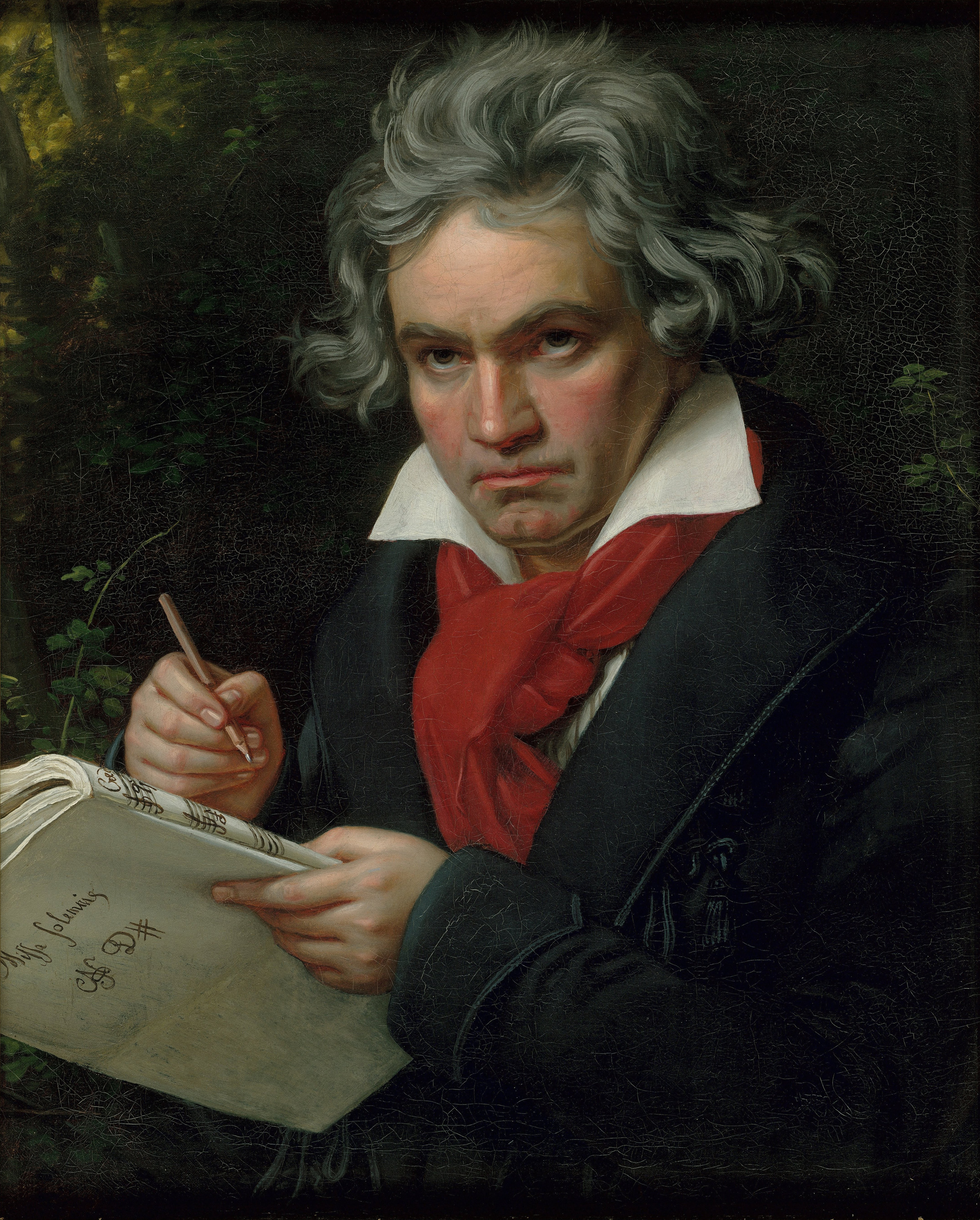
Ludwig van Beethoven: Exploring His Music and Enduring Legacy
1. Introduction
In the annals of music history, few figures loom as large or cast as long a shadow as Ludwig van Beethoven. His name evokes images of artistic genius, revolutionary fervor, and timeless beauty, resonating with music lovers and scholars alike across centuries and continents. Born in Bonn, Germany, in 1770, Beethoven’s life was a testament to the power of music to transcend adversity and inspire greatness.
Beethoven’s importance in music history cannot be overstated. As a composer, he pushed the boundaries of musical expression, bridging the Classical and Romantic periods with his innovative compositions and profound emotional depth. From symphonies to sonatas, concertos to chamber music, Beethoven’s works have left an indelible mark on the course of Western classical music, influencing generations of composers and musicians with their power and universality.
In this paper, we will explore the life, music, and legacy of Ludwig van Beethoven, delving into the rich tapestry of his artistic achievements and their enduring significance. We will begin with a biographical overview, tracing Beethoven’s journey from humble beginnings in Bonn to his triumphs and struggles in Vienna’s musical circles. From there, we will delve into Beethoven’s music, exploring its vast scope and profound impact on the development of Western classical music.
Our exploration will encompass Beethoven’s orchestral music, chamber music, and vocal music, examining key works such as his symphonies, piano sonatas, and concertos. We will analyze the thematic and stylistic elements of his compositions, as well as their historical context and critical reception. Additionally, we will consider Beethoven’s legacy, examining his lasting influence on subsequent generations of composers and musicians and the ways in which his music continues to be performed, studied, and interpreted in the modern era.
Through our exploration of Beethoven’s life, music, and legacy, we will gain insight into the genius of one of history’s greatest composers and the enduring power of his music to inspire, uplift, and transcend the boundaries of time and space. Join us on this journey as we unravel the mysteries and marvels of Beethoven’s musical legacy, a testament to the human spirit and the transformative power of art.
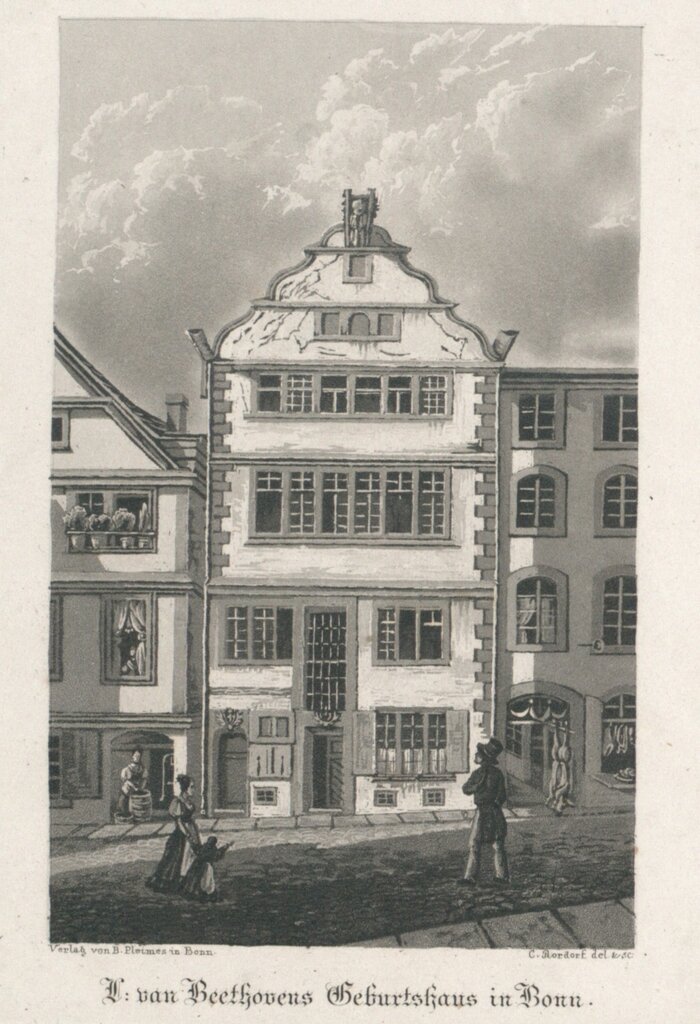
2. Biography
Ludwig van Beethoven, one of the most celebrated composers in Western music history, was born on December 17, 1770, in Bonn, Germany. He was the eldest surviving child of Johann van Beethoven, a court musician, and Maria Magdalena Keverich. Beethoven’s family background was modest, and his father, recognizing his son’s musical talent at an early age, provided him with music lessons to nurture his abilities.
Beethoven’s early musical education was primarily overseen by his father, who taught him the violin and piano. Recognizing his son’s potential, Johann arranged for Beethoven to study with notable local musicians, including Christian Gottlob Neefe. Under Neefe’s guidance, Beethoven honed his skills as both a performer and composer, quickly establishing himself as a prodigy in Bonn’s musical circles.
In 1787, at the age of 17, Beethoven made the significant decision to travel to Vienna, then the epicenter of European music, to further his musical education. In Vienna, Beethoven studied composition with Joseph Haydn, one of the leading composers of the time. Haydn’s influence on Beethoven’s early compositions is evident, as Beethoven absorbed the classical forms and structures prevalent in Haydn’s music while beginning to develop his own distinct style.
Despite his burgeoning success as a composer, Beethoven faced numerous personal challenges throughout his life. One of the most profound was his gradual loss of hearing, which began in his late 20s and eventually led to near-total deafness. Beethoven’s struggles with deafness profoundly affected his personal and professional life, causing him great frustration and isolation while also fueling his determination to continue composing despite his affliction.
In addition to his struggles with deafness, Beethoven faced various personal and societal challenges, including financial difficulties, strained relationships with family members, and the political turmoil of the Napoleonic era. Despite these obstacles, Beethoven continued to compose prolifically, producing some of his most enduring works during periods of personal turmoil and adversity.
Throughout his life, Beethoven remained dedicated to his art, pushing the boundaries of musical expression and leaving an indelible mark on the course of Western music history. His profound impact on subsequent generations of composers and his enduring legacy as a musical visionary ensure that his contributions will be celebrated and studied for centuries to come.
3. Music
3a. Orchestral Music
Beethoven’s orchestral music stands as a cornerstone of his compositional output, showcasing his mastery of form, innovation, and emotional depth. His orchestral works encompass symphonies, concertos, and overtures, each contributing to his legacy as a groundbreaking composer.
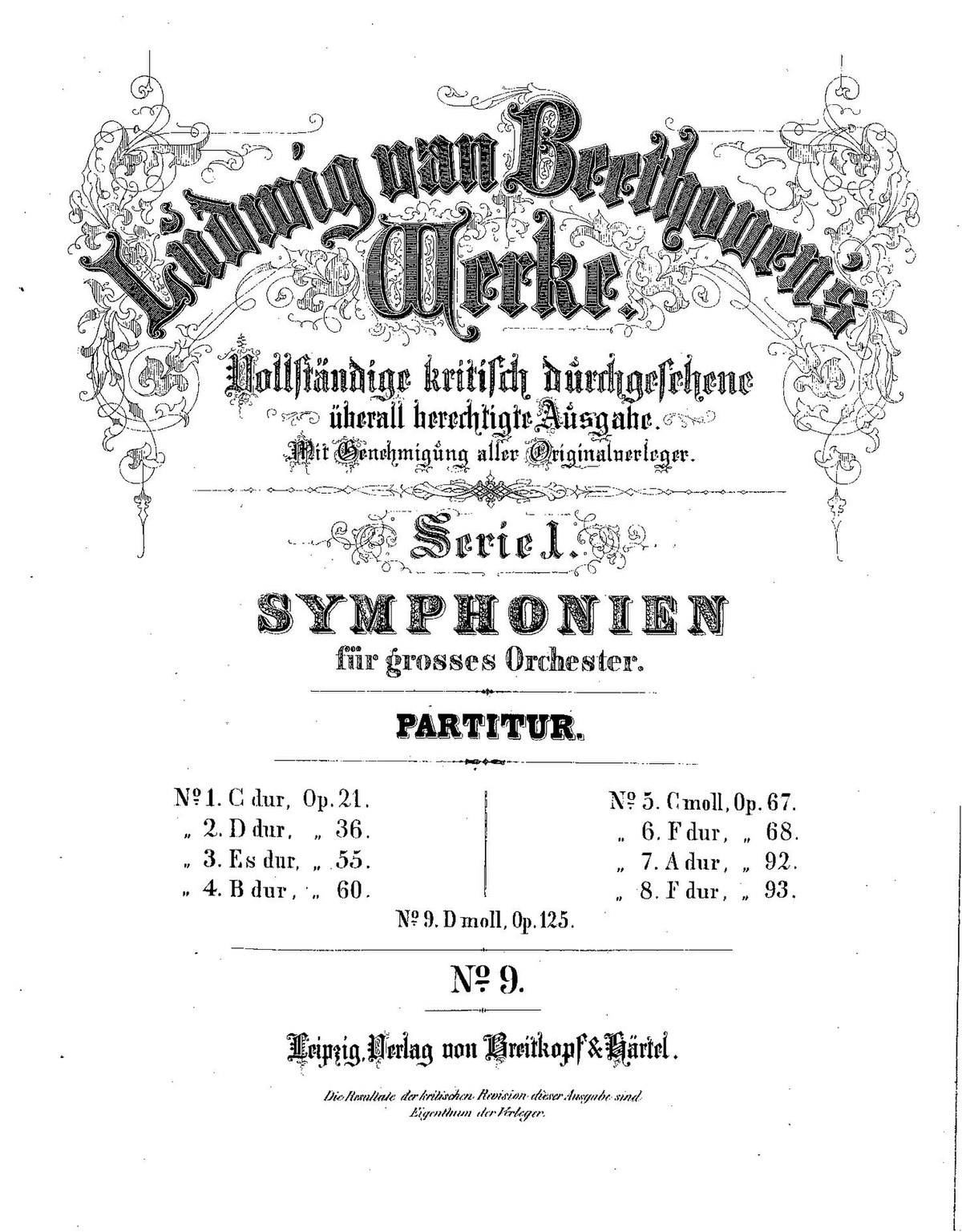
The symphony occupies a central place in Beethoven’s oeuvre, with his nine symphonies often regarded as some of the greatest works in the classical repertoire. Beginning with his early symphonies, which exhibit the influence of Haydn and Mozart, Beethoven quickly demonstrated his ability to expand and transform the symphonic form. His Third Symphony, the “Eroica,” marked a significant departure from convention, both in its unprecedented scale and its heroic thematic material, reflecting Beethoven’s revolutionary spirit and aspirations for human greatness.
Beethoven’s orchestral works also include a series of piano concertos, which showcase his virtuosic piano writing and innovative approach to the concerto form. His Piano Concerto No. 5 in E-flat major, popularly known as the “Emperor Concerto,” exemplifies Beethoven’s mastery of the genre, with its grand orchestral gestures and intricate interplay between soloist and orchestra.
In addition to symphonies and concertos, Beethoven composed several overtures, including the iconic “Coriolan” and “Egmont” overtures, which served as preludes to dramatic works by Shakespeare and Goethe, respectively. These overtures exhibit Beethoven’s skill in capturing dramatic tension and emotional depth within a compact orchestral form.
Beethoven’s orchestral music is characterized by a range of compositional techniques and innovations that set him apart from his contemporaries. His use of motivic development, thematic transformation, and harmonic exploration imbue his works with a sense of unity and organic growth, while his bold experimentation with form and structure expands the expressive possibilities of the orchestra.
The historical context of Beethoven’s orchestral works is integral to understanding their significance. Written during a time of political upheaval and social change, Beethoven’s symphonies, in particular, reflect the spirit of the age, with their themes of heroism, struggle, and triumph resonating with audiences then and now. Critical reception of Beethoven’s orchestral works has been overwhelmingly positive, with contemporary critics and audiences recognizing their innovation, emotional depth, and lasting impact on the classical music tradition.
In summary, Beethoven’s orchestral music represents a pinnacle of artistic achievement, showcasing his mastery of form, innovation, and emotional expression. From symphonies and concertos to overtures, Beethoven’s orchestral works continue to captivate and inspire audiences with their timeless beauty and profound insight into the human condition.
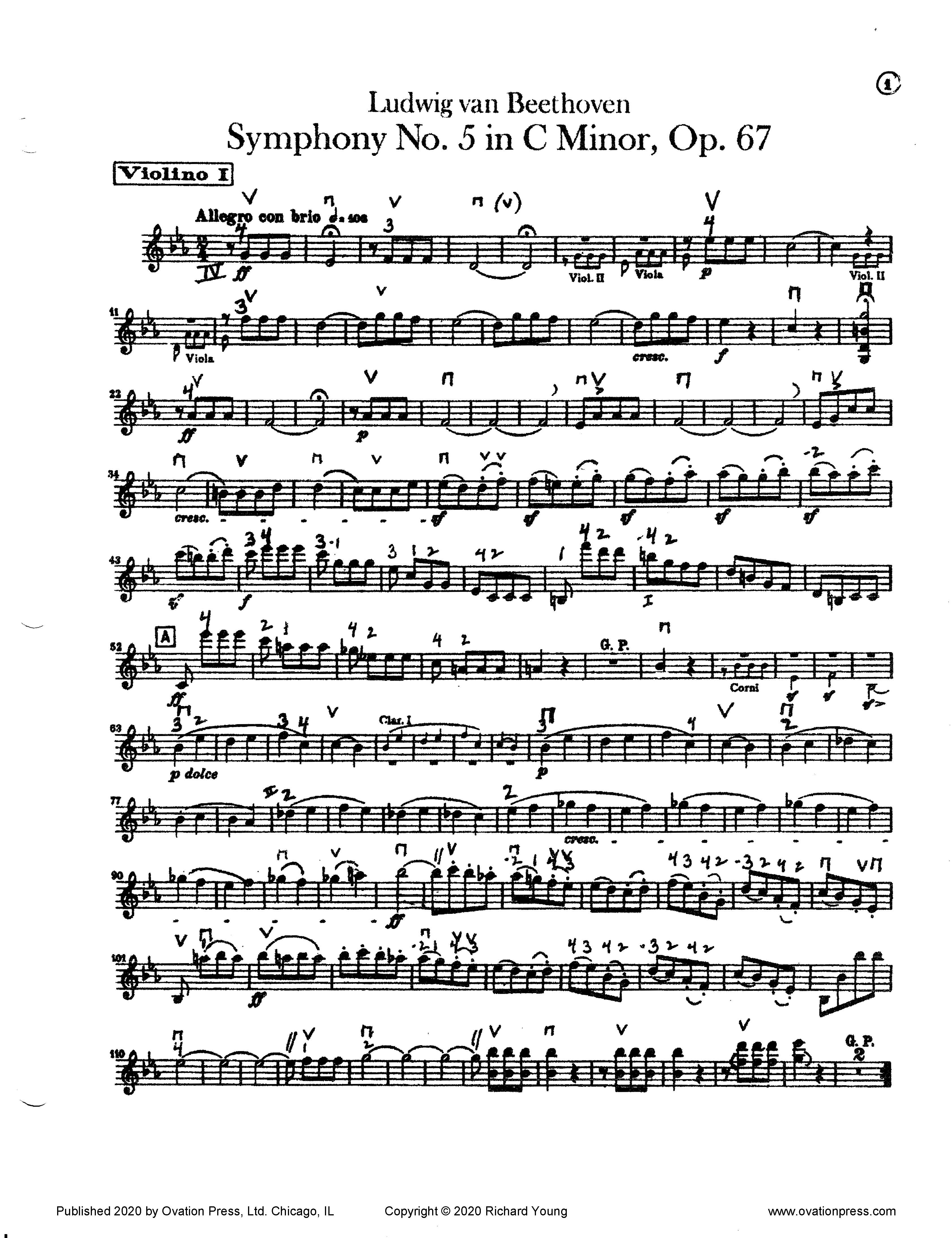
Symphony No. 5 “Fate” in C minor: A Musical Exploration
Ludwig van Beethoven’s Symphony No. 5 in C minor, Op. 67, commonly known as the “Fate” Symphony, stands as one of the most iconic and enduring works in the classical repertoire. Composed between 1804 and 1808, during a tumultuous period of political and personal upheaval in Beethoven’s life, the Fifth Symphony is a testament to the composer’s resilience, creativity, and artistic vision. Alongside Symphony No. 9, the Fifth holds a special place in my heart for its compelling thematic material and emotional depth.
Thematic and Stylistic Elements
The Symphony No. 5 is characterized by its powerful and dramatic thematic material, epitomized by the famous “short-short-short-long” motif that opens the first movement. This motif, often referred to as the “Fate” motif, pervades the entire symphony, serving as a unifying thread that binds together its four movements. Beethoven’s use of this motif creates a sense of inevitability and destiny, driving the symphony forward with relentless energy and intensity.
In addition to its thematic material, the Fifth Symphony is marked by Beethoven’s innovative approach to form and structure. The symphony adheres to the traditional four-movement symphonic form, with a sonata-allegro first movement, a lyrical andante con moto second movement, a scherzo third movement, and a triumphant finale. However, Beethoven’s treatment of these forms is anything but conventional, with unexpected twists and turns that keep the listener engaged and on the edge of their seat.
Historical Context
The Symphony No. 5 was composed during a period of profound political and personal turmoil in Beethoven’s life. In 1804, Beethoven’s hearing began to deteriorate rapidly, leading to feelings of isolation and despair. Additionally, Europe was engulfed in the Napoleonic Wars, with Vienna, where Beethoven lived, occupied by French forces. Against this backdrop of uncertainty and upheaval, Beethoven composed his Fifth Symphony as a defiant statement of artistic independence and resilience.
The symphony’s triumphant finale, with its jubilant brass fanfares and exuberant melodies, has been interpreted by some as a celebration of victory over adversity, while others see it as a defiant proclamation of the human spirit in the face of overwhelming odds. Whatever the interpretation, the Fifth Symphony stands as a powerful testament to Beethoven’s indomitable will and creative genius.
Critical Reception
Upon its premiere in 1808, the Symphony No. 5 received mixed reviews from critics and audiences. Some praised its boldness and originality, while others found its unconventional form and intense emotional expression to be perplexing. However, over time, the Fifth Symphony has come to be regarded as one of Beethoven’s greatest masterpieces, admired for its dramatic power, thematic richness, and profound emotional depth.
Critics have lauded the symphony’s innovative use of thematic transformation and development, as well as its groundbreaking approach to form and structure. The Fifth Symphony’s enduring popularity with audiences around the world attests to its timeless appeal and universal resonance, cementing its status as one of the cornerstones of the classical repertoire.
In summary, Beethoven’s Symphony No. 5 “Fate” in C minor stands as a towering achievement in the history of Western classical music. Through its powerful thematic material, innovative approach to form, and profound emotional depth, the Fifth Symphony continues to captivate and inspire audiences with its timeless beauty and enduring relevance.
MITSUKO UCHIDA ~ Beethoven Piano Concerto # 5 / BSO / Andris Nelsons October 22
Piano Concerto No. 5 “Emperor” in E♭ major: An Exploration
Ludwig van Beethoven’s Piano Concerto No. 5 in E♭ major, Op. 73, popularly known as the “Emperor” Concerto, stands as a pinnacle of the piano concerto repertoire. Composed between 1809 and 1811, amidst the backdrop of the Napoleonic Wars and Beethoven’s personal struggles, the “Emperor” Concerto represents a triumph of artistic expression and innovation.
Thematic and Stylistic Elements
The “Emperor” Concerto is renowned for its grandeur, virtuosity, and lyrical beauty. It features a majestic opening movement marked by expansive melodies and bold orchestral flourishes, showcasing the pianist’s technical prowess and the orchestra’s rich palette of colors. The concerto’s slow movement contrasts with tender lyricism, featuring poignant melodies and intimate dialogues between the piano and orchestra. The finale bursts with exuberance and energy, with lively rhythms and spirited themes that culminate in a thrilling conclusion.
Beethoven’s thematic material in the “Emperor” Concerto is characterized by its elegance, clarity, and emotional depth. The piano writing is virtuosic yet deeply expressive, requiring both dexterity and sensitivity from the performer. The orchestral accompaniment is masterfully orchestrated, providing a rich tapestry of colors and textures that complement and enhance the soloist’s performance.
Historical Context
The composition of the “Emperor” Concerto coincided with a turbulent period in Beethoven’s life and in European history. In 1809, Vienna was under siege by French forces, and Beethoven’s personal life was marked by financial difficulties and deteriorating health. Despite these challenges, Beethoven’s creative spirit remained undaunted, and he continued to produce some of his most iconic works during this time, including the “Emperor” Concerto.
The concerto’s nickname, “Emperor,” is believed to have been bestowed upon it by a publisher in England, possibly in reference to its regal character and majestic themes. However, Beethoven himself did not approve of this title, preferring to simply refer to it by its key and opus number.
Critical Reception
Upon its premiere in 1811, the “Emperor” Concerto was met with widespread acclaim from audiences and critics alike. Contemporary reviews praised its virtuosity, beauty, and depth of expression, hailing it as a masterpiece of the piano concerto genre. Critics noted Beethoven’s innovative approach to form and structure, as well as his skillful integration of soloist and orchestra.
Over the centuries, the “Emperor” Concerto has continued to captivate and inspire audiences with its timeless beauty and profound emotional depth. It remains one of the most beloved and frequently performed works in the piano concerto repertoire, admired for its technical challenges and expressive richness.
In summary, Beethoven’s Piano Concerto No. 5 “Emperor” in E♭ major stands as a testament to the composer’s genius and creativity. With its grandeur, virtuosity, and emotional depth, the “Emperor” Concerto continues to enchant and enthrall listeners, serving as a lasting testament to Beethoven’s enduring legacy as one of the greatest composers in the history of Western music.
3b. Chamber Music
Beethoven’s chamber music occupies a central place in his compositional output, showcasing his mastery of intimate musical forms and his innovative approach to composition. Spanning genres such as piano sonatas, string quartets, and various chamber ensembles, Beethoven’s chamber works are celebrated for their depth of expression, technical brilliance, and innovation.
Among Beethoven’s most renowned chamber music compositions are his 32 piano sonatas, which trace the evolution of the piano sonata genre and reflect Beethoven’s own artistic development. From the classical elegance of his early sonatas to the profound emotional depth of his later works, such as the “Hammerklavier” Sonata, Beethoven’s piano sonatas demonstrate his ability to push the boundaries of form and expression while showcasing his virtuosity as a pianist.
The string quartet occupies a special place in Beethoven’s chamber music output, with his 16 string quartets often regarded as some of the finest works in the genre. Beethoven’s string quartets exemplify his mastery of counterpoint, harmonic exploration, and thematic development, with each quartet offering a unique musical journey that explores the full range of human emotion. Particularly notable are Beethoven’s late quartets, including the monumental “Große Fuge,” which challenge traditional notions of form and structure while delving into profound realms of introspection and spirituality.
In addition to piano sonatas and string quartets, Beethoven composed a variety of other chamber music works, including piano trios, violin sonatas, and wind ensembles. These compositions showcase Beethoven’s versatility as a composer and his ability to create compelling musical dialogues within smaller ensemble settings.
Beethoven’s chamber music is characterized by its innovative use of form, expressive depth, and technical brilliance. His incorporation of motivic development, thematic transformation, and harmonic exploration elevates his chamber works to the highest levels of artistic achievement, while his bold experimentation with structure and texture expands the expressive possibilities of chamber music.
The evolution of Beethoven’s chamber music style can be traced through his compositional output, from the classical elegance of his early works to the daring experimentation of his late period. In his early chamber music, Beethoven adhered more closely to classical forms and structures, drawing inspiration from the works of Haydn and Mozart while also infusing his compositions with his own distinctive voice and expressive intensity.
As Beethoven’s style matured, his chamber music became increasingly innovative and expansive, with works such as the “Razumovsky” Quartets and the “Hammerklavier” Sonata pushing the boundaries of form and expression. In his late period, Beethoven’s chamber music took on a more introspective and transcendent quality, with works such as the “Late Quartets” exploring themes of spirituality, transcendence, and the human condition.
Beethoven’s influence on later composers is profound and far-reaching, with his chamber music serving as a source of inspiration for generations of musicians. Composers such as Brahms, Mendelssohn, and Schumann were deeply influenced by Beethoven’s chamber music style, incorporating elements of his harmonic language, formal innovation, and expressive intensity into their own compositions. Beethoven’s chamber music continues to be studied, performed, and revered by musicians and audiences alike, demonstrating its enduring significance and relevance in the classical music tradition.
In summary, Beethoven’s chamber music stands as a testament to his genius as a composer and his ability to create profound and deeply moving musical experiences within intimate ensemble settings. From piano sonatas to string quartets, Beethoven’s chamber works continue to inspire and captivate audiences with their timeless beauty and emotional resonance.
Beethoven | Piano Sonata No. 14 “Moonlight” in C sharp minor | Daniel Barenboim
Piano Sonata No. 14 in C-sharp minor: A Personal Journey
Ludwig van Beethoven’s Piano Sonata No. 14 in C-sharp minor, Op. 27, No. 2, popularly known as the “Moonlight” Sonata, holds a special place in the hearts of many music enthusiasts, including myself, as a personal favorite. This sonata, which I began learning to play during the early stages of piano lessons some 25 years ago, serves as a poignant reminder of the transformative power of music.
Thematic and Stylistic Elements
The “Moonlight” Sonata is renowned for its hauntingly beautiful melodies, evocative harmonies, and profound emotional depth. The first movement, marked Adagio sostenuto, features a melancholic and introspective mood, with its hypnotic triplet rhythm and ethereal melody capturing the listener’s imagination. The second movement, Allegretto, provides a stark contrast, with its gentle and lyrical theme offering a moment of respite before the stormy finale. The third movement, Presto agitato, bursts forth with passion and intensity, showcasing Beethoven’s virtuosic piano writing and dramatic flair.
Thematic material in the “Moonlight” Sonata is characterized by its simplicity, clarity, and expressiveness. Beethoven’s use of recurring motifs and thematic transformation creates a sense of unity and cohesion throughout the work, while his innovative harmonies and bold contrasts add depth and richness to the musical narrative.
Historical Context
The composition of the “Moonlight” Sonata coincided with a period of personal and artistic transition for Beethoven. In 1801, Beethoven was grappling with the onset of deafness, a profound loss that would shape his artistic output in the years to come. The “Moonlight” Sonata, composed in 1801 and dedicated to his pupil, Countess Giulietta Guicciardi, represents a departure from the classical conventions of the time, with its introspective mood and expressive depth foreshadowing the Romantic sensibility that would come to define Beethoven’s later works.
Critical Reception
Upon its publication, the “Moonlight” Sonata received mixed reviews from critics and audiences. Some found its unconventional structure and expressive intensity to be perplexing, while others hailed it as a masterpiece of the piano repertoire. Over time, however, the “Moonlight” Sonata has come to be regarded as one of Beethoven’s most iconic and enduring works, admired for its emotional depth, technical brilliance, and timeless beauty.
In summary, Beethoven’s Piano Sonata No. 14 in C-sharp minor, the “Moonlight” Sonata, holds a special significance for me as a personal favorite and a cherished musical memory from my early piano studies. With its haunting melodies, evocative harmonies, and profound emotional depth, the “Moonlight” Sonata continues to captivate and inspire listeners, serving as a testament to Beethoven’s enduring legacy as one of the greatest composers in the history of Western music.
Beethoven String Quartet No 14 Op 131 in C♯ minor Alban Berg Quartet
String Quartet No. 14 in C♯ minor, Op. 131: A Masterpiece of Innovation
Ludwig van Beethoven’s String Quartet No. 14 in C♯ minor, Op. 131, stands as a testament to the composer’s boundless creativity and unparalleled mastery of the string quartet genre. Composed in 1826, near the end of Beethoven’s life, the Op. 131 quartet is considered one of the most profound and challenging works in the chamber music repertoire.
Thematic and Stylistic Elements
The Op. 131 quartet is characterized by its expansive structure, intricate counterpoint, and emotional depth. Comprising seven movements played without interruption, the quartet unfolds as a continuous musical journey, with each movement seamlessly leading into the next. Beethoven’s thematic material is rich and diverse, ranging from delicate lyricism to intense drama, with motifs and themes interwoven throughout the work to create a sense of unity and coherence.
Stylistically, the Op. 131 quartet represents a departure from the classical conventions of the time, with Beethoven pushing the boundaries of form and structure to new heights. The quartet is marked by its innovative use of harmony, rhythm, and texture, as well as its bold experimentation with tonal ambiguity and chromaticism. Beethoven’s mastery of counterpoint is on full display, with intricate contrapuntal lines weaving in and out of each other to create a rich tapestry of sound.
Historical Context
The composition of the Op. 131 quartet occurred during a period of profound personal and artistic turmoil for Beethoven. By 1826, Beethoven was grappling with deteriorating health, financial difficulties, and increasing isolation due to his deafness. Despite these challenges, Beethoven continued to compose with fervor, producing some of his most innovative and deeply expressive works during this time, including the Op. 131 quartet.
The Op. 131 quartet is often seen as a reflection of Beethoven’s inner struggles and spiritual journey, with its profound emotional depth and introspective mood conveying a sense of resignation, acceptance, and transcendence.
Critical Reception
Upon its premiere, the Op. 131 quartet received mixed reviews from critics and audiences. Some found its unconventional structure and complex polyphony to be bewildering, while others hailed it as a masterpiece of the string quartet genre. Over time, however, the Op. 131 quartet has come to be regarded as one of Beethoven’s crowning achievements, admired for its emotional depth, technical brilliance, and profound spiritual insight.
In summary, Beethoven’s String Quartet No. 14 in C♯ minor, Op. 131, stands as a masterpiece of innovation and artistic expression. With its expansive structure, intricate counterpoint, and profound emotional depth, the Op. 131 quartet continues to captivate and inspire listeners, serving as a testament to Beethoven’s enduring legacy as one of the greatest composers in the history of Western music.
3c. Vocal Music.
Beethoven’s vocal music represents a diverse and significant aspect of his compositional output, ranging from monumental choral works to intimate art songs. Through his vocal compositions, Beethoven explored themes of heroism, love, faith, and human struggle with characteristic intensity and emotional depth.
One of Beethoven’s most celebrated vocal compositions is his opera “Fidelio,” which stands as a testament to his belief in the power of human freedom and the triumph of love over oppression. Premiered in 1805, “Fidelio” tells the story of Leonore, who disguises herself as a man named Fidelio to rescue her husband Florestan, unjustly imprisoned for his political beliefs. Through its stirring music and profound themes of justice and redemption, “Fidelio” remains a cornerstone of the operatic repertoire and a powerful testament to Beethoven’s humanitarian ideals.
Another notable vocal work by Beethoven is his Mass in D major, commonly known as the “Missa Solemnis.” Composed between 1819 and 1823, the “Missa Solemnis” is a monumental choral composition that reflects Beethoven’s deeply held religious beliefs and his reverence for the sacred text. With its expansive scope, intricate counterpoint, and profound spirituality, the “Missa Solemnis” stands as one of the most ambitious and profound choral works of the 19th century, showcasing Beethoven’s mastery of the choral genre and his ability to evoke profound emotional and spiritual experiences.
Beethoven: Missa solemnis | Fabio Luisi, Staatskapelle Dresden, Chorus of the Sächsische Staatsoper
In addition, Beethoven composed a number of smaller vocal works, including art songs (lieder) and vocal chamber music. These compositions, often set to texts by poets such as Goethe and Schiller, showcase Beethoven’s ability to create intimate and expressive musical settings that illuminate the emotional depths of the human experience.
Thematic and stylistic elements permeate Beethoven’s vocal compositions, reflecting his deep engagement with the philosophical, political, and social currents of his time. In “Fidelio,” themes of love, loyalty, and the struggle for justice are expressed through powerful melodies, dramatic recitatives, and stirring choruses, while the “Missa Solemnis” explores themes of faith, transcendence, and spiritual renewal through intricate contrapuntal textures and expansive musical forms.
Historically, Beethoven’s vocal music reflects the tumultuous era in which it was composed, with themes of individual freedom, social justice, and spiritual redemption resonating with contemporary audiences grappling with the aftermath of the French Revolution and the Napoleonic Wars. Beethoven’s vocal works served as both a reflection of and a response to the societal upheaval of the Romantic era, offering messages of hope, resilience, and the enduring power of the human spirit.
In summary, Beethoven’s vocal music stands as a testament to his genius as a composer and his ability to create profound and emotionally stirring musical experiences through the power of the human voice. From operas to choral masterpieces, Beethoven’s vocal works continue to inspire and captivate audiences with their timeless beauty, profound insight, and enduring relevance to the human condition.
4. Significance of Beethoven’s music
Ludwig van Beethoven’s music holds profound significance in the development of Western classical music, marking a transformative period between the Classical and Romantic eras. Through his compositions, Beethoven revolutionized musical expression, leaving an indelible mark on the course of music history.
Beethoven’s music played a pivotal role in the evolution of Western classical music, challenging established conventions and paving the way for future generations of composers. His innovative approach to form, harmony, and orchestration expanded the expressive possibilities of music, influencing composers across genres and centuries.
Central to Beethoven’s significance is his role in bridging the Classical and Romantic periods. While grounded in the formal structures of the Classical era, Beethoven’s music exhibits a revolutionary spirit and emotional depth characteristic of the Romantic movement. His compositions, such as the Third Symphony (“Eroica”) and the Ninth Symphony, blur the lines between genres, blending symphonic grandeur with introspective lyricism to create profoundly moving musical experiences.
Beyond his technical innovations, Beethoven’s compositions reflect the cultural and philosophical currents of his time. Composed against the backdrop of political upheaval and social change, Beethoven’s music captures the spirit of the age, embodying ideals of freedom, heroism, and human dignity. His Ninth Symphony, with its iconic “Ode to Joy,” serves as a testament to the power of music to unite humanity and transcend the struggles of the human condition.
Beethoven’s music continues to resonate with audiences today, speaking to universal themes of struggle, triumph, and transcendence. His compositions embody the human experience in all its complexity, offering solace, inspiration, and insight to listeners across generations.
In summary, Beethoven’s music holds enduring significance in the development of Western classical music, bridging the Classical and Romantic periods and pushing the boundaries of musical expression. Through his compositions, Beethoven captured the spirit of his time while transcending temporal and cultural boundaries to create music that speaks to the human soul.
5. Legacy of Beethoven
Ludwig van Beethoven’s legacy extends far beyond his own lifetime, profoundly influencing subsequent generations of composers and musicians and shaping the course of Western classical music. His works continue to be performed, studied, and interpreted in the modern era, serving as a wellspring of inspiration and innovation for musicians and audiences worldwide.
Beethoven’s lasting influence on subsequent generations of composers and musicians is undeniable. His bold experimentation with form, harmony, and expression paved the way for the Romantic movement and fundamentally altered the trajectory of classical music. Composers such as Brahms, Schumann, and Mahler were deeply inspired by Beethoven’s music, incorporating elements of his harmonic language, formal innovation, and emotional intensity into their own compositions. Brahms, in particular, grappled with Beethoven’s towering legacy, famously stating, “You can’t have any idea what it’s like always to hear such a giant marching behind you!”
Beethoven’s works continue to be performed, studied, and interpreted in the modern era, with his symphonies, concertos, and chamber music remaining staples of the classical repertoire. His compositions are celebrated for their timeless beauty, emotional depth, and profound insight into the human condition, captivating audiences with their power and universality. From concert halls to recording studios, Beethoven’s music continues to be embraced by performers and listeners alike, demonstrating its enduring relevance and appeal.
Numerous composers have paid homage to Beethoven or directly referenced his music in their own compositions, highlighting his enduring influence and significance. For example, composers such as Wagner and Liszt admired Beethoven’s revolutionary spirit and sought to emulate his artistic vision in their own works. Wagner’s “Tristan und Isolde” features a passage that directly quotes the opening bars of Beethoven’s Ninth Symphony, symbolizing the profound impact of Beethoven’s music on Wagner’s conception of music drama.
Additionally, Beethoven’s influence extends beyond the realm of classical music, inspiring artists in diverse genres and disciplines. From jazz to rock to film scores, Beethoven’s music has been reimagined and reinterpreted in myriad ways, attesting to its enduring resonance and adaptability across cultures and contexts.
In summary, Beethoven’s legacy looms large in the annals of music history, shaping the course of Western classical music and inspiring generations of composers and musicians. His works continue to be celebrated and cherished for their profound emotional depth, timeless beauty, and enduring relevance, ensuring that Beethoven’s legacy will endure for centuries to come.
6. Conclusion
In the journey through the life, music, and legacy of Ludwig van Beethoven, we have encountered a figure of profound significance, both as a composer and as a cultural icon. From his humble beginnings in Bonn to his triumphs and struggles in Vienna, Beethoven’s life was a testament to the power of music to transcend adversity and inspire greatness. Through his innovative compositions and profound emotional depth, Beethoven pushed the boundaries of musical expression, leaving an indelible mark on the course of Western classical music. As my absolute favorite classical composer of all time, a sentiment arrived at after much consideration, Beethoven’s music holds a special place in the heart, resonating deeply with its timeless beauty and profound insight into the human condition.
As we reflect on the key points discussed in this paper, it becomes clear that Beethoven’s significance extends far beyond his own time. His music continues to captivate and inspire audiences with its timeless beauty, emotional depth, and profound insight into the human condition. From the symphonic grandeur of his symphonies to the intimate lyricism of his chamber music, Beethoven’s compositions speak to universal themes of struggle, triumph, and transcendence, resonating with listeners across generations and cultures.
Beethoven’s enduring impact on subsequent generations of composers and musicians is undeniable. His innovative approach to form, harmony, and expression paved the way for the Romantic movement and fundamentally altered the trajectory of classical music. Composers such as Brahms, Wagner, and Mahler were deeply inspired by Beethoven’s music, incorporating elements of his artistic vision into their own compositions and contributing to the rich tapestry of musical innovation.
What makes Beethoven’s music timeless and relevant to audiences today is its ability to speak directly to the human soul. Through his compositions, Beethoven captured the full range of human emotion, from the depths of despair to the heights of exaltation, offering solace, inspiration, and insight to listeners across time and space. His music transcends temporal and cultural boundaries, serving as a beacon of hope and a testament to the enduring power of art to uplift and inspire.
In the pantheon of musical giants, Beethoven stands as a colossus, his music a testament to the indomitable spirit of the human creative impulse. As we bid farewell to this exploration of Beethoven’s life, music, and legacy, let us carry forward his legacy with reverence and awe, celebrating the timeless beauty and profound insight of one of history’s greatest —if not the greatest— composers. Beethoven’s music lives on, a testament to the enduring power of the human spirit and the transformative potential of art.
© Francesc Borrull, 2024
P.S. Below is a list of essential discography references for further exploration of Beethoven’s music. Please note that these links are provided solely for convenience, and I do not receive any compensation for clicks:
- Beethoven: The Complete Symphonies – Herbert von Karajan, Berlin Philharmonic Orchestra, DG 1963
- Beethoven: Symphonies Nos. 5 & 7 – Carlos Kleiber, Wiener Philharmoniker, DG 1974
- Beethoven: Symphony No. 9 – Leonard Bernstein, DG 1990
- Beethoven: Piano Concertos No. 5 – Murray Perahia, Concertgebouw Orchestra, conducted by Bernard Haitink, CBS 1986
- Beethoven: The Complete Piano Sonatas – Wilhelm Kempff, DG 1951-1956
- Beethoven: Complete String Quartets – Quartetto Italiano, DECCA 1996
- Beethoven: The Late String Quartets – Takacs Quartet, DECCA 2004
- Beethoven: Missa Solemnis – Otto Klemperer, New Philharmonia Chorus & Orchestra, EMI 1966
Happy listening!
 Francesc Borrull
