
By Francesc Borrull · April 5, 2024
Introduction
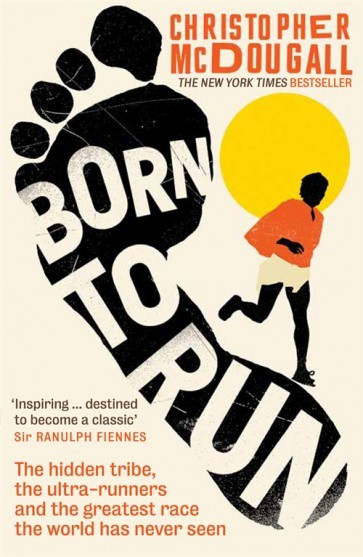
In today’s blog post, I delve into a comparative analysis and personal opinion of two prominent books in the running world: “Born to Run” by Christopher McDougall and “Born to Run 2: The Ultimate Training Guide” by Christopher McDougall and Eric Orton. As a recreational runner who has independently read both books, I aim to provide an insightful summary, comparison, and critique of their content.
It’s important to note that I purchased both books myself, without any involvement from the publishers or authors. Neither book was sent to me for review, nor was I compensated for writing this critique. The opinions expressed here are solely based on my own reading experience and analysis as a reader and runner. With that in mind, let’s explore these two influential works and evaluate their impact on the running community.
Born to Run
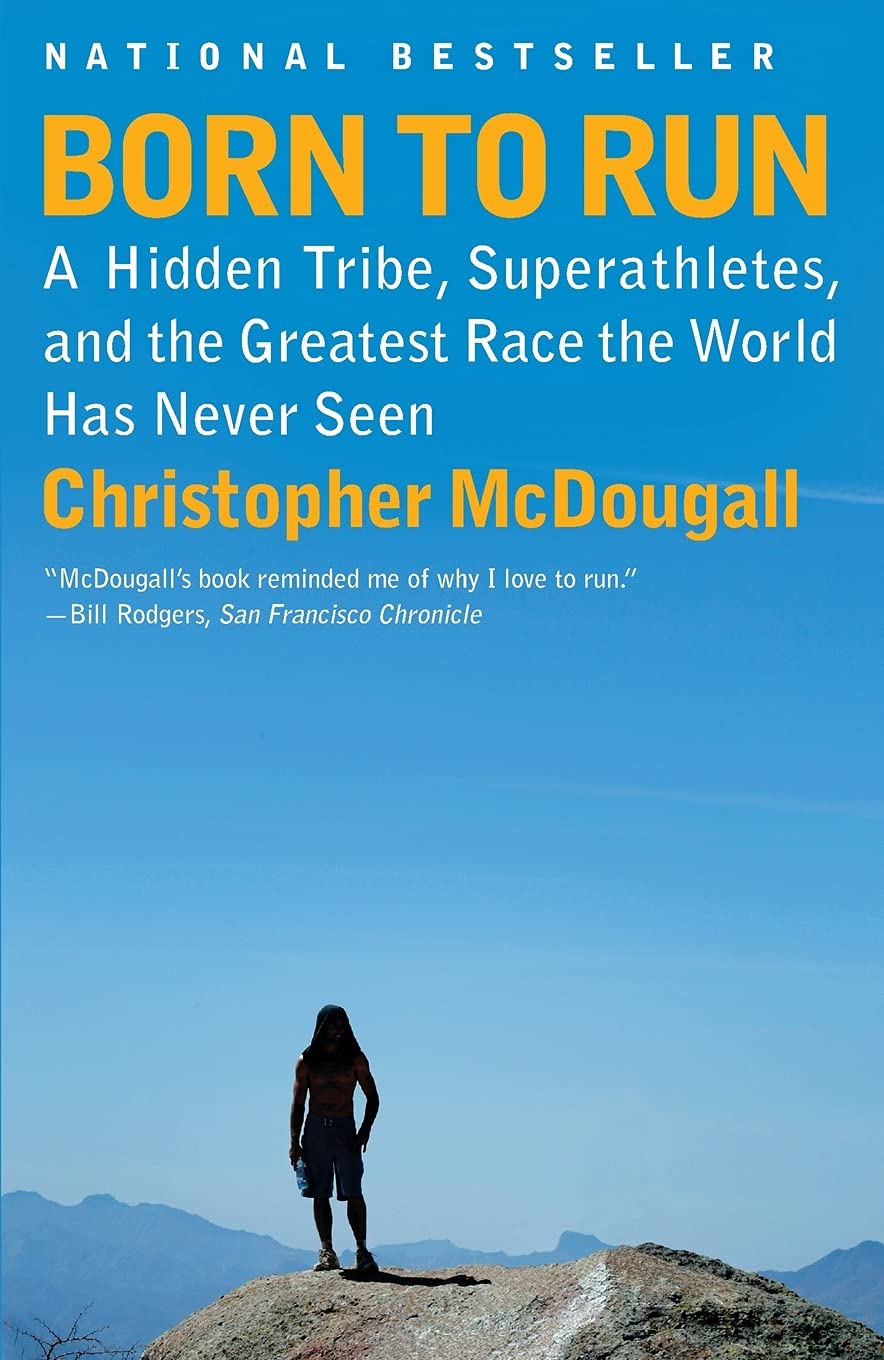
“Born to Run” by Christopher McDougall is a captivating narrative that explores the world of ultra-distance running through the lens of the Tarahumara, a reclusive tribe living in the Copper Canyons of Mexico. McDougall delves into the fascinating history of human endurance running, questioning conventional wisdom about running shoes, injury prevention, and the limits of human performance.
The book follows McDougall’s journey to understand the secrets of the Tarahumara, renowned for their ability to run long distances with ease. Along the way, he encounters remarkable characters, including elite ultra-runners like Scott Jurek and enigmatic figures like Caballo Blanco, who organizes a race in the heart of Tarahumara territory.
McDougall weaves together science, history, and personal anecdotes to uncover the innate human capacity for running and the importance of community, perseverance, and simplicity in the pursuit of physical excellence. Ultimately, “Born to Run” is a celebration of the joy of running and a testament to the transformative power of the sport.
Born to Run 2
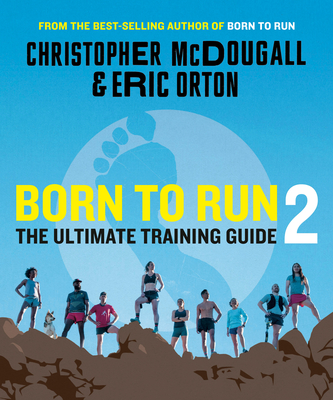
“Born to Run 2: The Ultimate Training Guide” is a comprehensive program designed for runners of all levels, focusing on seven essential themes: food, fitness, form, footwear, focus, fun, and family. The book presents a 90-day training schedule, incorporating these elements into an actionable plan to prepare for a range of running challenges, from short fun runs to grueling ultramarathons.
Drawing from personal experience, the guide shares techniques for overcoming injury and transforming from a discouraged, overweight ex-athlete into an ultramarathoner capable of competing in a 50-mile race alongside Mexico’s legendary Running People. It includes valuable insights into nutrition, featuring a food primer and power-packed “On the Run” recipes. Additionally, it offers guidance on running with dogs and baby buggies, as well as “Perfect Form” exercises to improve running technique in a short timeframe.
Described as “invaluable” and a “must-read for every runner,” the book is praised for its inspirational content. By combining training principles with supplementary work, “Born to Run 2” aims to help runners rejuvenate their running experience, enhance performance, and derive greater enjoyment from the sport.
In summary, “Born to Run 2: The Ultimate Training Guide” offers a comprehensive approach to running training, encompassing various facets such as diet, fitness, form, and footwear to support runners in their quest for improvement and fulfillment in the sport.
Comparison of the 2 Books
Focus and Content:
“Born to Run”: Christopher McDougall’s original book, “Born to Run,” is a narrative non-fiction work that explores the world of ultra-distance running through the lens of the Tarahumara tribe in Mexico. It delves into the history, culture, and science behind human endurance running, challenging conventional wisdom about running shoes, injury prevention, and performance limits.
“Born to Run 2”: This book, co-authored by Christopher McDougall and Eric Orton, serves as a comprehensive training guide for runners. It offers a structured program focused on various aspects of running, including nutrition, fitness, form, footwear, focus, fun, and family. Unlike the narrative style of the original book, “Born to Run 2” provides actionable advice and training schedules to help runners of all levels improve their performance and enjoyment of the sport.
Narrative vs. Training Guide:
“Born to Run”: McDougall’s “Born to Run” is primarily a narrative-driven exploration of ultra-distance running, interspersed with personal anecdotes, historical accounts, and scientific insights. It tells the story of McDougall’s journey to uncover the secrets of the Tarahumara and his own transformation as a runner.
“Born to Run 2”: In contrast, “Born to Run 2” functions as a practical training guide, offering structured advice and exercises to help readers enhance their running abilities. While it may still include some personal stories and anecdotes, its primary focus is on providing readers with actionable steps to improve their running performance and overall well-being.
Audience and Purpose:
“Born to Run”: McDougall’s original book appeals to a broad audience interested in running, adventure, and human potential. It aims to entertain, inspire, and challenge readers’ perspectives on running and fitness.
“Born to Run 2”: This training guide is geared toward runners who are seeking practical advice and guidance to improve their performance. It targets readers who are actively engaged in the sport and are looking for structured training programs and tips to enhance their abilities.
Style and Format:
“Born to Run”: Written in a narrative style, “Born to Run” is structured around storytelling, with chapters flowing seamlessly from one anecdote or revelation to the next. It’s immersive and engaging, drawing readers into the world of ultra-distance running.
“Born to Run 2”: “Born to Run 2” follows a more structured format typical of training guides. It presents information in a clear and organized manner, with sections devoted to different aspects of training, nutrition, and technique. It includes practical exercises, schedules, and tips for readers to implement in their own running routines.
In summary, while both “Born to Run” and “Born to Run 2: The Ultimate Training Guide” share a common focus on running, they differ in their format, content, and purpose. “Born to Run” offers a narrative exploration of the sport, while “Born to Run 2” provides a practical training framework for runners seeking to improve their performance.
Conclusion
In conclusion, while “Born to Run” and “Born to Run 2: The Ultimate Training Guide” offer unique perspectives on the world of running, they ultimately fell short of my expectations. As someone who approached these books with an open mind and a genuine interest in exploring unconventional approaches to the sport, I found myself disappointed by their dogmatic stance on certain aspects, particularly the emphasis on running barefoot.
While I appreciate the authors’ enthusiasm for presenting running as a natural human endeavor and their efforts to challenge traditional paradigms, I believe they missed the mark by promoting a somewhat rigid and inflexible approach. The insistence on barefoot running, for example, may not be suitable or practical for all runners, and the lack of flexibility in acknowledging alternative methods detracted from my overall enjoyment of the books.
In addition, the style of both books often felt incohesive, characterized by excessive ranting, rambling, and stories that failed to captivate. Rather than maintaining a clear and focused narrative, the authors seemed to veer off track, delving into tangents that detracted from the overall coherence of the text. This lack of cohesion made the reading experience unengaging and uninspired, as I struggled to connect with the disjointed flow of ideas and anecdotes. Overall, the disjointed style of the books further dampened my enjoyment and contributed to my lukewarm reception of their content.
On a positive note, both books offer valuable insights into the joy and camaraderie of running, and I commend them for encouraging readers to explore their physical potential and embrace the sport’s adventurous spirit. However, their limitations in presenting a more nuanced and inclusive perspective prevent me from wholeheartedly recommending them.
On a scale from 1 to 5, with 5 being the highest rating, I would give both “Born to Run” and “Born to Run 2: The Ultimate Training Guide” a rating of 3. While they have their merits, their dogmatic approach and lack of flexibility detract from their overall appeal in my humble opinion.
© Francesc Borrull, 2024
References:
McDougall, C. (2009). Born to Run: A Hidden Tribe, Superathletes, and the Greatest Race the World Has Never Seen. Knopf Doubleday Publishing Group.
McDougall, C., & Orton, E. (2023). Born to Run 2: The Ultimate Training Guide. Random House.
 Francesc Borrull