
By Francesc Borrull · April 8, 2024
Introduction
Step onto the starting line of the marketing marathon, and you’ll find Nike leading the pack with unmatched vigor and finesse. Is Nike truly an apparel sports brand, or is it, as someone once boldly asserted, merely a marketing juggernaut disguised in athletic attire? This intriguing question sparked a journey of discovery into the heart of one of the world’s most iconic companies. Nike’s origins trace back to Blue Ribbon Sports, a modest distributor founded in 1964 by Bill Bowerman, a track and field coach at the University of Oregon, and Phil Knight, one of his former students, that initially imported ASICS shoes from Japan. However, the company quickly evolved, designing its own running shoes to meet the needs of local athletes. The 1980s marked a turning point for Nike, as its groundbreaking advertising campaigns propelled it to the forefront of the sports apparel industry. Yet, in my own experience, despite my enjoyment of running in some of their shoes—particularly the Pegasus, the perfect running shoe—I find myself questioning the true athletic utility of many Nike products. It seems that for some, Nike has become more synonymous with fashion or even a status statement rather than functional athletic wear. Furthermore, the recently released movie “Air” (2023) provides a captivating glimpse into the world of Nike, offering a cinematic exploration of its cultural impact and marketing strategies. As we navigate through Nike’s storied history and enduring influence, we are reminded of the dynamic interplay between storytelling, branding, and consumer engagement that has cemented Nike’s position as a global powerhouse in both sports and marketing. Join us as we unravel the layers of Nike’s strategic brilliance, revealing the secrets behind its transformation from a sports apparel company to a revered symbol of athletic excellence and inspiration. Additionally, we will delve into some of the company’s most well-known controversies, shedding light on the challenges and complexities that have shaped its journey.
Marketing Mastery: Unveiling Nike’s Dominance Beyond Sports Apparel
The statement “Nike is a marketing company, not a sports apparel company” reflects the notion that Nike’s success is largely attributed to its marketing strategies rather than just the quality of its products. Here are several reasons why Nike is often seen in this light:
Brand Image and Identity: Nike has built a powerful brand image and identity over the years, associated with athleticism, innovation, and performance. This strong brand image is primarily the result of its marketing efforts, which have effectively communicated its values and resonated with consumers.
Emphasis on Marketing Campaigns: Nike is renowned for its iconic marketing campaigns that often transcend traditional advertising and become cultural phenomena. From “Just Do It” to featuring top athletes and celebrities in its ads, Nike consistently invests in creating compelling and memorable marketing content.

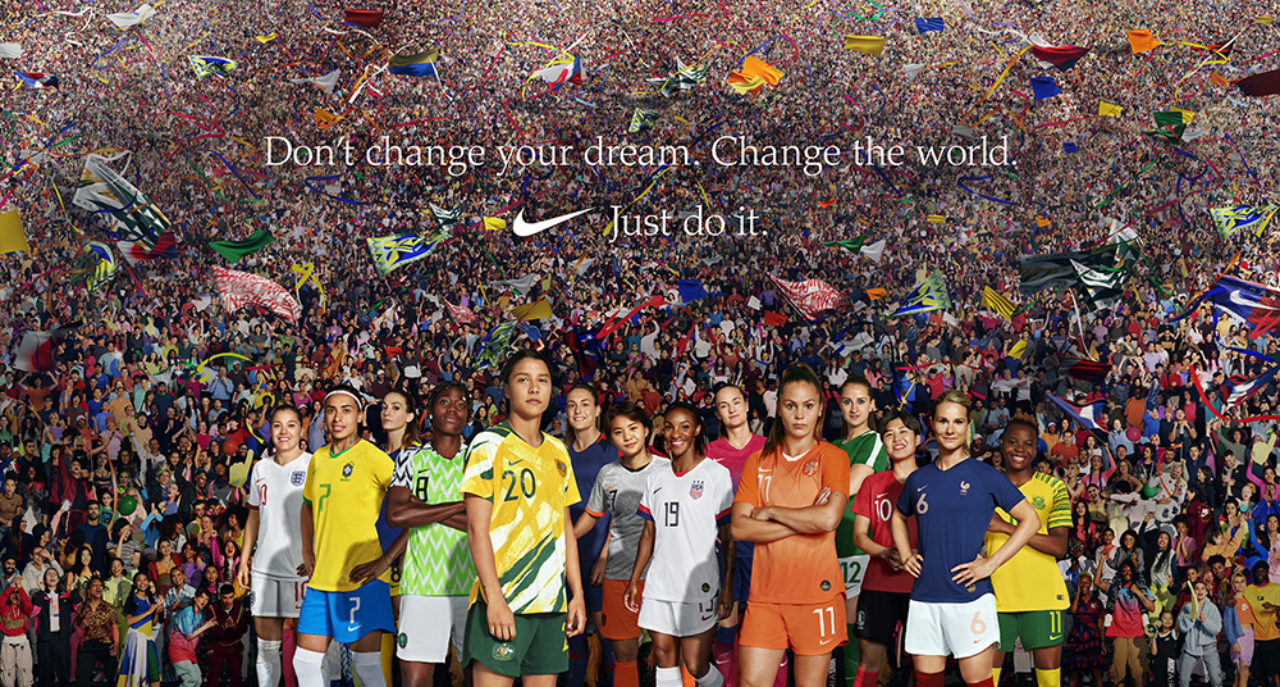
Innovative Marketing Strategies: Nike continuously pushes the boundaries of marketing by adopting innovative strategies. This includes leveraging social media platforms, sponsoring high-profile events like the Olympics and FIFA World Cup, and collaborating with influencers and artists to reach diverse audiences.
Consumer Engagement: Nike places a significant emphasis on engaging with its consumers beyond just selling products. Through initiatives like Nike Run Club and Nike Training Club, the company fosters communities around fitness and sports, strengthening its connection with consumers.
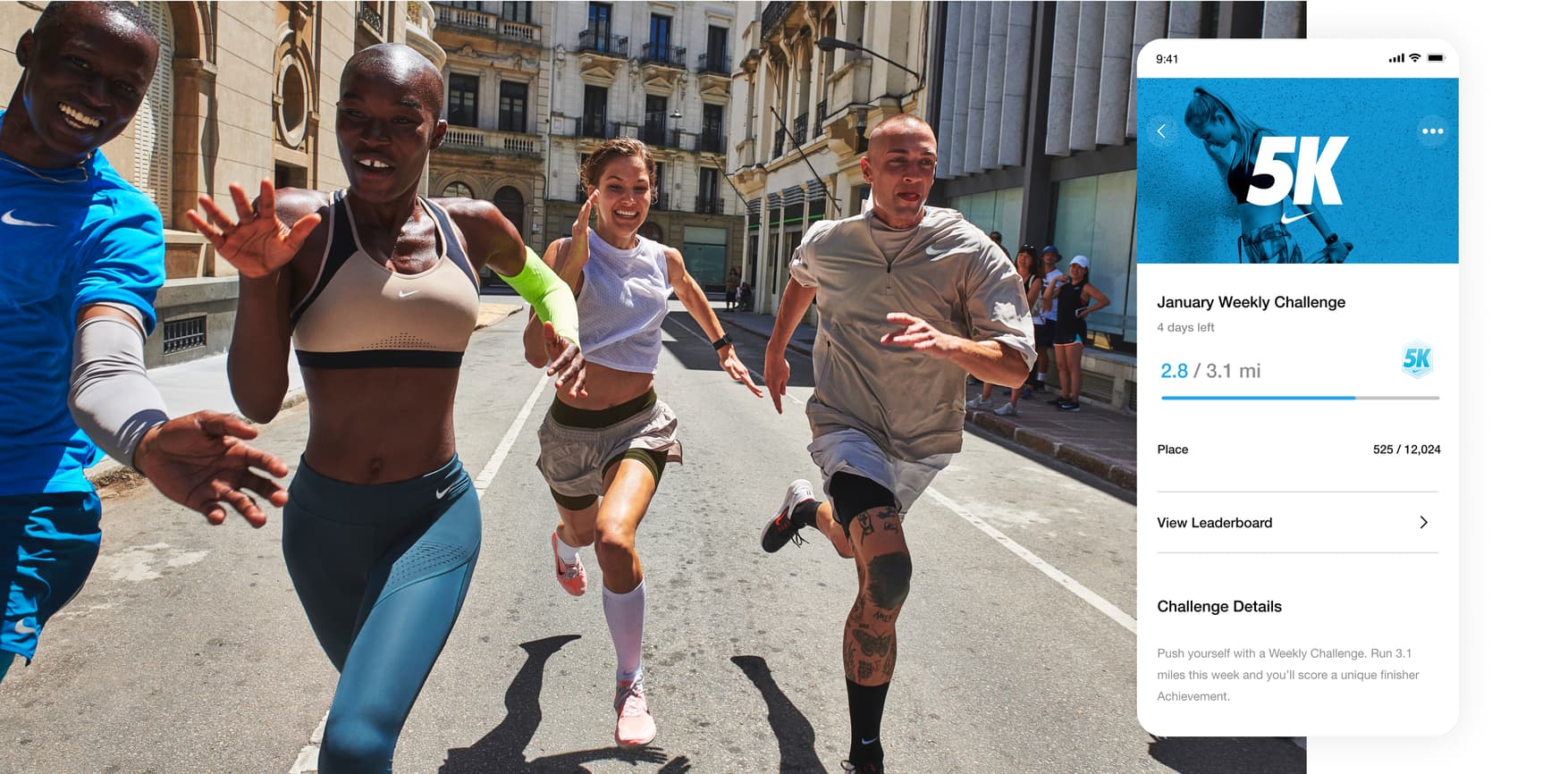
Product Endorsements: Nike strategically partners with top athletes and teams worldwide, leveraging their influence to endorse its products. These endorsements not only enhance the brand’s credibility but also contribute to its marketing efforts by associating Nike with success and achievement in sports.
Innovative Product Design: While Nike’s products are of high quality, their success is often amplified by the company’s marketing efforts. Nike is known for its innovative product designs and technologies, but it’s the marketing that brings these innovations to the forefront and creates demand among consumers.
Overall, while Nike is undoubtedly a leader in sports apparel and equipment, its success can be largely attributed to its effective marketing strategies that have elevated the brand to iconic status and made it synonymous with athletic excellence.
Navigating Nike’s Ethical Minefield: A Closer Look at Controversies and Consequences
Amidst its meteoric rise, however, Nike has faced its fair share of controversies over time. From allegations of exploiting cheap labor in Southeast Asia to doping scandals involving high-profile athletes sponsored by the brand, Nike’s journey has been marred by ethical dilemmas and public scrutiny. The Nike Oregon Project, a now-defunct elite training group, faced accusations of promoting doping practices, tarnishing the company’s reputation and raising questions about its commitment to fair play in sports. These controversies serve as a sobering reminder of the complex realities that accompany corporate success, prompting us to critically examine the moral and ethical implications of Nike’s actions.
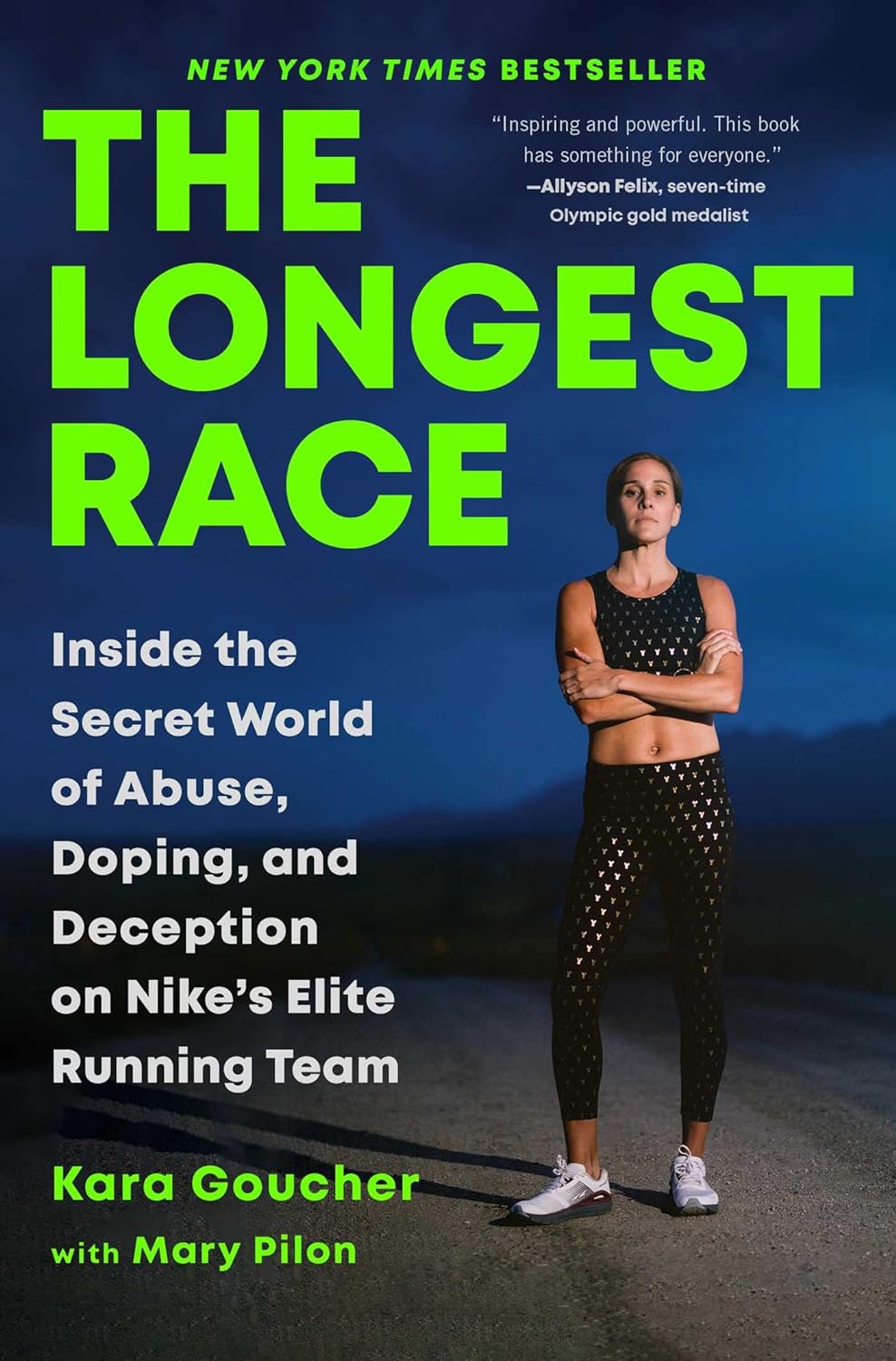
Recently, revelations from Kara Goucher, in her recent book “The Longest Race,” shed further light on the darker side of Nike’s elite running program. Goucher exposed not only instances of doping and deception within the team but also detailed her experience of sexual assault at the hands of Nike’s top coach, Alberto Salazar. Salazar’s ban from working with U.S. track and field athletes due to sexual misconduct further underscores the severity of the situation.
In recent years, Nike has also faced significant backlash regarding its treatment of women athletes, particularly concerning pregnancy and maternity rights. One prominent case involves Olympic sprinter Allyson Felix, who publicly criticized Nike’s sponsorship policies after the company reduced her pay during her pregnancy and offered no guarantee of a contract after giving birth. Felix’s advocacy shed light on the systemic challenges faced by female athletes, highlighting the need for greater support and accommodations from corporations like Nike. This controversy sparked widespread debate and prompted Nike to reassess its policies regarding maternity rights for sponsored athletes. However, it also raised broader questions about gender equality and representation in the world of sports sponsorship, underscoring the ongoing struggles faced by women athletes in navigating career and family responsibilities within the confines of corporate contracts.
Furthermore, in November 2023, Nike and Alberto Salazar, the disgraced American former distance running coach, settled a $20 million lawsuit with Mary Cain. Cain had claimed she suffered physical and emotional abuse when she was a member of an elite training group based at the sportswear giant’s headquarters in Oregon. This settlement further brought attention to the need for accountability and reform within elite sports training programs, emphasizing the importance of athlete welfare and ethical practices in the pursuit of athletic excellence. Despite all of this, Nike has failed to offer apologies to the victims, acknowledge the gravity of the situation, or make amends for the harm caused (see this AP report from October 3, 2019)
As we navigate through Nike’s storied history and enduring influence, we must confront these controversies head-on, acknowledging the profound impact they have had on the brand’s trajectory and the broader discourse surrounding corporate responsibility.
Nike responds to controversy with marketing.
Conclusion
In conclusion, Nike’s trajectory from a sports apparel company to a global marketing powerhouse underscores the profound impact of strategic branding. While its rise to prominence is undeniably fueled by innovative products and captivating marketing campaigns, Nike’s journey is also marked by controversy and ethical scrutiny. The revelations of doping scandals, exploitation of cheap labor, and instances of sexual misconduct within the organization cast a shadow over its otherwise illustrious reputation. However, Nike’s ability to navigate these challenges and maintain its position as a cultural icon highlights the resilience and adaptability of the brand. Despite setbacks, Nike continues to shape the landscape of sports culture, inspiring millions and setting new standards for marketing excellence. It is precisely because of this adaptability and its unparalleled impact on consumer culture that we can confirm Nike’s identity as a marketing company, first and foremost.
Yet, one cannot help but wonder: what if Nike had the courage to acknowledge some of its shortcomings more openly? What if it embraced transparency and accountability, transforming its corporate culture forever at a global level? The potential for positive change is immense. Imagine the impact on consumer trust, employee morale, and the broader industry landscape. As we reflect on Nike’s journey, let us consider the possibilities that lie ahead when brands dare to confront their imperfections and strive for meaningful progress.
In a world on the precipice of monumental change, the moral and ethical obligations of big corporations are more pronounced than ever. As influential entities with far-reaching impact, these corporations bear a responsibility to not only maximize profits but also to uphold ethical standards and contribute positively to society. In such a volatile and uncertain landscape, the genuine efforts of corporations like Nike to address their shortcomings and prioritize integrity would be greatly appreciated, fostering a culture of accountability and trust that extends far beyond their immediate sphere of influence.
© Francesc Borrull, 2024
 Francesc Borrull