
By Francesc Borrull · April 12, 2024
Spoiler Alert: This exploration delves into plot details and themes of The Last of Us video game and TV series. Proceed with caution if you haven’t experienced these narratives firsthand.
Introduction
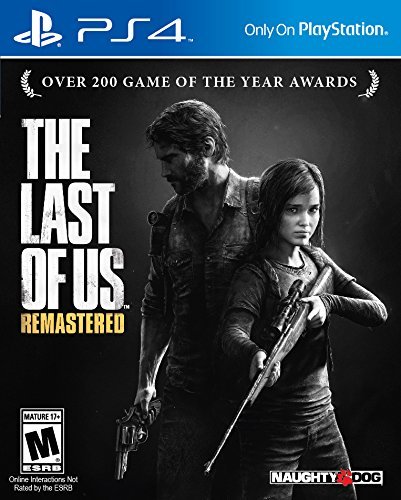
The Last of Us is a franchise that has left an indelible mark on both gamers and viewers alike, captivating audiences with its poignant storytelling and immersive world-building. Developed by Naughty Dog and published by Sony Computer Entertainment, the game was initially released in 2013 for the PlayStation 3, later remastered for the PlayStation 4. Its gripping storyline, intense gameplay, and stunning visuals quickly propelled it to fan-favorite status, earning widespread critical acclaim and numerous accolades.
Set in a post-apocalyptic United States ravaged by a deadly fungal infection, The Last of Us follows the journey of Joel and Ellie, two survivors navigating a harsh and unforgiving landscape. Their quest for survival and redemption forms the heart of the game, as players are drawn into a world teeming with danger and despair.
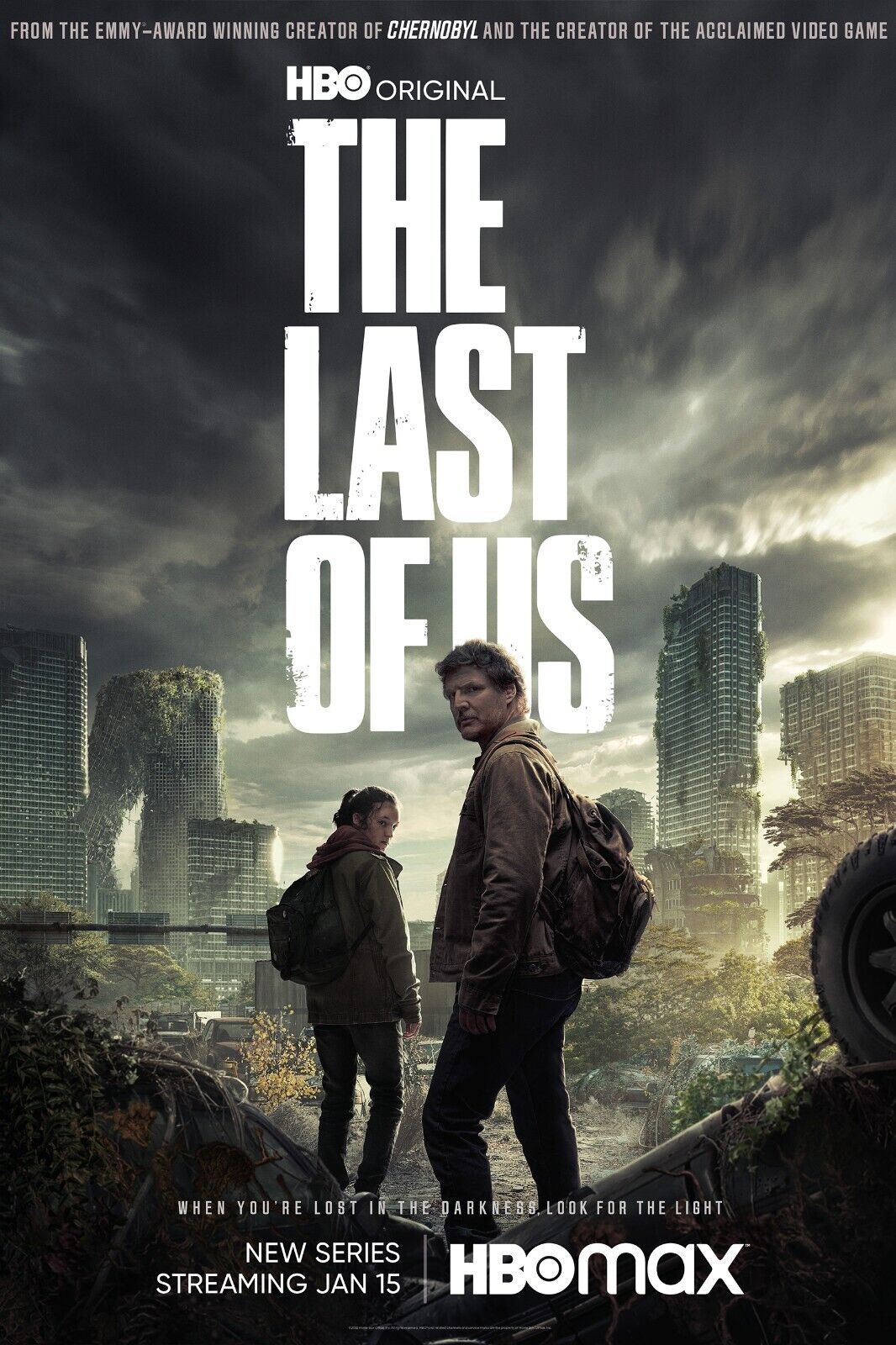
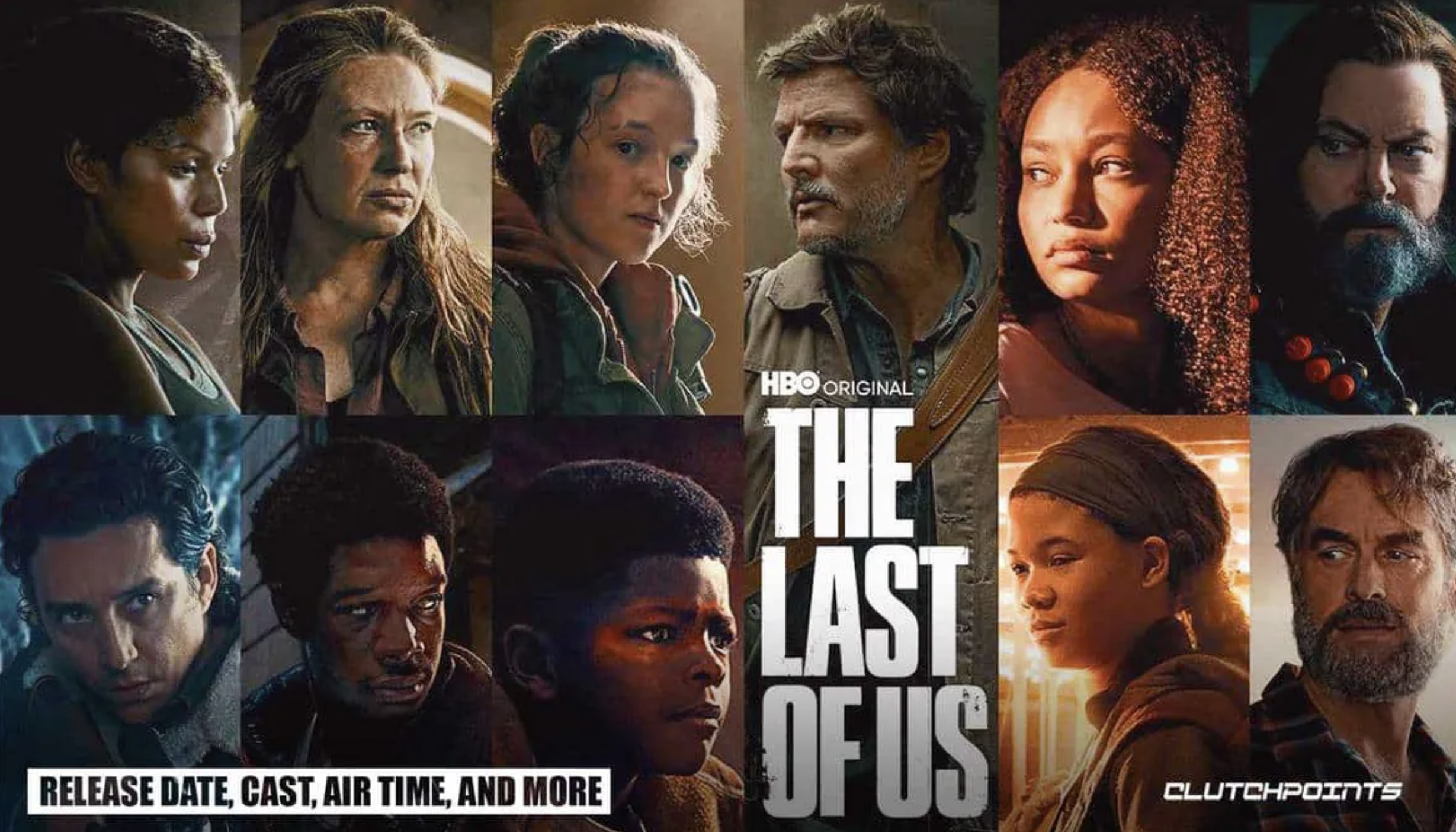
In 2023, HBO released a TV series adaptation of The Last of Us, helmed by creators Craig Mazin and Neil Druckmann. Starring Pedro Pascal and Bella Ramsey, the series aimed to bring the beloved story to a wider audience. Despite high expectations, the adaptation received mixed reviews, with some praising its performances and faithfulness to the source material, while others criticized its pacing and excessive violence.
As I delve into The Last of Us, from its origins as a groundbreaking video game to its transformation into a televised narrative, I’ll be sharing personal reflections, critical analysis, and insights into the enduring legacy of this captivating franchise. Together, let’s navigate the emotional highs and lows of Joel and Ellie’s journey and unravel the complexities of bringing their story from console to screen.
The Game
As someone who occasionally enjoys video games, I found The Last of Us to be an extraordinary experience. It was the reason I invested in a PlayStation 4, and I wasn’t disappointed. The game, developed by Naughty Dog and published by Sony Computer Entertainment, was released in 2013 for the PlayStation 3, later remastered for the PlayStation 4. The game quickly garnered critical acclaim and commercial success, selling over 17 million copies worldwide as of 2021. It received numerous awards, including multiple Game of the Year accolades, and is widely regarded as one of the greatest video games of all time.
Set in a post-apocalyptic world overrun by a deadly fungal infection, the game follows the journey of Joel, a smuggler, and Ellie, a young girl immune to the infection. Together, they navigate a ravaged United States, facing various challenges and threats while forming a deep bond along the way. With its technical prowess, immersive storytelling, and emotional depth, The Last of Us kept me hooked until the very end. However, as someone who is not a dedicated video gamer and lacks the time for extended gameplay, I eventually sold my console after completing the game. Nevertheless, I would wholeheartedly recommend the game to anyone looking for an unforgettable gaming experience.
The TV Series
In 2023, HBO released a TV series adaptation of The Last of Us, helmed by creators Craig Mazin and Neil Druckmann. Starring Pedro Pascal and Bella Ramsey, the series aimed to bring the beloved story to a wider audience. Despite high expectations, the adaptation received mixed reviews, with some praising its performances and faithfulness to the source material, while others criticized its pacing and excessive violence.
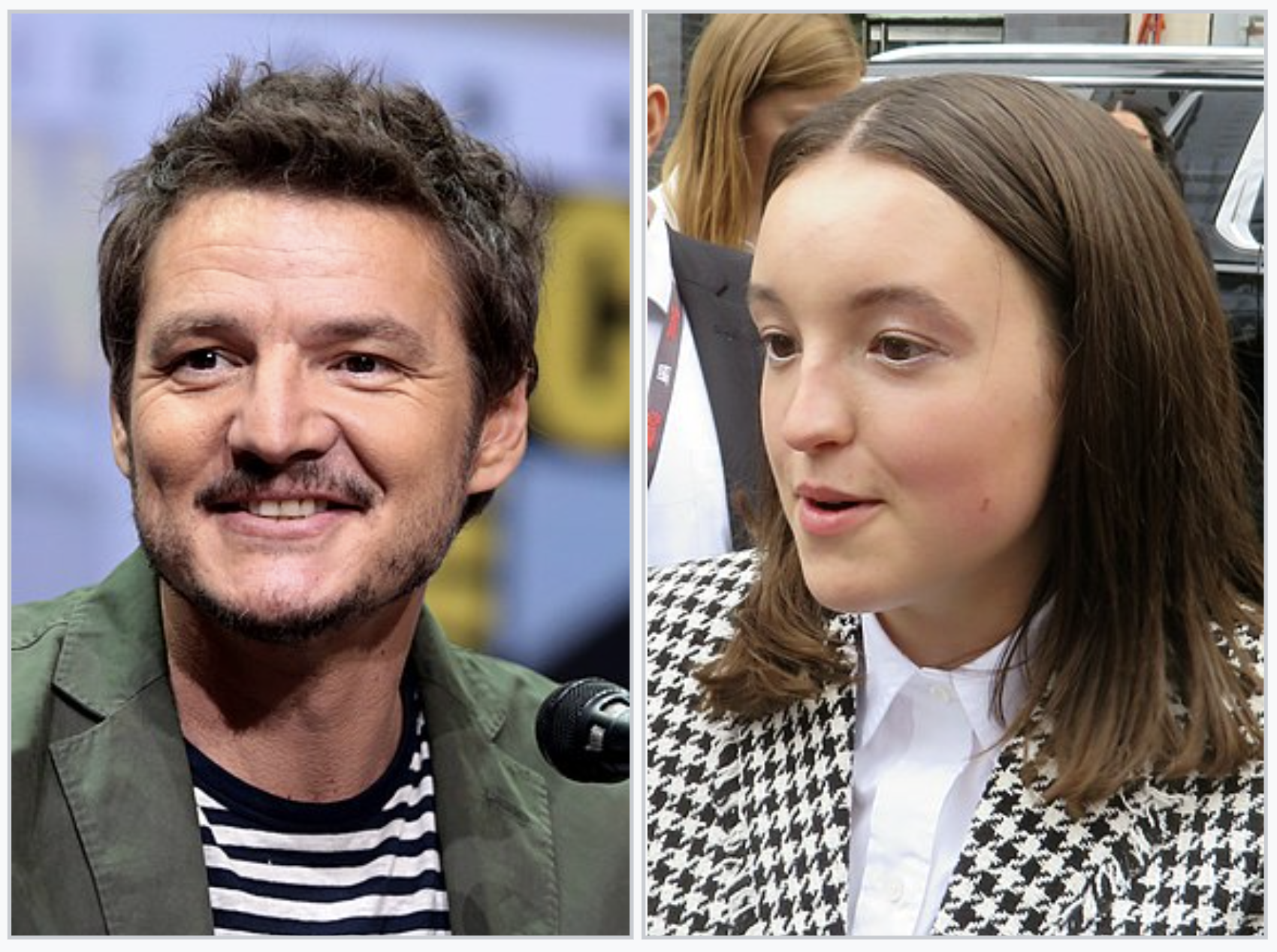
The production details of the TV series were indeed impressive. With Mazin and Druckmann at the helm, there was anticipation for a faithful and engaging adaptation. Pedro Pascal and Bella Ramsey, known for their exceptional acting abilities, seemed like perfect choices for the roles of Joel and Ellie. And indeed, their performances were commendable, capturing the essence of the characters and bringing them to life on screen.
However, despite these strengths, the adaptation fell short in certain aspects. While some viewers appreciated the series’ dedication to staying true to the game, others found the pacing to be sluggish, hindering the overall viewing experience. Additionally, the level of violence depicted in the series proved to be a point of contention. While violence is a central theme in the game, its portrayal in the TV series was at times gratuitous and difficult to watch, alienating some viewers.
Overall, while The Last of Us TV series had its merits, it failed to fully capture the magic of the game for many fans. While it may have resonated with some, its mixed reviews suggest that it didn’t quite hit the mark for everyone.
Personal Analysis
As a fan of the game, I initially had high hopes for the TV series. The prospect of seeing the beloved story and characters from The Last of Us brought to life on screen was exciting. However, my first impression wasn’t overwhelmingly positive. While I didn’t dislike the series, I wasn’t necessarily hooked from the start. The fact that it was only nine episodes long kept me watching until the end, hoping it would eventually capture the essence of the game that I loved.
Despite my reservations, there were elements of the TV series that I genuinely enjoyed. One of the highlights for me was Gustavo Santaolalla’s theme music composition. As an Argentinian musician whose work I was already acquainted with and admired, his contribution added an extra layer of depth and emotion to the series, reminiscent of his outstanding work in films like Babel, The Motorcycle Diaries, and 21 Grams. Additionally, I found the storyline in Episode 3, “Long, Long Time,” particularly compelling. The exploration of the romantic relationship between Frank and Bill was a departure from the game’s narrative but was executed with gusto, offering a fresh perspective on familiar characters. Moreover, I thoroughly enjoyed the portrayal of the friendship and intimate bond between Ellie and Riley (played by Storm Reid) in episode 7, “Left Behind.” Despite the darkness surrounding the scene and the dystopian backdrop of the story, their relationship was beautifully depicted, adding depth to the narrative.
However, despite these positive aspects, there were certain elements of the TV series that fell short for me. One major issue was the overall pace and feel of the adaptation. While the game had kept me engaged from start to finish, the screen adaptation failed to evoke the same level of immersion. Perhaps it was because I had already experienced the story through gameplay, but I found myself less captivated by the TV series.
Moreover, the level of violence depicted in the series was a significant deterrent for me. While I understand that violence is inherent to the post-apocalyptic world of The Last of Us, the explicit and graphic nature of some scenes was difficult to stomach. Certain moments, such as the scene depicting Ellie’s birth and the aftermath for her mother, were particularly distressing. Additionally, the portrayal of human bodies being stored for consumption and the intense violence in Episode 9, “When We Are in Need,” made it challenging for me to watch. While some may view this realism as a positive aspect of the adaptation, for me, it was simply too much, detracting from my overall enjoyment of the series.
In conclusion, while The Last of Us TV series had its moments of brilliance, it ultimately failed to fully capture the magic of the game for me. Despite commendable performances and notable highlights, such as Santaolalla’s music and the exploration of new storylines, the adaptation fell short in terms of pacing, engagement, and the handling of explicit violence.

Accolades and Reception
Despite my reservations, The Last of Us TV series garnered significant attention and acclaim upon its release. It marked a groundbreaking moment as the first live-action video game adaptation to receive major awards consideration, earning nominations and wins across various ceremonies. The performances of the cast, particularly Pedro Pascal and Bella Ramsey, were widely praised for their portrayal of iconic characters from the game. Additionally, the direction and visual effects of the series were lauded for their cinematic quality, effectively bringing the post-apocalyptic world to life on screen.
However, the series was not without its controversies. While many praised its faithfulness to the source material and its realistic portrayal of the game’s dark themes, others criticized its excessive violence. The graphic nature of certain scenes, including depictions of gore and brutality, divided audiences and sparked debate about the necessity of such explicit content.
Despite these criticisms, The Last of Us TV series made a significant impact, sparking discussions about the portrayal of violence in media and pushing the boundaries of what could be achieved in video game adaptations. While it may not have satisfied all viewers, its widespread acclaim and recognition demonstrate its importance as a landmark production in the realm of television adaptations.
Conclusion
As rumors of a Last of Us Part II swirl, I find myself hesitant to dive back into this world. While the TV series had its merits, including commendable performances, impressive production values, and moments of brilliance such as Gustavo Santaolalla’s music composition and the exploration of new storylines, it ultimately fell short of capturing the magic of the game for me. Despite its widespread acclaim and recognition, I couldn’t overlook the issues with pacing, engagement, and the handling of explicit violence that detracted from my overall enjoyment.
Overall, if I were to rate the show, it would receive a 3 out of 5 stars. While it may have resonated with many, it didn’t quite hit the mark for me. In conclusion, The Last of Us remains a captivating and influential franchise, but its transition to the small screen may not have been as successful as anticipated. Nonetheless, it serves as a reminder of the complexities involved in adapting beloved video games into other forms of media and the challenges of satisfying both fans and newcomers to the franchise.
© Francesc Borrull, 2024
 Francesc Borrull