
By Francesc Borrull · July 15, 2024

Introduction
Haruki Murakami is one of those authors whose works resonate deeply with me, and my journey into his literature was as random as it was serendipitous. I first stumbled upon his novel “Norwegian Wood,” a title that piqued my interest due to its reference to a Beatles song. Intrigued, I picked it up, and from that moment, I was hooked. Since then, I have devoured all his fiction works and some of his non-fiction books, immersing myself in the fascinating worlds he creates.
Murakami’s name is often mentioned in the context of the Nobel Prize for Literature, though he has yet to win it. I do not read Japanese, so I read Murakami’s works in English, Spanish or Catalan translations. Recently, when asked to recommend a book, I realized that not everyone is familiar with his work. This prompted me to write this paper, hoping to introduce Murakami to new readers and share my personal selection of his five best books. I usually read Murakami’s works during the summer when I have the most free time and often travel. For example, I read “1Q84” in 15 days while traveling in Thailand. Here’s my list of top Murakami novels that I believe every reader should experience.
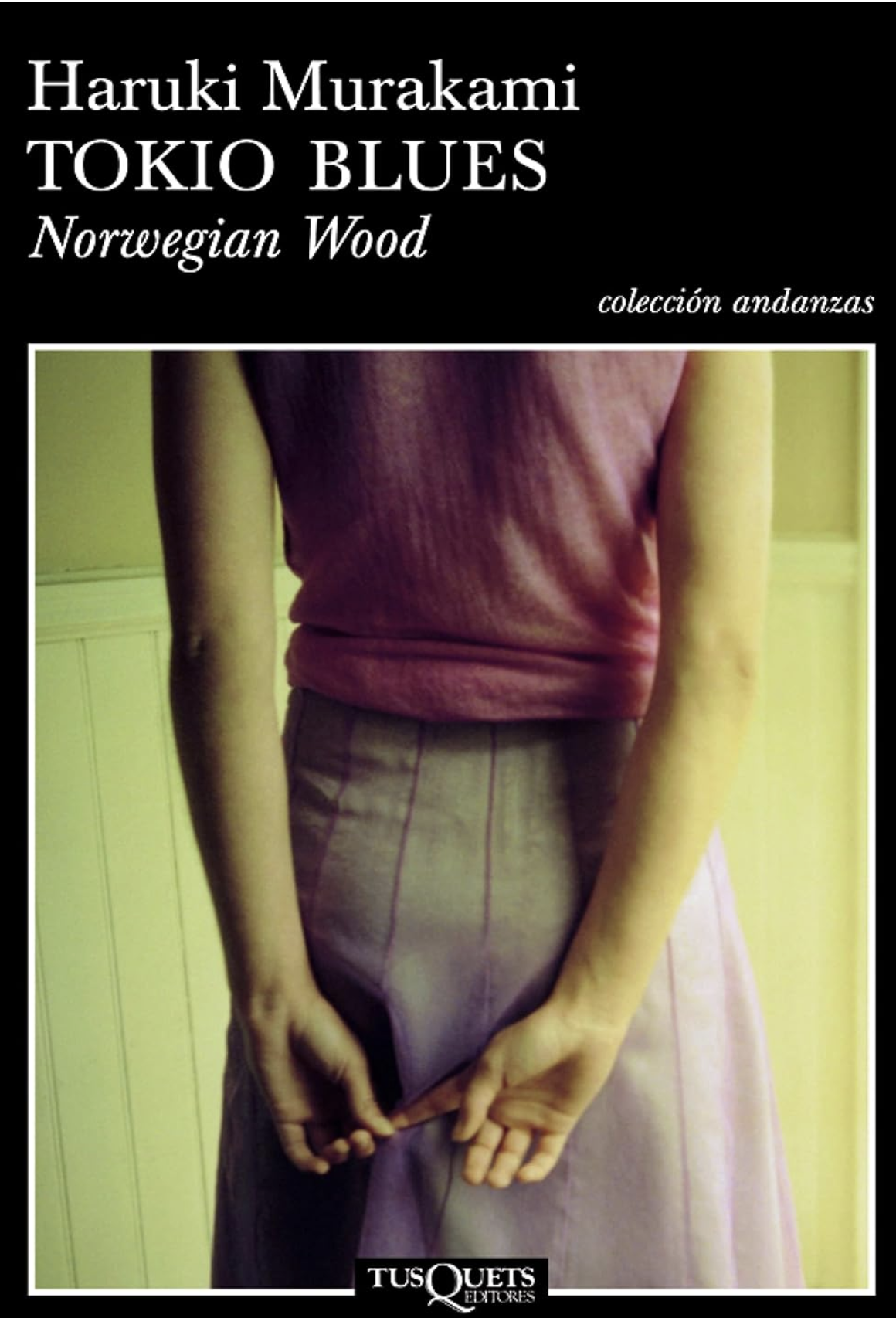
1. Norwegian Wood (1987)
“Norwegian Wood” holds a special place in my heart as it was my first introduction to Murakami’s world. The novel, deeply influenced by music, particularly The Beatles, weaves a tale of love, loss, and nostalgia. Its literary techniques, such as the seamless blend of reality and surrealism, are remarkable. The book received critical acclaim for its poignant storytelling and its ability to capture the complexities of human emotions. Public reception was equally positive, with many readers praising its lyrical prose and relatable characters.
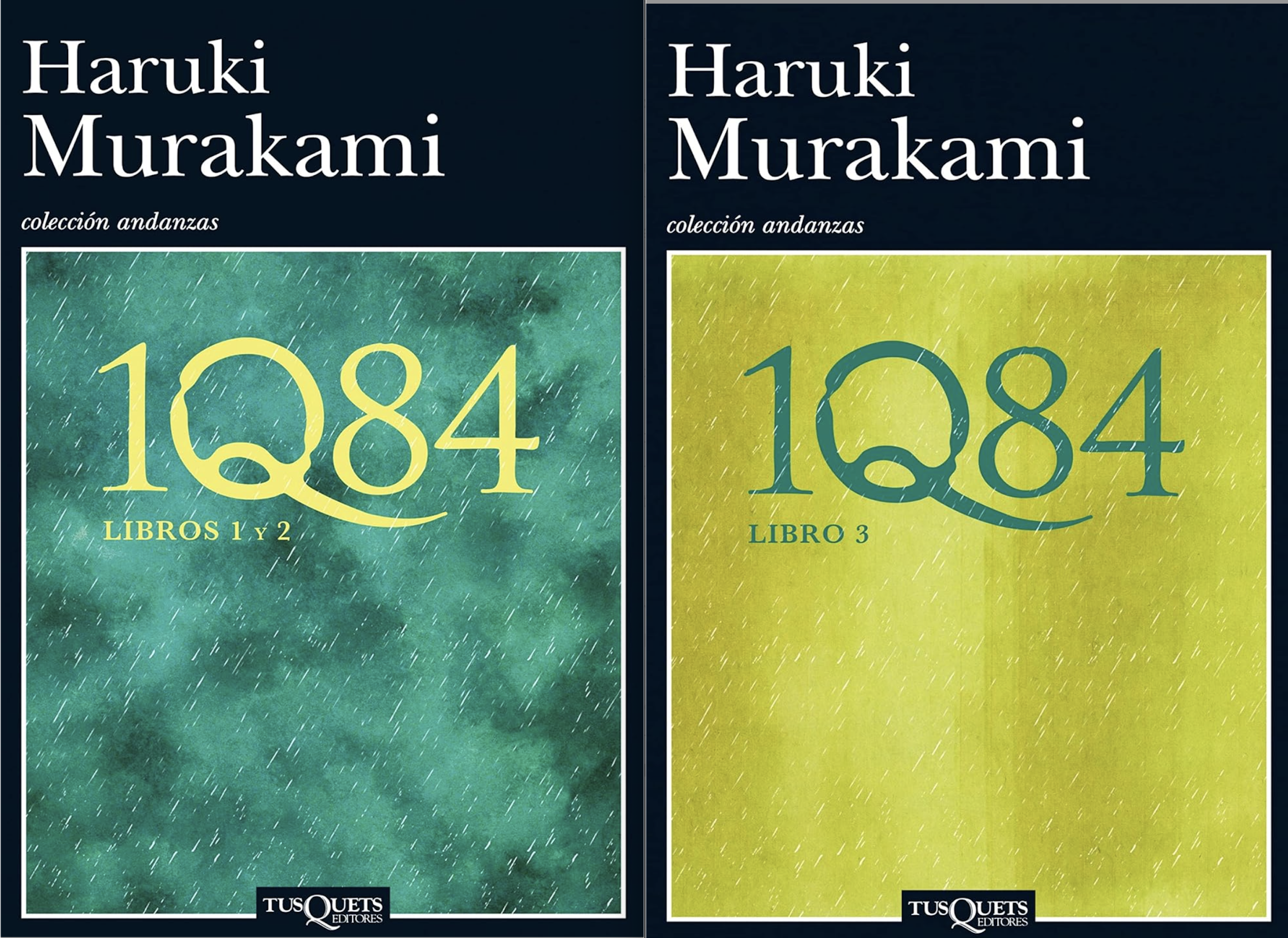
2. 1Q84 (2009)
“1Q84” is arguably one of Murakami’s most ambitious works. This massive tome, split into three volumes, is a brilliant fusion of parallel narratives. Odd-numbered chapters follow the story of Aomame, while even-numbered chapters focus on Tengo, with their paths converging in a masterful conclusion. The novel’s scope, depth, and intricate design make it a standout piece in Murakami’s bibliography. It has been celebrated for its intricate plot, detailed world-building, and the profound exploration of themes like identity, reality, and love.
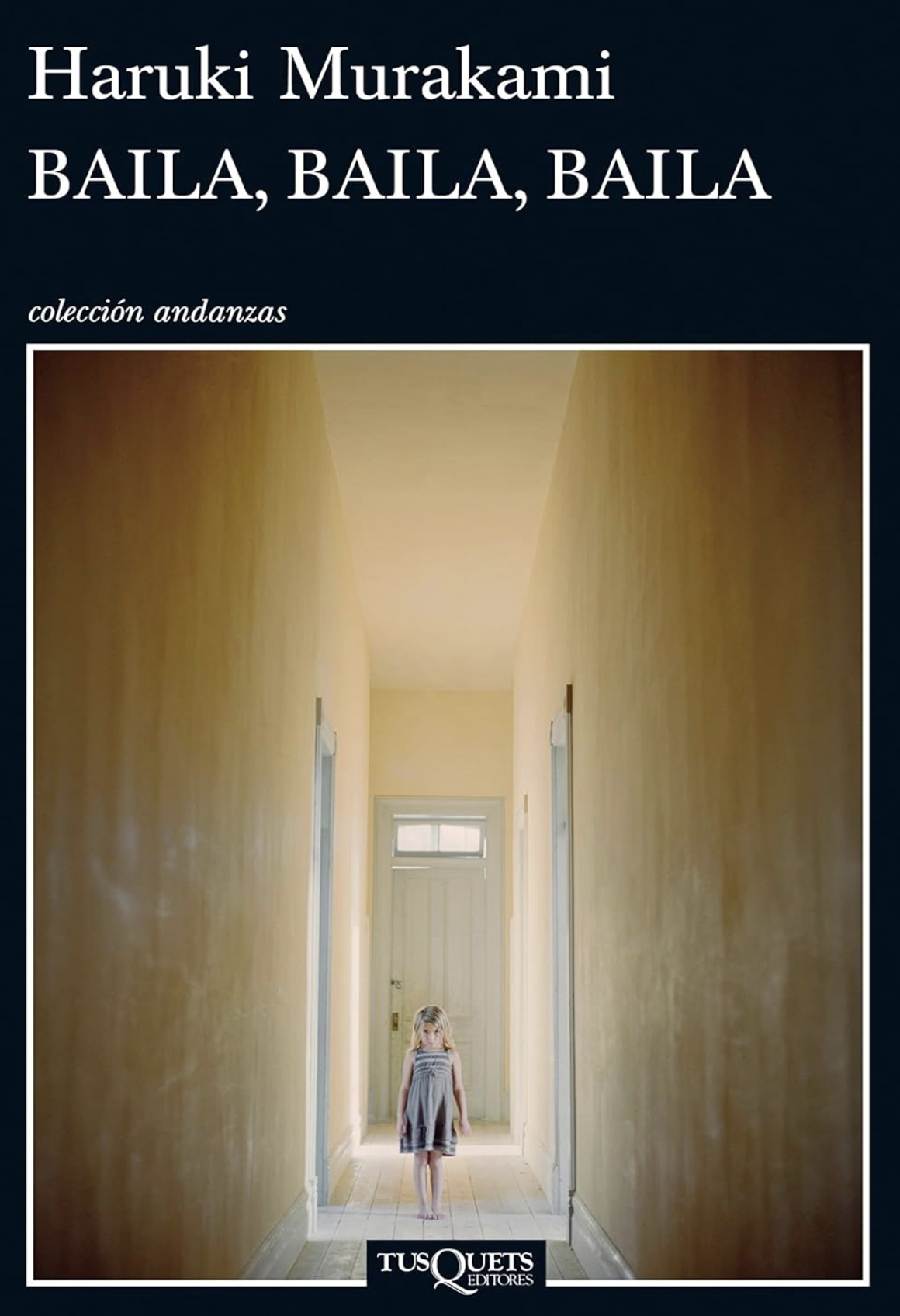
3. Dance, Dance, Dance (1988)
“Dance, Dance, Dance” continues the story of the protagonist from “A Wild Sheep Chase,” delving deeper into themes of loneliness and connection. The novel is a blend of detective fiction and surrealism, with a plot that keeps readers engaged and guessing. The critical reception highlighted Murakami’s ability to blend genres and create a compelling narrative. Publicly, it was well-received for its quirky characters and thought-provoking themes. Last summer, while in Thailand, I read this alongside “Colorless Tsukuru Tazaki and His Years of Pilgrimage,” making it a memorable reading experience.
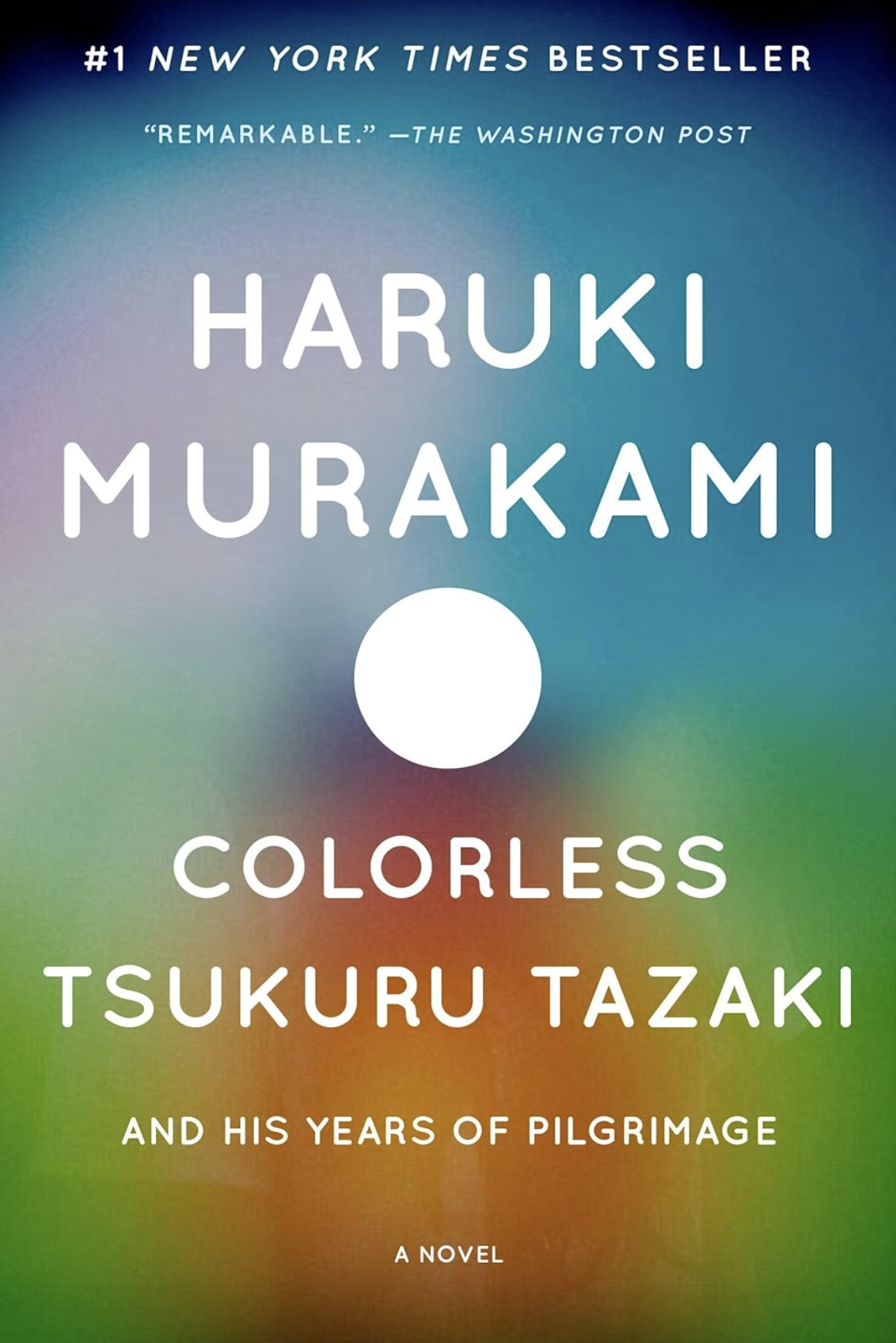
4. Colorless Tsukuru Tazaki and His Years of Pilgrimage (2013)
“Colorless Tsukuru Tazaki and His Years of Pilgrimage” is a novel that resonated with me on a deeply personal level. The story of Tsukuru’s journey to understand why his friends abruptly cut ties with him is both heart-wrenching and beautifully written. The novel’s exploration of identity, friendship, and the passage of time is profound. Critics praised it for its emotional depth and character development, while readers appreciated its relatability and the introspective journey it offers. This is a book I will undoubtedly revisit.
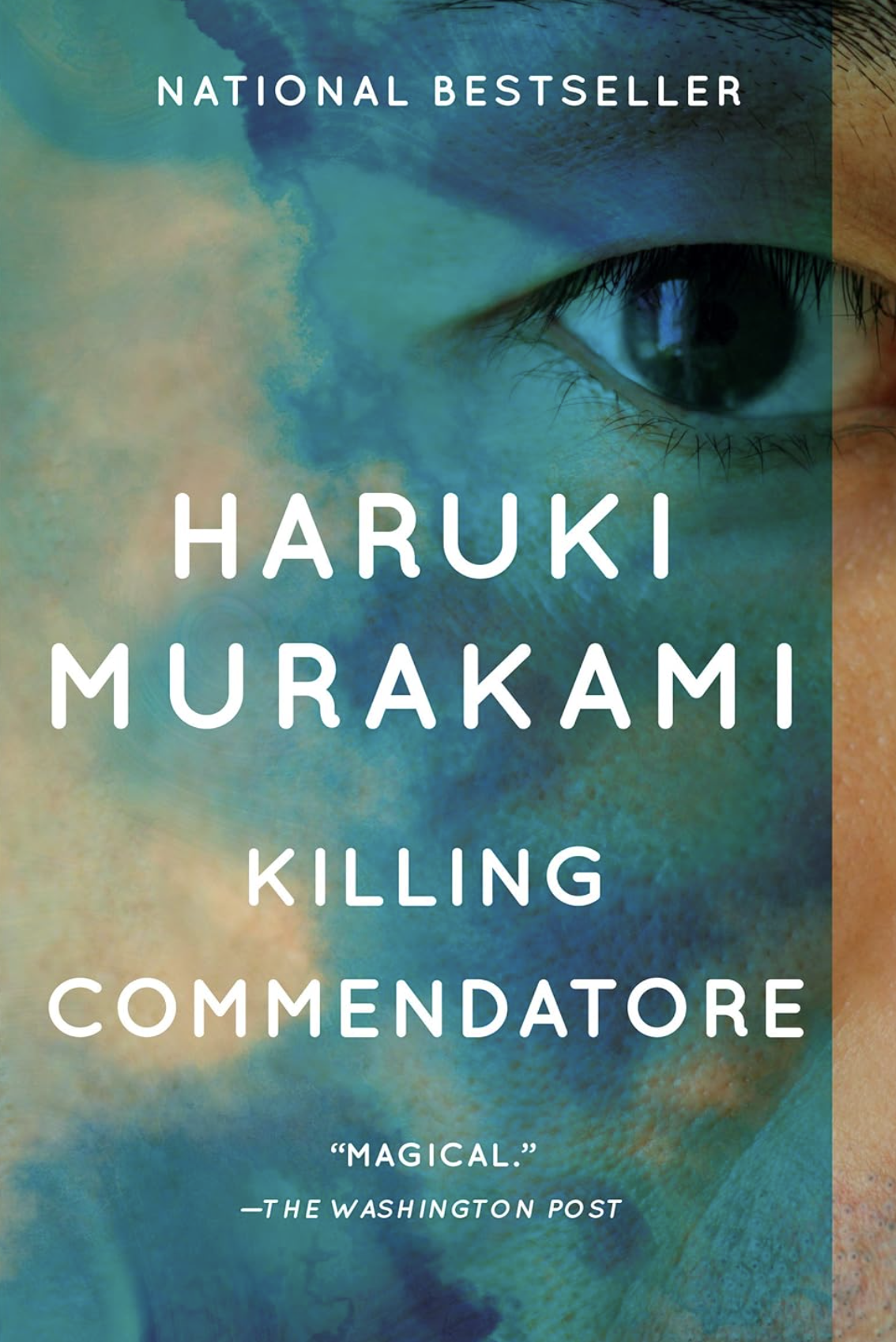
5. Killing Commendatore (2017)
“Killing Commendatore” may not have been universally acclaimed when it was first released, but it quickly became one of my favorites. The novel, a blend of historical fiction and magical realism, is a gripping tale of an artist’s journey through a mystical world. Its intricate plot, rich symbolism, and philosophical undertones make it a compelling read. Despite mixed initial reviews, many readers, including myself, found it to be an enjoyable and thought-provoking novel that stands out in Murakami’s oeuvre.
Murakami’s Non-Fiction and Short Stories
While Murakami is best known for his fiction, his non-fiction works and short stories are equally noteworthy. “What I Talk About When I Talk About Running” (2007) is a personal favorite, especially as a runner. This memoir delves into Murakami’s passion for running and his experiences with marathons, offering a unique glimpse into his life and philosophy. It’s a highly recommended read for anyone interested in running or seeking inspiration.
Conclusion
Murakami’s journey from a jazz bar owner to a globally renowned author is as fascinating as the worlds he creates in his novels. His unique blend of surrealism, deep character exploration, and philosophical musings make his literature instantly recognizable. While some critics may not appreciate his style, I firmly believe that his work places him among the greatest contemporary writers of the past 50 years.
If you have yet to explore Haruki Murakami’s work, I encourage you to pick up one of his books and dive into his captivating world. Whether it’s the haunting melodies of “Norwegian Blues,” the intricate tapestry of “1Q84,” or the introspective journey of “Colorless Tsukuru Tazaki and His Years of Pilgrimage,” I hope you find his literature as enchanting and thought-provoking as I do.
© Francesc Borrull, 2024
 Francesc Borrull