
By Francesc Borrull · July 22, 2024
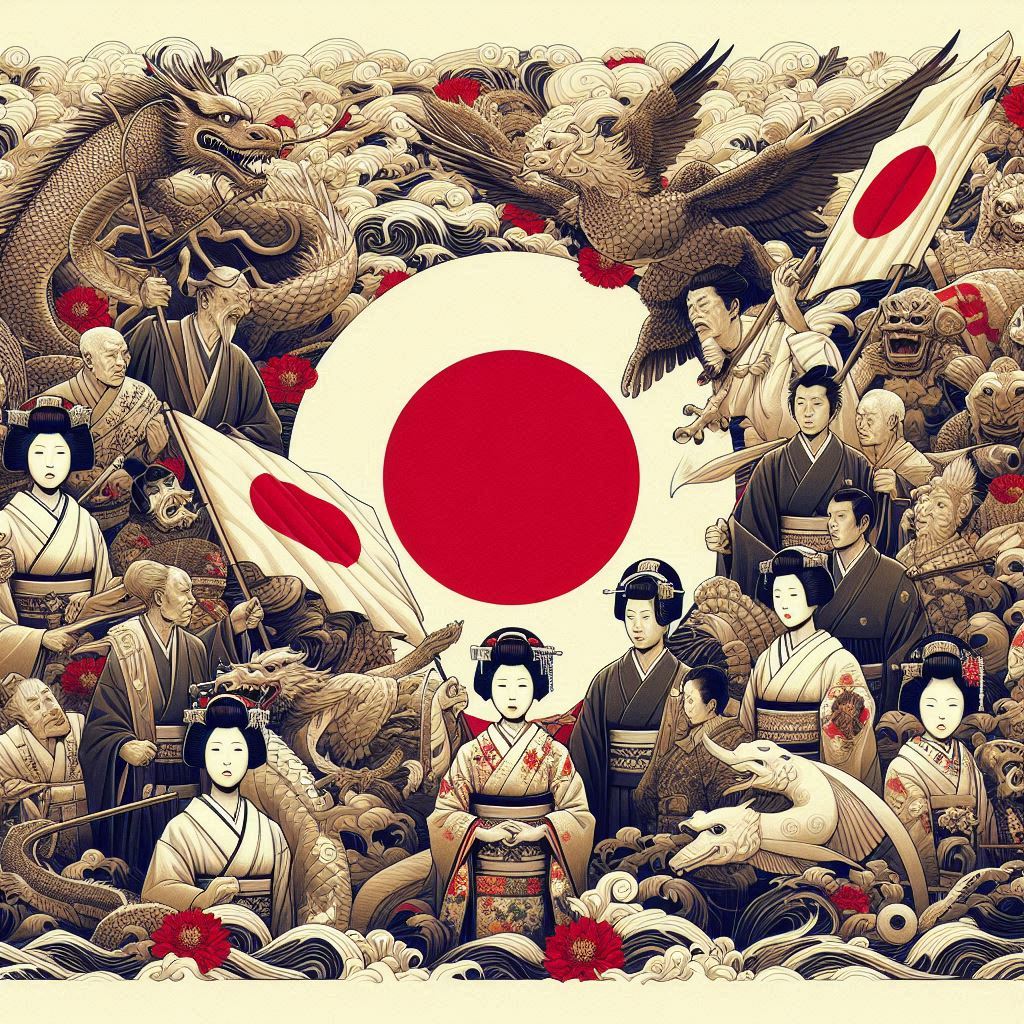
Japan has a long history of traditional gender roles deeply rooted in cultural and societal norms. Historically, Confucianism played a significant role in shaping these roles, emphasizing hierarchical relationships and the importance of maintaining social harmony. These traditional values have had a lasting impact on the expectations placed on men and women in various aspects of life.
In the realm of business, the corporate culture in Japan has often been criticized for its lack of gender diversity. Women are frequently underrepresented in leadership positions, and there is a noticeable gender pay gap. Despite advancements in education and employment opportunities for women, the so-called “glass ceiling” remains a significant challenge.
One example is the term “matahara,” which stands for maternity harassment. Some women face discrimination and pressure to resign or face demotion when they become pregnant. This reflects the societal expectation that women should prioritize their roles as mothers over their careers.
In the family structure, traditional gender roles are still prevalent. The expectation is for women to be the primary caregivers and take on domestic responsibilities, while men are often expected to be the primary breadwinners. This division of labor is deeply ingrained, and while there are shifts in attitudes, they are often slow and met with resistance.
Intimate Threads: Unraveling the Tapestry of Sexuality in Japan
In Japan, societal expectations and cultural norms significantly influence attitudes toward sexuality, contributing to the nation’s reputation for a low birth rate and perceived reserved stance on sex. It’s vital to recognize the intricacies and diversity within Japanese society as we explore these dynamics.
Traditionally, Japanese culture places a strong emphasis on discretion and privacy, deeming discussions around sexuality as private matters. This cultural trait has resulted in a level of restraint in public displays of affection and discussions about intimate relationships.
Concerning monogamy, there exists a societal expectation for married couples to remain loyal to each other. However, similar to many societies, infidelity is not uncommon. Some attribute this to the pressure of societal expectations, leading individuals to seek personal expression and connection outside of their committed relationships.
An example that sheds light on non-traditional dynamics is the concept of “compensated dating” or “enjo kōsai.” This involves younger individuals engaging in relationships with older, wealthier partners in exchange for gifts or money. While not representative of all relationships in Japan, it underscores the existence of diverse relationship structures.
In the context of marriage, the value placed on the family unit and the expectation for couples to bear children persists. However, economic pressures, demanding work schedules, and shifting priorities have contributed to a decline in the birth rate and delayed marriages.
Open relationships and polyamory remain relatively unconventional in Japan, often met with societal resistance. Nevertheless, attitudes are evolving, particularly among the younger generation challenging traditional norms and exploring alternative relationship structures.
This exploration of Japan’s complex sexual landscape emphasizes the ongoing negotiation between tradition and modernity. The evolving attitudes towards relationships and intimacy reflect a dynamic interplay between cultural expectations and individual choices.
In terms of relationships, a noteworthy phenomenon is the emergence of “herbivore men” or “soshoku danshi.” These men reject traditional masculinity, opting to focus on personal interests rather than conforming to expected gender roles. This trend highlights a growing awareness and rejection of societal expectations, adding a layer of complexity to the evolving landscape of relationships in Japan.
Navigating Love in Murakami’s Maze: Fictional Reflections on Relationships in Japan
Haruki Murakami’s novels provide a unique lens through which to explore the complexities of relationships in Japan, offering a fictional but often resonant portrayal that reflects certain aspects of real-life dynamics.
In Murakami’s literary world, the theme of infidelity and unconventional relationships is a recurring motif. Characters often navigate intricate webs of emotions, exploring the boundaries of traditional expectations. While the author’s work is fictional, it resonates with a certain reality in contemporary Japan, where societal norms and expectations can create pressure and lead individuals to seek unconventional outlets for connection and personal expression.
Much like the characters in Murakami’s novels, individuals in Japan may find themselves grappling with societal expectations regarding monogamy and family structures. The exploration of infidelity in Murakami’s works mirrors a broader societal conversation around traditional norms and the evolving landscape of relationships in Japan.
The phenomenon of “herbivore men” or “soshoku danshi,” rejecting traditional masculinity, as mentioned earlier, aligns with Murakami’s exploration of characters who often challenge societal expectations. These characters, whether in Murakami’s novels or in real-life Japan, signify a growing awareness and rejection of established norms, adding complexity and nuance to the understanding of relationships.
While Murakami’s fiction is not a direct reflection of reality, it captures a certain essence of the societal dynamics at play. The prevalence of infidelity in his narratives speaks to the tension between personal desires and societal constraints—a tension that is not uncommon in the real-world relationships of contemporary Japan.
In essence, Murakami’s literary world serves as a creative space to explore and navigate the intricacies of human connections, shedding light on the multifaceted nature of relationships in a society that grapples with both tradition and modernity.
Conclusion
In the rich tapestry of Japanese society, the interplay between gender roles, relationships, and sexuality unfolds in intricate patterns. From the traditional expectations ingrained in cultural norms to the complex dynamics portrayed in Haruki Murakami’s fictional worlds, Japan’s landscape of human connection is both nuanced and evolving.
While examining gender roles, we explored the historical and contemporary expectations placed on men and women, from corporate structures to family dynamics. Simultaneously, a foray into Japan’s sexual landscape revealed a delicate negotiation between tradition and modernity, reflecting in both societal norms and individual choices.
Haruki Murakami’s novels provide a captivating mirror to this reality, delving into the complexities of relationships, often portraying characters grappling with societal expectations and seeking unconventional paths. His fictional realm, while distinct, resonates with certain elements of Japan’s ever-shifting social dynamics.
In acknowledging these facets, it’s evident that Japan is in the midst of a multifaceted transformation. Efforts to address gender inequality are underway, as seen in increased awareness and governmental policies promoting women’s participation in the workforce. However, change remains a gradual process, as deeply rooted cultural norms require time and persistent efforts to redefine.
As we navigate the challenges highlighted in gender roles, relationships, and sexuality, it becomes crucial to recognize the diversity of experiences. The ongoing conversations within Japan reflect a society actively engaged in challenging and reshaping traditional expectations. In this dynamic process, both reality and fiction contribute to a broader understanding of Japan’s intricate dance between tradition and the ever-evolving forces of change.
© Francesc Borrull, 2023-2024

 Francesc Borrull