
By Francesc Borrull · July 29, 2024
SPOILER ALERT
This blog post contains discussions and analyses of both Haruki Murakami’s novel “Norwegian Wood” and its 2010 film adaptation by Trần Anh Hùng. If you haven’t read the book or watched the movie, be aware that significant plot points and character developments will be revealed.
Introduction
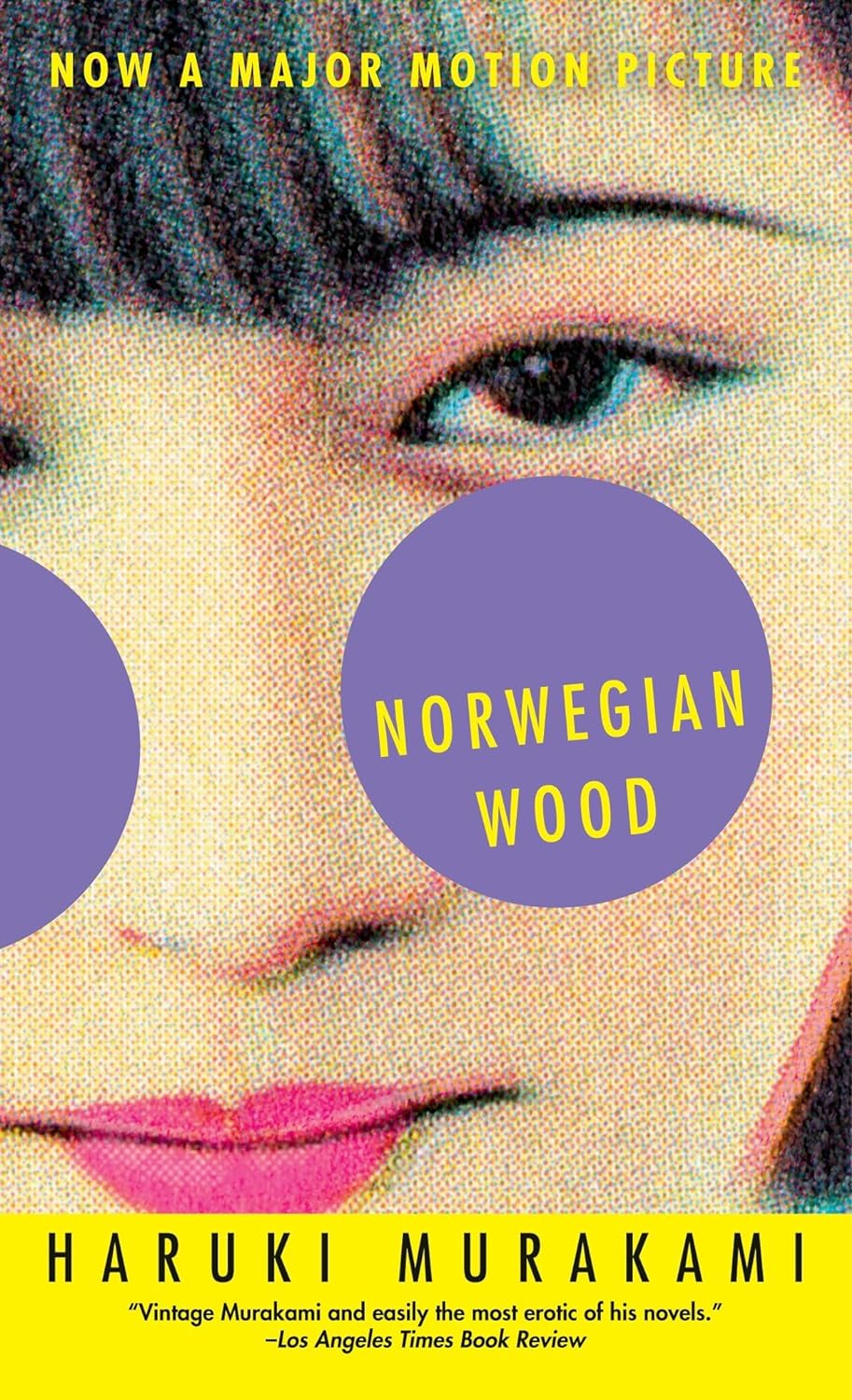
Haruki Murakami’s “Norwegian Wood” is a celebrated novel that delves deep into the complexities of love, loss, and coming of age. First published in Japan in 1987, it gained international acclaim and was translated into English by Jay Rubin in 2000. The novel’s vivid portrayal of 1960s Tokyo, its rich character development, and its poignant exploration of existential themes have made it a timeless piece of literature. In 2010, the novel was adapted into a film by director Trần Anh Hùng. This paper aims to compare and contrast Murakami’s original work with its cinematic adaptation, examining how each medium presents the story, characters, and themes, and reflecting on the unique qualities and reception of both.
The Book
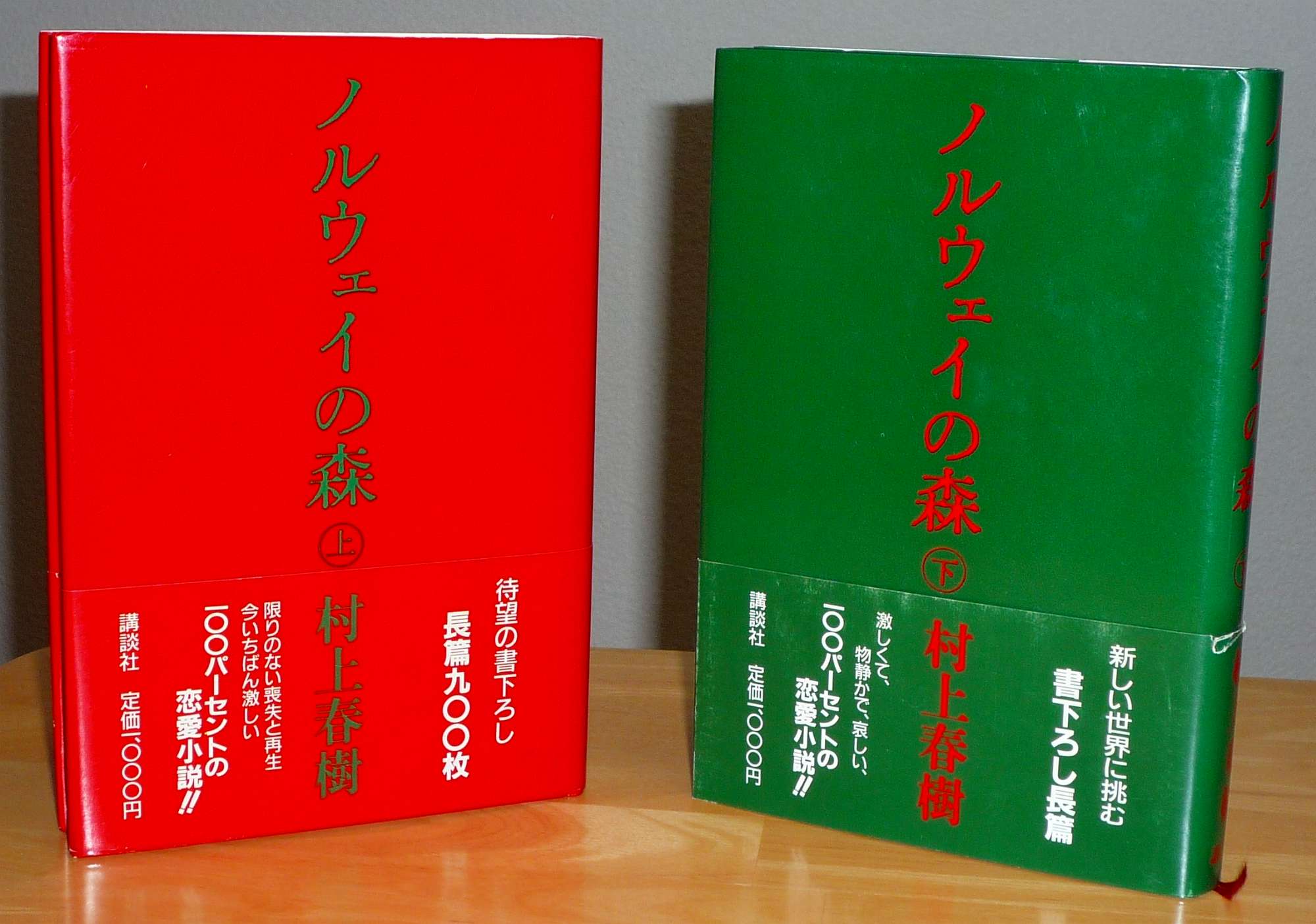
“Norwegian Wood,” written by Haruki Murakami, was first published in Japan in 1987. It quickly became a best-seller, cementing Murakami’s reputation as a leading contemporary novelist. The novel was translated into English by Jay Rubin in 2000, making it accessible to a broader audience and contributing to Murakami’s international fame.
Plot Summary
The novel follows the protagonist, Toru Watanabe, who reflects on his life as a college student in Tokyo during the late 1960s. The story begins with Toru hearing the Beatles’ song “Norwegian Wood,” which triggers memories of his first love, Naoko. Naoko is a beautiful but emotionally fragile woman who was deeply affected by the suicide of her boyfriend, Kizuki, who was also Toru’s best friend. As Toru navigates his feelings for Naoko, he meets Midori, a vibrant and outgoing fellow student who offers a stark contrast to Naoko’s melancholy. The novel explores Toru’s internal struggles, his relationships with these two women, and his journey towards understanding love, loss, and his own identity.
Characters
- Toru Watanabe: The protagonist and narrator, Toru is introspective and contemplative. He is deeply affected by Kizuki’s death and Naoko’s subsequent emotional struggles. Toru’s relationship with Naoko is complex and tinged with a sense of duty and unresolved grief. His connection with Midori introduces him to a different kind of love—one that is lively and challenging.
- Naoko: A sensitive and troubled young woman, Naoko’s relationship with Toru is defined by their shared grief over Kizuki’s death. She retreats to a sanatorium in the countryside to seek peace and healing, representing the themes of fragility and mental health in the novel.
- Midori Kobayashi: In contrast to Naoko, Midori is outspoken, adventurous, and unconventional. She brings a new dynamic to Toru’s life, challenging him to confront his own desires and emotions. Her relationship with Toru is marked by honesty and a willingness to embrace life’s uncertainties.
- Reiko Ishida: A resident at the sanatorium and Naoko’s confidante, Reiko provides wisdom and guidance to both Naoko and Toru. Her own tragic past adds depth to the novel’s exploration of trauma and recovery.
Analysis
“Norwegian Wood” is celebrated for its introspective and lyrical prose, capturing the essence of youth and the universal quest for meaning. Murakami’s portrayal of 1960s Tokyo is rich with cultural and historical references, immersing readers in a specific time and place. The novel’s themes of love, loss, and mental illness are explored with sensitivity and depth, resonating with readers across generations. Critics have praised Murakami’s ability to blend the mundane with the surreal, creating a narrative that is both grounded and dreamlike. The book’s enduring popularity can be attributed to its emotional honesty and the way it addresses the complexities of the human condition.

The Movie
The 2010 film adaptation of “Norwegian Wood” was directed by Trần Anh Hùng, known for his visually stunning and emotionally intense films. The principal cast includes Kenichi Matsuyama as Toru Watanabe, Rinko Kikuchi as Naoko, and Kiko Mizuhara as Midori. The film brings Murakami’s narrative to life with a visual and auditory richness that complements the novel’s introspective nature.
Similarities and Differences
The movie stays true to the novel’s plot and character dynamics but makes several notable changes to adapt the story for the screen. While the book delves deeply into Toru’s internal monologue and reflections, the film relies more on visual storytelling and atmosphere. This results in a more condensed narrative, with some subplots and minor characters being omitted or simplified. The film also places a greater emphasis on the aesthetic aspects of the 1960s setting, using stunning cinematography and a haunting soundtrack to evoke the era’s mood.
Reception and Personal Reflection
The film received mixed reviews from critics. Some praised its visual beauty and faithful adaptation of the novel’s melancholic tone, while others felt it failed to capture the depth of Murakami’s prose. Despite these varied opinions, the movie resonated with many fans of the book, who appreciated its respectful approach to the source material.
Personally, I found the movie to be of sublime, mesmerizing beauty. Its visual and auditory elements captivated me, creating an immersive experience that complemented the novel’s emotional depth. The film’s pacing and aesthetic choices maintained a tension throughout the plot, with moments of profound erotism and emotional intensity. It is a work of art that stands on its own, offering a different but equally compelling perspective on Murakami’s story.
Conclusion
In comparing Haruki Murakami’s “Norwegian Wood” with Trần Anh Hùng’s film adaptation, it is evident that each medium brings its unique strengths to the narrative. The novel’s introspective and richly detailed prose invites readers to delve deeply into the characters’ inner lives and the historical context of 1960s Tokyo. In contrast, the film’s visual and auditory elements create an immersive experience that highlights the story’s emotional and aesthetic dimensions.
While the book and the movie differ in their approaches, both succeed in conveying the core themes of love, loss, and the search for identity. It is not a matter of which is better or worse; rather, they offer complementary interpretations that enrich the overall experience of “Norwegian Wood.” Having first read the book and recently watched the movie, I can appreciate the unique qualities of each and the ways they resonate with audiences. Ultimately, the choice between book and film comes down to personal preference, and in this case, I find myself equally captivated by both.
© Francesc Borrull, 2024
P.S. For more related content, check out these posts:
- Haruki Murakami: My Top Five Favorite Books (7/15/2024)
- Breaking Traditions: Navigating Gender, Relationships, and Sexuality in Japan (7/22/2024)
 Francesc Borrull
[…] Wood, which also became a beautiful (and tragic) Japanese film. You can read my post on that here.3. You Won’t See MeWritten by: Lennon/McCartneySung by: PaulA classic Paul breakup song, with […]
LikeLike