
By Francesc Borrull · August 5, 2024
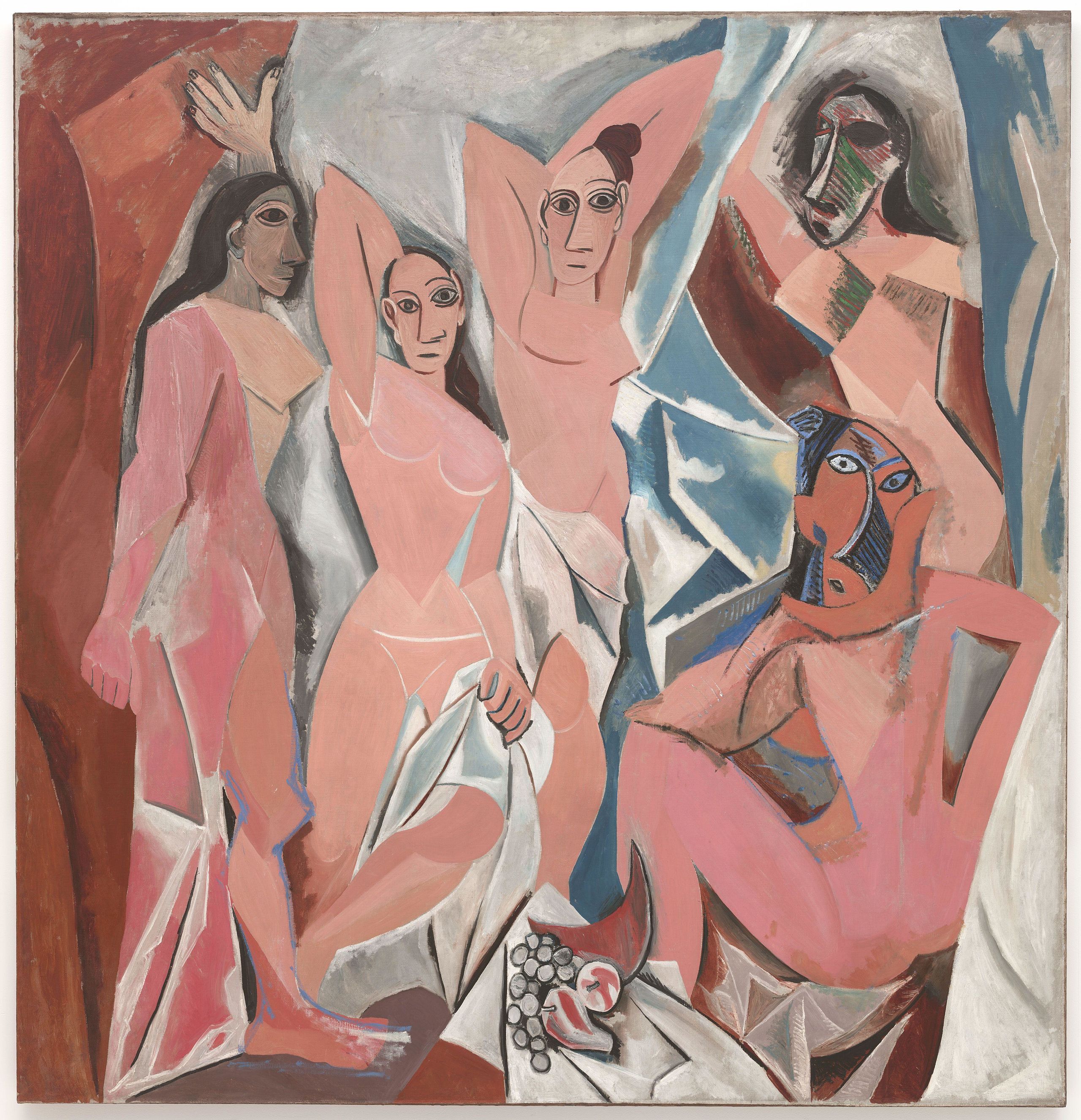
In the heart of New York City’s Museum of Modern Art (MoMA), one of the most revolutionary paintings in the history of art proudly hangs: Picasso’s Les Demoiselles d’Avignon. This painting, created in 1907, marks a significant turning point in modern art, heralding the dawn of Cubism and cementing Picasso’s place on the international art stage.
A Misunderstood Masterpiece
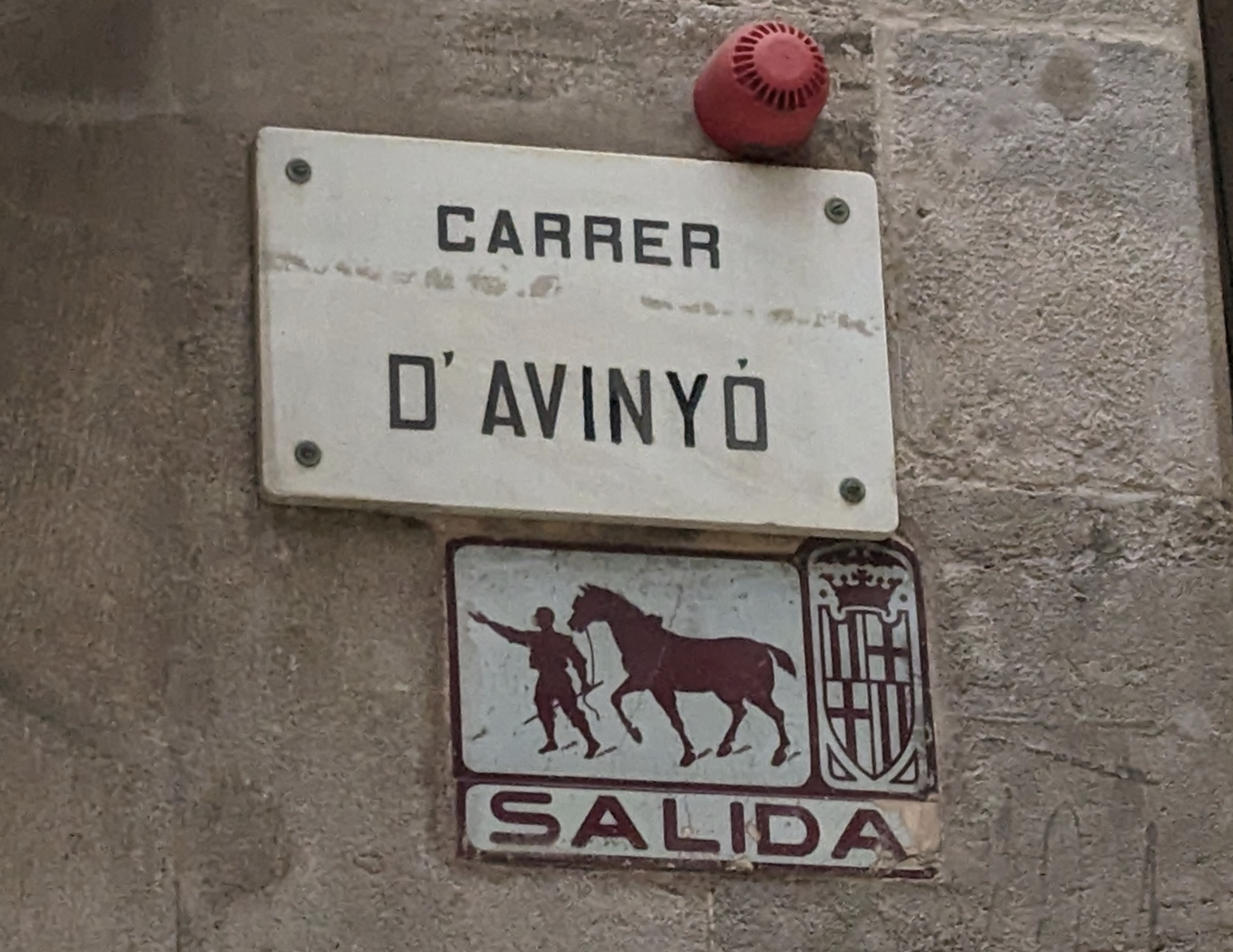
Contrary to a common misconception, Les Demoiselles d’Avignon is not about women from the southern French city of Avignon. Rather, it depicts five prostitutes in a brothel on Carrer d’Avinyó in Barcelona. This confusion may stem from Picasso’s later life connections to the French Avignon, where he lived with his lover Eva Gouel. However, the true inspiration for this groundbreaking work lies in Picasso’s youth in Barcelona.
The Barcelona Connection
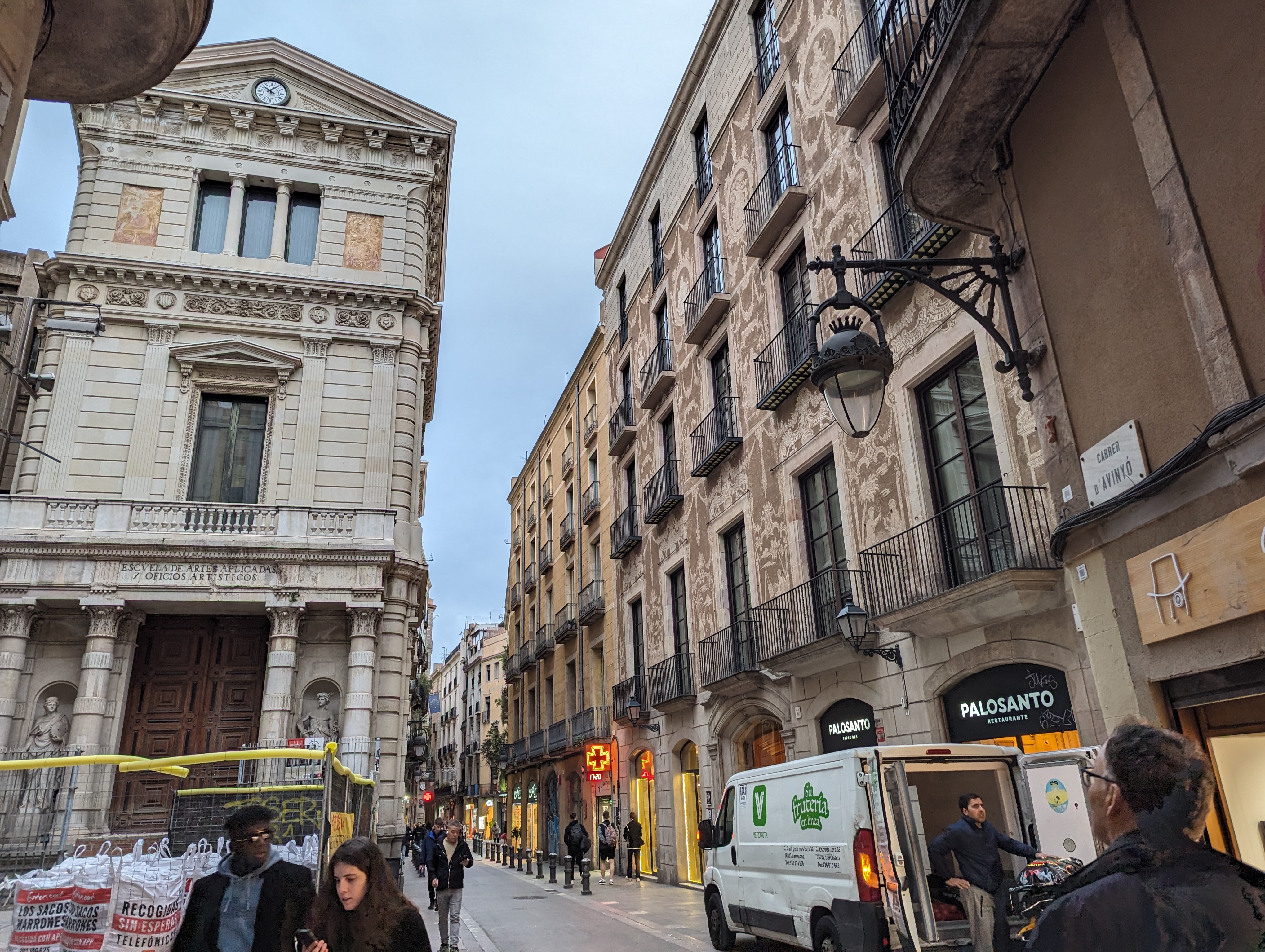
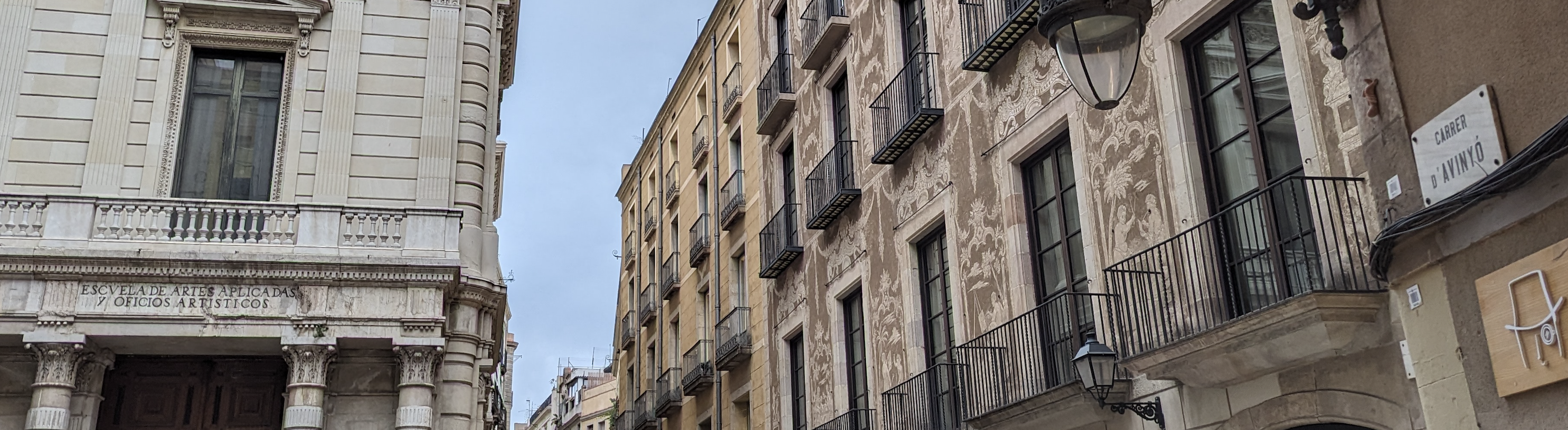
Picasso’s family moved from Málaga to Barcelona when he was 14 years old because his father secured a position as a professor at the Escola de Belles Arts de Barcelona, La Llotja. Picasso also enrolled as a student at this school, further immersing himself in the city’s artistic environment. During a recent trip to Barcelona, I walked through the historic Gothic Quarter and visited Carrer d’Avinyó. This street is home to the Escuela de Artes Aplicadas y Oficios Artísticos, not far from the famous bar Els Quatre Gats, a favorite haunt of the young Picasso. Notably, Carrer d’Avinyó was known for its many brothels, which Picasso frequented, inspiring the name and subject matter of Les Demoiselles d’Avignon.
Additionally, close to Carrer d’Avinyó and Els Quatre Gats is the Picasso Museum (Montcada 15-23), one of four Picasso museums in the world (the others are in Málaga, Paris, and Buitrago de Lozoya). The Barcelona museum is unique as it was created during Picasso’s lifetime and at his personal wish. It holds a large collection from the personal collection of Jaume Sabartés, a poet and friend of Picasso, and a significant donation of works made by Picasso himself in 1968.
Breaking Conventions
Les Demoiselles d’Avignon portrays five nude women with sharply angular and fragmented bodies, abandoning the traditional perspective and verisimilitude that characterized Renaissance art. The figures in the painting confront the viewer directly, their faces and bodies distorted in ways that evoke a sense of primal force and raw sexuality. Picasso drew inspiration from various sources, including African tribal masks, which he believed could liberate a new, powerful artistic style.
Reception and Legacy
When first revealed, the painting was met with shock and outrage. Even Picasso’s close friends and fellow artists, such as Henri Matisse and Georges Braque, were initially scandalized by its radical departure from conventional aesthetics. It took almost a decade before the painting was exhibited publicly, and even then, it was considered controversial.
Despite its tumultuous reception, Les Demoiselles d’Avignon eventually gained recognition as a seminal work that laid the groundwork for Cubism. Picasso and Braque’s subsequent collaboration transformed the landscape of modern art, influencing countless artists and movements throughout the 20th century.
From Scandal to Icon
Today, Les Demoiselles d’Avignon is celebrated as an undeniable masterpiece. Since its acquisition by MoMA in 1939, it has been displayed prominently, inviting millions of visitors to confront its raw power and innovative spirit. The painting’s journey from scandal to icon reflects the transformative power of art and the enduring legacy of Picasso’s genius.
Les Demoiselles d’Avignon not only marked the beginning of Picasso’s international career but also heralded a new era in the history of art. Its revolutionary approach continues to inspire and challenge viewers, a testament to Picasso’s vision and the enduring impact of his work.
© Francesc Borrull, 2024
 Francesc Borrull