
By Francesc Borrull · October 7, 2024
Introduction: Navigating the Brain’s Crossroads of Emotion and Logic
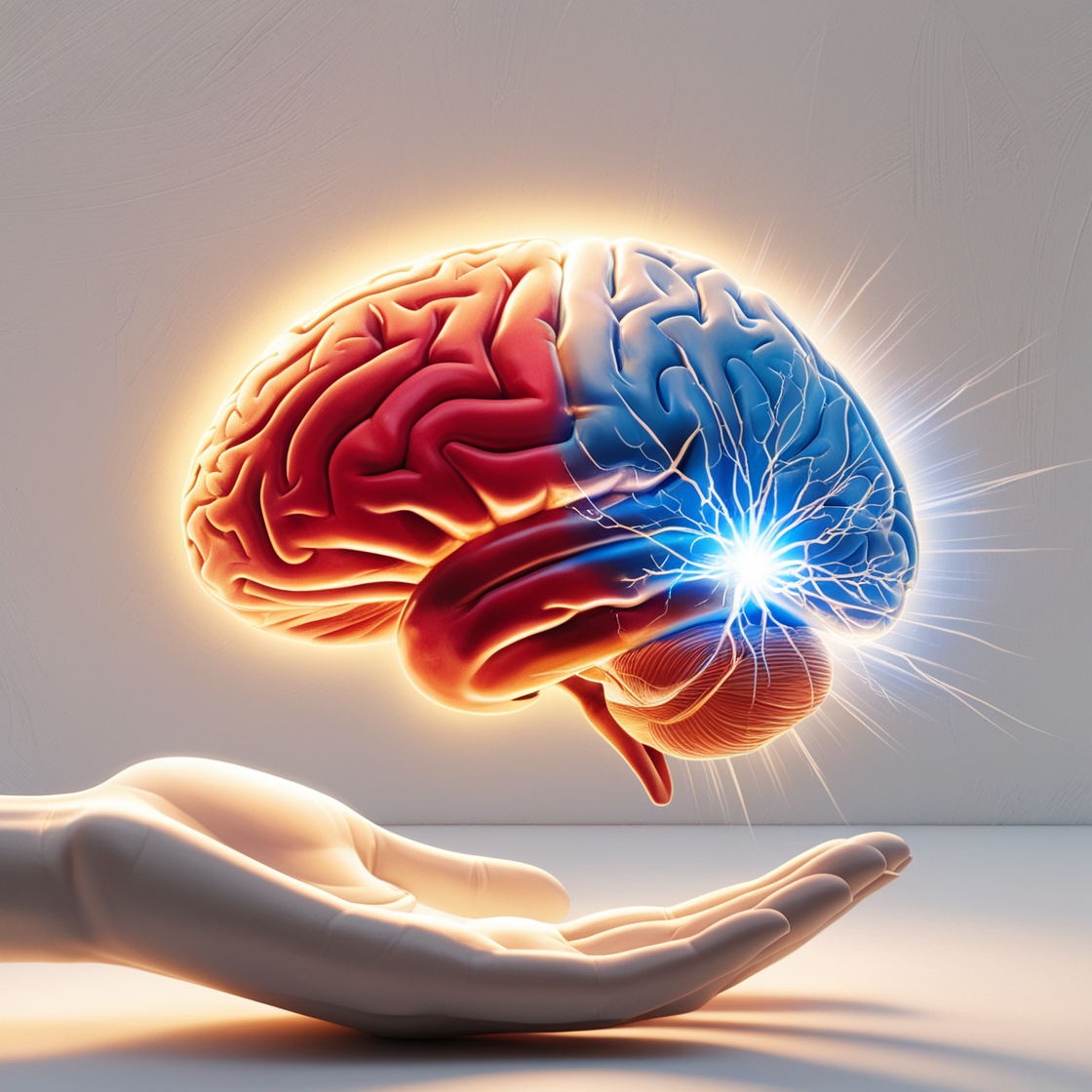
In the intricate labyrinth of the human brain, a dynamic interplay unfolds between two distinct regions—the amygdala and the prefrontal cortex. These neurological powerhouses, situated in different corners of our cognitive landscape, wield immense influence over our decision-making processes. As we embark on a journey through the neural corridors, we’ll delve into the profound disparities between the emotional intensity orchestrated by the amygdala and the cool, calculated logic emanating from the prefrontal cortex.
In the heat of a moment, when swift decisions are imperative for survival, the amygdala takes center stage, orchestrating a symphony of emotions that dictate our reactions. On the contrary, the prefrontal cortex, perched at the forefront of our cognitive domain, engages in a more measured dance—a ballet of logic, reasoning, and deliberate contemplation.
This exploration will unveil the intricate ways in which these brain regions collaborate and sometimes clash, shaping our responses to the world around us. Moreover, we’ll delve into a poignant real-life scenario—the battleground of parent-child arguments—where the disparities between emotional impulsivity and logical reasoning come to the forefront. Join us as we unravel the mysteries of the mind, seeking to understand how these neurological protagonists sculpt the decisions that define our lives.
The Amygdala: The Emotional Center
The amygdala, located deep within the brain’s temporal lobe, plays a crucial role in processing emotions, especially fear and pleasure responses. It acts as the brain’s emotional alarm system, triggering the “fight or flight” response in stressful situations.
When faced with a threat, the amygdala reacts swiftly, sending signals to other parts of the brain to prepare the body for action. This rapid response is essential for survival, but it can sometimes lead to impulsive decisions driven by emotion rather than rational thought.
The Prefrontal Cortex: The Logical Hub
On the other hand, the prefrontal cortex, situated at the front of the brain, is responsible for higher cognitive functions, including decision-making, problem-solving, and social interactions. Unlike the amygdala, the prefrontal cortex takes a more measured and calculated approach to decision-making.
This region is crucial for inhibiting impulsive responses and considering the long-term consequences of actions. It allows individuals to weigh different options, anticipate outcomes, and make decisions based on logic and reasoning.
Examples of Amygdala and Prefrontal Cortex in Action
Imagine encountering a snake in the wild. Your amygdala would react instantly, triggering fear and prompting a rapid response to either fight the snake or flee from it. This immediate emotional reaction is essential for survival but might not involve much logical thought.
Now, consider a complex financial decision, such as investing in the stock market. This scenario would heavily involve the prefrontal cortex, as it requires careful analysis, consideration of long-term consequences, and the ability to regulate emotions to make rational choices.
Parent-Child Arguments: A Clash of Brain Regions
In the intricate dynamics of parent-child arguments, logical reasoning often takes center stage. Parents, in their attempt to guide and discipline, present rational explanations for requests or rules. However, a significant nuance arises, especially with younger children whose prefrontal cortex is still in the early stages of development. The struggle emerges when these logical arguments clash with the powerful influence of a child’s emotions, predominantly steered by the amygdala.
Take, for instance, a scenario with a young child asked to transition from playtime to bedtime. Faced with this request, the child’s emotional responses, directed by the amygdala, manifest as frustration and resistance. In this moment, the underdeveloped prefrontal cortex inhibits the child’s ability to fully grasp the logical reasons behind the bedtime routine. The parent’s attempt to elucidate the importance of a good night’s sleep and the structure it provides may fall on deaf ears, overridden by the emotional desire to continue playing.
Contrastingly, consider a similar scenario involving a teenager. When parents request the teenager to limit screen time for better focus on academics, the older child, armed with a more developed prefrontal cortex, can engage in rational discourse. The teenager may present a well-thought-out argument, acknowledging the importance of academic success and proposing a compromise for a reasonable amount of screen time. In this case, the teenager’s ability to employ logical reasoning allows for a more constructive conversation, underscoring the evolving role of the prefrontal cortex in decision-making as the child matures.
Conclusion: Bridging the Gap
Understanding the distinct roles of the amygdala and prefrontal cortex sheds light on the challenges in parent-child communication. While parents may approach arguments with logic, it’s crucial to recognize the emotional underpinnings of a child’s responses.
Building emotional intelligence in children, along with providing age-appropriate explanations and guidance, can help bridge the gap between emotional reactions driven by the amygdala and the logical reasoning associated with the prefrontal cortex. As children’s brains develop, they become better equipped to navigate the intricate balance between emotions and logic in decision-making.
© Francesc Borrull, 2023-2024
P.S. Disclaimer: This article is NOT based on the book ‘The Whole-Brain Child: 12 Revolutionary Strategies to Nurture Your Child’s Developing Mind’ by Daniel J. Siegel and Tina Payne Bryson. While we explore the fascinating realms of the brain and its impact on decision-making, the content presented here is an independent exploration. However, if you’re eager to delve deeper into the comprehensive understanding of child brain development, I highly recommend ‘The Whole-Brain Child.’ Authored by experts Daniel J. Siegel and Tina Payne Bryson, the book provides invaluable insights and revolutionary strategies for nurturing your child’s developing mind. Consider it your guide to unraveling the intricacies of the young brain and fostering healthy cognitive growth. Happy reading!
[Clicking the provided links won’t fill my pockets. They’re just for your curiosity, not my coffers!]
 Francesc Borrull