
By Francesc Borrull · November 9, 2024
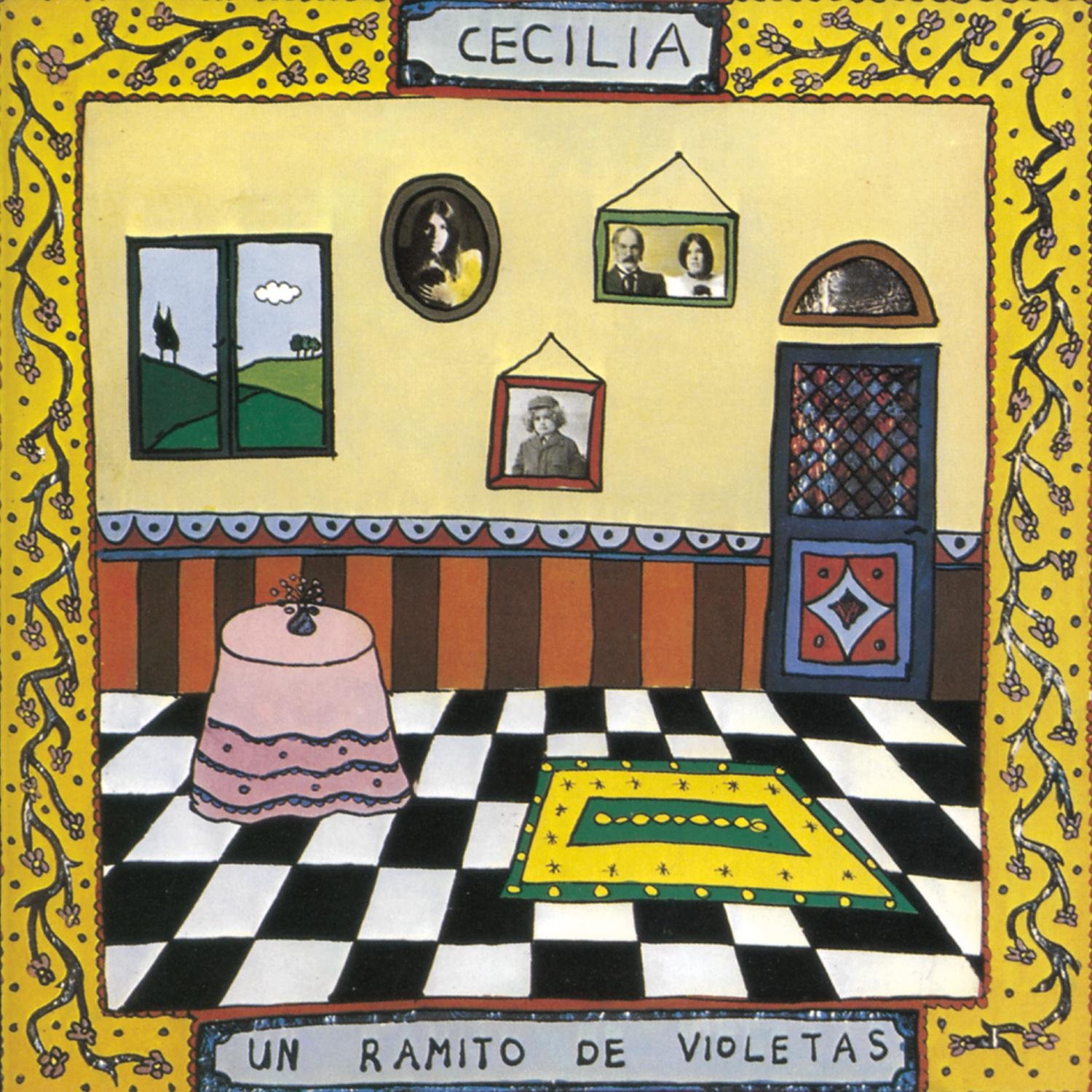
“Un ramito de violetas” is a song that has touched the hearts of many since its release in 1974. Written by Evangelina Sobredo Galanes, better known as Cecilia, it was originally released as a single and later included in her 1975 album, Un ramito de violetas. The song’s origins trace back to a story Cecilia began writing as a teenager, making it deeply personal and nostalgic. The song’s plot, revolving around love, secrecy, and emotional resilience, resonates with themes of preservation and renewal within long-term relationships.
The song follows the life of a married woman who, despite her husband’s rough exterior, has kept her hope alive through the letters and poems she receives from a secret admirer. These letters, filled with poetry, arrive year after year, accompanied by a small bouquet of violets every November 9th. In a surprising twist, the secret admirer turns out to be her own husband, who sends the flowers and poems anonymously to bring happiness to his wife. This revelation of hidden love within an established relationship has sparked many interpretations of the song’s deeper meanings.
Here are the original Spanish lyrics of the song:
Era feliz en su matrimonio
Aunque su marido era el mismo demonio
Tenía el hombre un poco de mal genio
Y ella se quejaba de que nunca fue tierno
Desde hace ya más de tres años
Recibe cartas de un extraño
Cartas llenas de poesía
Que la han devuelto la alegría
¿Quién la escribía versos, dime, quién era?
¿Quién la mandaba flores por primavera?
¿Quién cada nueve de noviembre
Como siempre, sin tarjeta
La mandaba un ramito de violetas?
A veces sueña y se imagina
¿Cómo será aquel que tanto la estima?
Sería un hombre más bien de pelo cano
Sonrisa abierta y ternura en las manos
No sabe quién sufre el silencio
¿Quién puede ser su amor secreto?
Y vive así de día en día
Con la ilusión de ser querida
¿Quién la escribía versos, dime, quién era?
¿Quién la mandaba flores por primavera?
¿Quién cada nueve de noviembre
Como siempre, sin tarjeta
La mandaba un ramito de violetas?
Y cada tarde al volver su esposo
Cansado del trabajo, la mira de reojo
No dice nada porque lo sabe todo
Sabe que es feliz así, de cualquier modo
Porque él es quien la escribe versos
Él, su amante, su amor secreto
Y ella, que no sabe nada
Mira a su marido y luego calla
¿Quién la escribía versos, dime, quién era?
¿Quién la mandaba flores por primavera?
¿Quién cada nueve de noviembre
Como siempre, sin tarjeta
La mandaba un ramito de violetas?
La-rai-ra
La-rai-ra
La-rai-ra
Ra, ra-rai-ra
Here are the lyrics as translated into English:
She was happy in her marriage
But her husband was the devil himself
He had some bad temper
She complained that he never was kind
For more than three years
She has been receiving letters from a stranger
Letters full of poetry
That have returned her joy
Who wrote you verses, tell me girl, who was it?
Who sent you flowers in spring?
Who, each November 9th, as always without a card
Sent her a bouquet of violets?
Sometimes she dreams and imagines
How that man who appreciates her could be
He would be a man with gray hair
An open smile and tenderness in his hands
She doesn’t know who suffers in silence
Who could be her secret love?
She lives day to day with the hope of being loved
Who wrote you verses, tell me girl, who was it?
Who sent you flowers in spring?
Who, each November 9th, as always without a card
Sent her a bouquet of violets?
Every evening, when her husband returns
Tired from work, he glances at her
He says nothing because he knows everything
He knows she is happy this way, no matter what
Because it is him who writes those poems
He is her lover, her secret love
She, who doesn’t know anything
Looks at her husband and stays silent
This narrative style is not only touching but also rich in metaphor. The flowers, violets specifically, symbolize delicate but enduring love. The husband, initially presented as distant and temperamental, is revealed to have a deeper understanding of his wife’s needs for emotional expression. By secretly sending her the letters and flowers, he becomes both her anonymous admirer and her emotional anchor, showing his love in a subtle, almost paradoxical way.
“Un ramito de violetas” is more than just a romantic ballad; it tells a story of longing, unmet emotional needs, and the quiet ways in which people within long-term relationships communicate their love. The woman, yearning for tenderness, receives it in the most unexpected way—through the anonymity of her own husband. There is a duality here: the woman dreams of a man with tenderness in his hands, yet her husband—who outwardly may not seem affectionate—provides this tenderness under the guise of someone else.
The violets, a key metaphor, represent this balance of fragility and strength in love. Violets, often associated with modesty and humility, are a subtle but powerful way for the husband to express his affection without needing grand gestures. The choice to remain anonymous might also symbolize the complexity of relationships where overt expressions of love are often hidden behind daily routines, misunderstandings, or unspoken feelings.
The song, both lyrically and thematically, touches on the concepts of identity, love, and self-discovery within the framework of a long-standing relationship. The wife’s happiness comes not from overt declarations of love but from the consistent, understated gestures that reignite her passion for life. In this sense, the song speaks to the preservation of love’s mystery even after years of marriage.
Music as a Gateway to Language and Culture
Learning another language is a profound way to unlock new worlds and perspectives. For me, music has always been a favorite tool in this journey. “Un ramito de violetas” is not just a song; it is a window into a different culture, a different way of viewing relationships, and the subtle expressions of love. Throughout my life, I have learned several languages through various means, but music has always stood out as one of the most powerful ways to immerse myself in the language’s rhythm, emotion, and cultural nuances.
I probably first heard this song in the 1981 version interpreted by Manzanita, a version that remains my favorite to this day. There are many other versions, some of them quite good, but this one still resonates with me deeply. Music, much like language, has a way of connecting us to the emotions and experiences of others, often transcending barriers of time and space.
As I reflect on this song and its timeless story, it reminds me that love, much like language, requires continual renewal, attention, and sometimes even a little mystery to keep it alive.
© Francesc Borrull, 2024
 Francesc Borrull