
By Francesc Borrull · November 18, 2024
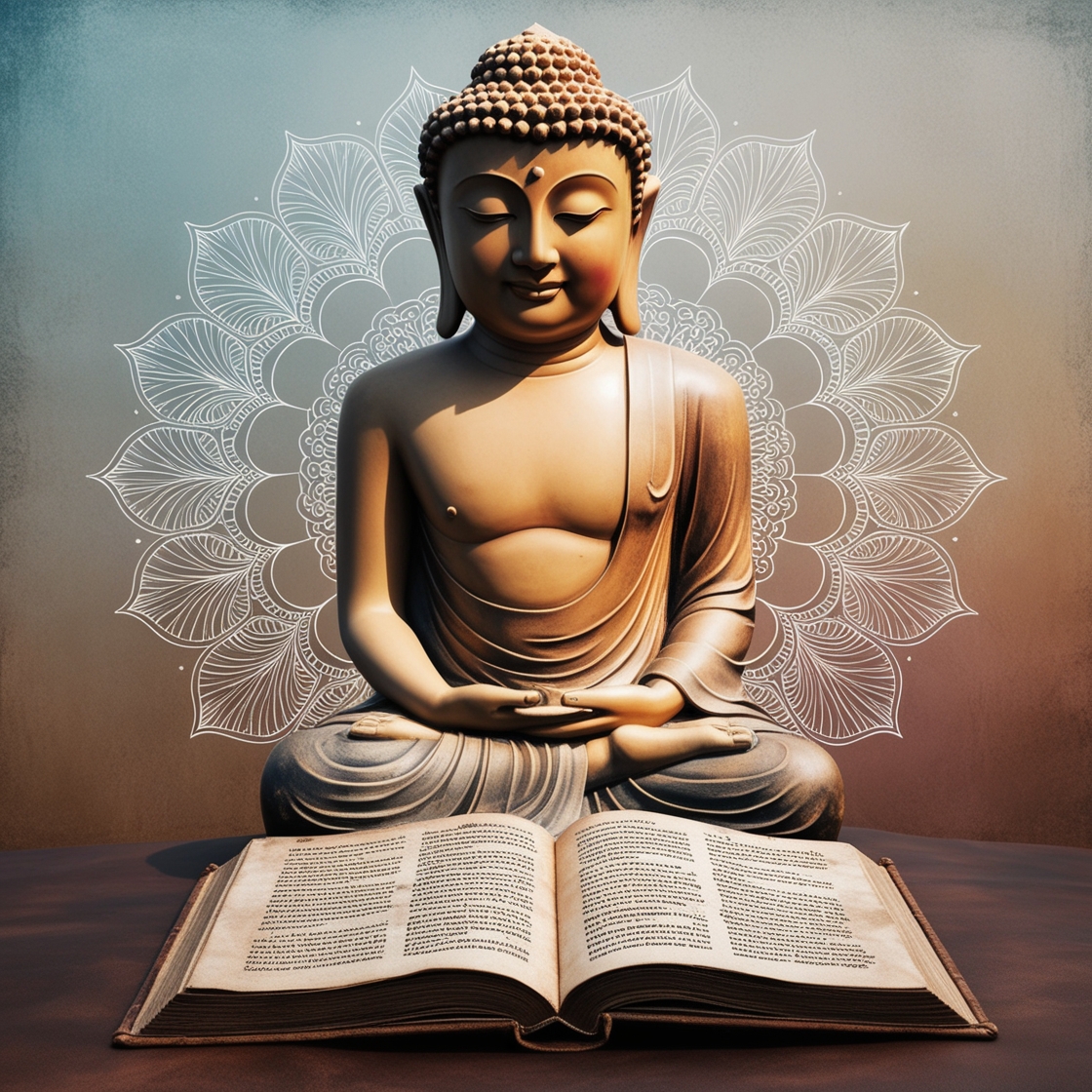
The greatest gift we can offer another person is to allow them to be who they are, unburdened by the weight of our expectations or desires for them to conform to an imagined ideal. In this act of acceptance lies a profound wisdom: that the world, and all within it, exists as it is—not as we wish it to be. This insight applies not only to our relationships with others but also to the often fraught relationship we have with ourselves.
The Burden of Projections
Much of human suffering arises from our attachment to projections—images and narratives about how life should be. We project these onto others, hoping they will act, think, or feel in ways that align with our desires. Similarly, we project onto ourselves, harboring a critical inner voice that demands we be smarter, kinder, more successful, or more virtuous. These projections create an almost constant sense of conflict because reality, in its infinite complexity, rarely conforms to our limited expectations.
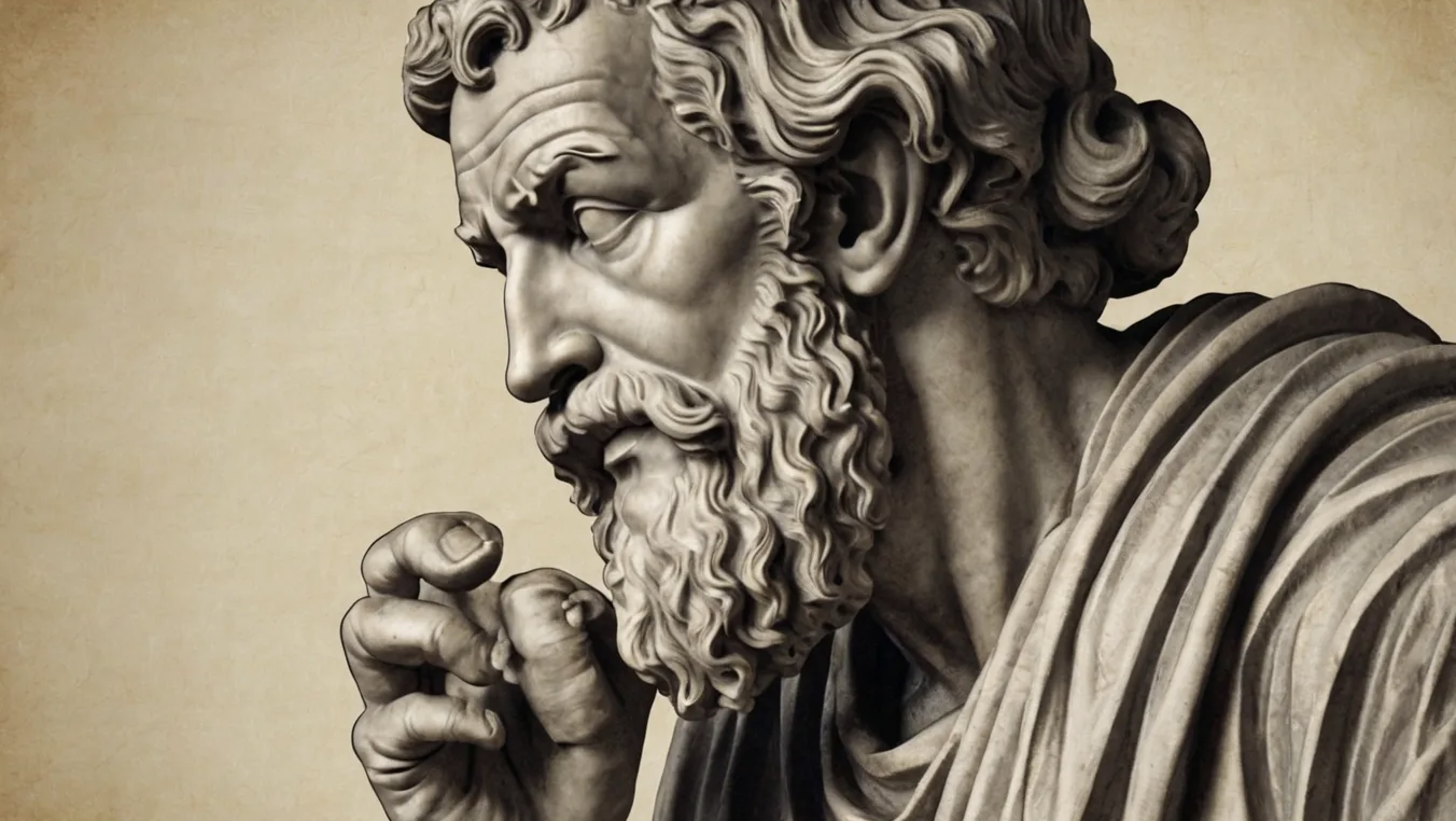
In Buddhism, this tendency is called dukkha, often translated as suffering or dissatisfaction. Dukkha arises from our craving (tanha) for things to be other than they are. In the Stoic tradition, this is mirrored in the principle of aligning oneself with nature, epitomized in the teaching of Epictetus: “Do not seek to have events happen as you wish, but wish them to happen as they do happen, and your life will go smoothly.” Acceptance, then, is not passivity but a courageous surrender to reality.
The Practice of Non-Judgment
Acceptance begins with non-judgment, a state of mind cultivated in meditation and mindfulness. To sit with the breath and observe thoughts without attachment is to practice seeing reality as it is. In this stillness, we begin to understand that our judgments—of others, ourselves, or circumstances—are transient and often arbitrary. They are not truths but conditioned responses shaped by culture, upbringing, and personal experience.
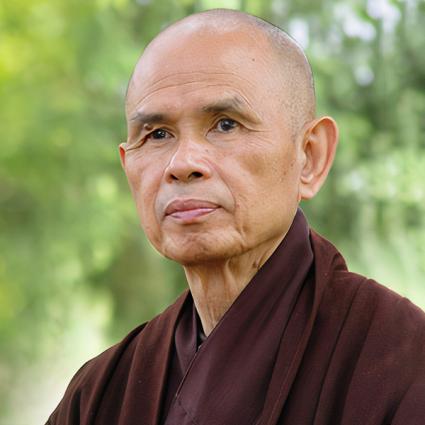
When we release judgment, we create space for compassion. This is central to Buddhist teachings on metta, or loving-kindness. To hold oneself or another in non-judgmental awareness is to see clearly and love deeply. As the Zen master Thich Nhat Hanh taught, “Understanding is love’s other name.” Only by understanding another as they are, free from the distortions of judgment, can we truly love them.
Self-Acceptance as Liberation
Our relationship with ourselves is perhaps the most challenging arena for acceptance. In a culture that prioritizes perfection and achievement, self-criticism often becomes a default mode of being. Yet, self-acceptance is the foundation for inner peace. When we let go of the need to be someone other than who we are, we begin to experience the freedom and ease that arise from authenticity.
From a Stoic perspective, this involves recognizing what is within our control and what is not. Our actions, thoughts, and choices are ours to govern, but external circumstances—and even the fundamental aspects of our personality or appearance—are not. Marcus Aurelius reminds us: “You have power over your mind—not outside events. Realize this, and you will find strength.” In self-acceptance, we find strength because we cease wasting energy on futile resistance to what is immutable.

The Interplay of Acceptance and Change
Paradoxically, acceptance is not in conflict with growth or change. To accept oneself or another does not mean to condone harmful behavior or to resign oneself to stagnation. Rather, acceptance provides the fertile ground from which genuine transformation can arise. As the Buddha taught, the first step in overcoming suffering is recognizing it fully. Only when we see ourselves and others clearly can we engage in the kind of compassionate action that leads to growth.
The Stoics also acknowledged this interplay. By understanding and accepting what is within our nature, we can work with it rather than against it. The practice of amor fati, or the love of fate, is not about passively enduring life but about embracing it so completely that even challenges become opportunities for wisdom and virtue.
Acceptance in Relationships
Acceptance in relationships means relinquishing control. When we insist that others conform to our expectations, we rob them of their agency and authenticity. This not only damages the relationship but also prevents us from experiencing the richness of their true selves. As the Buddhist monk Ajahn Chah once said, “If you let go a little, you will have a little peace. If you let go a lot, you will have a lot of peace. If you let go completely, you will have complete peace.”
By allowing others to be as they are, we foster mutual respect and genuine connection. Acceptance does not mean ignoring harm or enabling destructive behavior; it means responding to others with understanding rather than judgment. In this way, acceptance becomes an act of love.
The Ultimate Freedom
Acceptance is, at its core, a practice of freedom. It frees us from the endless cycle of craving and aversion, from the tyranny of “should” and “must,” and from the illusion that we can control the world. In accepting reality as it is, we find a deep and abiding peace—not because everything is perfect, but because we have stopped resisting what is.
The journey of acceptance is not easy. It requires humility to acknowledge our limitations, courage to face uncomfortable truths, and discipline to practice mindfulness and compassion. Yet, it is a journey worth taking, for in acceptance lies the key to living in harmony with ourselves, others, and the world.
As the Stoics and Buddhists alike remind us: true freedom is not found in changing the world to suit our desires, but in changing our relationship to the world. In this practice, we come to understand that acceptance is not surrender—it is liberation.
© Francesc Borrull, 2024
“Start accepting things from day one.” David Gilmour’s rendition of “Between Two Points,” from his latest album release Luck and Strange (2024), featuring Romany Gilmour on vocals.
 Francesc Borrull