
By Francesc Borrull · December 16, 2024
In 1991, my brother had just moved to Baltimore, MD, and I spent a couple of months visiting him. During that time, MTV was at its peak—back when music videos ruled the airwaves and bands depended on MTV for exposure and commercial success. To be featured on MTV meant fame and fortune, and any artist looking to hit it big couldn’t ignore its influence. That year, four albums stood out, albums that shaped the musical landscape: Metallica’s Black Album, Nirvana’s Nevermind, R.E.M.’s Out of Time, and Red Hot Chili Peppers’ Blood Sugar Sex Magik. Every time I turned on the TV, their videos were everywhere: Enter Sandman, The Unforgiven, Give It Away, Smells Like Teen Spirit, and Losing My Religion. These albums and their accompanying visuals provided the backdrop to my visit, and they’ve been etched in my memory ever since.
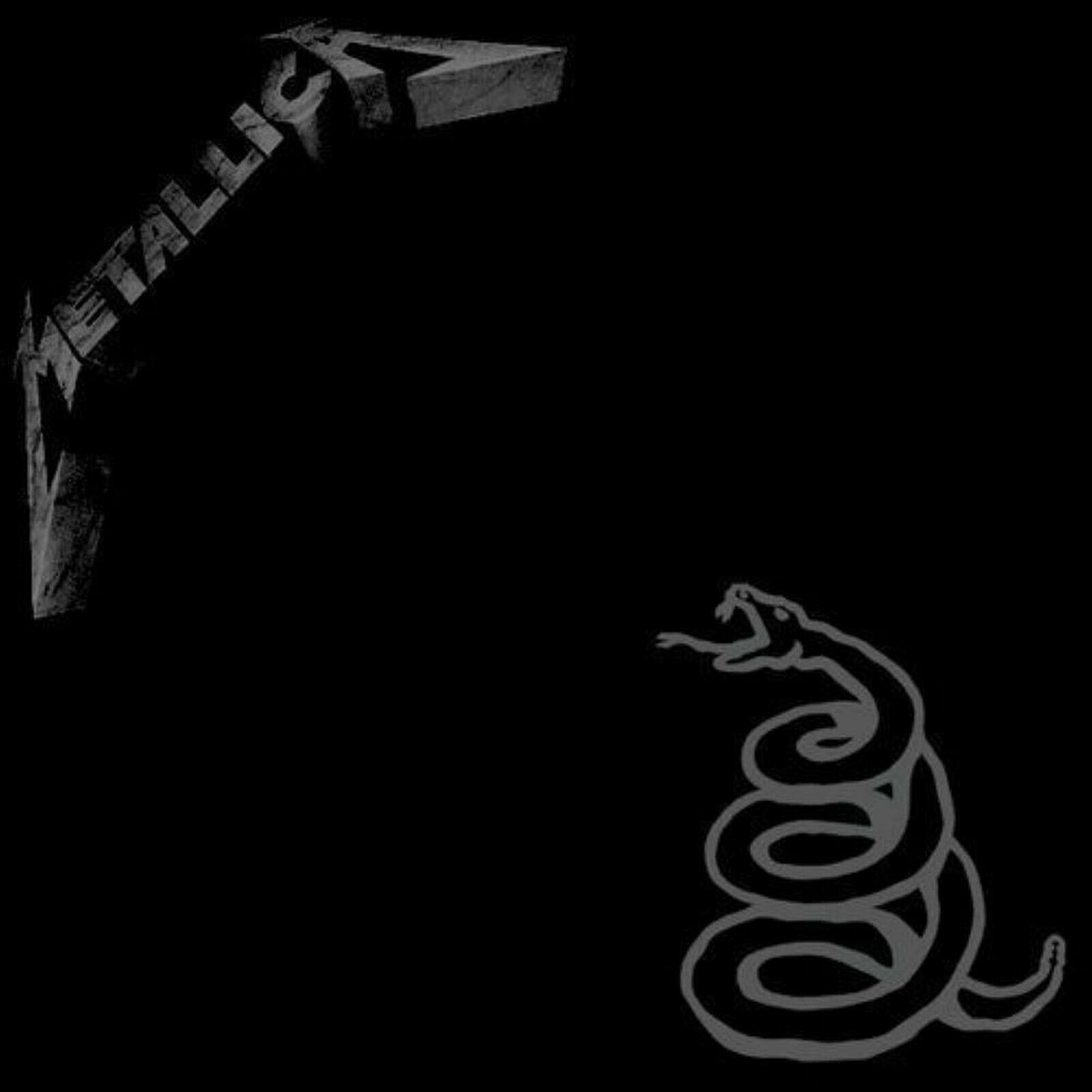
Metallica: The Black Album
Out of the four bands, Metallica was by far my favorite. By 1991, I had already collected all their albums and could play a number of their songs on guitar. Just a few months before visiting Baltimore, I had seen them live, which I wrote about in a previous post (check it out here). So when The Black Album came out, it felt like a seismic shift. It was unlike anything Metallica had done before. For the metal community, it was a big surprise—and to some, a betrayal.
Metallica had always been a thrash metal band, a subgenre defined by its breakneck speed, aggressive riffs, and complex compositions. But with The Black Album, they stepped away from their thrash roots and moved toward a more accessible sound. To some hardcore fans, it was a “sellout.” But for me, the album was still powerful and addictive. I played it on repeat and learned to play many of its songs on guitar.
Two tracks in particular dominated MTV: Enter Sandman and The Unforgiven. Enter Sandman became the band’s biggest hit, while The Unforgiven showed a more introspective side. I wrote a long paper on The Unforgiven trilogy (link here), analyzing how it evolved across their albums. Though the album signaled a new era for Metallica, I embraced it wholeheartedly and still revisit it often.
Red Hot Chili Peppers: Blood Sugar Sex Magik
While Metallica was already a favorite, Blood Sugar Sex Magik was my introduction to the Red Hot Chili Peppers. Even though they weren’t a new band, this album solidified their place in the mainstream, and it became one of my favorite RHCP albums, along with One Hot Minute. I remember spending countless hours learning to play songs from the album.
The video for Give It Away seemed to be on constant rotation on MTV, and it left an indelible impression with its wild energy and iconic imagery. I also can’t forget the album artwork, which famously featured the band naked with nothing but socks covering their privates—a bold, irreverent move that epitomized their style.
Even now, I’m listening to I Could Have Lied, a deeply emotional track that resonates with me on a personal level. It’s a song I love to play on guitar, and I even sing along to it. Blood Sugar Sex Magik remains a powerful album that hasn’t lost its appeal after all these years, capturing the band’s unique blend of funk, rock, and soul.
Nirvana: Nevermind
What can I say about Nevermind that hasn’t already been said? It’s an album that’s been dissected and discussed countless times. As much as I respect its legacy, I’ll admit I’ve always been more of a Pearl Jam fan than a Nirvana one. Still, there’s no denying the cultural impact of Nevermind. It sold millions of copies, broke expectations, and became a defining moment for the grunge movement.
Kurt Cobain’s raw, unfiltered energy made the album feel revolutionary, and Smells Like Teen Spirit was absolutely everywhere. I couldn’t escape it. At the time, I’ll admit, the constant replay of the song on MTV began to wear on me. I liked the album and appreciated its raw, frantic sound, but hearing Smells Like Teen Spirit every day made me feel a bit fatigued. It got to the point where I’d hear the opening riff and want to scream—though not in the way Cobain probably intended!
That said, the influence of Nevermind is undeniable, and it became a symbol of a new era in music. Even today, I can appreciate its place in history, though I’ll still reach for Pearl Jam’s Ten before I put on Nirvana.
R.E.M.: Out of Time
Unlike the other three albums, R.E.M.’s Out of Time was more understated, but it’s the album that made me a fan. Losing My Religion was a revelation—a near-perfect song, and the music video was incredible. Peter Buck’s mandolin playing was sublime, and it was fascinating to learn that he picked up the mandolin because he wanted to break free from expectations around his guitar playing. That choice paid off in spades.
I also admired Michael Stipe’s stage presence and his androgynous persona, which gave him a unique, captivating energy. Stipe’s friendship with Kurt Cobain was well-known, and Cobain often sought his advice on how to handle fame and expectations. It’s sad to think that Cobain’s struggles with these pressures contributed to his ultimate demise, a tragic contrast to Stipe’s more grounded approach.
For me, Out of Time offered something completely different from the grunge and metal of the other albums. It was introspective, layered, and highlighted R.E.M.’s ability to evolve. While it may not have had the same commercial power as Nevermind or The Black Album, it’s still an album I fondly revisit.
Conclusion: 1991’s Lasting Impact
As I look back, all four of these albums have left a permanent mark on my musical journey. From Metallica’s departure from thrash to the raw energy of Nirvana, the funk-rock power of RHCP, and the introspective brilliance of R.E.M., 1991 was a year that shaped my late teen years. These albums became the soundtrack of my first visit to the U.S., and they still bring back vivid memories of those late MTV-filled nights in Baltimore keeping my brother company. Long live rock ’n’ roll!
© Francesc Borrull, 2024
 Francesc Borrull