
By Francesc Borrull · March 24, 2025
Note to My Readers
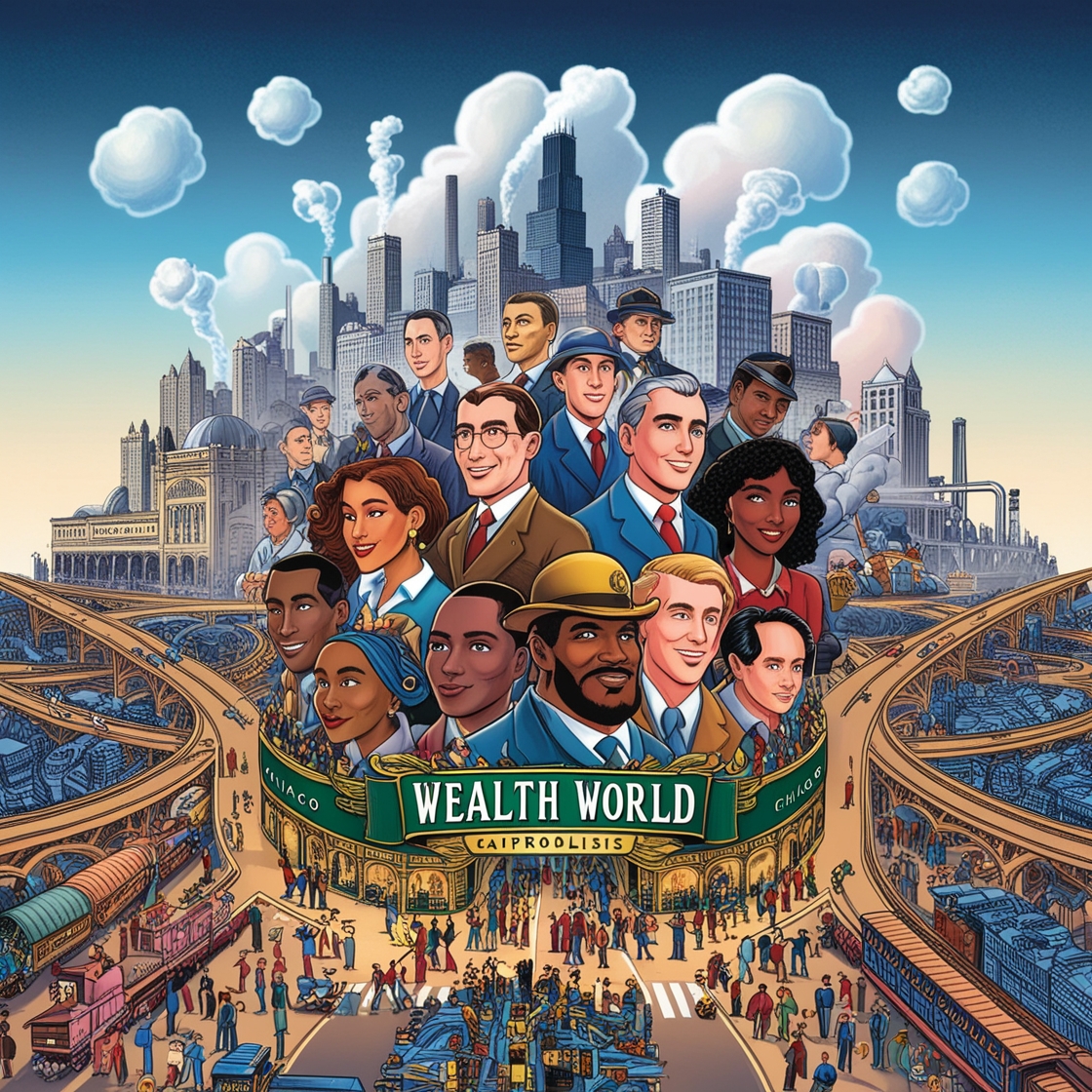
This post is part of a two-part exploration of wealth—how it is created, how it is distributed, and why it matters to all of us. Today, March 24, I am sharing the first half, covering:
- Introduction: Why Write About This?
- I. What Is Wealth?
- II. Creation of Wealth: How Does It Happen?
The second half is published on April 7 (found here), where I dive into:
- III. Distribution of Wealth: Who Gets What and Why?
- IV. Challenges and Debates in Wealth Distribution
- Conclusion: Why This Matters to Me
I hope you find this discussion thought-provoking, and I’d love to hear your thoughts along the way! Stay tuned for the next part.
Introduction: Why Write About This?
I am not an economist, nor do I pretend to be one. However, I am an avid reader, and over the years, I have found that understanding economics is essential—not just for scholars and policymakers but for every citizen. Economic forces shape our daily lives, from the prices we pay for groceries to the jobs available in our communities. At its core, economics can be understood as the study of how wealth is created and distributed, making it one of the most consequential subjects anyone can explore.
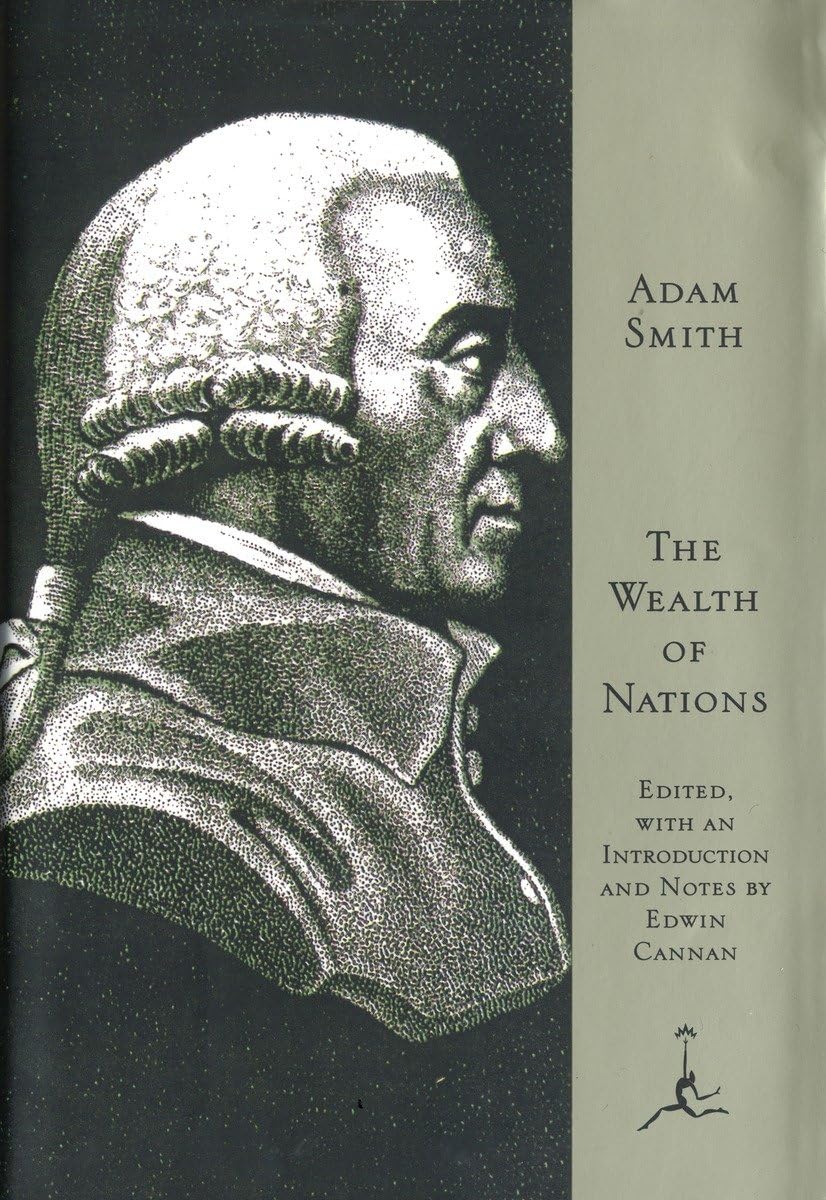
To grasp these ideas, one must turn to one of the most important books ever written: The Wealth of Nations by Adam Smith. Published in 1776, this seminal work didn’t just lay the foundation for modern economics—it changed the world. Smith’s insights revolutionized how societies understood commerce, production, and trade, shifting economic thought away from mercantilism (which viewed wealth as a fixed pie to be fought over) toward the idea that wealth could be created through free markets, competition, and specialization.
Some of Smith’s most essential contributions include:
- The Invisible Hand: The idea that individuals pursuing their own self-interest unintentionally contribute to the greater economic good.
- Division of Labor: The concept that breaking down production into specialized tasks increases efficiency and overall wealth.
- Free Markets vs. Government Control: Smith argued that markets function best when left largely free from excessive government interference, a principle that continues to fuel debates today.
These ideas didn’t just shape economics—they helped define capitalism itself. Nations that embraced Smith’s principles saw unprecedented economic growth, while his work continues to influence policies centuries later.
Understanding the creation and distribution of wealth is just as important today as it was in Smith’s time. In the modern world—where AI, automation, and globalization are transforming economies—his insights remain vital, but they also raise new questions. How is wealth created in the digital age? How should it be distributed in a rapidly changing world? These are the questions I hope to explore in this piece.
I. What Is Wealth?
When people hear the word wealth, they often think of money—bank accounts, stocks, or piles of cash. But in economic terms, wealth is much broader than that. It includes resources, assets, infrastructure, knowledge, and production capacity—anything that can generate value, sustain livelihoods, and improve living standards over time. A society’s wealth isn’t measured only by the amount of money in circulation but by its ability to produce goods and services that improve people’s quality of life.
Historically, the way societies create wealth has evolved dramatically, reshaping economies and civilizations.
The Evolution of Wealth Creation
1. The Agricultural Revolution: Wealth as Land and Labor
For much of human history, wealth was tied to land and agriculture. Before farming, hunter-gatherer societies had little concept of wealth beyond immediate survival. The transition to agriculture (about 10,000 years ago) allowed people to settle, produce food surpluses, and develop trade. Owning land meant power, as it provided food and resources for entire communities.
- Example: Ancient Egypt’s economy was built on the Nile River’s fertile land, where large-scale farming sustained cities and trade.
- Key wealth driver: Control of land and labor (often through systems like feudalism and slavery).
2. The Industrial Revolution: Wealth as Production and Innovation
By the late 18th and 19th centuries, wealth creation underwent a seismic shift with the Industrial Revolution. Instead of land ownership, wealth became tied to factories, machines, and industrial production. Mechanized manufacturing dramatically increased efficiency, creating mass production, urbanization, and a rising middle class.
- Example: Britain’s textile industry exploded with inventions like the spinning jenny (which revolutionized fabric production), leading to massive economic growth.
- Key wealth driver: Machinery, fossil fuels (coal), and factory labor.
3. The Digital Economy: Wealth as Knowledge and Technology
Today, we are living through another transformation—where wealth is increasingly tied to information, technology, and intellectual property rather than physical assets. The internet, artificial intelligence, and automation have changed how economies function. Instead of factories, many of the wealthiest companies today rely on data, algorithms, and digital platforms.
- Example: Companies like Google, Amazon, and Apple generate immense wealth not by owning vast land or factories, but through software, data collection, and global digital services.
- Key wealth driver: Knowledge, software, and network effects.
What This Means Today
Understanding this evolution helps us see why wealth isn’t just about money—it’s about the ability to create value in different ways. In the past, wealth came from land. Then, it was factories. Now, it’s often data, innovation, and intellectual property.
But how exactly is wealth created? What drives economic expansion and prosperity? The answer lies in innovation, entrepreneurship, capital investment, and skilled labor—factors that have fueled economic growth throughout history. In the next section, we’ll explore the mechanisms behind wealth creation and how societies generate new value.
II. Creation of Wealth: How Does It Happen?
Wealth is not static—it is created through a combination of innovation, entrepreneurship, investment, and skilled labor. Throughout history, economies have expanded by finding new ways to increase productivity, develop markets, and mobilize resources efficiently. Let’s break down the key drivers of wealth creation.
1. Innovation and Productivity: How New Ideas Drive Economic Growth
At the heart of wealth creation is innovation—the process of developing new technologies, products, or business models that improve efficiency and add value. The more efficiently an economy can produce goods and services, the more wealth it generates.
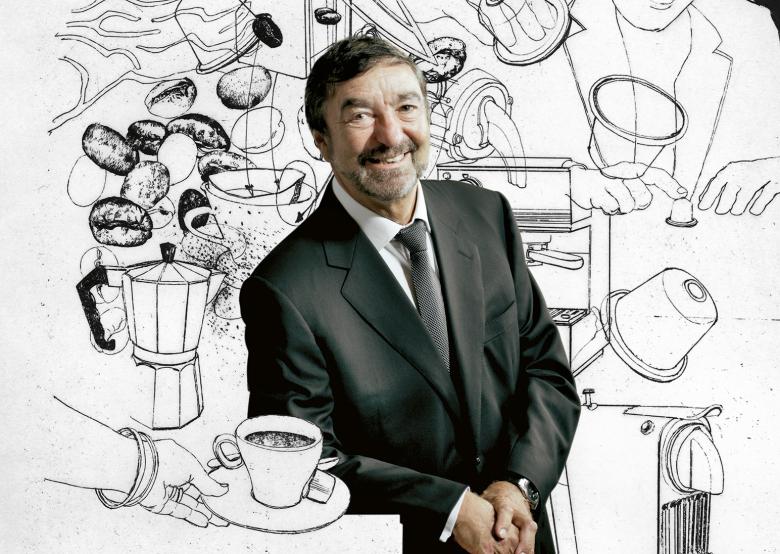
- Example: Nespresso and the Coffee Revolution
Before Nespresso, making high-quality espresso at home required expensive machines or barista-level skills. Nestlé’s Nespresso system changed this by introducing an easy-to-use capsule system, making premium coffee convenient, fast, and accessible. This innovation didn’t just make existing coffee drinkers happier—it created an entirely new market, leading to billions in revenue and expanding economic activity in packaging, machine manufacturing, and premium coffee production. - Why it matters: Innovation doesn’t just improve existing industries—it creates new ones, leading to job growth, investment, and increased consumer spending.
2. Markets and Entrepreneurship: Competition as a Wealth Engine
Entrepreneurs and businesses play a crucial role in turning ideas into wealth. They take risks, develop new products, and compete to offer better value to consumers. This competition forces efficiency and drives continuous improvements.
- Example: Apple vs. Samsung in the Smartphone Industry
The rise of smartphones is a perfect example of how competition fuels wealth creation. Apple’s iPhone revolutionized mobile technology, but its dominance didn’t go unchallenged. Samsung, through aggressive innovation and competition, developed cutting-edge features, leading to similar or better products, lower prices, and an explosion in the smartphone industry. - Why it matters: Healthy competition forces companies to improve, benefiting consumers while driving economic expansion.
3. Capital and Investment: Fueling Economic Expansion
Wealth creation isn’t just about ideas—it requires capital, or financial resources, to scale businesses, build infrastructure, and fund technological advancements. Investment is what transforms a great idea into a global enterprise.
- Example: Tesla and the Role of Investment in Scaling Innovation. Tesla started as a small electric car company, but it required massive investment in research, battery technology, and manufacturing to become a global leader. Investors poured billions into Tesla, betting on the future of electric vehicles. As a result, Tesla not only grew its market share but also accelerated the entire EV industry, creating wealth across supply chains, from battery manufacturers to charging infrastructure.
- Why it matters: Without capital investment, even the best ideas remain small-scale. Economic expansion depends on funding innovation and scaling businesses.
4. Labor and Skills: The Human Factor in Wealth Creation
Technology and capital alone don’t create wealth—people do. A skilled and educated workforce is essential for economic growth. As industries evolve, so do the skills required to maintain and grow them.
- Example: The Tech Boom and the Demand for Software Engineers
The rise of Silicon Valley illustrates how human capital drives wealth creation. As companies like Google, Amazon, and Facebook emerged, demand for skilled software engineers skyrocketed. Countries and cities that invested in STEM education and technical training saw higher incomes, stronger economies, and more job opportunities. - Why it matters: Economies that prioritize education and workforce development are better positioned to create and sustain wealth.
Wealth Creation in Action
Innovation, competition, investment, and skilled labor work together to generate wealth. A great idea (Nespresso) leads to business competition (Apple vs. Samsung), which attracts investment (Tesla), creating jobs and demand for skilled labor (tech boom). These forces shape economies, determining who thrives in the modern world.
In the next part, published on April 7 (found here), I tackle a crucial question: Once wealth is created, who gets what? We’ll also explore the challenges and debates surrounding wealth distribution, as well as the future of economic systems in an era of AI and automation—ultimately asking, what kind of economic future do we want to create?
© Francesc Borrull, 2025

 Francesc Borrull