
By Francesc Borrull · July 14, 2025
Today, we’re diving into a book that has profoundly shifted perspectives on personal finance for countless readers: The Psychology of Money: Timeless Lessons on Wealth, Greed, and Happiness by Morgan Housel. This isn’t your typical guide to stock picking or budgeting hacks. Instead, Housel explores the often-overlooked human behaviors, emotions, and biases that truly shape our financial lives. It’s a refreshing take that emphasizes the “soft skills” of money management, and today, we’re going to break down some of its most impactful lessons, working backward from what I believe are some of the most crucial takeaways.
1. The Genius of “Enough”: Knowing When to Stop Moving the Goalposts
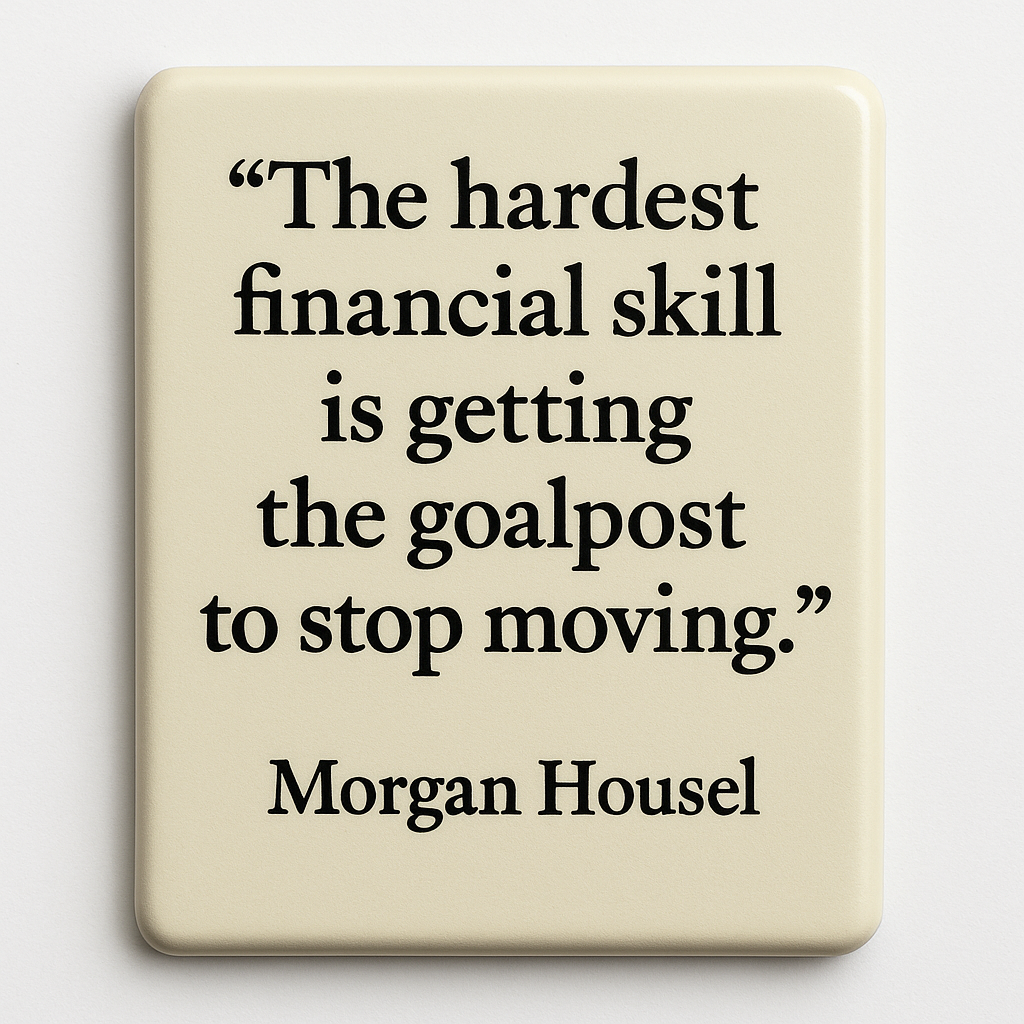
Morgan Housel delivers a mic-drop moment with this quote: “The hardest financial skill is getting the goalpost to stop moving.” This isn’t just about avoiding excess; it’s about defining “enough” for yourself. In a world constantly pushing us to accumulate more, the concept of knowing when you have sufficient wealth is incredibly powerful. It acts as a shield against the endless pursuit that often leads to greed, reckless decisions, and ultimately, ruin. True contentment and financial security come not from having everything, but from having enough to meet your needs and live the life you desire, without constantly chasing an ever-receding finish line.
2. The Power of Tail Events: Why the Extremes Matter Most
You might be surprised to learn that a small handful of events often dictate the majority of outcomes in finance, and in life. This concept is known as tail events. Think about it: a few wildly successful investments can overshadow a multitude of mediocre ones, just as a couple of catastrophic mistakes can erase years of careful planning. Housel highlights that our focus tends to be on the average, but it’s the outliers – the extreme successes and failures – that truly shape our financial destinies. Understanding this encourages us to prepare for the unexpected and to recognize the outsized impact of rare but powerful occurrences.
3. The Unstoppable Force: The Magic of Compound Interest
While it might seem simple, the power of compound interest is a consistent theme throughout the book. It’s the idea that small, consistent actions taken over a long period can yield far more significant results than short-term bursts of brilliance or luck. Think of it like a snowball rolling down a hill, gaining mass and momentum with every turn. Housel reminds us that patience, discipline, and the willingness to let your money grow steadily over time are often more effective strategies than trying to get rich quickly. Consistency truly is king when it comes to building wealth.
4. Embracing Humility: The Role of Luck and Risk
It’s easy to credit our successes solely to our own brilliance and to blame failures entirely on external circumstances. However, Housel eloquently argues that luck and risk play a significant and often underestimated role in financial outcomes. Recognizing this isn’t about diminishing your hard work; it’s about fostering humility. Some opportunities arise due to pure chance, and some setbacks occur despite our best efforts. Acknowledging the influence of these unpredictable forces allows for a more realistic and less emotionally charged view of our financial journeys.
5. True Riches: Wealth Is What You Don’t See
In a society obsessed with outward displays of prosperity, Housel offers a profound counter-narrative: true wealth is what you don’t see. It’s the money saved, the investments growing quietly, the financial security that affords you choices and freedom. Flashy cars, designer clothes, and extravagant homes are often indicators of spent money, not accumulated wealth. This simple yet powerful idea encourages us to shift our focus from conspicuous consumption to the less visible, but far more meaningful, act of saving and investing.
What Wealth Truly Is: A Deeper Dive into Financial Freedom
So, what is wealth, really? It’s not just about the numbers in your bank account or the assets you own. As Morgan Housel so brilliantly illustrates, it’s about the freedom and control you gain over your time and choices. Financial freedom isn’t about having enough money to buy everything you want; it’s about having enough to not have to do things you don’t want to do. It’s the ability to say “no” to a demanding job, to pursue passions, to spend more time with loved ones, or to simply enjoy the quiet moments of life without financial stress.
This profound understanding of wealth underscores its importance: it’s a tool that can unlock a life lived on your own terms. It’s the peace of mind knowing you can weather unexpected storms, and the joy of being able to contribute to causes you care about.
And finally, a personal reflection on the ultimate non-renewable resource: time. While wealth can be relative – what’s “rich” to one person might be “average” to another – time is universally precious and finite. We can earn more money, but we can never earn more time. When our time on Earth comes to an end, it’s not for lack of money, but for the ultimate depletion of our most valuable asset: the moments we have to live. Let this profound truth guide your financial decisions, allowing you to build not just a robust portfolio, but a rich and meaningful life, lived on your own terms, cherishing every irreplaceable moment.
© Francesc Borrull, 2025
 Francesc Borrull