By Francesc Borrull · August 11, 2025
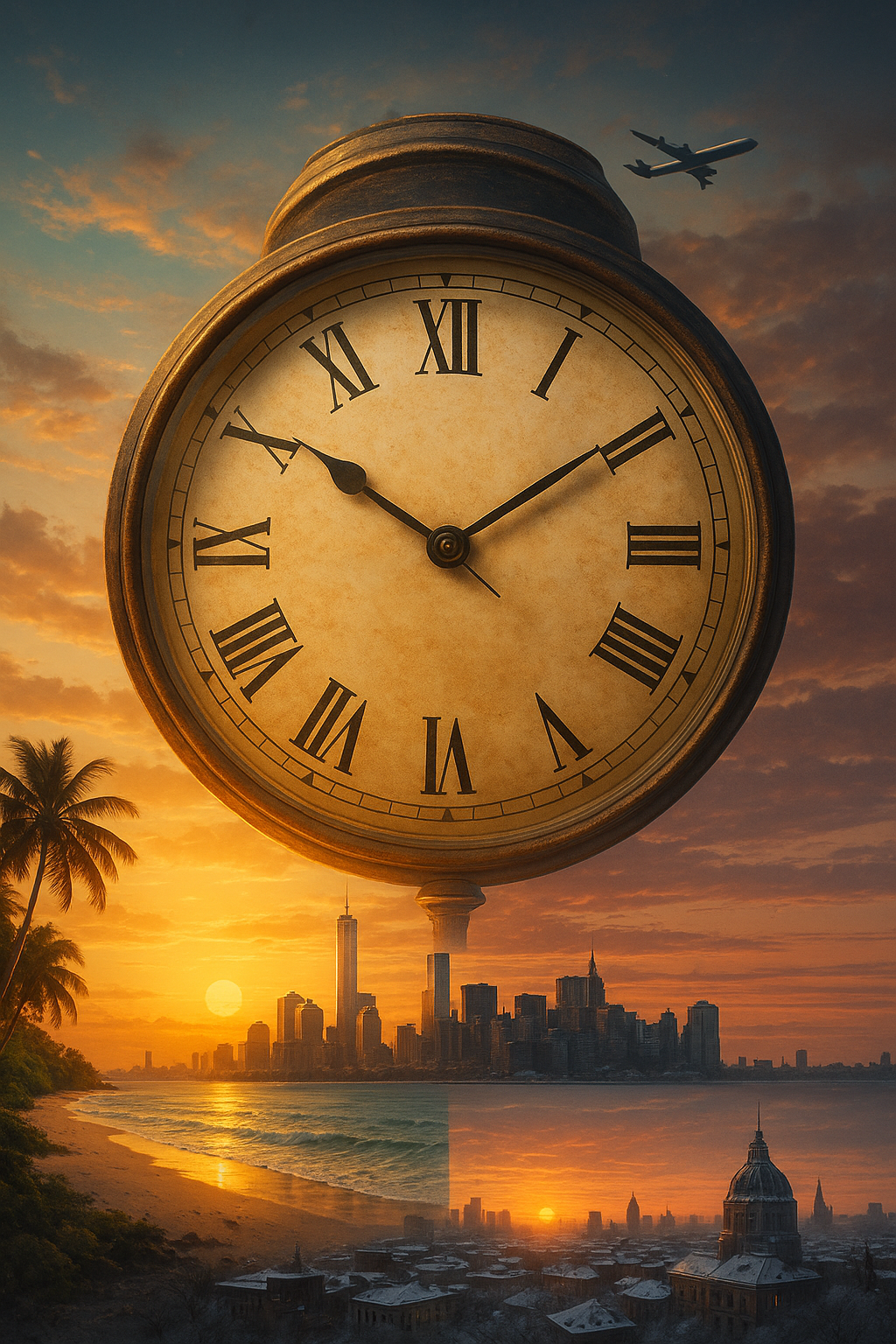
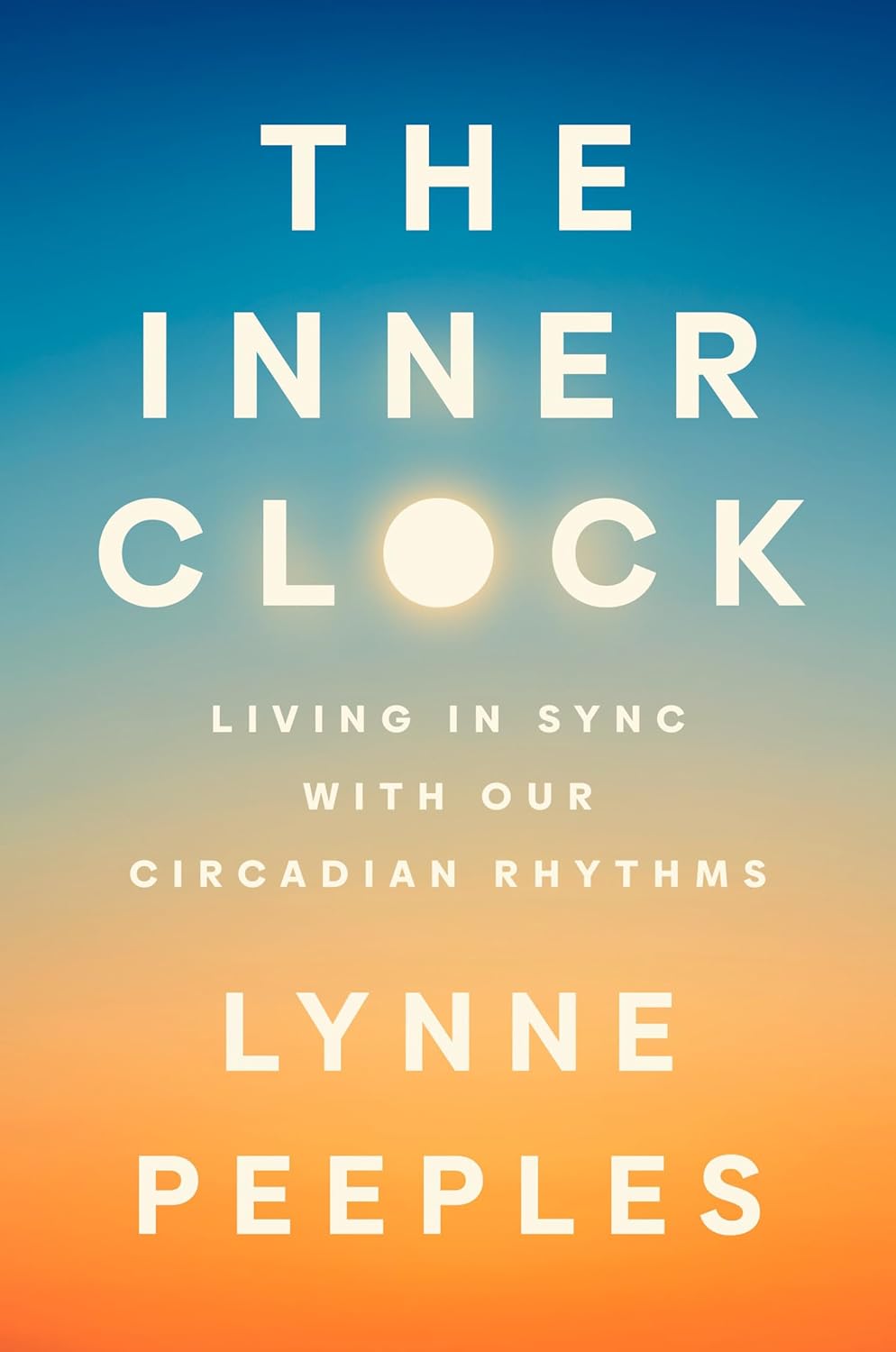
I picked up The Inner Clock by Lynne Peeples because circadian rhythms—how our internal clocks govern sleep, health, and well-being—are a topic that fascinates me deeply. However, I found the book’s writing style to be somewhat dense, repetitive, and lacking the clear, structured narrative I prefer. There was no chapter-by-chapter roadmap, nor a concluding synthesis after 13 chapters, which made the read feel unfinished and harder to digest.
Despite this, the scientific insights and stories within are invaluable. So in this post, I want to distill those key takeaways and combine them with my own lived experiences—especially my travel and cultural reflections—offering a personal lens on how circadian rhythms shape our lives.
From Mediterranean Sunshine to Chicago Winters: A Cultural and Biological Shock
When I moved from Barcelona to Chicago in 2002, I expected the snow and cold. What I didn’t expect was how deeply the lack of sunlight would affect me. Growing up in the Mediterranean, the sun is woven into our daily rhythm, identity, and joy. Long summer evenings linger until 9 or 10 p.m., and the sun feels like a constant companion.
Chicago’s winters, by contrast, were brutal. It was often dark before 5 p.m., and sometimes still dark when I left for work. There were entire days—sometimes weeks—when I never saw the sun. Leaving my apartment in darkness, spending all day indoors, and returning in darkness took a real toll on me—mentally, emotionally, physically. I felt disconnected, tired, unmotivated, and sometimes inexplicably sad.
Reflecting now, especially while reading The Inner Clock, I see how my circadian rhythm was completely unanchored. Millions of people, especially in northern cities, live like this every winter. Many don’t realize that what they feel is not just “winter blues” but a serious disruption caused by a broken photic environment.
The Caribbean Confusion: Eternal Summer, But Early Nights?
The sun’s behavior in the Caribbean confused me deeply. Coming from Barcelona, I was used to a clear seasonal rhythm: winter brings early sunsets, but summer evenings stretch late into the night. Mediterranean culture celebrates this with dinners at 9 or 10 p.m., enjoying long, golden evenings.
But in the Caribbean, the sun sets as early as 7 p.m., despite the heat and lushness of “eternal summer.” My brain struggled with this dissonance—warmth and sun usually meant long days, but here I was sweating in tropical heat while the sky darkened early. My inner clock felt cheated, out of sync.
This isn’t just biological but also deeply cultural and historical. The book shares a fascinating and little-known fact about Spain’s time zone:
“In a gesture of solidarity with the Nazis, for example, Spain pushed its clocks ahead in 1940 to match Germany. Every summer since, the sun rises as much as two hours later in Seville than in Berlin, despite their social clock reading the same time. This clock mismatch could explain why Spaniards famously eat dinner so late. The tradition might be more biological than cultural. It could also explain why the average Spaniard sleeps nearly one hour less than the average European.”
Traveling in Light and Time: Helsinki, Thailand, and Jet Lag
In summer 2023, a stopover in Helsinki, Finland, offered a stark contrast. After touring the city all day, we returned around 11 p.m., and it was still bright daylight. Exhausted but exposed to endless light, my body was confused, echoing the “midnight sun” phenomenon in northern latitudes. This experience made me appreciate how both extremes—too much light or too little—can disrupt our inner clocks.
Traveling to Thailand, near the Tropics, I noticed the day length remained nearly constant, roughly 12 hours of light and dark year-round. This is unlike Spain’s variable seasons and Mediterranean light culture, further highlighting how geography and culture shape our circadian expectations.
A particularly disorienting experience happened on my eastbound flight from Taipei to Chicago in summer 2025. I left Taipei at 8:00 p.m. on Tuesday local time and landed in Chicago at 9:00 p.m. Tuesday local time—only one hour ahead according to my watch. But the flight was about 15 hours long! During the flight, my fitness watch automatically recorded my steps as taken on Wednesday because it was synced to the time zone I was flying into next. However, when I landed in Chicago, my watch synced back to Tuesday, the actual local day, effectively “going back in time.” The steps taken during the flight appeared logged on Wednesday, even though it was still Tuesday in Chicago. This paradox perfectly illustrates the confusion jet lag and circadian mismatch can cause—where your body and devices don’t agree on what time it is.
Beyond adults and travelers, The Inner Clock highlights how disrupted circadian rhythms negatively affect children, particularly through early school start times. The book discusses how starting classes before 8 a.m. leads to widespread sleep deprivation among students, impairing their attention, mood, and academic performance.
As a public school educator with over 25 years of experience, I have witnessed this firsthand. This is yet another compelling reason why ending Daylight Saving Time and advocating for later school start times isn’t just a convenience—it’s a critical public health need.
The History and Controversy of Time Zones and Daylight Saving Time
I found the history of time zones deeply fascinating. Time zones were established in the 19th century to standardize train schedules and communication as rapid travel and telegraphy made local times chaotic.Daylight Saving Time (DST) was introduced in the U.S. in 1918 by the Standard Time Act, aiming to conserve energy during World War I by shifting clocks forward in spring and back in fall. However, the act was controversial and confusing, with patchy adoption by states and cities. Congress passed the Uniform Time Act in 1966 to standardize DST start and end dates, but states could still opt out.
DST remains divisive today. Scientific evidence shows the biannual clock changes disrupt our circadian rhythms, increase health risks like heart attacks and accidents, and cause widespread fatigue.
DST made sense in an era of coal and rigid schedules, but now it’s an outdated practice that harms health and well-being. Policymakers must heed the science and abolish DST permanently—letting our clocks, and bodies, stay stable year-round.
The U.S. is inching toward keeping clocks permanently one hour forward, adopting a form of “permanent daylight saving time,” much like Iceland, which does not change clocks seasonally. While this means more evening light, it raises questions about the effects on morning light and circadian health. The debate continues, but the momentum to end disruptive clock changes is clear.
Resetting Our Inner Clocks: Circadian Hygiene
The Inner Clock offers hopeful solutions to the circadian challenges we face in modern life. While technology is advancing rapidly—with innovations like circadian lighting systems that adjust color and brightness to mimic natural daylight cycles—these tools are only part of the answer. At the foundation lie simple, timeless habits that no gadget can replace:
- Get 20–30 minutes of natural daylight soon after waking to signal your brain that the day has begun.
- Dim lights and avoid screens after dusk to cue your body that it’s time to wind down.
- Eat dinner at least three hours before bedtime to align your metabolism with your sleep cycle.
These small but powerful practices can dramatically improve sleep quality and overall health.
Final Thoughts
Reading The Inner Clock has profoundly deepened my understanding of how intimately our health, well-being, and daily lives are connected to natural rhythms of light and time. It’s clear that light isn’t just something we see — it’s a powerful biological signal that shapes our sleep, mood, metabolism, and even our culture.
My personal journey—from the sunlit streets of Barcelona to the dark winters of Chicago, and through travels across vastly different time zones and latitudes—has brought this reality into sharp focus. The disorientation I felt from prolonged darkness, the surprise of endless daylight in Helsinki, and the cultural quirks tied to Spain’s historic time zone decisions have all illustrated how much our internal clocks depend on—and are sometimes challenged by—the world around us.
While the book’s writing was often dense and meandering, its scientific insights are invaluable. More importantly, it offers hope: through a combination of simple, foundational habits like getting morning light, dimming evenings, and timing meals, paired with advancing technologies such as circadian lighting, we have the tools to reset and protect our inner clocks.
It’s also clear that the old ways of marking time—like biannual Daylight Saving Time—are outdated and harmful, disrupting our biology and daily functioning. Advocacy for abolishing such practices and adopting schedules more in tune with human rhythms, including later school start times, is more urgent than ever.
My hope is that these reflections inspire you—not just to learn about circadian science, but to take small, meaningful steps in your own life to live more in sync with your inner clock. Because in our fast-paced, around-the-clock world, reconnecting with these natural cycles is not a luxury, but a necessity for health, happiness, and balance.
© Francesc Borrull, 2025
 Francesc Borrull