
By Francesc Borrull · October 6, 2025
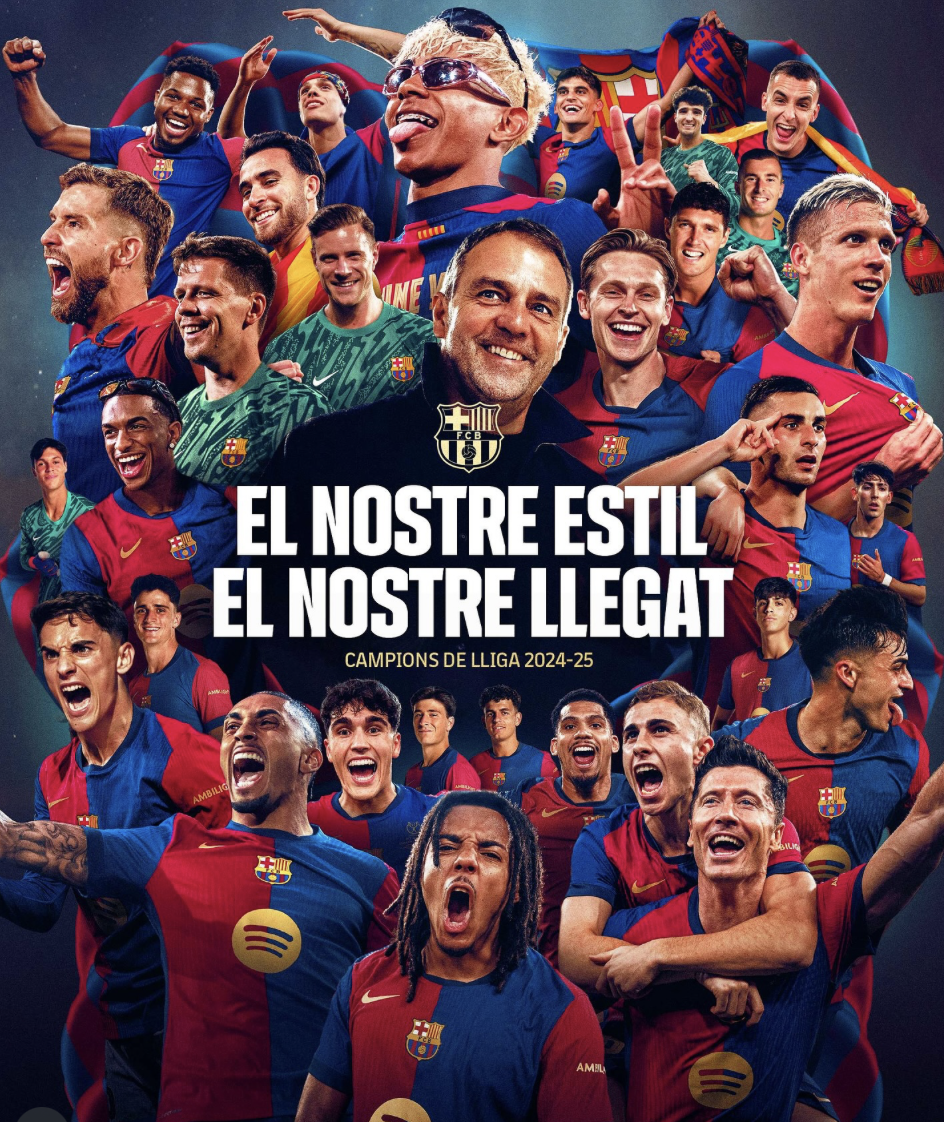
I am from Barcelona. I am a Barça fan. And let me be crystal clear: I really, really enjoy football. I’ve been a fan since I could say my first words. Where I come from, football is like religion, the pulse of daily life, the shared language of millions. And no, I refuse to use the word soccer. That is a word Americans use, and only in the U.S. For me, for us, it is football.
This post was born out of a simple but brilliant question my wife asked me the other day while we were watching Barça’s 2–1 victory over Real Sociedad. Thanks to that win—and Madrid’s 5–2 loss the day prior—Barça moved to the top of La Liga. Her question was: why are Barça and Madrid always at the top?
My quick answer: money. They have the best players because they have the most money. For every position, Barça and Madrid have not just one but two elite players. Their benches are full of world-class internationals, players who would be stars at any other club but wait for their chance in the Camp Nou or the Bernabéu. Real Sociedad, Sevilla, Betis, Valencia, Athletic Club—they all have talented squads, but their depth cannot compare.
But the more I thought about it, the more I realized that her question opens the door to a deeper truth: football clubs like Barça and Madrid are not just teams. They are global marketing machines. They are corporate tools, branding engines, symbols that sell.
The Business Behind the Game
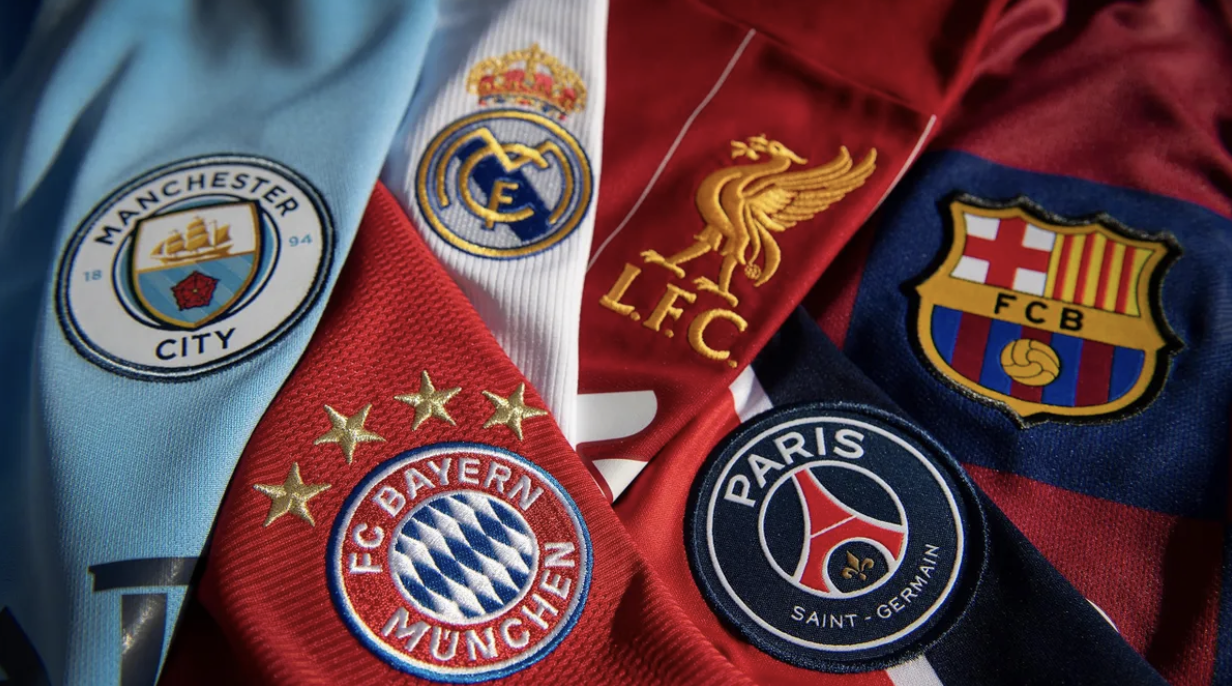
Franklin Foer’s book How Football Explains the World: An Unlikely Theory of Globalization shaped my thinking years ago. In it, Foer shows how football clubs mirror politics, culture, and above all, economics. Clubs are not merely sporting entities; they are avatars of global capitalism. The global reach of teams like Barça, Madrid, PSG, or Manchester City is less about their sporting tradition and more about the way they’ve been packaged, branded, and sold to billions.
And then there is FIFA. The Netflix documentary FIFA Uncovered (2022) exposes the corruption that has long plagued world football’s governing body. The scandals, the arrests, the shady deals—it all shows what Diego Armando Maradona said decades ago: FIFA is corrupt to the bone. Maradona was mocked for saying it, but he was right. The game has been hijacked not by sport but by money.
The sad reality is this: football is not run by passion or fair play. It is run by corporations. By sponsors. By ad revenue.
Jerseys, Sponsorships, and Profits
Take the football jersey. A Barça shirt sells for $150 at retail. Why? Because fans will pay it. Jerseys come in two categories: “replica” (the fan version, usually $75–$95) and “original” (the version the players actually wear on the pitch, $150 or more). Nike, Barça’s sponsor, manufactures those jerseys in Thailand. Even in Thai stores, the replicas are sold for $75—an absurd price in a country where most locals can’t afford them. But at the street markets in Bangkok or Chiang Mai, I buy the exact same replica jerseys, brand new with tags, for $10–15. The only difference between the market and the official shop is the price tag—and the marketing that convinces people to pay five to ten times more.
Now do the math. Real Sociedad sells jerseys mostly to local fans in Donosti in the Basque Country. Barça, Madrid, Bayern, PSG, and Manchester United sell jerseys by the millions worldwide. Mbappé’s Madrid number 10 or Lamine Yamal’s Barça number 10 are not just kits—they are global commodities. Each shirt is money in the pocket of Nike or Adidas, the clubs, and the players themselves.
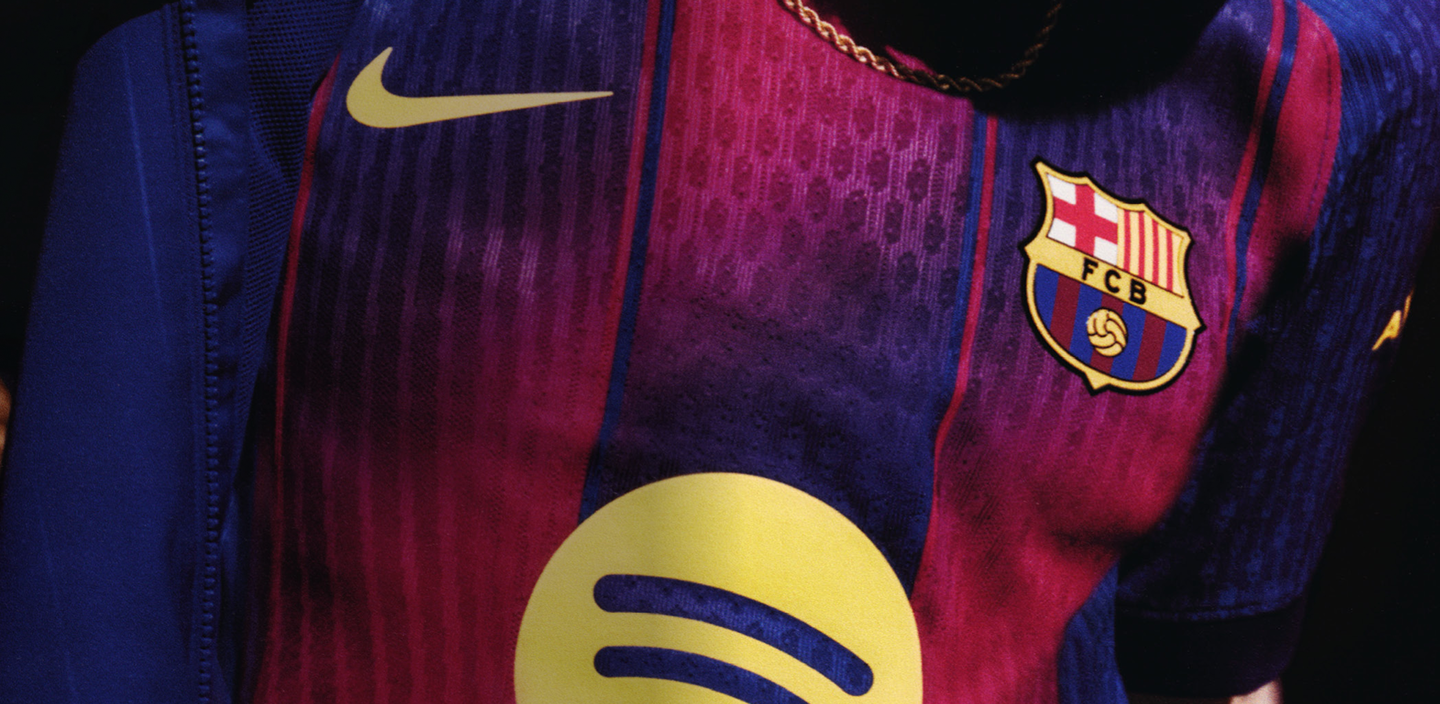
And the shirt is only the beginning. Sponsorship is everywhere. Barça’s Spotify logo. PSG’s Qatar Airways. Manchester City’s Etihad. Liverpool’s Standard Chartered. These are not random names; they are global corporations attaching themselves to football’s aura, using clubs as marketing platforms. When you think Barça, you also think Spotify. That is not accidental—it’s branding.
Ads Everywhere
And then there’s the actual broadcast. Watching the match on ESPN+, I couldn’t help but notice the ads. Modelo beer sponsors the “extra time” graphic. Heineken brands the UEFA Champions League. Betting companies plaster their names on every surface of the stadium. Ads are everywhere.
The match itself—the passes, the goals, the saves—is the bait. The real business is the commercial breaks, the logos, the sponsorships, the corporate associations.
Nowhere is this clearer than in the United States. The Super Bowl is supposed to be the pinnacle of American football. But what do most people talk about? Not the touchdowns. Not the tactics. The halftime show. The commercials. Companies spend millions to air the “best” ad of the year. The next day, water coolers and news shows buzz about the commercials more than the game. This is capitalism on steroids, and global football is heading the same way.
Conclusion: More Than a Game
So when my wife asked me why Barça and Madrid dominate, the simple answer was money. But the deeper answer is this: these clubs are marketing empires. They are corporations disguised as teams. Their success is not only built on talent but on branding, sponsorship, and global consumer reach.
I am a Barça fan. I love the game, the goals, the artistry of players like Lamine Yamal, Messi, Iniesta, Ronaldinho, or Xavi. Football is joy, passion, and memory. But I am not naïve. I know the beautiful game is also big business. And in this business, marketing is king.
What do you think? Is football still about the sport—or has it become just another corporate product?
© Francesc Borrull, 2025
 Francesc Borrull