
By Francesc Borrull · February 23, 2026
I. The Paradox That Shouldn’t Exist
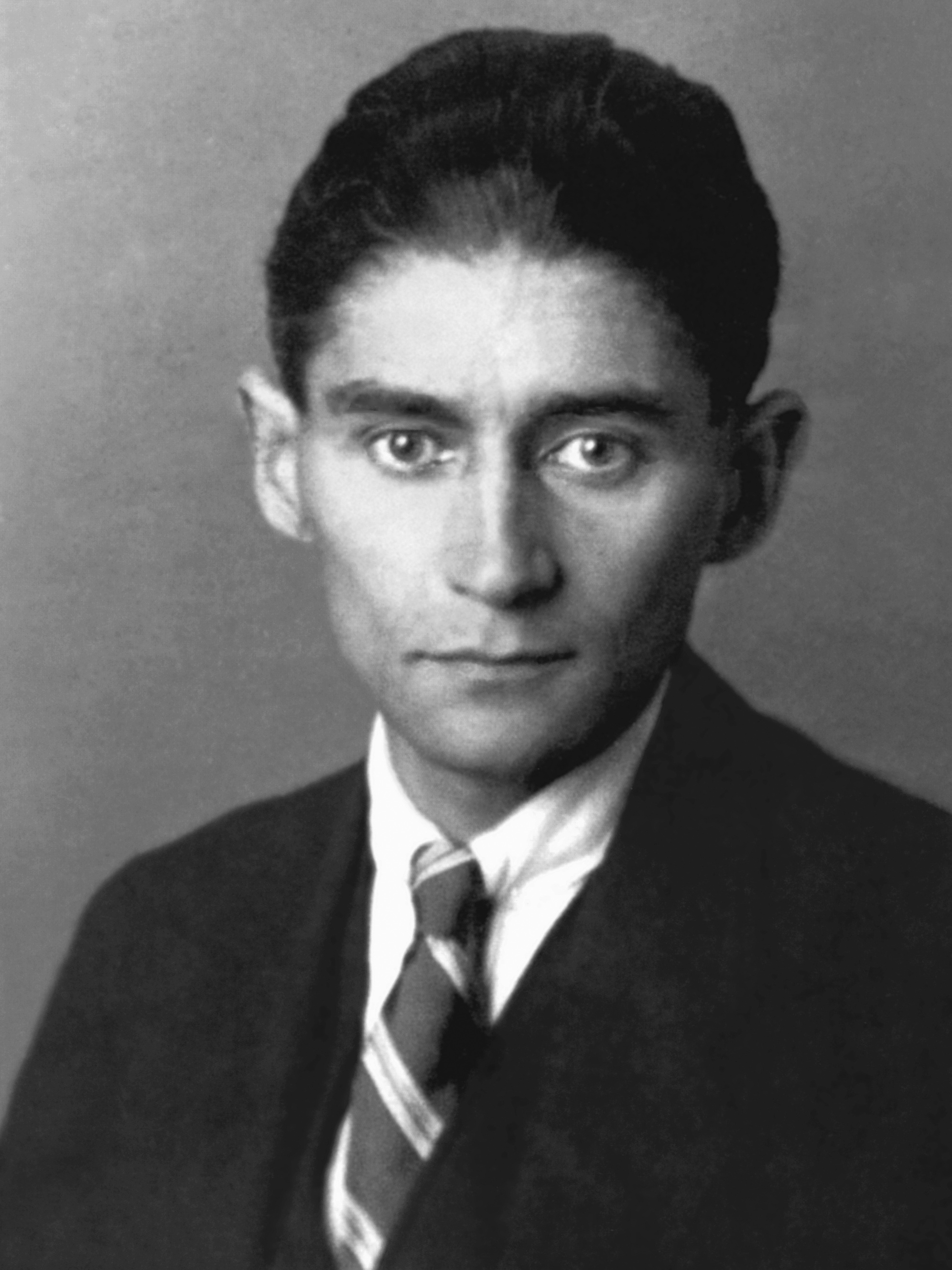
Franz Kafka (1883–1924) presents one of the great paradoxes of modern literature: a writer with a remarkably small body of work, much of it unfinished, who published little during his lifetime and remained almost unknown while alive. He did not leave behind a monumental collection of finished volumes, but rather unfinished novels, a concentrated group of short stories, diaries, and fragments.
And yet, from this limited output emerged not only a canonical author but an adjective: Kafkaesque. Few writers have achieved something so radically out of scale with their actual production.
This disproportionality is not incidental. It is the first clue. Kafka’s importance does not derive from quantity, ambition, or even completion, but from precision: from having touched something so exact in the modern psyche that it required a name of its own.
II. Diagnosis Over Prophecy
Kafka is often described as prophetic—a writer who foresaw the totalitarian bureaucracy and legal terror of the twentieth century. This reading is understandable, but incomplete.
Kafka did not predict historical outcomes; he identified the logic that would later make those outcomes feel inevitable. Long before history hardened into institutions, he grasped the inner mechanics of authority operating without transparency and law without justice. His work does not imagine dystopias; it renders the interior realism of living under guilt, obligation, and opaque power.
This is why Kafka is so often misread as surreal. His worlds are not dreamlike. They behave exactly as the inner life behaves when one is trapped inside it. The strangeness is not external. It is structural.
III. The Grammar of Anxiety: An Invitation to Read
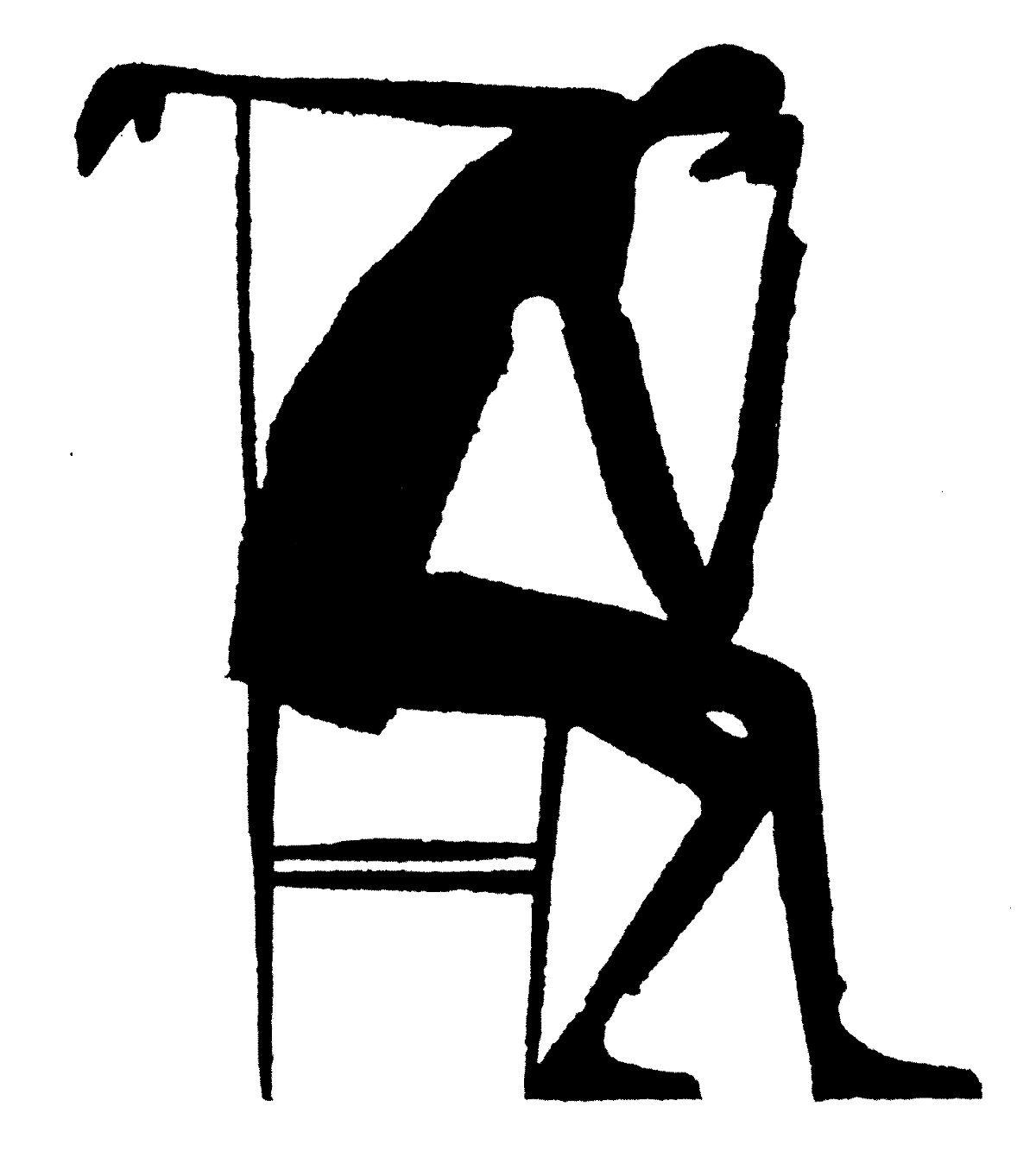
Kafka is not a writer one should approach indiscriminately. Each work applies a different kind of pressure. To understand his achievement, one must look at how each text isolates a specific mechanism of modern experience—how anxiety, in Kafka, follows rules. How it acquires syntax.
1. The Entry Point: The Metamorphosis
Why it matters: The body as verdict.
The logic is brutally simple: family love collapses under the weight of inconvenience; identity becomes purely functional.
This grammar is anchored in the domestic exactness of the middle of the story. Gregor Samsa listens from his bedroom as his sister—who once loved him—pushes a bowl of food toward him with a rag. His presence has become a chore to be managed, a problem of hygiene approached with pity and revulsion. No explanation is offered. None is needed.
The Metamorphosis is precise precisely because it is domestic. It demonstrates that alienation does not begin in grand systems, but at home.
2. The Prelude: Amerika
Why it matters: Alienation without guilt.
This is Kafka before full metaphysical darkness sets in. The nightmare here is social, not yet cosmic. Authority is arbitrary but not internalized. Karl Rossmann is expelled, not condemned.
Amerika matters because it preserves a naïveté Kafka would later annihilate. It shows displacement as a condition of modern life before guilt hardens into ontology. It is the least Kafkaesque of the novels—and for that reason, essential.
3. The Distillation: Major Stories
(“In the Penal Colony,” “A Hunger Artist,” “Before the Law”)
Why they matter: Allegory without release.
Here, violence becomes procedural; art becomes self-annihilation; law becomes pure form. These stories are Kafka’s philosophical laboratories. Each isolates a single mechanism—punishment, obedience, artistic devotion—and pushes it until it breaks. There is no redemption in these texts. They do not resolve. They clarify. Owning a copy of The Complete Stories is essential for dipping into these experiments.
4. The Core: The Trial
Why it matters: Guilt without crime.
The governing logic is merciless: accusation precedes explanation; law exists, but justice does not.
This logic is embodied immediately. Josef K. wakes on his thirtieth birthday expecting breakfast and finds two warders in his bedroom who have already eaten his meal. The law does not arrive with a warrant; it arrives with an appetite and an assumption of guilt.
This is Kafka’s central ethical nightmare: responsibility without agency. The Trial defines modern anxiety so completely that later writers spend their careers footnoting it. It is not a book one “has.” It is a book one circles.
5. The Endgame: The Castle
Why it matters: Hope as torment.
Access is promised but never granted; power is distant, sleepy, and procedural.
Consider the telephone scene, when K. attempts to contact the Castle and hears only a hum—a chaotic, indifferent noise that signifies everything and nothing. It is the sound of an authority that does not even bother to be coherent.
Where The Trial is vertical—judgment from above—The Castle is horizontal: endless deferral. Existence becomes a permanent waiting room. Leave this book for later. It belongs to a stage of life when endurance and deferred promises are no longer abstractions.

IV. Purity, Restraint, and Moral Precision
As these works demonstrate, Kafka’s prose is famously clean. The sentences are simple. The vocabulary is controlled. The effect is crushing.
There is no padding in Kafka. No ornamental flourish. No indulgence. Writing, for him, was not expression but exposure. He refused to soften the verdict or aestheticize despair, which is why his work feels ethical rather than merely bleak.
Kafka wrote as if every sentence had to justify its existence.
V. The Posthumous Nightmare
Kafka’s legacy is itself Kafkaesque.
He asked for his manuscripts to be destroyed. He did not curate his afterlife. His survival as a writer depends on an act of disobedience. Max Brod ignored Kafka’s instructions and published the work.
The writer who exposed bureaucratic nightmares became subject to one after death. Even Kafka’s legacy obeys Kafka’s logic.
There is no clean resolution here. Only irony layered upon irony.
VI. The Personal Turn: Kafka as a Benchmark
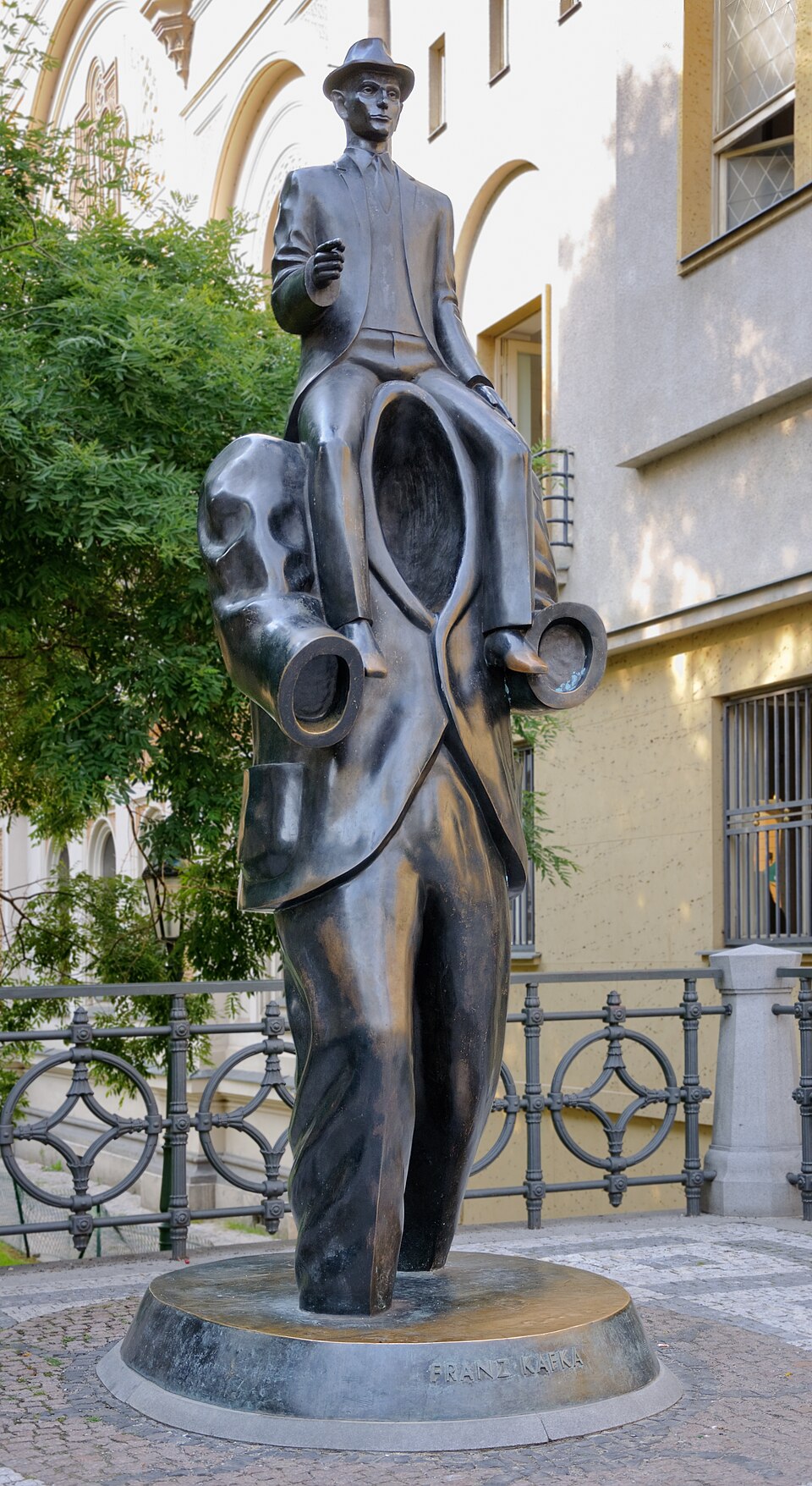
At this stage of my life and work, Kafka is no longer merely an influence; he is a benchmark.
When I am tempted to explain too much, when restraint feels insufficient, when clarity feels lonely, Kafka stands there. He offers no comfort and no answers—only precision.
He matters because he reminds us that seriousness does not require scale, that truth does not need permission, and that writing can remain honest even when it refuses consolation.
VII. Precision Over Comfort
Kafka proves that literary greatness is a matter of precision: of touching the nerve so exactly that generations continue to flinch in the same place. He wrote only what could not be avoided.
Each work answers a question the modern world cannot resolve. What if guilt comes first? What if access is always promised but never granted? What if perseverance itself is the trap?
Kafka’s achievement was not to describe anxiety, but to make it legible—to give it structure, repetition, and syntax. That is not a bibliography. It is a moral architecture.
Kafka never claimed to be right. He only refused to lie.
He leaves us in the hallway not because he is cruel, but because he is honest about the distance between the seeker and the goal. The door was made only for you, yet it remains closed. We stand before it not in despair, but in a state of absolute, clarified attention.
© Francesc Borrull, 2026
 Francesc Borrull
