
By Francesc Borrull · March 25, 2024
Introduction
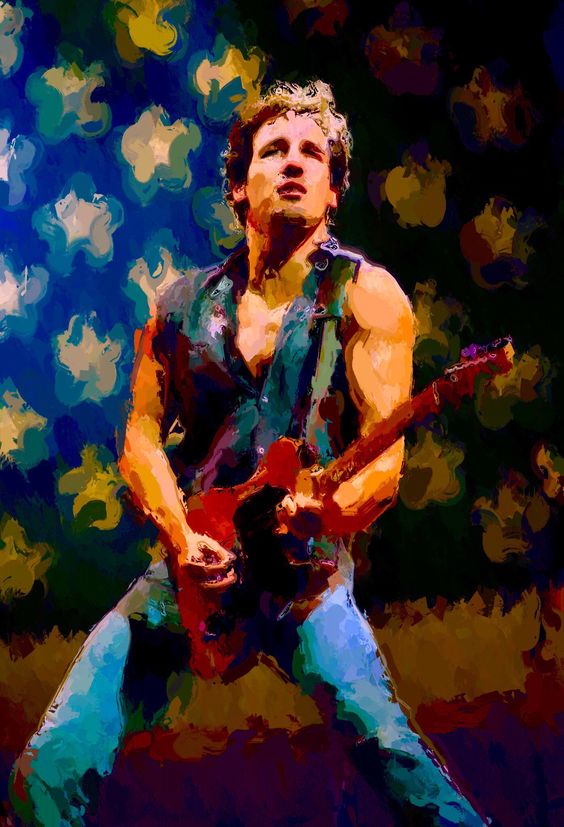
In the vast tapestry of my musical journey, one artist has been a steadfast companion, an ever-present resonance that has woven itself into the fabric of my life — Bruce Springsteen. From the moment I first heard his soulful voice at the tender age of 11, I embarked on a musical odyssey through genres as diverse as classical, opera, jazz, and classic rock. Yet, amidst this eclectic tapestry, Springsteen’s artistry emerged as a guiding force, a loyal sonic companion that transcended boundaries.
This chronicle delves into the heart of Bruce Springsteen’s discography, presenting a curated selection of my top 10 favorite albums that have not only shaped the musical landscape but have also colored my personal journey. As a devoted fan who has traversed multiple countries to attend Springsteen’s concerts, the resonance of his lyrics, the anthemic melodies, and the charismatic performances have become ingrained in the soundtrack of my life.
Springsteen’s musical evolution is nothing short of extraordinary. From the early days of The E Street Band, where the wild, innocent spirit of “The Wild, the Innocent, and the E Street Shuffle” (1973) first emerged, to the pinnacle of rock ‘n’ roll stardom with “Born to Run” (1975), his journey is a testament to artistic growth and cultural impact. Each album becomes a chapter, a snapshot of Springsteen’s exploration of love, loss, societal struggles, and the very essence of the American experience.
In this exploration, we will navigate through the landscapes of albums that mirror the artist’s evolution—from the gritty realism of “Darkness on the Edge of Town” (1978) to the stripped-down, acoustic brilliance of “Nebraska” (1982). The commercial juggernaut “Born in the U.S.A.” (1984) and the introspective “Tunnel of Love” (1987) showcase the multifaceted nature of Springsteen’s storytelling.
This journey extends through the socially charged narratives of “The Ghost of Tom Joad” (1995) and the post-9/11 reflection in “The Rising” (2002). Finally, we arrive at the poignant and nostalgic “Letter to You” (2020), where Springsteen reunites with The E Street Band, capturing the essence of mortality and the enduring power of his storytelling.
Bruce Springsteen’s discography is not just a collection of albums but a symphony that resonates with the ebb and flow of life. It is an exploration of a master storyteller whose impact goes beyond the boundaries of time and genre, offering a personal and collective soundtrack that accompanies us on the journey of life.
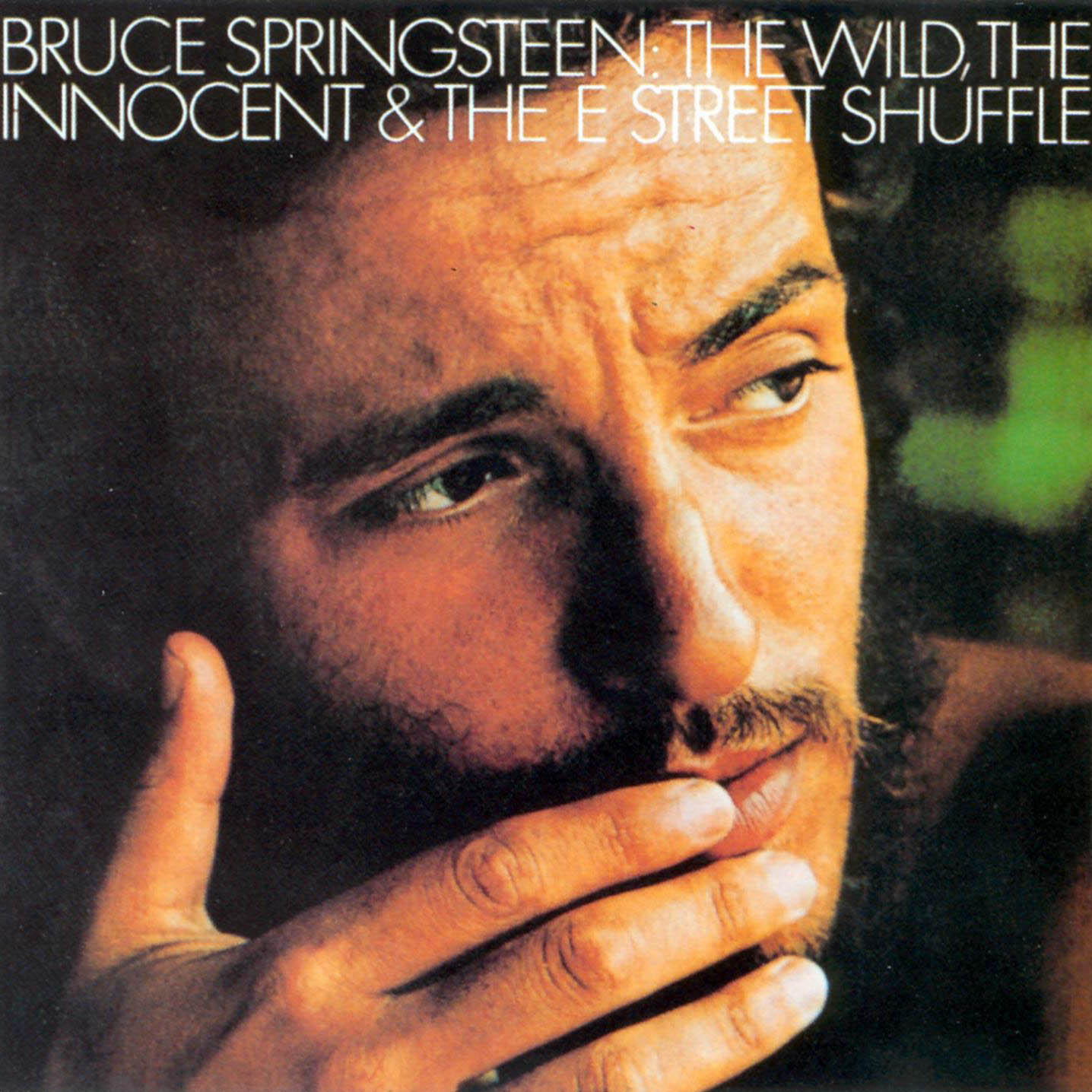
The Wild, the Innocent, and the E Street Shuffle (1973)
Released in 1973, “The Wild, the Innocent, and the E Street Shuffle” stands as a pivotal moment in Bruce Springsteen’s musical journey, marking the early stages of his exploration of the dynamic sound that would become synonymous with the E Street Band. This album, often considered a hidden gem in Springsteen’s discography, serves as a testament to his evolving artistry and storytelling prowess.
The album opens with the infectious energy of “The E Street Shuffle,” a track that introduces us to the vibrant characters and neighborhoods that would become staples in Springsteen’s lyrical landscape. From the exuberant chaos of “Rosalita (Come Out Tonight)” to the urban poetry of “Incident on 57th Street,” each song within the album contributes to a rich and diverse musical tapestry.
“4th of July, Asbury Park (Sandy)” showcases Springsteen’s ability to create a cinematic experience through his lyrics, transporting listeners to the iconic boardwalk and capturing the essence of a summer night. The sprawling compositions of “New York City Serenade” bring the album to a grandiose conclusion, highlighting Springsteen’s ambition to craft epic narratives within the confines of a single song.
The album’s sonic diversity, from jazz-inspired interludes to rock anthems, lays the groundwork for the E Street Band’s distinctive sound. The intricate arrangements and layered instrumentation hint at the collaborative magic that would define Springsteen’s future collaborations with the band.
In retrospect, “The Wild, the Innocent, and the E Street Shuffle” foreshadows the artistic heights Springsteen would reach in his career. It serves as a captivating snapshot of a young artist on the cusp of greatness, experimenting with musical boundaries and honing the craft of storytelling that would become the hallmark of his enduring legacy.
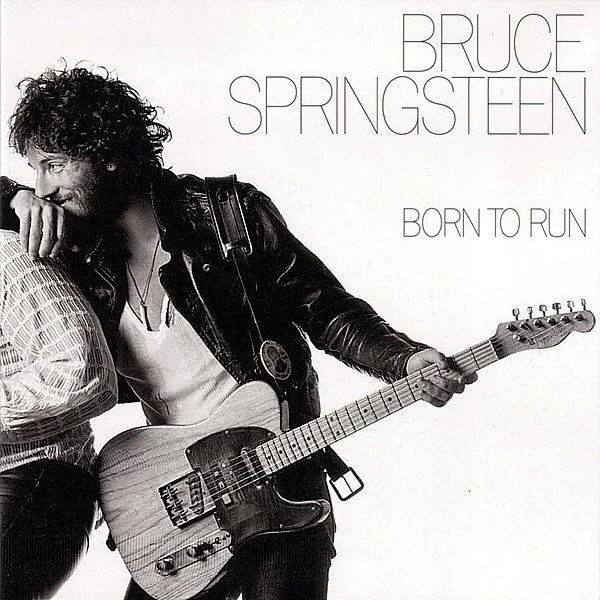
Born to Run (1975)
Considered by many as a masterpiece, “Born to Run” stands as a seismic force that catapulted Bruce Springsteen to rock ‘n’ roll stardom. The title track, an anthem of youthful rebellion, encapsulates the album’s spirit, serving as a rallying cry for those yearning to break free from the constraints of everyday life. However, within this opus lie two tracks, “Thunder Road” and “Jungleland,” that shine as brilliant gems, each adding a unique layer to the album’s narrative.
“Thunder Road” serves as the opening chapter, setting the stage for the sonic journey that follows. The song is a cinematic experience, with Springsteen’s lyrics painting a vivid picture of small-town dreams and aspirations. The juxtaposition of hope and desperation in the face of the unknown creates an emotional resonance that reverberates throughout the album. The gradual build-up, the soaring harmonica, and the iconic saxophone solo contribute to the timeless allure of “Thunder Road,” making it a quintessential piece in the Springsteen canon.
On the other end of the spectrum, we find “Jungleland,” a sprawling epic that concludes the album on a grandiose note. The song is a sonic tapestry, weaving together various musical elements to create a dramatic and poignant narrative. The intricate piano work, the soul-stirring saxophone solos, and Springsteen’s impassioned vocals elevate “Jungleland” to a level of storytelling rarely achieved in rock music. The tale of love, loss, and redemption unfolds over the course of this epic track, leaving an indelible mark on the listener’s soul.
As a testament to the enduring power of “Born to Run,” one can imagine that 100 years from now, the title track will continue to resonate as the quintessential anthem, the one melody that echoes through the ages and becomes synonymous with Bruce Springsteen’s enduring legacy.
Behind the scenes, the album’s creation is a tale of both perseverance and innovation. Composed in its entirety on piano by Bruce Springsteen, the sessions for “Born to Run” took what seemed like forever to complete, driven by a relentless pursuit of sonic perfection and the realization of Springsteen’s vision for a monumental “Wall of Sound.” This production approach, inspired by Phil Spector’s dense and layered arrangements, added an extra layer of complexity to the recording process, contributing to the extended timeline.
The inclusion of Jon Landau as a co-producer became a pivotal moment in the album’s evolution. The meeting between Bruce and Landau marked the beginning of a profound collaboration. Landau’s famous declaration, “I saw the future of Rock N Roll and his name is Bruce Springsteen,” not only solidified their partnership but also added an invaluable perspective to the production process. The synergy between Springsteen’s artistic vision and Landau’s keen insight into the future of rock music propelled “Born to Run” beyond the realm of a standard album and into the annals of iconic masterpieces.
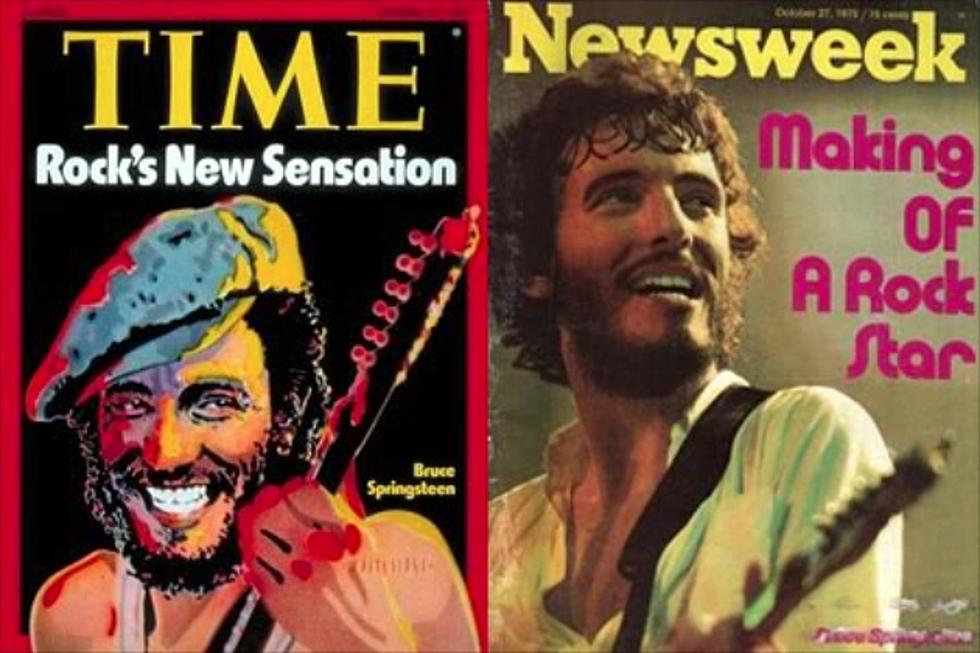
Moreover, the covers of TIME and NEWSWEEK magazines featuring Springsteen underscored the cultural significance of the album. These iconic covers, showcasing Springsteen against a backdrop of the American flag, elevated him to a symbol of hope and aspiration during a tumultuous era. The convergence of artistry, innovation, and cultural impact within “Born to Run” solidified its status as a groundbreaking achievement in the history of rock music.
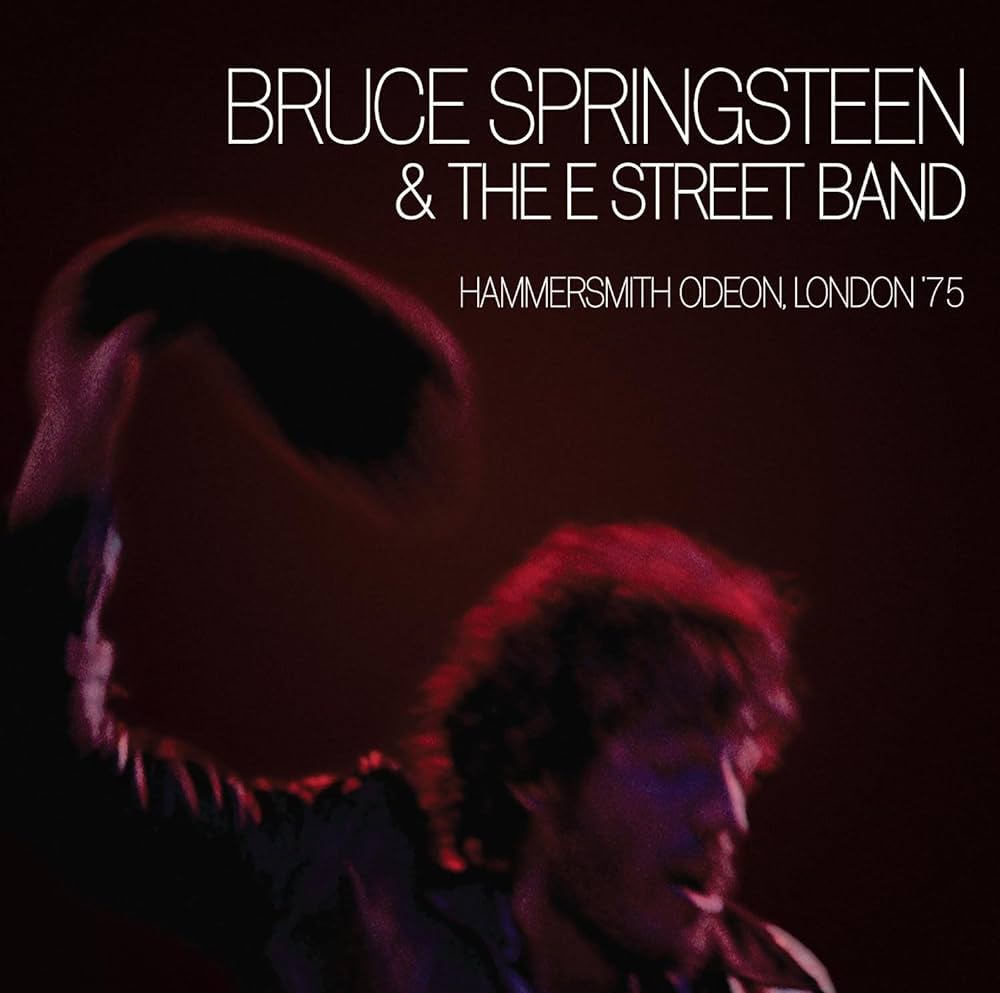
The release of “Hammersmith Odeon, London ’75” (2006) serves as a testament to the monumental, epic, and absolutely amazing live performances that Springsteen was already putting together as early as 1975. These live recordings capture the raw energy, passion, and showmanship that would later become synonymous with Springsteen’s legendary concerts, showcasing a glimpse into the live magic that would define his career for decades to come.
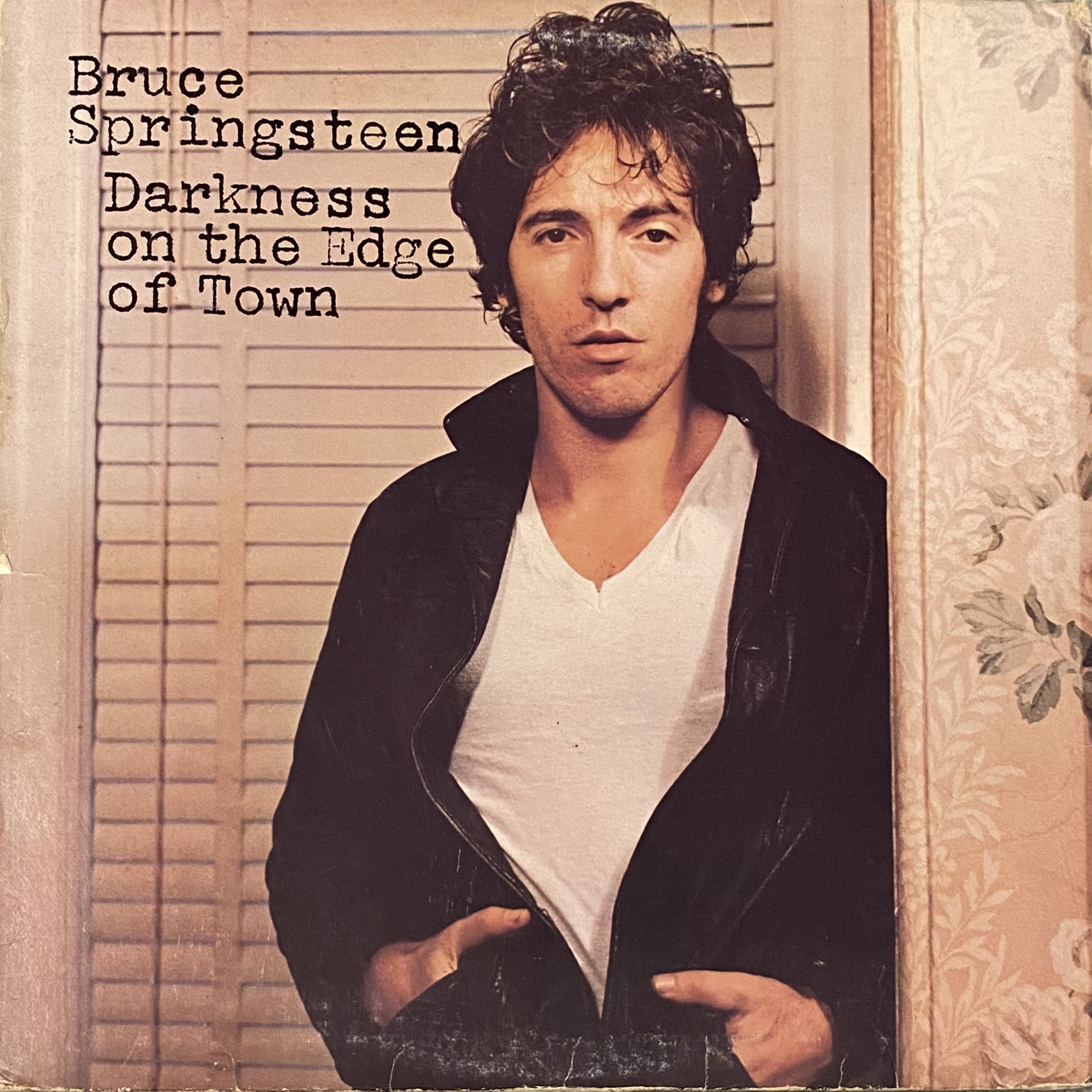
Darkness on the Edge of Town (1978)
Following legal battles that kept him out of the studio, Springsteen triumphantly returned with “Darkness on the Edge of Town.” This marked a pivotal moment in his career, as the album signaled a departure from the exuberant spirit of his earlier works. Instead, it delved into darker, more mature themes, unveiling a grittier and introspective side of Springsteen’s songwriting.
The challenges faced during the legal battles infused a sense of urgency and resilience into the album. “Darkness on the Edge of Town” is not just a collection of songs but a testament to Springsteen’s tenacity and unwavering commitment to his craft. As the title suggests, the album navigates the shadows of life, exploring the complexities of relationships, the struggles of the working class, and the pursuit of the elusive American Dream.
Within this sonic landscape, tracks like “Badlands” and “The Promised Land” stand out as anthems of resilience, capturing the essence of Springsteen’s lyrical and musical evolution. The relentless, driving rhythm of “Badlands” and the haunting narrative of “The Promised Land” showcase the maturation of Springsteen’s storytelling, marking a shift towards a more mature and reflective narrative style.
For a more comprehensive exploration of “Darkness on the Edge of Town,” I invite you to check out my in-depth review and musical analysis in the post titled “Darkness on the Edge of Town: An In-Depth Review and Musical Exploration.” There, we delve even further into the nuances of each track, uncovering the layers of emotion and meaning embedded in this pivotal album in Bruce Springsteen’s illustrious career.
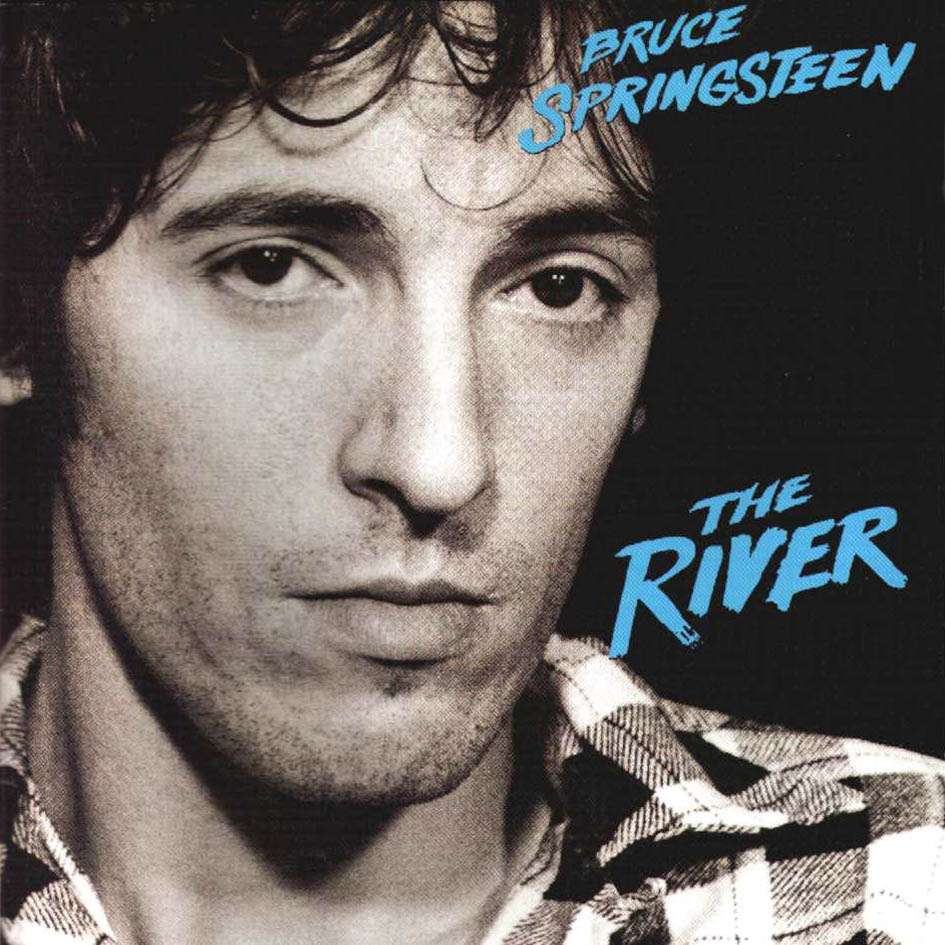
The River (1980)
“The River” unfolds as a magnum opus, a sprawling double album that delves deep into the complexities of life, love, and the relentless struggle for identity. This monumental undertaking showcases the sheer dedication and artistic prowess of Bruce Springsteen and the E Street Band. As a double album, it transcends mere musicality, embodying a journey through the heart of the American experience.
The effort invested in “The River” is monumental. Bruce Springsteen, renowned for his meticulous approach to storytelling, pours his heart and soul into each track. Among the album’s standout moments is the eponymous track, “The River,” a poignant narrative that strikes a deeply personal chord. This song, which addresses the challenges faced by Springsteen’s sister and her partner, adds an extra layer of emotional depth to the album.
From the radio-friendly anthem “Hungry Heart” to the haunting introspection of “Independence Day,” each track is a carefully crafted piece contributing to the overarching narrative. The album’s capacity to forge an intimate connection with the listener is unparalleled. Springsteen, with his poetic lyricism and emotive delivery, invites us to navigate the intricacies of the American experience alongside him.
“The River” stands not just as an album but as a monumental achievement in the history of rock music. The commitment, creativity, and collaborative spirit that went into crafting this double album showcase the depth of Bruce Springsteen’s artistic vision and the enduring legacy of the E Street Band.
Nebraska (1982)
A departure from the E Street Band sound, “Nebraska” stands as an acoustic masterpiece, offering a raw and intimate glimpse into Bruce Springsteen’s storytelling prowess. The genesis of this album is as fascinating as its sonic landscape. Conceived during a period of solitude, Springsteen recorded demos at home using a basic four-track cassette recorder. However, technical limitations prevented the remastering of these tapes, and the decision was made to release the demos as they were, capturing the authentic essence of the initial recordings.
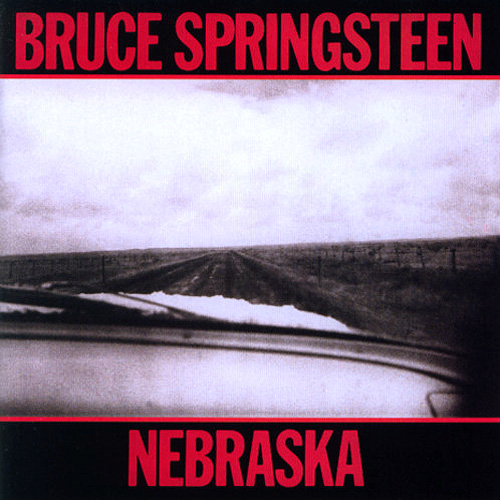
The haunting cover art, featuring a stark black-and-white photograph, perfectly mirrors the album’s mood and thematic depth. It serves as a visual prelude to the somber tales within, inviting listeners into a world of introspection and melancholy.
“Nebraska” transcends being merely an album; it becomes a deeply personal musical masterpiece. Springsteen’s haunting narratives in tracks like “Atlantic City” and the titular “Nebraska” reflect not only on societal issues but also serve as a testament to his own struggles and reflections. This album, in particular, delves into Springsteen’s complex relationship with his father, a topic he openly explores in his autobiography, “Born to Run.” The intimacy and vulnerability of “Nebraska” make it a powerful and evocative chapter in Springsteen’s discography, showcasing his ability to channel personal experiences into universally resonant art.
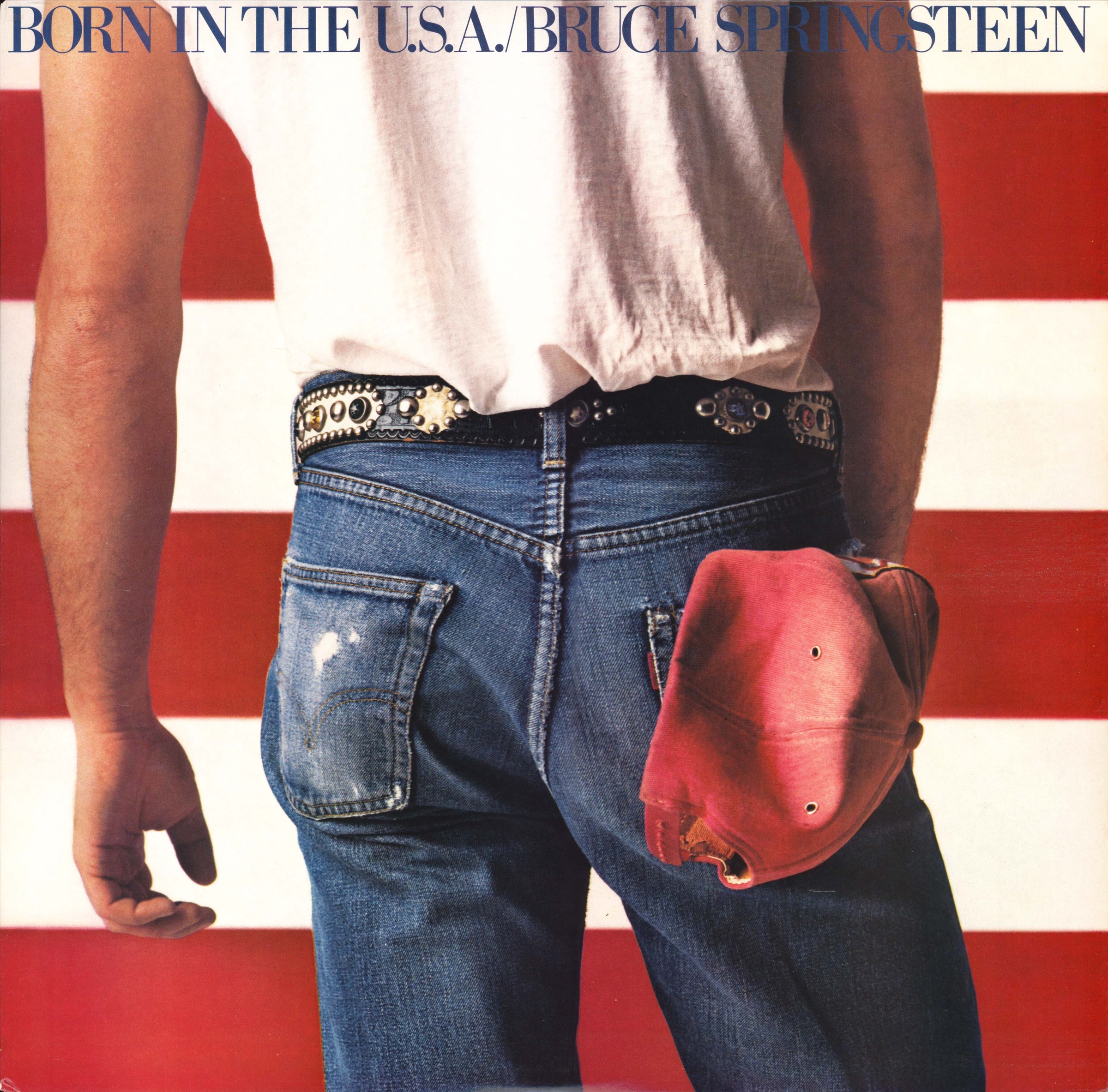
Born in the U.S.A. (1984)
A commercial juggernaut, “Born in the U.S.A.” features anthems that resonate deeply with the American working class. While the title track is often misunderstood as a patriotic anthem, its lyrics poignantly depict the struggles faced by Vietnam War veterans, providing a nuanced perspective on the complexities of the American experience. The album, as a whole, seamlessly combines infectious melodies with a profound social commentary, cementing Bruce Springsteen’s reputation as a master storyteller.
Within the album’s rich tapestry, the inclusion of “No Surrender” adds an intriguing backstory. Initially hesitant to include the track, Bruce Springsteen was convinced by Steve Van Zandt, and the result is one of the best songs in Springsteen’s extensive catalog. The song’s infectious energy and anthemic quality make it a standout moment on an already stellar album.
It’s worth noting that “Born in the U.S.A.” holds a special significance in my personal journey as a music enthusiast. At the tender age of 11, it was the first Bruce Springsteen song I ever listened to, and its impact was nothing short of transformative. The raw power of the music and the depth of the lyrics opened a new world for me, sparking a lifelong admiration for Bruce’s artistry.
However, this period also marked a significant shift within the E Street Band. Following the completion of the album, Steven Van Zandt left the band, leaving a void that was filled by the talented Nils Lofgren on guitars. Additionally, Patti Scialfa entered what was initially perceived as a ‘boy’s only’ band, contributing background vocals and adding a new dimension to the band’s dynamic. This lineup change marked the beginning of a new era for the E Street Band, showcasing their ability to adapt and evolve while maintaining their distinctive sound.
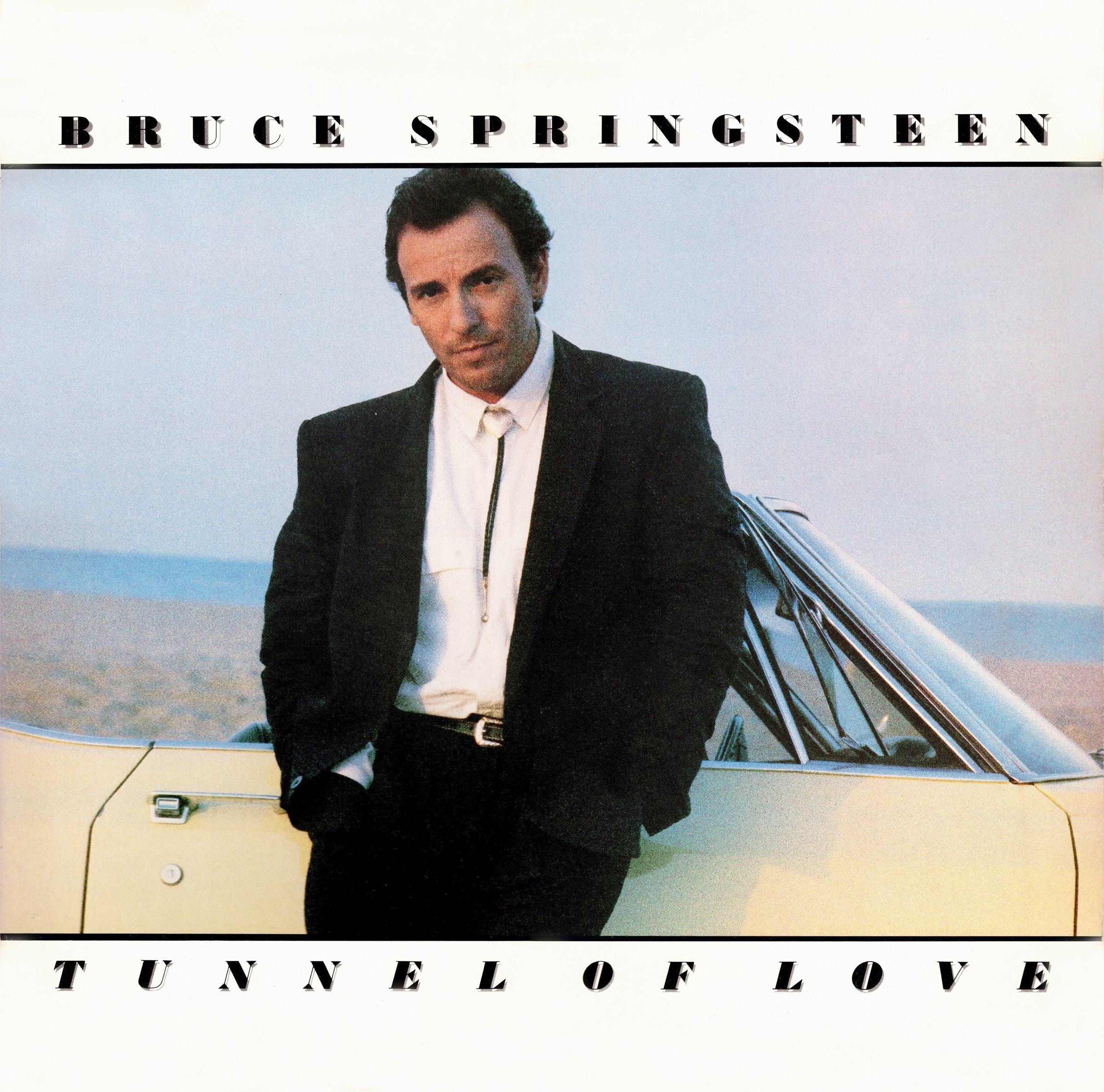
Tunnel of Love (1987)
“Tunnel of Love” is more than an album—it’s a journey into the intimate recesses of love, heartbreak, and introspection. Departing from the stadium-rock sound, Bruce Springsteen crafts a nuanced collection of songs that lay bare the complexities of human relationships. Among them, “Brilliant Disguise” stands as a lyrical masterpiece, its poignant lines echoing with profound truth. “Brilliant Disguise” is a lyrical tour de force that delves deep into the complexities of human relationships. The song unfolds as a soul-searching dialogue between two individuals, revealing the vulnerability and intricacies that often accompany love and intimacy. The poignant line “God have mercy on the man who doubts what he’s sure of” serves as a powerful anchor, encapsulating the core theme of self-doubt and the fragility that can permeate even the most steadfast convictions.
Throughout the song, Springsteen navigates the intricate dance of illusion and reality in a relationship. The title itself, “Brilliant Disguise,” hints at the façades we construct to navigate the complexities of love. The lyrics capture the internal dialogue of a person grappling with the dissonance between outward appearances and inner truths.
Lines like “Is that you baby, or just a brilliant disguise?” lay bare the inherent uncertainty in relationships, inviting listeners to reflect on the masks we wear and the elusive nature of authenticity. The song doesn’t offer easy answers; instead, it immerses the audience in the nuanced emotions of love, doubt, and self-discovery.
As Springsteen sings, “So tell me what I see when I look in your eyes / Is that you, baby, or just a brilliant disguise?” the song becomes a mirror reflecting the universal search for authenticity and connection. “Brilliant Disguise” transcends its time of release, resonating with anyone who has grappled with the complexities of love and the self.
In essence, the song is a testament to Springsteen’s ability to distill profound human experiences into poetic verses, creating a timeless exploration of the human condition. “Brilliant Disguise” is not merely a song; it’s a profound reflection on the intricacies of love and the eternal quest for truth in the midst of emotional complexity.
“Cautious Man” is another gem in this introspective tapestry, a character study that unfolds with cinematic precision offering a glimpse into the life of its protagonist, a man characterized by diligence and devotion. The song unfolds with rich storytelling, and the brilliant lyrics contribute to the vivid tapestry of this character study.
The line “He worked hard to fill their lives with happy days and loving nights” encapsulates a universal aspiration to create a fulfilling and joyful life for oneself and loved ones. In the context of the song, it sheds light on the protagonist’s character, portraying him as someone committed to the well-being and happiness of his family. This particular line resonates with a sense of responsibility and dedication, illustrating the protagonist’s tireless efforts to provide not just material comfort but also emotional richness. It reflects a fundamental human desire to build a life filled with positive experiences, warmth, and affection. Through this line, Springsteen captures the essence of a life well-lived—a life characterized by the pursuit of happiness and the cultivation of meaningful connections.
“Spare Parts” is a gem within Bruce Springsteen’s discography, offering a poignant exploration of resilience and the human experience. The song delves into the struggles of working-class individuals, particularly focusing on the challenges faced by a young couple dealing with unexpected circumstances. The lyrics vividly paint a picture of resilience in the face of adversity, emphasizing the determination to overcome challenges and build a life against the odds. As a fan of “Spare Parts,” you likely appreciate the raw honesty and emotional depth that Springsteen brings to his storytelling. The song stands as a testament to the enduring power of his music to connect with listeners on a personal and emotional level.
“Tunnel of Love” holds a special place in my heart, not just for its lyrical brilliance but for the personal milestone it represents in my Springsteen journey. It was during the tour for this album that I had the privilege of seeing Bruce LIVE for the first time on August 3, 1988, in Barcelona. The experience added a layer of depth and connection to the album, making it a cherished chapter in my musical odyssey.
This album, with its soul-searching narratives and profound lyricism, exemplifies Springsteen’s mastery in capturing the raw, unfiltered emotions that define the human experience. As the echoes of “Tunnel of Love” reverberate through time, its brilliance remains a testament to the enduring impact of an artist unafraid to explore the depths of the heart and soul.
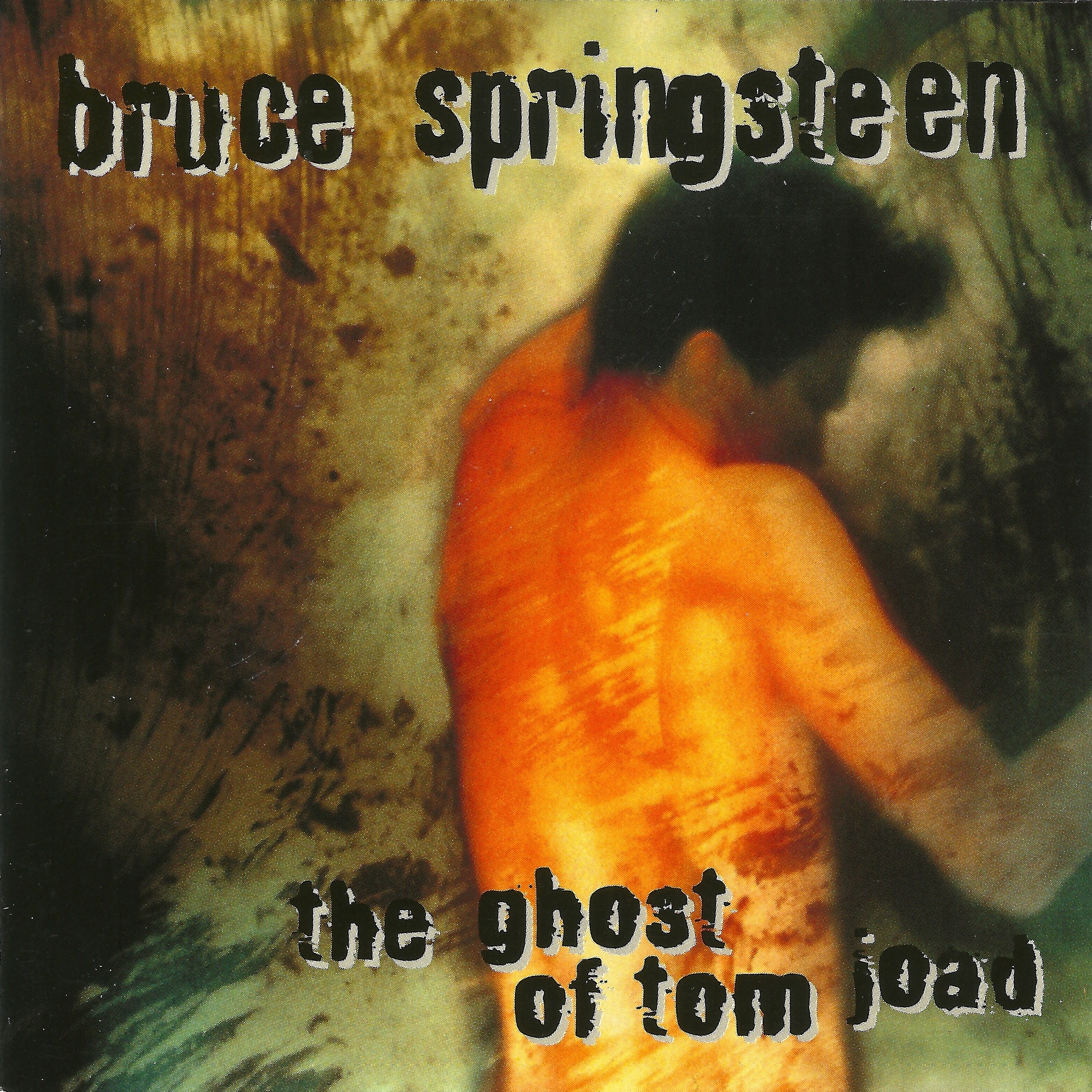
The Ghost of Tom Joad (1995)
Returning to a more stripped-down, folk-inspired sound, “The Ghost of Tom Joad” stands as a compelling exploration of social issues and economic disparity. Drawing inspiration from John Steinbeck’s seminal work, “The Grapes of Wrath,” the title track hauntingly portrays the harsh realities of the modern American landscape.
One of the album’s standout tracks, “Youngstown,” further amplifies the narrative with its evocative storytelling. This poignant song serves as a powerful commentary on the decline of industrial America, capturing the struggles of working-class communities.
Notably, during live performances, “Youngstown” has become a tour de force, with a standout moment being the electrifying solo delivered by the virtuoso Nils Lofgren. His guitar prowess adds a dynamic layer to the performance, elevating the song to one of the best live moments in the illustrious history of the E Street Band. The combination of Springsteen’s storytelling prowess and Lofgren’s killer solo creates a visceral and unforgettable musical experience within the broader context of “The Ghost of Tom Joad.”
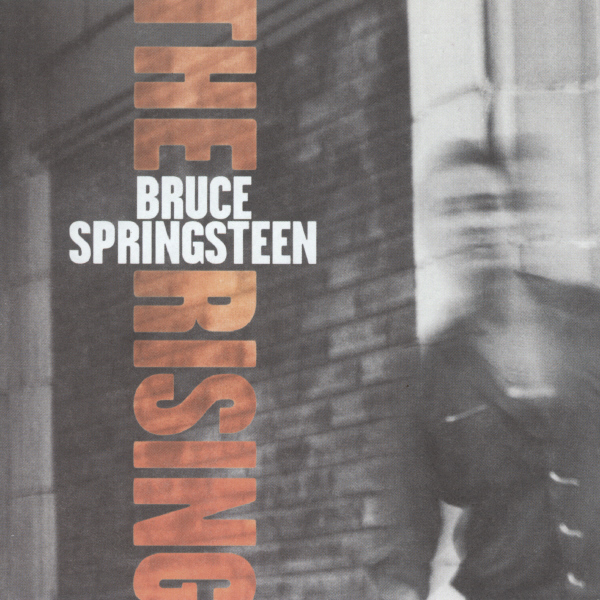
The Rising (2002)
Emerging in the aftermath of the tragic events of 9/11, “The Rising” stands as a poignant reflection on resilience and hope. This transformative album seamlessly blends rock and folk influences, creating a musical tapestry that resonates with the human spirit. Notably, tracks like “My City of Ruins” encapsulate the album’s theme, evoking a powerful sense of rebuilding and unity.
Adding another layer to this era, the subsequent tour, a testament to the band’s unwavering commitment, was captured on video. The result, a mesmerizing DVD titled “Live in Barcelona,” (2002) showcases the electrifying energy of Bruce Springsteen and the E Street Band’s performance. As a native of Barcelona, this recording holds a special place in my heart, as it immortalizes a memorable moment in my home city’s musical history.
Letter to You (2020)
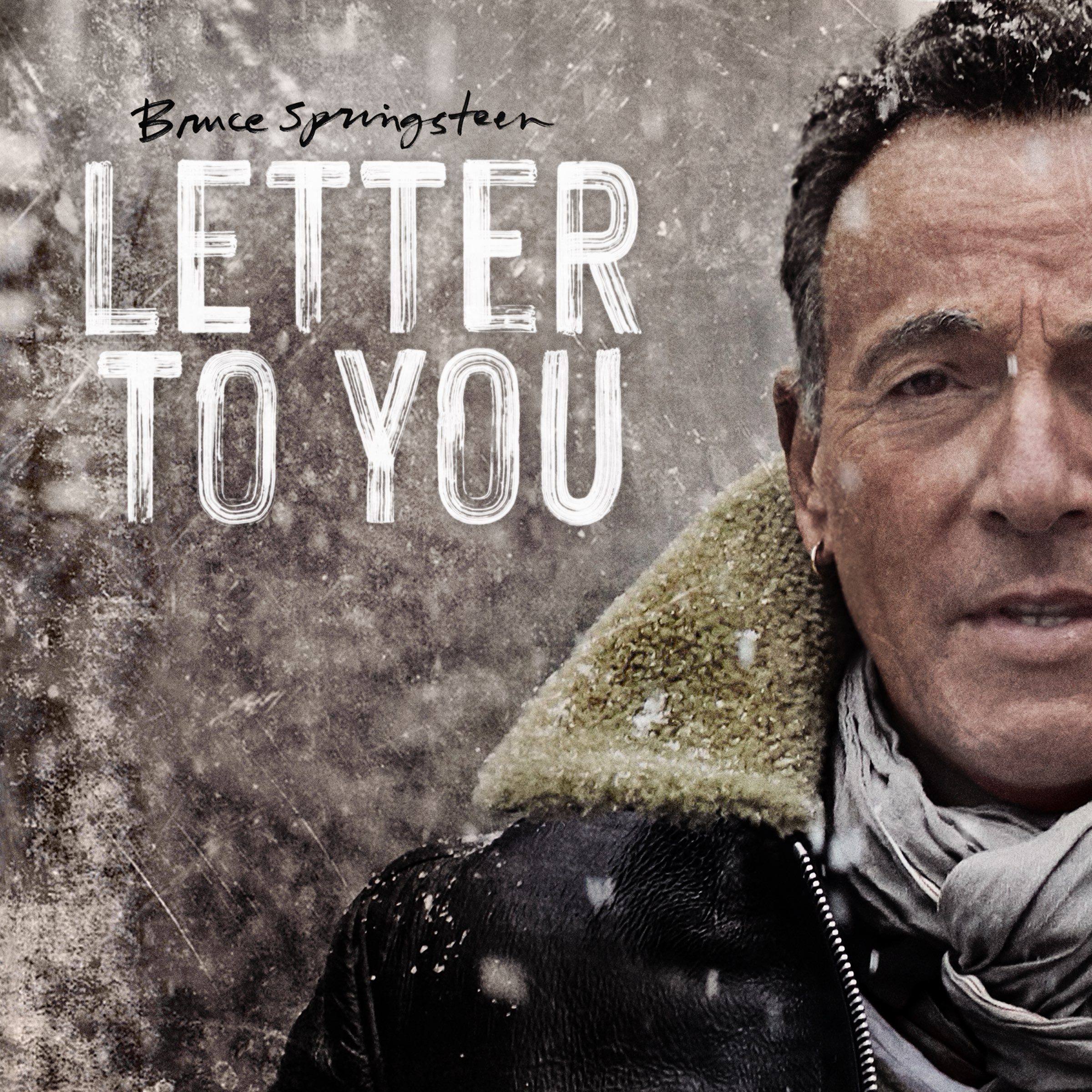
A recent addition to Springsteen’s ongoing catalog, “Letter to You” is a nostalgic reflection on mortality and the enduring power of music. This album marks a significant reunion, as it brings Springsteen back together with the E Street Band for the first time since their collaboration on the “High Hopes” album in 2014. The result is a poignant and reflective musical journey that captures the timeless essence of their collective artistry.
Beyond the Studio: Bruce’s Live Odyssey and Uncharted Outtakes
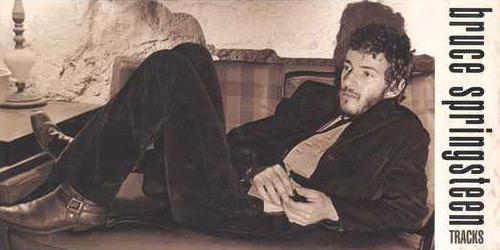
Navigating Bruce Springsteen’s expansive discography is no small feat, and while this chronicle delves into a curated selection of my top 10 favorite albums, it wouldn’t be complete without acknowledging the monumental impact of Bruce’s live performances and the abundance of unreleased material spanning his illustrious career. In this musical journey, the quintuple vinyl release “Live / 1975-85” stands as a testament to the electrifying energy of Springsteen’s live shows and was the first live album release by Bruce. The Springsteen Live Archives further invite fans to relive the magic of performances from 1975 to 2024. Additionally, the Box Set “Tracks” (1998) sheds light on the wealth of outtakes, underscoring Springsteen’s prolific creativity. These elements collectively enrich the Springsteen experience, offering a more comprehensive understanding of his artistic evolution and the depth of his musical legacy.
Conclusion
In the symphony of Bruce Springsteen’s musical odyssey, each album serves as a note, a chord, contributing to the grand opus that defines his remarkable career. This chronicle has navigated through my personal selection of the top 10 favorite albums, unveiling the rich tapestry of Springsteen’s artistry. Yet, this exploration would be incomplete without acknowledging the expansive realm beyond the studio—live performances, unreleased treasures, and the resonating echoes of Springsteen’s enduring legacy.
From the exuberance of “Born to Run” to the haunting introspection of “Nebraska,” each album encapsulates a chapter in Springsteen’s journey, reflecting the diverse facets of the human experience. The live masterpiece “Live / 1975-85” and the Springsteen Live Archives add a dynamic dimension, capturing the electrifying essence of his performances. Meanwhile, the outtakes revealed in “Tracks” provide a glimpse into the vast reservoir of creativity that flows beneath the surface of official releases.
As we immerse ourselves in the melody of Springsteen’s discography, we find that the essence of his artistry extends far beyond the confines of the studio. It resonates in the shared moments of live shows, the untold stories of unreleased tracks, and the unwavering connection he forges with audiences worldwide. Bruce Springsteen’s music is not merely a collection of albums; it is a living, breathing testament to the enduring power of storytelling and the ability of music to transcend time.
In closing, this journey through Bruce’s catalog is an invitation to explore, appreciate, and continually rediscover the profound impact of an artist whose work transcends the boundaries of genre and generation. The road he travels is one of perpetual evolution, and as we accompany him on this sonic expedition, the beauty lies not only in the destination but in the ever-unfolding narrative of the journey itself.
© Francesc Borrull, 2023-2024
 Francesc Borrull
So, what you’re saying is, you like this guy? 😁 Just kidding. You’re right; this is a once-in-a-lifetime entertainer whose brilliance in the studio and on the stage, even 50 years later (!), is something we’re very lucky to witness. Rock on, Boss!!
LikeLike
[…] three albums are a masterclass in what rock and roll can be. Also, you may want to check ‘Bruce Springsteen’s Musical Survey: A Chronological Exploration of 10 Iconic Albums‘ where I surveyed my Top 10 favorite Springsteen […]
LikeLike