
By Francesc Borrull · March 10, 2025
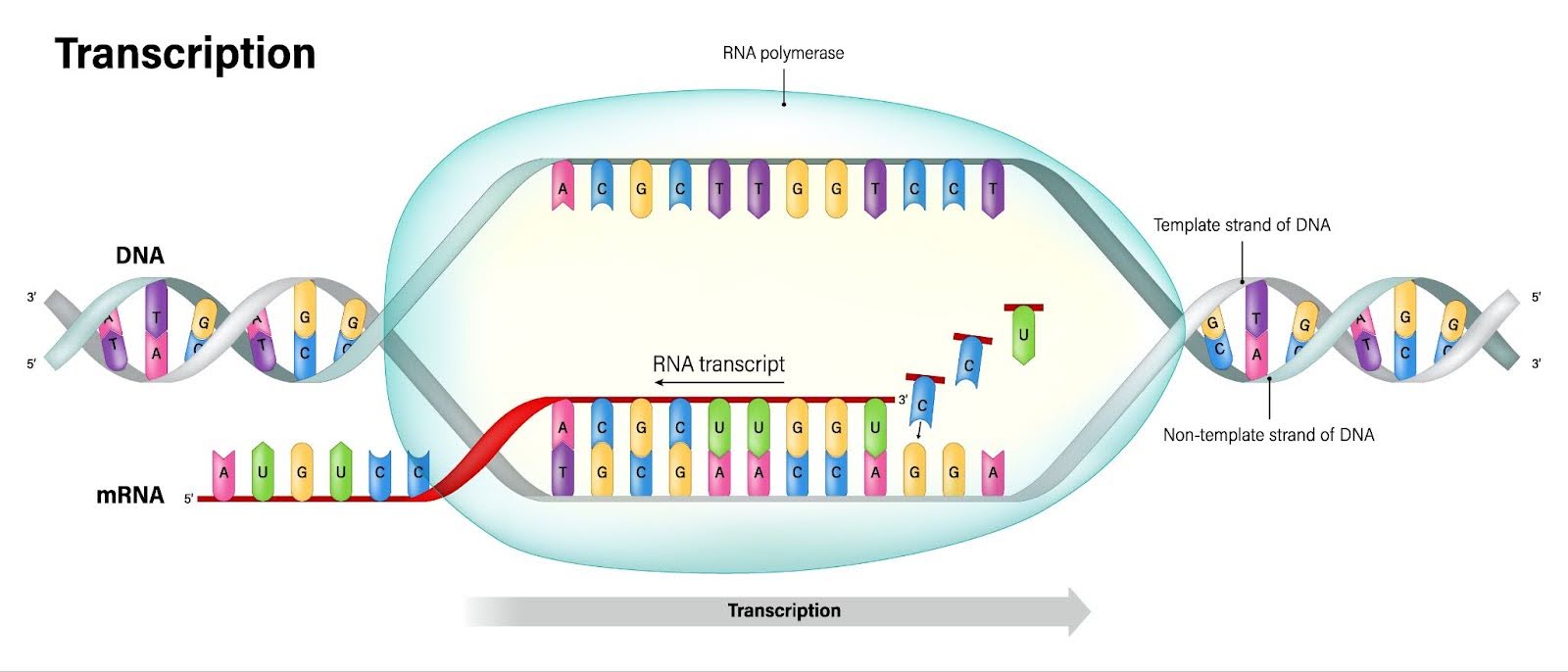
Protein is often associated with muscle building, but its role extends far beyond that—especially for endurance athletes like runners. Protein synthesis, the process by which the body repairs and rebuilds muscle tissue, produces essential enzymes and hormones, and maintains overall cellular function, is critical for performance, recovery, and adaptation.
Lately, as I’ve been taking a sports nutrition class (which includes a lot of biochemistry!), I’ve realized just how misunderstood protein synthesis is—especially among endurance athletes. For years, many athletes, including myself, have been misinformed about how it actually works and why it’s so crucial—not just for strength athletes but also for runners. While running may not create the same kind of muscle hypertrophy as weight training, it still places significant stress on the body, leading to muscle breakdown, fatigue, and even a weakened immune system if recovery isn’t prioritized.
Running, especially long or intense sessions, causes microtears in muscle fibers. Optimizing protein synthesis can mean the difference between sluggish runs and strong performances, between frequent injuries and consistent training. While every athlete benefits from this process, runners in particular need to pay attention to it due to the high demands endurance training places on the body. Here’s why it matters and how to maximize it for better running performance.
Why Protein Synthesis Is Essential for Runners
1. Muscle Repair and Growth
- Protein synthesis repairs these microtears, making muscles stronger and more resilient.
- Without proper protein intake and synthesis, recovery slows down, increasing the risk of overuse injuries.
2. Adaptation to Training
Endurance training challenges the muscles, cardiovascular system, and metabolism.
- Protein synthesis allows muscles to adapt to these stresses, improving efficiency and endurance.
- Well-recovered muscles mean better performance and faster recovery between workouts.
3. Immune System Support
High-mileage training can temporarily weaken the immune system.
- Many immune cells rely on amino acids (the building blocks of protein) for function.
- Poor protein synthesis can lead to a higher risk of illness and slower wound healing.
4. Hormone and Enzyme Production
Key hormones and enzymes that regulate metabolism and recovery are protein-based.
- Insulin, growth hormone, and testosterone are crucial for muscle repair and energy regulation.
- Enzymes that break down nutrients for fuel also depend on protein synthesis.
5. Preventing Muscle Loss (Catabolism)
When protein synthesis doesn’t keep up with muscle breakdown, the body turns to muscle tissue for energy.
- This leads to muscle loss, weaker performance, and a higher risk of injuries.
- Maintaining a positive protein balance helps sustain lean muscle mass during heavy training periods.
The Science Behind Protein Synthesis (Simplified)
Protein synthesis is how the body repairs and builds muscle, but at its core, it’s a biochemical process that happens in two main stages:
- Transcription – Your cells copy genetic instructions from DNA into messenger RNA (mRNA), which acts like a blueprint for building proteins.
- Translation – Ribosomes read the mRNA instructions and assemble amino acids into a protein, which is then used to repair muscles, produce enzymes, and support recovery.
The key takeaway? Without enough protein intake, this process slows down, leading to poor recovery and increased injury risk.
This 3D animation shows how proteins are made in the cell from the information in the DNA code. Source: YouTube/yourgenome.
How to Maximize Protein Synthesis
- Consume high-quality protein post-workout (30-40g paired with carbohydrates in a 3:1 ratio for better absorption and glycogen replenishment).
- Prioritize leucine-rich foods (whey protein, eggs, soy, lean meats, dairy).
- Distribute protein intake evenly throughout the day instead of consuming most of it in one meal.
- Focus on total daily protein intake, not just timing. It’s not about chasing the “perfect” post-run protein shake—what truly matters is hitting your total daily protein goal. I personally calculate mine by multiplying my body weight (in kg) by 1.4 grams to determine my protein needs. Research suggests that intakes between 1.4 to 1.8 grams per kg of body weight are effective for endurance athletes, while anything beyond 2.2 grams per kg likely offers no extra benefit. For example, at 60 kg body weight, a target of 84 grams of protein per day could be easily spread across meals—30g at breakfast, 30g at lunch, and 24g at dinner—ensuring optimal protein synthesis.
- Avoid under-eating protein, especially during peak training blocks.
Bottom Line
Protein synthesis isn’t just for bodybuilders—it’s a key factor in endurance performance. For runners, optimizing it means better recovery, stronger muscles, improved immunity, and overall enhanced performance. By prioritizing protein intake and supporting synthesis, runners can train harder, recover faster, and stay injury-free.
© Francesc Borrull, 2025
 Francesc Borrull
[…] while ago, I published a post about maximizing protein synthesis (here). Today, I want to dive into another key aspect of general health and sports performance: fat […]
LikeLike