
By Francesc Borrull · January 1, 2024
Introduction
As familiar carols of angels and shepherds fill the air this Christmas season, a different, livelier melody takes center stage across the Pyrenees in Catalonia, where I’m celebrating with family. Here, the traditional nativity scene, or “pessebre,” is not confined to a dusty corner of the church, but spills out onto village squares, transforms into living tableaux with townsfolk as actors, and even harbors a cheeky character known as the “caganer” – a defecating figurine adding a touch of earthy humor to the sacred space. But before we unravel the threads of these unique customs, let us rewind to the heart of Christmas – the birth of Jesus in a humble manger. This foundational story, familiar yet ever-poignant, provides the backdrop for a tapestry of Catalan traditions that range from the whimsical “caga tió” – a log that, when pummeled, magically releases gifts – to the majestic arrival of “els reis mags” – the Three Wise Men who shower blessings on children. So, come with us on a journey beyond the manger, as we unveil the magic, the mirth, and the unexpected twists that make Christmas in Catalonia an unforgettable experience.
A Starlit Journey and a Humble Cradle: The Nativity Unfolds
Long before the echoes of carols and the twinkling of festive lights, a journey of faith and hope unfolded under a star-dusted sky. Joseph and Mary, their hearts heavy with expectation, traversed the dusty roads towards Bethlehem, the ancestral town of David. It was a journey fraught with anticipation and hardship, for Mary carried within her a precious burden: the Son of God himself.
Bethlehem, however, offered little refuge. In the bustling town teeming with travelers drawn by the census decree, doors remained closed and hospitality scarce. The prophecy foretold a king, yet only a humble stable, its air still warm from the breath of oxen and sheep, offered solace to the expectant couple. And so, in this unassuming haven, amidst the soft straw and hay, a momentous event transpired: Jesus, the Messiah, was born.
The miracle of life unfolded, cradled in the simplest of settings. Mary, bathed in the ethereal glow of dawn, gazed upon her newborn son, her eyes brimming with love and reverence. Joseph, his calloused hands trembling with awe, watched over the divine child, his heart overflowing with the weight of his responsibility.
But in this humble scene, surrounded by the gentle beasts of the stable, life’s mysteries intertwined. The ox, symbolizing earthly strength and burden, and the ass, representing humility and service, stood stoic sentinels around the manger. Their quiet presence spoke of nature’s embrace, a silent choir welcoming the divine into the world.
While shepherds, guided by the radiant star that pierced the night sky, arrived with humble gifts of wool and sheep, their simple hearts overflowing with newfound faith. And from the distant East, spurred by ancient prophecies and a blazing beacon in the heavens, three kings embarked on a remarkable journey. Melchior, Balthazar, and Gaspar, with their laden camels bearing treasures of gold, frankincense, and myrrh, sought not a palace, but a stable, bearing their gifts to a child born not in a regal chamber, but in a manger.
This humble birth, witnessed by simple souls and adorned with faith, hope, and love, marked the beginning of a story that would resonate through time. In the quiet hush of the stable, under the watchful gaze of angels and stars, a king arrived, not in power and pomp, but in the purest embrace of humanity. And in that moment, in that humble manger, hope was born anew.
Pessebrisme: Where Artistic Devotion Meets Christmas Tradition in Catalonia
From the vibrant streets of Barcelona to sleepy villages nestled in the Catalan countryside, Christmastime in Catalonia is marked by a unique and captivating tradition: pessebrisme. This word, whispering of its origins in the Catalan “pessebre” meaning “manger,” captures the essence of this tradition perfectly. It’s not merely the act of setting up nativity scenes; it’s a passionate devotion to the art and soul of these miniature worlds, meticulously crafted to celebrate Christ’s humble birth in a simple, profound way.
Rooted in history, flourishing in art, and woven into the fabric of Catalan identity, Pessebrisme invites us on a journey through faith, creativity, and community.
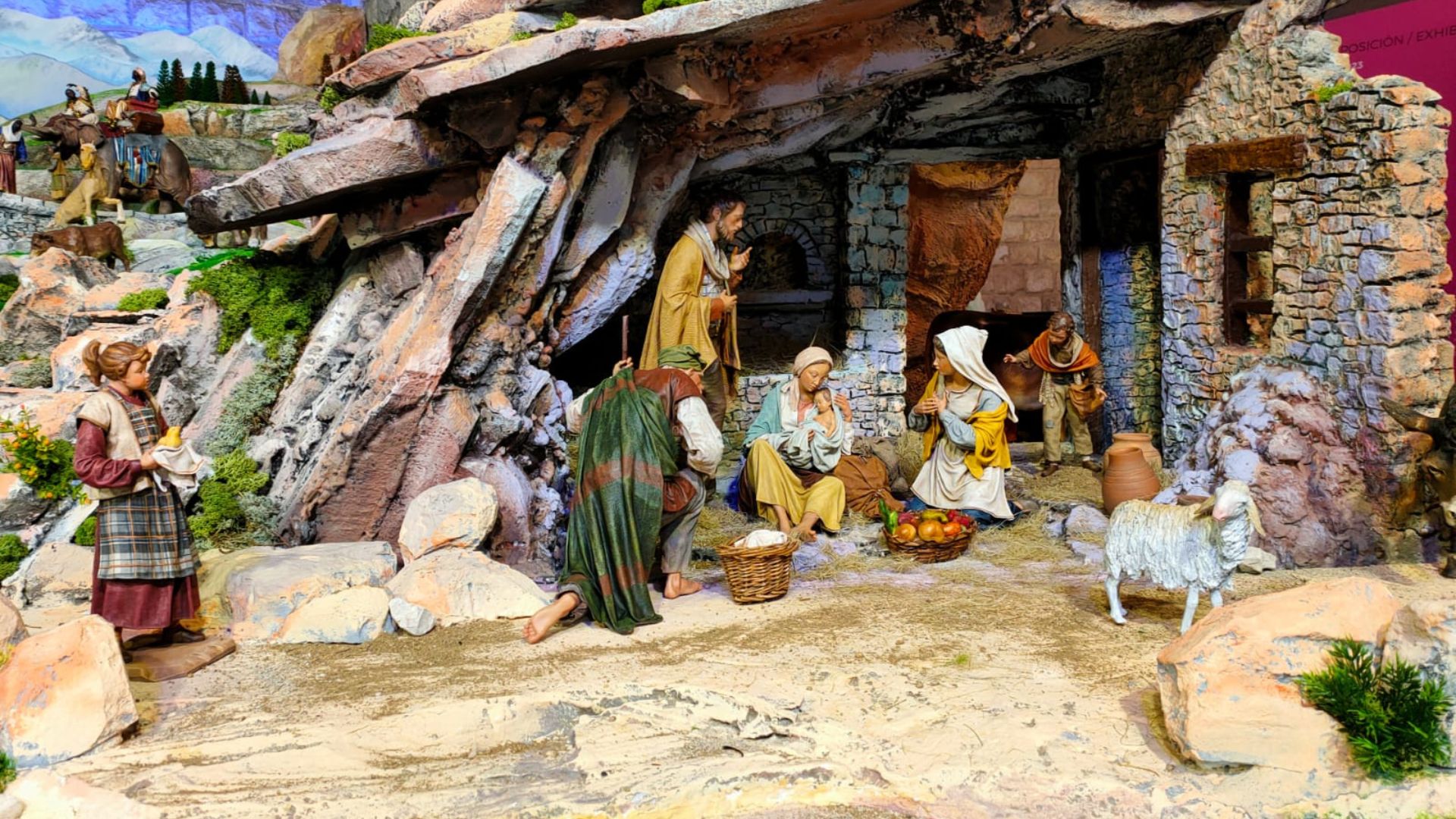
Rooted in History, Flourishing in Art
Pessebrisme‘s roots stretch back centuries, echoing the ancient Christian tradition of portraying the Nativity scene. Around the 14th century, it blossomed in Catalonia, likely influenced by the Franciscan emphasis on simplicity and community celebration. During the Baroque period, famed artists like El Greco elevated nativity scenes to monumental works of art, further solidifying Pessebrisme‘s cultural importance. However, the 20th century brought challenges, with industrialization and changing lifestyles threatening the tradition’s vitality.
A Revival Fueled by Passion
Driven by the dedication of passionate individuals and associations, pessebrisme experienced a remarkable revival in recent decades. This dedication manifests in breathtakingly intricate scenes often imbued with local themes. Catalan landscapes, architecture, and even traditional trades find their way into these miniature universes, creating a uniquely Catalan interpretation of the Nativity story. The use of diverse materials, from clay and wood to modern resins and plastics, further highlights the creative spirit at the heart of pessebrisme.
Beyond the Still Frame: Living Nativities and Dynamic Displays
Modern pessebres refuse to be confined to static displays. Their artistic boundaries stretch, embracing technology and innovation to create captivating miniature theaters. Moving figures, orchestrated lighting effects, and even miniature soundtracks weave a tapestry of sight and sound, transporting viewers into the heart of the Nativity story. These dynamic displays are testaments to the enduring creativity and dynamism of pessebrisme, ensuring its continued relevance for generations to come.
But for some Catalans, the Nativity story comes alive not in miniature scenes, but in the grand scale of Els Pessebres Vivents (Living Nativities). Immerse yourself in a village transformed into a living Bethlehem, where cobbled streets become bustling marketplaces, houses light up with the warmth of families, and costumed villagers step into the roles of shepherds, bakers, and Roman soldiers. Witness the journey of Mary and Joseph unfold in real time, the awe of the shepherds etched on their faces as they encounter the newborn king, and the majesty of the Magi arriving with their precious gifts.
Els Pessebres Vivents are more than just theatrical performances; they are immersive experiences that blur the line between spectator and participant. Children chase playful lambs, bakers offer warm bread, and the scent of pine fills the air, creating a sensory tapestry that draws you deeper into the story. Each village infuses its unique character and cultural flair into the performance, making every experience a fresh encounter with the timeless Nativity tale.
Whether through the technological wizardry of modern miniature displays or the captivating realism of Els Pessebres Vivents, Catalans continue to push the boundaries of pessebrisme, reimagining and reinterpreting the Nativity story for new audiences. These innovative expressions not only preserve a cherished tradition but also remind us that faith, creativity, and a touch of magic can weave together experiences that resonate for generations.
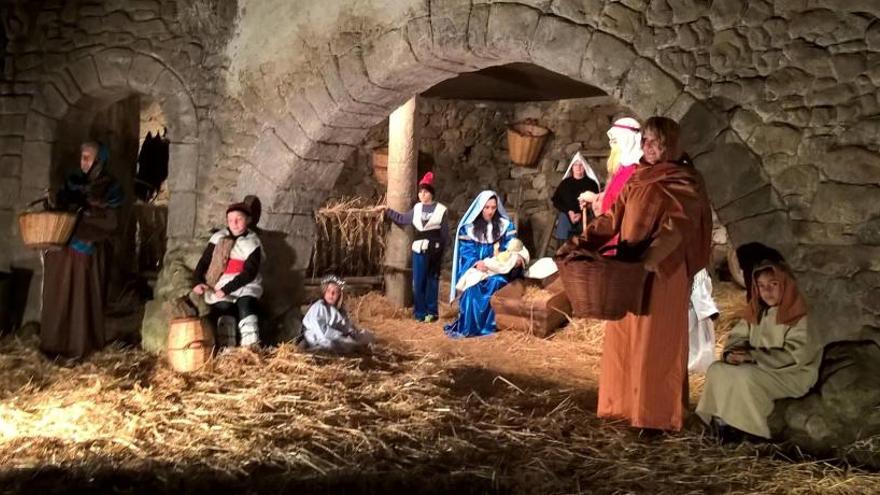
A Tradition Woven into Catalonia’s Fabric
More than just a Christmas decoration, pessebrisme serves as a vital thread in the tapestry of Catalan identity. It is a cherished tradition passed down through families, fostering artistic expression and bringing communities together in shared joy and reflection. The meticulous crafting of each scene becomes an act of devotion, connecting individuals to the spiritual significance of the Nativity story.
Pessebrisme: A Legacy Enduring
Through its enduring cultural significance, pessebrisme stands as a testament to the power of tradition in fostering creativity, faith, and community. It reminds us that the Christmas story, while rooted in history, can be reimagined and celebrated in countless ways, enriching our understanding of both the universal and the local. As Catalonia embraces the festive spirit of Christmas, let us remember the spirit of pessebrisme — a devotion to beauty, a dedication to sharing, and a celebration of the human spirit woven into the very fabric of this unique land.
El Caganer: A Fertile Surprise in the Catalan Nativity Scene
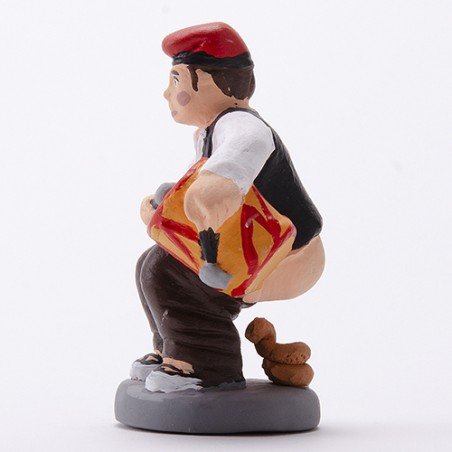
No journey into the world of pessebrisme would be complete without encountering its most surprising (and some might say cheeky) resident: El Caganer (the Pooper) . This mischievous figure, squatting discreetly among the shepherds and angels, is a uniquely Catalan tradition that adds a touch of unexpected humor and symbolism to the nativity scene.
Imagine this: you’re admiring a beautifully crafted pessebre, marveling at the intricate details and the idyllic portrayal of the Holy Family. Then, your eye catches a flash of white pants amidst the rustic landscape. There, tucked away near a tree or behind a rock, sits El Caganer, blissfully relieving himself. At first glance, it might seem irreverent, even shocking. But in Catalan tradition, El Caganer serves a surprisingly fertile purpose.
The act of defecation, while undeniably biological, also symbolizes fertilization and the vital cycle of life. In the context of the pessebre, El Caganer is seen as blessing the land, enriching the soil with his “gift” to ensure a prosperous year for all. This interpretation echoes the agricultural roots of Catalan society, where the land’s bounty was essential for survival and success.
El Caganer‘s appearance has evolved over time. Traditionally, he’d be a simple peasant figure, dressed in typical Catalan garb and sporting a mischievous grin. But today, the possibilities are endless. You might find a politician taking a break from statecraft, a celebrity enjoying a private moment, or even a cartoon character adding a touch of whimsy to the scene. This playful evolution speaks to the adaptability of pessebrisme and its ability to reflect the changing times while preserving its core values.
So, the next time you encounter El Caganer in a pessebre, don’t dismiss him as just a bathroom humor joke. See him as a reminder of the cyclical nature of life, the importance of returning to our humble roots, and the joy of finding humor even in the sacred. His presence is a playful wink from Catalan culture, inviting us to embrace life’s messy but ultimately wondrous realities.
Whack, Sing, and Feast: The Merry Mayhem of Caga Tió
As the pessebre comes alive with the Nativity story and Els Pastorets unfold their comedic tale, Christmas in Catalonia bursts into a playful, family-centered tradition: Caga Tió. This mischievous character, a log adorned with a smiling face and a Catalan barretina hat, isn’t your usual Christmas character. In fact, he’s known for one very special ability – “cagar,” the Catalan word for “pooping.”
On Christmas Eve or Christmas Day, children gather around Caga Tió, nestled beneath a blanket like a cozy cocoon. Armed with sticks and playful threats, Catalan children gather around the “caga tió,” their rhythmic chants echoing through homes and squares. The lyrics, diverse from region to region, revolve around a central plea: “Caga tió!” (“Poop log!”). But beneath the lighthearted threats of bigger logs and longer sticks lies a deeper cultural tradition — a playful reminder of the cycle of life and the joy of receiving rewards for hard work, even if that work involves hammering a log. This joyful ritual, a blend of anticipation, silliness, and reward, embodies the playful spirit of Christmas in Catalonia.
While shrouded in the mists of time, Caga Tió‘s origins may stem from pagan rituals and nature’s bounty. Yet, over centuries, he has shed his ancient symbolism to become a beacon of family festivity. Today, amidst the laughter and shared stories, his “cagar” transcends its literal meaning, transforming into a playful embodiment of Catalan agrarian wisdom. This seemingly strange fascination with poop in Catalan Christmas customs, far from being distasteful, reflects a deeper connection to the cycles of life, fertility, and good fortune. In essence, it’s a humorous reminder that even the humblest acts – like the fertilizing earth – can bring renewal, prosperity, and the sweetness of togetherness.
A Shepherd’s Tale: The Enchanting World of Els Pastorets
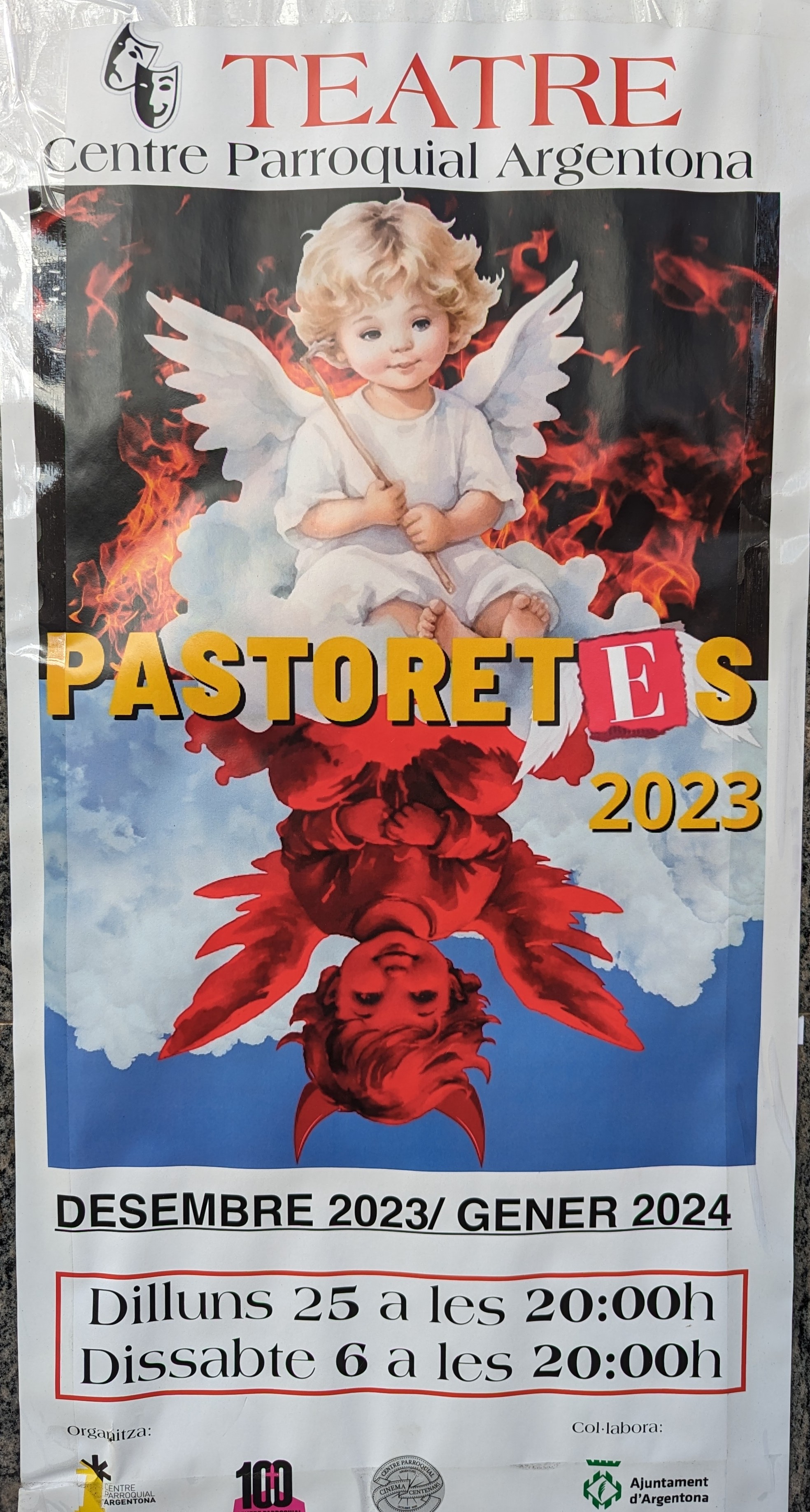
While El Caganer adds a humorous touch to the pessebre, another Catalan Christmas tradition delves deeper into the Nativity story with vibrant theatricality: Els Pastorets (The Little Shepherds). This isn’t merely a play; it’s an experience, transporting audiences to a world where angels and demons jostle, shepherds embark on comical quests, and the simple message of Christ’s birth unfolds with heart and humor.
Imagine flickering candlelight illuminating a village hall, casting dancing shadows on a makeshift stage. The air hums with anticipation as the curtain rises, revealing nervous shepherds gathering in the fields under a starry sky. Their simple lives, filled with tending sheep and playful banter, are about to be disrupted by a celestial announcement: the Messiah is born!
Thus begins a journey filled with laughter and adventure. Guided by angels and hindered by mischievous devils, the shepherds embark on a quest to Bethlehem. Along the way, they encounter clumsy moments, witty dialogues, and even musical serenades to the newborn king. Through their innocent eyes, we rediscover the wonder of the Nativity story, marveling at the divine amidst the everyday.
Els Pastorets isn’t just about entertainment, though. It’s a tradition passed down through generations, often performed by amateur actors from local communities. The stage becomes a platform for cultural pride, showcasing Catalan language, music, and humor. Families gather, children giggle at the slapstick of the devils, and older generations savor the familiar verses and heartfelt moments.
In the end, Els Pastorets reminds us that even the most profound stories can be told with a touch of whimsy. It’s a testament to the enduring power of faith, community, and laughter, bringing people together to celebrate the simple magic of Christmas.
A Grand Finale: The Epiphany of Els Reis Mags
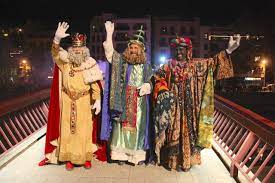
As Christmas festivities wind down, Catalonia embraces another joyous chapter – the arrival of Els Reis Mags (The Three Wise Men). This ancient tradition, culminating on January 5th and 6th, weaves together the grandeur of a royal procession with the intimate anticipation of gift-giving, all steeped in the symbolism of the Epiphany.
On the eve of January 5th, the air vibrates with anticipation as towns and cities prepare for La Cavalcada de Reis (The Parade of Kings). Illuminated floats adorned with glittering stars and twinkling lights carry the Magi – Melchior, Gaspar, and Balthazar – in all their regality. Their camels, bedecked in festive finery, prance through the streets, showering children with sweets and candies like celestial rain. Music floats through the air – a blend of traditional carols and joyous shouts, creating a spectacle of light, sound, and pure magic.
This isn’t just a parade; it’s a participatory celebration. Children, wide-eyed with wonder, hold lanterns, sing carols, and call out to the Kings, hoping to catch a glimpse of their royal bounty. The streets teem with families, grandparents sharing stories of past parades, and young couples whispering dreams for the coming year. La Cavalcada de Reis is more than a spectacle; it’s a shared experience that binds generations together in the spirit of wonder and anticipation.
But the true magic unfolds on the morning of January 6th, Dia de Reis (The Day of Kings). Children wake to find their shoes overflowing with gifts, left by the Three Kings who have miraculously entered homes despite locked doors. The excitement of unwrapping presents is tempered with a touch of nervous curiosity. Did they receive everything they wished for? And, more importantly, did they find…carbó?
Carbó, a lump of coal made of sugar, is a playful reminder that even the best of us have room for improvement. It’s not just a lump of coal; it’s a symbol of reflection and the promise of a new year filled with opportunities to be kinder, more helpful, and more deserving of the Magi’s bounty.
No Dia dels Reis celebration is complete without the Tortell de Reis, a sweet, ring-shaped pastry filled with candied fruit and cream. Hidden within its layers lies a secret: a tiny figurine of the baby Jesus and a single bean. Whoever finds the baby Jesus is crowned king or queen for the day, basking in the joy and admiration of their family. But woe to the one who discovers the bean! They face the playful consequence of paying for the next Tortell de Reis, ensuring the laughter continues long after the last crumb is devoured.
Els Reis Mags is more than just a tradition; it’s a tapestry woven with threads of faith, family, and playful whimsy. The grand spectacle of the parade, the intimate joy of gift-giving, and the lighthearted humor of the Tortell de Reis all come together to celebrate the Epiphany in a way that is uniquely Catalan and undeniably heartwarming. It’s a reminder that even the most ancient stories can spark joy and wonder anew, year after year.
A Catalan Christmas Mosaic: Celebrating Faith, Family, and Fertility
As Christmas unfolds its final act in Catalonia, a sigh of contentment settles over the land. From the laughter of “caga tió” to the starlit vigils for Els Reis Mags, the season has woven a tapestry of joy, faith, and family. We journeyed through the vibrant tableaux of “pessebres vivents,” witnessed the earthy humor of the caganer, and marveled at the storytelling prowess of “Els Pastorets.” Through it all, a tapestry rich in faith, family, and the earthy rhythm of nature has unfolded before us.
At its heart, this mosaic is held together by the timeless narrative of Jesus’ birth. The nativity scene, whether crafted in moss and wood or brought to life by townsfolk, reminds us of the enduring message of hope and renewal that Christmas embodies. Yet, in Catalonia, this message is adorned with local flourishes. The cheeky caganer, far from being irreverent, embodies a deep-seated respect for the cycles of nature, where even the humblest act can contribute to the cycle of life and abundance.
Likewise, the joyous pummeling of Caga Tió is more than just a quest for sweets. It’s a playful reminder of the hard work and perseverance that yield rewards, a lesson whispered through generations by Catalan farmers who understood the magic of fertile soil. And let us not forget the merry throngs of “Els Pastorets,” their playful jabs and musical interludes reminding us that laughter and storytelling are essential threads in the fabric of community, weaving families closer and preserving traditions against the tide of time.
So, as the final strains of Christmas carols echo across the Pyrenees, and the glow of “els reis mags‘” gifts warms young hearts, we carry with us a richer understanding of Christmas in Catalonia. It’s a celebration not just of Jesus’ birth, but of the vibrant tapestry of life itself – a joyous dance of faith, family, and the earthy wisdom that runs through our veins. In this unique cultural mosaic, the sacred and the playful intertwine, reminding us that even the simplest acts can be imbued with meaning, laughter, and the promise of a new year brimming with hope.
Carry the spirit of Catalonia within you, where life’s tapestry is woven with the humble straw of the manger and the glittering gifts of Els Reis Mags, where laughter springs forth with every playful whack of Caga Tió, and where faith, family, and the earth’s wisdom intertwine to create magic in every moment. Embrace these simple joys, let them illuminate your path, and may your days be merry, your laughter abundant, and your heart filled with the hope of a new year. ¡Bon Nadal i Feliç Any Nou!
© Francesc Borrull, 2023-2024
 Francesc Borrull