
By Francesc Borrull · February 2, 2024
Bruce Springsteen, born on September 23, 1949, in Long Branch, New Jersey, is an iconic American singer-songwriter and musician often hailed as “The Boss.” His musical journey is a testament to the American Dream, marked by resilience, authenticity, and a profound connection with the working-class ethos.
Springsteen’s early exposure to music came through his working-class upbringing, where he found solace and inspiration in rock ‘n’ roll, blues, and folk. He honed his craft in the vibrant music scene of Asbury Park, New Jersey, playing in local bands and gradually crafting a unique sound that blended elements of rock, folk, and soul.
It was Springsteen’s third album, “Born to Run,” released in 1975, that propelled him into the mainstream spotlight. This breakthrough marked a turning point in his career, transforming him from a regional talent to a global phenomenon. The album not only established him as a rock and roll force but also solidified his reputation as a storyteller of the American experience. “Born to Run” became a cultural touchstone, capturing the struggles, dreams, and aspirations of a generation.
Springsteen’s raw, unapologetic lyrics, coupled with his energetic and emotive performances, resonated deeply with fans. The album’s title track, an anthemic ode to the desire for freedom and escape, became an instant classic. Springsteen’s ability to channel the hopes and struggles of everyday Americans struck a chord that echoed far beyond the Jersey shore.
This pivotal moment in Springsteen’s career laid the foundation for a prolific musical journey that would span decades. His subsequent albums continued to explore the complexities of the human experience, social issues, and the evolving landscape of America.
However, Springsteen’s meteoric rise was not without its challenges. Following the success of “Born to Run,” he found himself entangled in a legal battle with his former producer, Mike Appel. This protracted legal dispute barred Springsteen from the recording studio for an extended period, creating a hiatus that left fans eagerly awaiting his next musical chapter. The legal constraints forced Springsteen to reevaluate his artistic direction and band dynamics.
During this hiatus, changes in the E Street Band’s lineup occurred. Springsteen brought in new drummer Max Weinberg, whose precise and powerful drumming would become a defining element of the sound on the upcoming album. Additionally, Stevie Van Zandt, a longtime collaborator, assumed a more prominent role, contributing not only as a guitarist but also shaping the band’s evolving musical identity.
As Springsteen emerged from the legal shadows, he channeled his pent-up creativity into a remarkable body of work—the album that would become “Darkness on the Edge of Town.” This period of adversity and transformation laid the groundwork for an album that would delve into darker, more introspective themes, showcasing Springsteen’s maturation as a songwriter and his evolving musical vision. The writing process, musical approach, and thematic exploration of “Darkness on the Edge of Town” reflect not only the challenges faced by Springsteen during this time but also the resilience and artistic growth that define his enduring career.
Deconstructing Darkness: An In-Depth Analysis of Springsteen’s Masterpiece
“Darkness on the Edge of Town,” released in 1978, stands as a testament to Bruce Springsteen’s artistic evolution and resilience. The album reflects a departure from the anthemic, widescreen sound of “Born to Run” into a more stripped-down, introspective sonic landscape. Each track on “Darkness” is a narrative journey, delving into the complexities of life, love, and the American dream.
1. The album opens with “Badlands,” a powerhouse anthem that sets the tone for the entire record. The driving rhythm, punctuated by Max Weinberg’s relentless drumming, captures a sense of urgency. Lyrically, Springsteen confronts adversity head-on, delivering a rallying cry for those facing hardships.
2. “Adam Raised a Cain” explores the fraught dynamics of father-son relationships. The distorted guitar riffs, courtesy of Springsteen and Van Zandt, mirror the tension and angst embedded in the lyrics. The song’s raw emotional intensity lays bare the complexities of familial connections.
3. This haunting ballad, “Something in the Night,” unveils Springsteen’s prowess as a storyteller. The atmospheric instrumentation, including Roy Bittan’s piano, creates a cinematic backdrop for the narrative of longing and loss. Springsteen’s vocal delivery exudes vulnerability, drawing listeners into the emotional core of the song.
4. “Candy’s Room” shifts gears with its uptempo rock sound. The narrative unfolds through a character-driven lens, exploring themes of desire and escapism. The interplay between Springsteen’s vocals and the dynamic instrumentation showcases the E Street Band’s cohesion.
5. “Racing in the Street” is a poignant exploration of unfulfilled dreams and the search for purpose. The piano-driven ballad builds gradually, culminating in a guitar solo that echoes the ache of the protagonist. The song’s narrative complexity and musical dynamics make it a standout track on the album.
6. In “The Promised Land,” Springsteen grapples with the elusive pursuit of the American Dream. The song’s anthemic quality, propelled by Clarence Clemons’s saxophone, reflects both the hope and disillusionment woven into the fabric of the narrative.
7. “Factory” takes a stark, acoustic turn, offering a glimpse into the impact of blue-collar life on personal relationships. Springsteen’s storytelling prowess shines as he navigates the struggles of the working class with a poetic and empathetic lens.
8. “Streets of Fire” returns to a more rock-oriented sound, capturing a sense of urgency and unrest. The song’s fiery instrumentation and Springsteen’s impassioned vocals contribute to its anthemic quality, portraying a world ablaze with intensity and uncertainty.
9. “Prove It All Night” features a signature guitar riff and showcases Springsteen’s ability to blend rock and soul influences seamlessly. The lyrics explore themes of dedication and resilience in the face of adversity, adding another layer to the album’s thematic depth.
10. The title track, “Darkness on the Edge of Town,” serves as a powerful conclusion. The stripped-down arrangement, with Springsteen’s gravelly vocals at the forefront, encapsulates the album’s overarching themes of struggle and redemption. The song serves as a reflection on the shadows that linger at the edges of hope.
In its entirety, “Darkness on the Edge of Town” stands as a masterful work of artistry, showcasing Springsteen’s ability to weave together compelling narratives with evocative musical landscapes. The album’s exploration of the human experience, paired with the E Street Band’s dynamic contributions, solidifies its place as a cornerstone in the rock and roll canon.
Capturing the Shadows: The Iconic Cover Art of Darkness on the Edge of Town
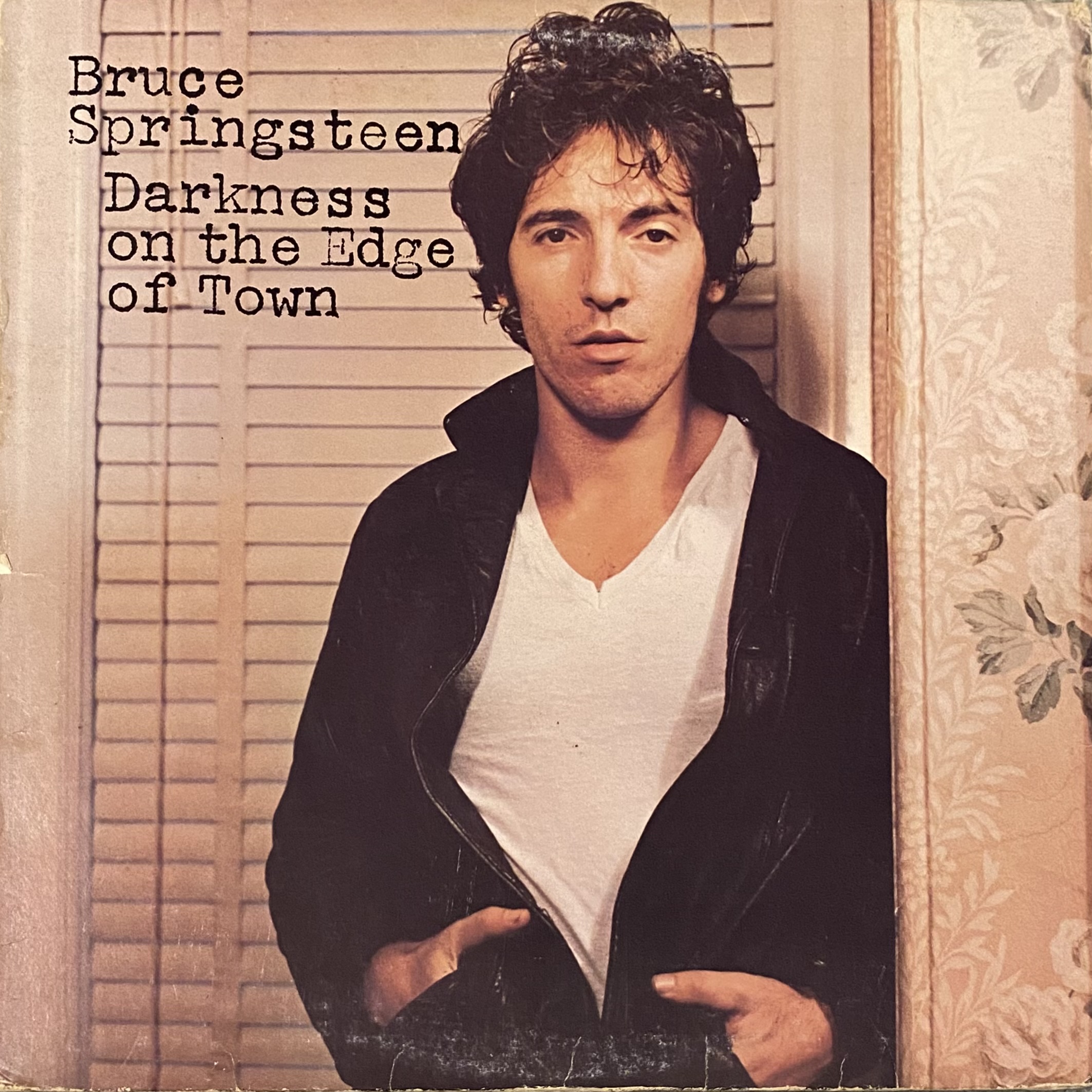
Before delving into the reception and resonance of the Darkness Tour, it’s crucial to shine a spotlight on the album’s iconic cover art—a visual masterpiece captured by photographer Frank Stefanko. The stark, evocative imagery of Bruce Springsteen against a desolate backdrop has become as legendary as the music within.
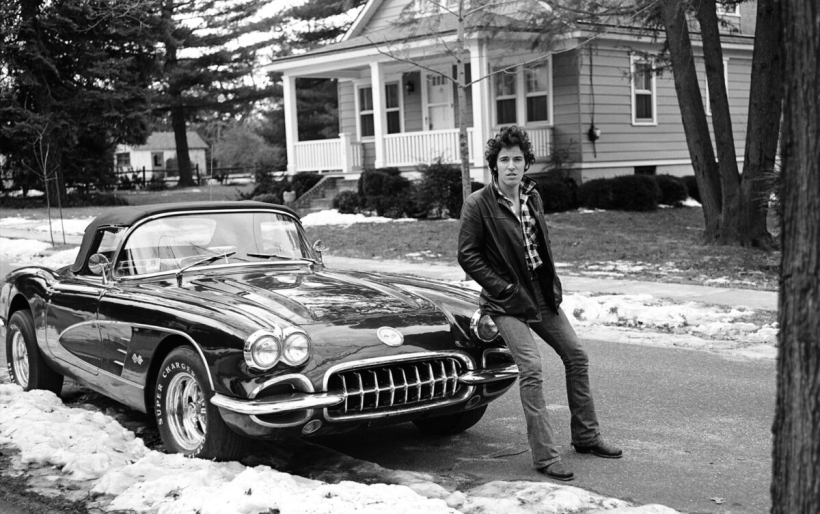
Frank Stefanko’s collaboration with Springsteen began with the “Darkness on the Edge of Town” photo sessions in 1978. The stark black-and-white photographs perfectly complement the album’s themes, capturing the raw emotion and introspective mood that define the music. Stefanko’s lens transforms the ordinary into the extraordinary, creating a visual narrative that resonates with the album’s lyrical depth.
One of the most striking images from the session became the cover of the album, featuring Springsteen against a weathered wall inside Stefanko’s home in Haddonfield, New Jersey. In this photograph, he stands with a mix of determination and contemplation, his presence echoing the album’s themes of struggle and resilience. In the arresting gaze directed straight into the camera, there’s a weariness, a subtle bewilderment that transcends words. It’s as if Springsteen, through the lens of Stefanko, invites us into a world where the lines between exhaustion and determination blur—a visual metaphor for the complex emotional landscape explored within the sonic realms of “Darkness on the Edge of Town.
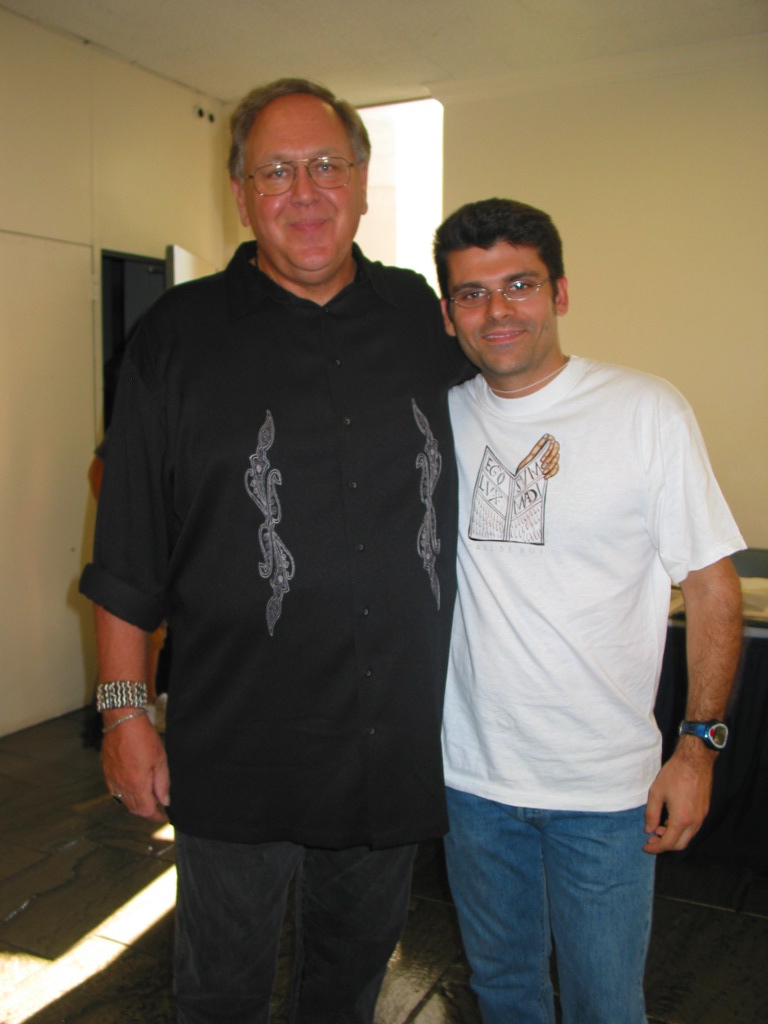
On a personal note, I had the privilege of meeting Frank Stefanko at the ‘Glory Days: A Bruce Springsteen Symposium’ held at Monmouth University in September 2005. It was a momentous occasion where I presented a paper delving into the creation of a mythological geography in Springsteen’s “Nebraska.” Meeting Stefanko added a unique layer to my appreciation for the album, providing insights into the creative collaboration that birthed the visual identity of “Darkness on the Edge of Town.”
The cover art stands not just as a visual companion to the music but as a testament to the symbiotic relationship between sound and image—a collaboration that, in the hands of Stefanko, elevated the album to iconic status. The cover becomes a portal, inviting listeners into the evocative landscapes of Springsteen’s sonic journey.
Reception and Resonance: Darkness Tour Unleashed
Upon its release in 1978, “Darkness on the Edge of Town” met with critical acclaim, although its more somber tone and departure from the commercial appeal of “Born to Run” initially posed challenges. The album, however, found its place among enthusiasts and has since earned a reputation as one of Springsteen’s most enduring works.
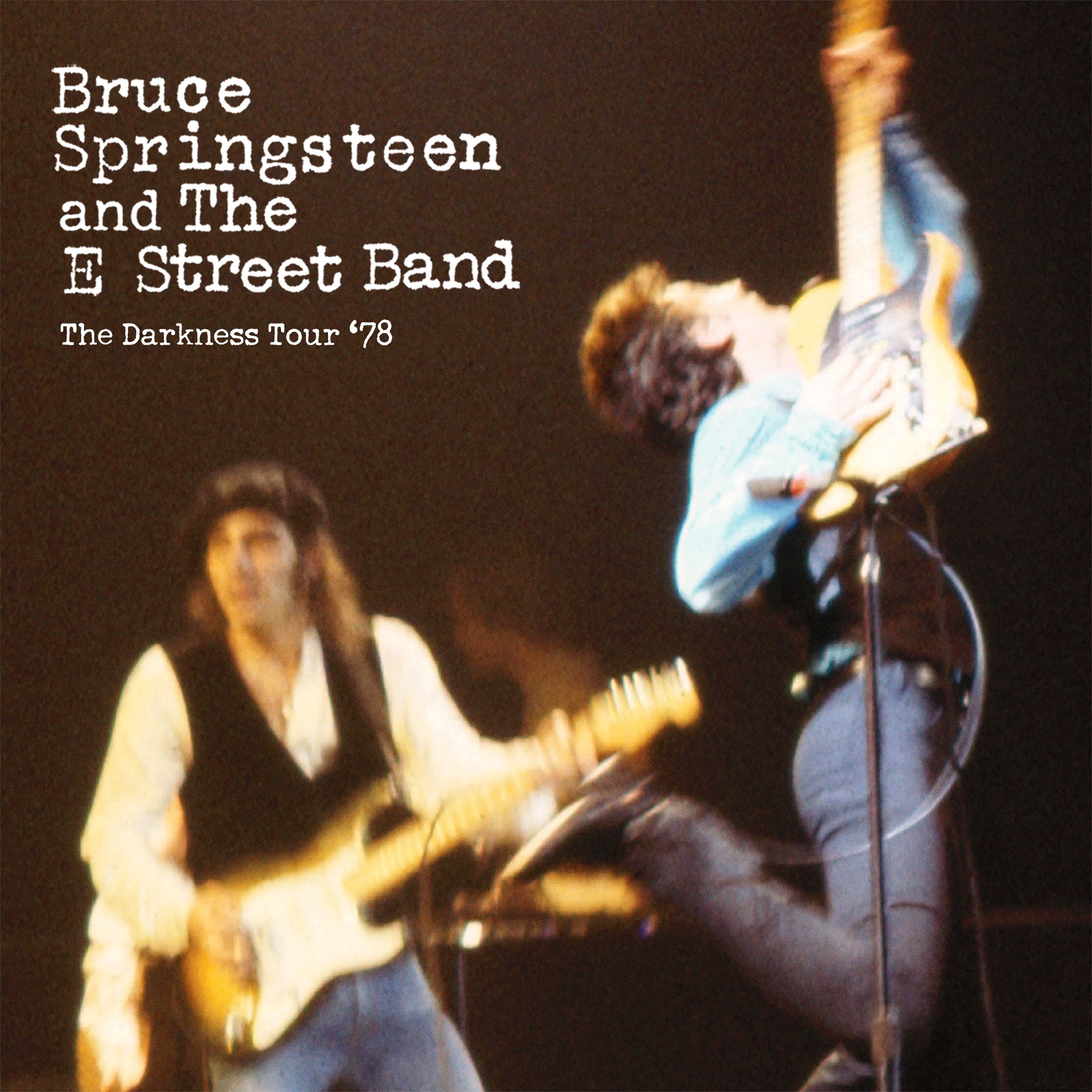
The Darkness Tour that followed solidified Springsteen’s status as a live performance maestro. Known for his electrifying, marathon concerts, Springsteen brought a raw and intense energy to the stage, captivating audiences around the world. The tour, spanning from May 1978 to the spring of 1979, featured over 100 shows across North America, Europe, and Japan.
The Setlist and Stage Presence
One of the defining characteristics of the Darkness Tour was the carefully curated setlists, showcasing a perfect balance of tracks from the new album, fan favorites, and unexpected covers. Springsteen’s stage presence, often described as magnetic, drew fans into an immersive experience where the boundaries between performer and audience blurred.
E Street Band Dynamics
The tour marked a significant evolution in the dynamics of the E Street Band. With the addition of guitarist Steven Van Zandt and drummer Max Weinberg, the band reached new heights of musical cohesion. The interplay between Springsteen, Van Zandt, Clarence Clemons, and the rest of the band created a sonic tapestry that enriched the live renditions of the “Darkness” tracks.
Marathon Performances
What set the Darkness Tour apart was the sheer length and intensity of the performances. Springsteen and the E Street Band were known for playing for hours on end, turning each concert into an epic journey through their discography. The dedication to delivering an unforgettable experience contributed to the tour’s legendary status.
Fan Connection and Enduring Legacy
The Darkness Tour not only solidified Springsteen’s reputation as a live performer but also strengthened the deep connection between him and his fans. The authenticity and passion exhibited on stage resonated with audiences, creating a communal experience that transcended the typical concert setting.
In retrospect, the Darkness Tour is often hailed as one of the greatest live acts in the history of rock music. Its impact extended beyond the concert halls, influencing subsequent generations of musicians and shaping the perception of what a live performance could and should be. The tour not only elevated the songs from “Darkness on the Edge of Town” but also cemented Bruce Springsteen’s status as a dynamic force in the world of rock and roll.
A Personal Ode to Darkness: A Lifelong Soundtrack
As the pages of this exploration unfold, it’s impossible to divorce oneself from the personal tapestry that artists like Bruce Springsteen weave into the fabric of our lives. For me, ‘Darkness on the Edge of Town’ holds a particular significance, not just as a critical juncture in Springsteen’s career but as one of the first vinyl records I ever purchased. It stands out as the inaugural vinyl by Springsteen in my collection, marking the beginning of a musical journey that continues to unfold. I handed over 650 pesetas (about 4 bucks), a modest sum that felt like a small fortune at the time, for an album that would become a lifelong companion.
That initial investment sparked a journey through the vast landscape of Springsteen’s discography—a journey marked by the crackle of vinyl, the sleekness of CDs, the digital clarity of streaming, the visual narratives of videos, and the immersive experience of books. The collection grew, each album becoming a bookmark in the chapters of my own story. Yet, “Darkness” retained a special place, its raw honesty and sonic landscapes echoing through the years.
My rendezvous with Springsteen’s gravelly voice occurred at the tender age of 11, the night air reverberating with the pulsating beats of “Born in the U.S.A.” in a dimly lit nightclub. Innocence met transformation, and the impact was indelible. I guess I could say ‘I ain’t a boy, no, I’m a man!’ Since that moment, Springsteen’s music has been an unwavering companion—a source of solace, inspiration, and a constant reminder of the human experience.
I’ve collected every note, every lyric, every piece of Springsteen’s musical puzzle, a trove that spans vinyl records, CDs, videos, and books. It’s a collection that transcends mere physical artifacts; it encapsulates a personal journey through the ebbs and flows of life, mirroring the evolution of Springsteen himself.
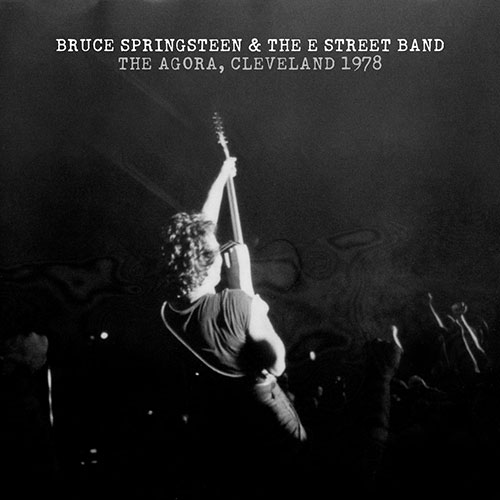
Over the years, I’ve been fortunate to witness Springsteen’s magic unfold on stage, with each concert serving as a testament to the enduring power of live music. While I did not attend the Darkness Tour, the stories of its marathon performances and unparalleled energy have left an indelible mark on my understanding of what a live show could be. Fortunately, the Springsteen live archives, available online, have provided a valuable window into that era. The vivid accounts and recordings of that time have become a part of my appreciation for Springsteen’s live performances, contributing to the tapestry of experiences that define his legendary stage presence.
In the vast catalog of Springsteen’s masterpieces, “Darkness on the Edge of Town” holds its ground as a crowning achievement. The album’s exploration of human struggles, dreams, and redemption resonates on a personal level, a soundtrack that has mirrored the contours of my own journey.
As this reflection draws to a close, it’s not just an analysis of an album or a tour—it’s a celebration of the enduring bond between artist and listener. Bruce Springsteen, with his evocative storytelling and soul-stirring melodies, has become more than a musician; he is a loyal companion in the symphony of life, a constant presence in the soundtrack of my existence.
In the ever-changing landscape of music and memories, “Darkness on the Edge of Town” remains a beacon—a testament to the power of art to transcend time, connecting us to the essence of our own narratives. In the darkness, the music persists, an eternal echo of the indomitable spirit that defines Bruce Springsteen and the indelible mark he leaves on the hearts of those who listen.
© Francesc Borrull, 2023-2024
Disclaimer: Clicking the provided links won’t fill my pockets. They’re just for your curiosity, not my coffers!


[…] I invite you to check out my in-depth review and musical analysis in the post titled “Darkness on the Edge of Town: An In-Depth Review and Musical Exploration.” There, we delve even further into the nuances of each track, uncovering the layers of […]
LikeLike
[…] exaggeration to say that my life has revolved around Springsteen’s music. And though I consider Darkness on the Edge of Town my personal favorite album, Born to Run is always right near the top. A hundred years from now, […]
LikeLike